Payments
WeChat Pay, Alipay, PayPal, Cards, and Cash: What Each Method Is Good For
The practical question is not which payment method is best. It is which job each method can reliably do during a China trip.
Quick answer
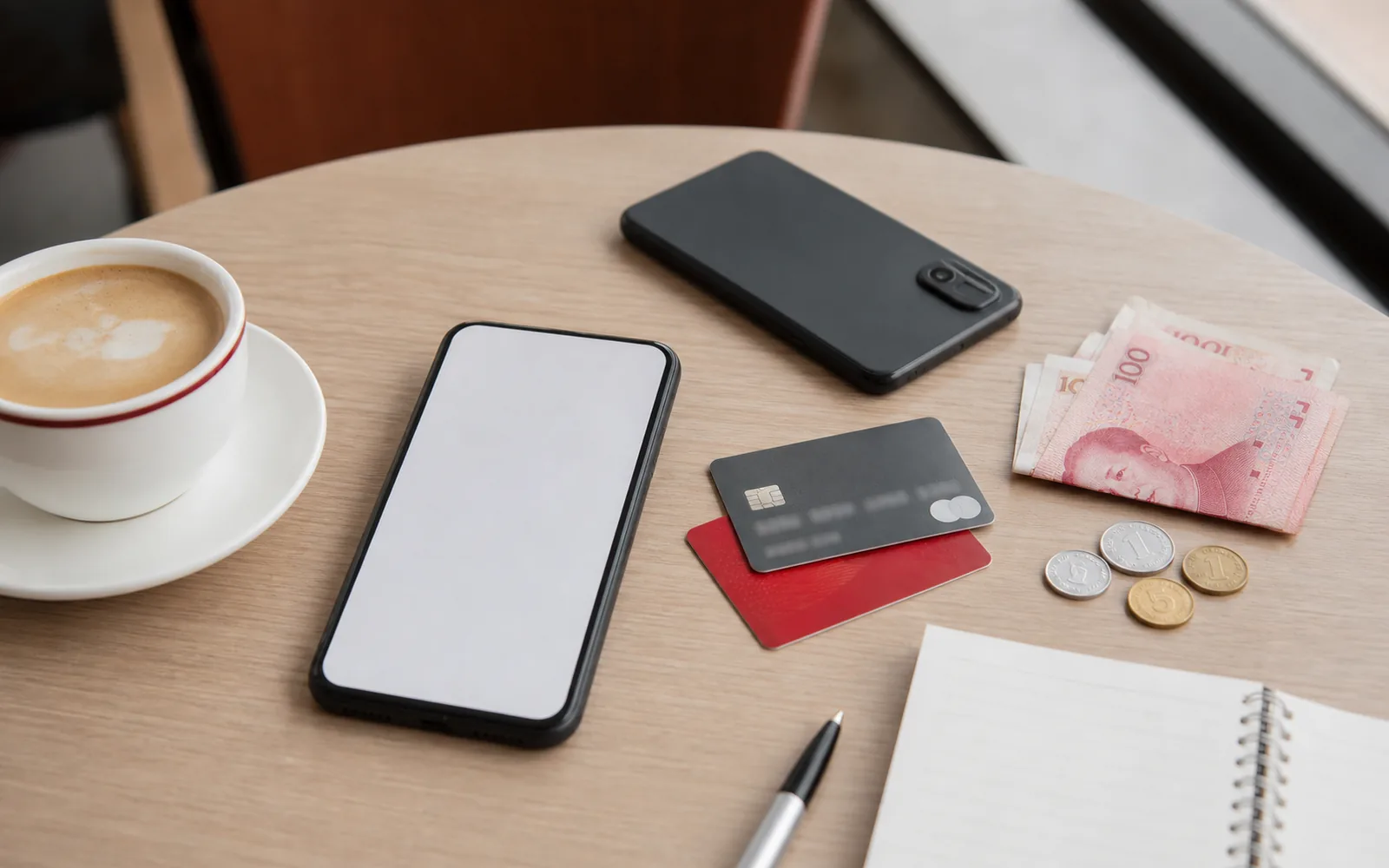
Treat payment methods as layers: daily QR, backup QR, card fallback, cash emergency, and receipt discipline.
Each method has a job
Alipay and WeChat Pay are the daily-use layer for most visitor situations. Foreign cards can still matter at some hotels, higher-end businesses, and ATMs. PayPal-linked options may be useful where eligible, but should not replace a broader payment plan. Cash remains the physical emergency layer.
A strong setup combines methods instead of arguing for one winner.
App setup is only half the work
Installing an app is not the same as being ready. You need account access, phone verification, linked card behavior, identity prompts, QR scanning, merchant code payments, refunds, and data access. Many failures happen because a traveler assumes setup is complete before testing a real transaction.
The safest habit is to test the exact app flow you expect to use.
Cards are useful but not universal
International card acceptance varies by merchant type. A hotel may accept a card for a room but a nearby restaurant may not. Some ATMs work better than others. Card issuers can block unusual transactions, and some platforms may require extra verification.
Cards are a backup layer, not a complete China payment strategy.
Cash solves edge cases
Small amounts of RMB cash can solve edge cases that apps cannot. It is especially useful during first-day setup, poor connectivity, smaller cities, broken verification, or urgent transport. The point is not to pay cash everywhere, but to avoid being trapped by one digital failure.
Use cash as insurance, not as the main operating system.
Practical checklist
- Set up at least one main QR payment app.
- Carry a second payment layer.
- Keep small RMB notes.
- Confirm card travel settings.
- Record important payments and refunds.