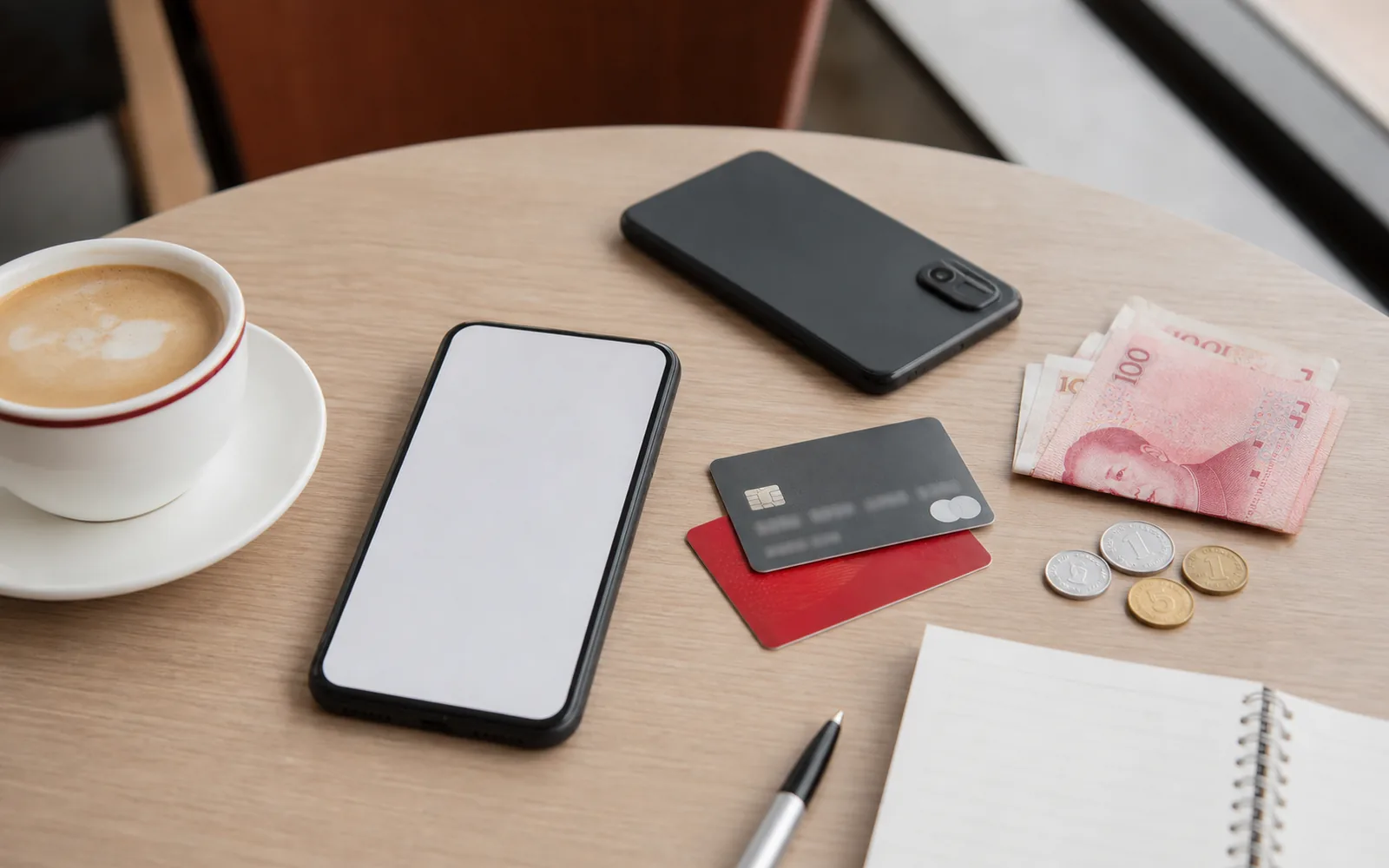

Yes, some foreign visitors can use PayPal in China through Weixin Pay merchant QR codes, but availability depends on rollout, account eligibility, app version, merchant compatibility, card issuer rules, and security checks. You should still prepare Alipay or WeChat Pay, a foreign-card backup, a small RMB cash reserve, and an ATM plan.
Payment choice under pressure
Use this comparison before the first paid moment, then keep the backup active after the first successful scan.
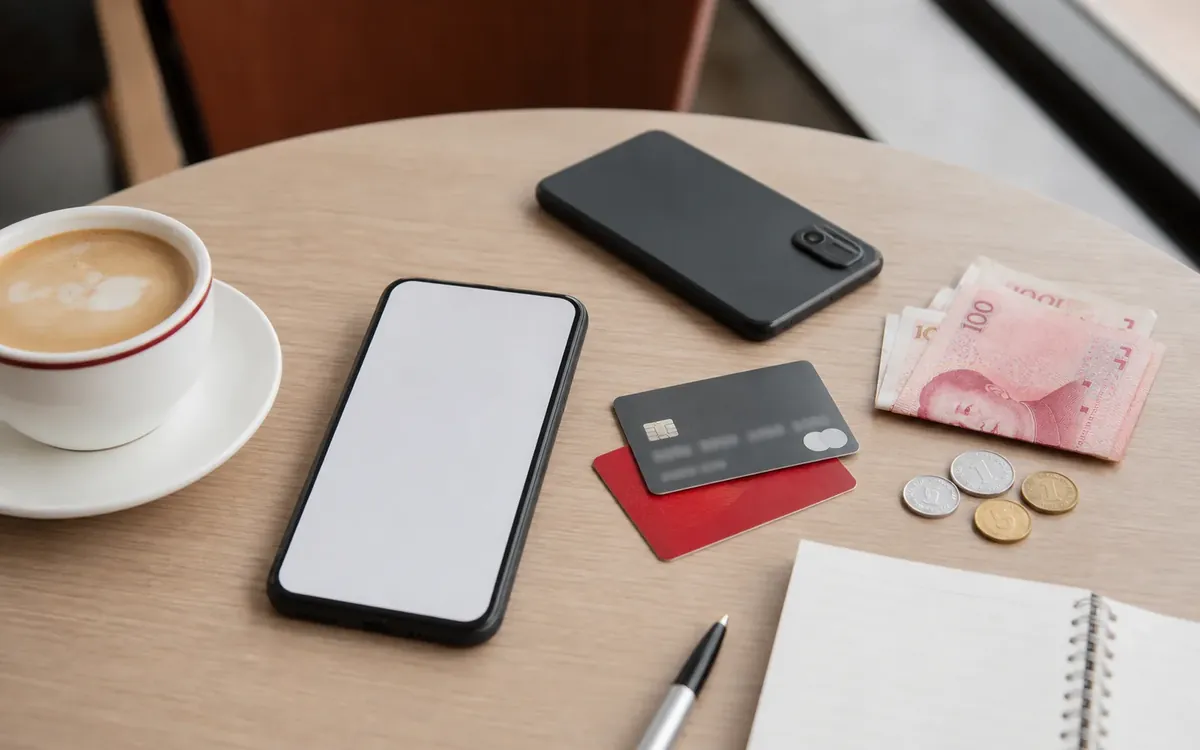
Safer setup
- Prepare one primary QR wallet.
- Keep a card, ATM or cash fallback.
- Test a small purchase before relying on it.
Risky setup
- Arrive with only one card.
- Assume every shop accepts foreign cards.
- Wait until a busy counter to test payments.
 Before leaving
Prepare the proof, address or app screen first.
Before leaving
Prepare the proof, address or app screen first.
The useful preparation is specific: one Chinese address, one saved record, one backup route and one person who can help if money, receipts and payment backups stall.
 At the counter
Compare the answer you receive with the Can foreigners use PayPal in China? checklist.
At the counter
Compare the answer you receive with the Can foreigners use PayPal in China? checklist.
If the local process differs, follow the official instruction and keep a record of the name, time and location.
Wallet, card and cash fallback
Check wallet setup, card backup, ATM access, cash reserve and the receipt or screenshot you may need later.
 Entry
Entry rules before booking
Entry
Entry rules before booking
 Transport
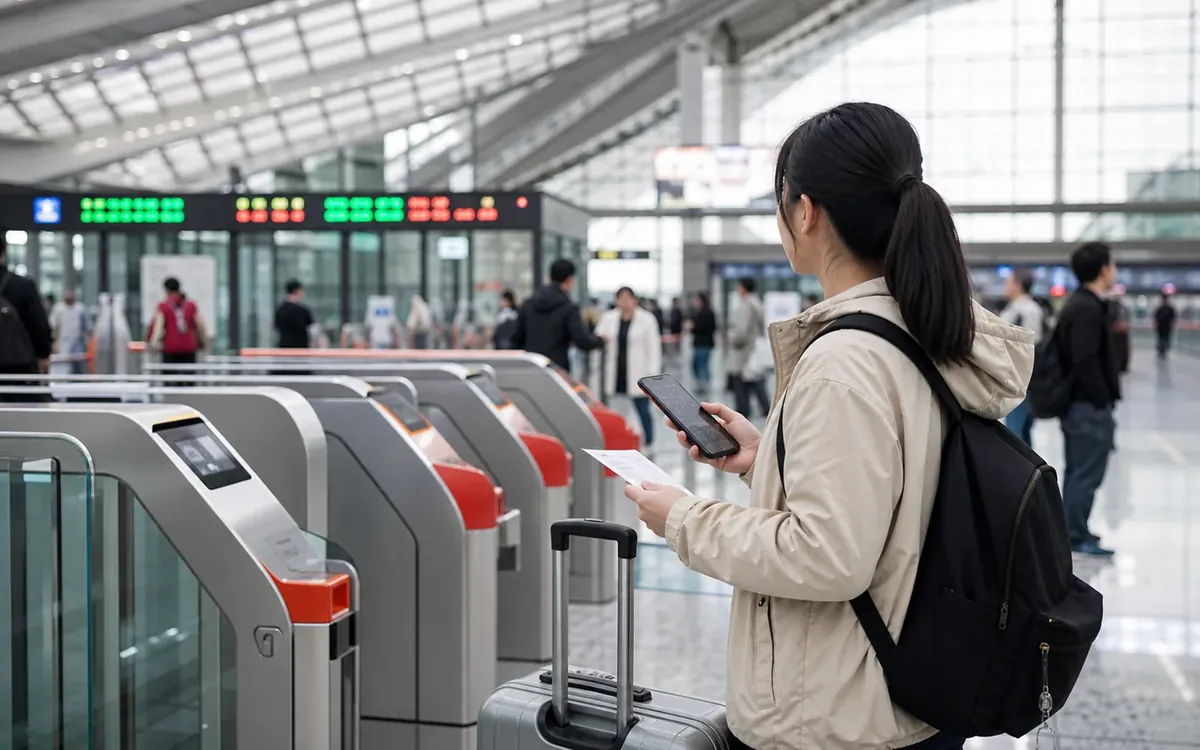
Rail and city transfers
Transport
Rail and city transfers
 Apps
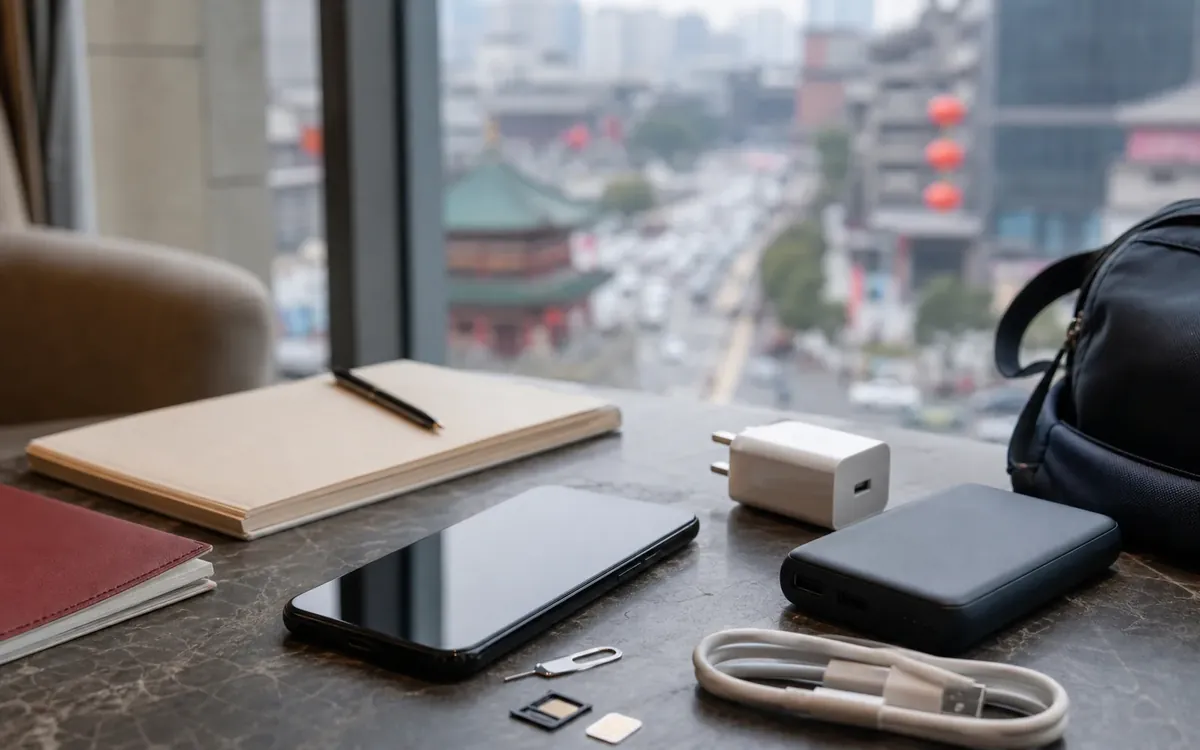
Phone, maps and translation
Apps
Phone, maps and translation
What changed in 2026
Before 2026, PayPal was not a reliable everyday payment method for most visitors in mainland China. You could have a PayPal account and still find that taxis, restaurants, convenience stores, and small merchants expected local QR payment through Alipay or WeChat Pay.
In May 2026, Tencent announced an inbound payment initiative connected to PayPal World. The practical point for travelers is that eligible PayPal users can pay at Weixin Pay merchants by using QR-code flows, with early availability described around U.S.-based PayPal users.
This is important because Weixin Pay merchant QR codes are common in everyday payment situations. It does not mean every PayPal account, every merchant, or every card will work smoothly on day one.
Practical rule: Treat PayPal as a useful new backup layer. Do not arrive in China with PayPal as your only payment method.
Who this helps most
PayPal users
If PayPal is already part of your financial life, the Weixin Pay connection may give you another route for QR-code payments.
Short visitors
Travelers on short trips may benefit from one extra option without building a full local financial setup.
Backup planners
If one China payment app or card fails, an eligible PayPal QR flow may help in some merchant situations.
Why PayPal alone is not enough
A payment brand can be supported in theory and still fail at a real counter. The payment may depend on your account country, linked card, merchant QR type, security review, transaction amount, app version, network quality, and whether the merchant understands the flow.
The safest visitor approach is a layered stack:
- Alipay or WeChat Pay prepared before departure.
- PayPal QR checked if your account is eligible.
- One or two foreign cards available.
- A small amount of RMB cash.
- An ATM or hotel-help plan.
Where PayPal may help
PayPal may help in QR-code situations where a compatible Weixin Pay merchant QR flow is available. Start with a low-pressure, low-value payment instead of testing for the first time in a taxi, hotel deposit, or busy restaurant.
| Scenario | Usefulness | Backup to keep |
|---|---|---|
| Convenience store | Good first test if QR is available. | Alipay, WeChat Pay, or cash. |
| Cafe or small restaurant | Possible, but staff may expect familiar QR flows. | Second app or cash. |
| Taxi | Riskier because payment happens after service. | Cash, ride-hailing app, or hotel help. |
| Hotel | Some hotels prefer cards or deposits. | Foreign card and cash reserve. |
| Train or ticketing | Payment is only one part; ID and booking rules also matter. | Official app, card, or station counter plan. |
What to do before you fly
- Update PayPal and check whether your account shows any China QR payment feature.
- Confirm your linked cards are active and not locked for international use.
- Install Alipay and WeChat before departure.
- Keep your home SIM or bank verification method available for security codes.
- Prepare a mobile data plan for arrival because payment apps need reliable connectivity.
- Save your card issuer's support contact offline.
- Plan to carry or withdraw a small amount of RMB cash.
What to test after arrival
Make your first payment test small. Use a convenience store, bottled water, coffee, or a simple snack purchase near your hotel.
- Turn off airport Wi-Fi and test on mobile data.
- Try your main China payment app first.
- If PayPal QR is available, test it on a small merchant QR purchase.
- Confirm the merchant sees a successful payment.
- Keep cash and a second card ready until you trust the setup.
If PayPal does not work
If PayPal fails at a merchant QR code, do not troubleshoot forever at the counter. Solve the purchase first, then investigate calmly.
- Check whether the feature is actually available in your PayPal app.
- Try mobile data instead of Wi-Fi, or move to a stronger signal.
- Try Alipay or WeChat Pay.
- Try another linked card or payment app.
- Use RMB cash for small urgent purchases.
- Contact your bank if the linked card is blocked.
FAQ
Can foreigners use PayPal in China?
Eligible PayPal users may be able to pay at Weixin Pay merchants in mainland China through QR-code flows. Early reporting focused on U.S.-based PayPal users, so travelers should check their own account and app.
Does PayPal replace Alipay or WeChat Pay?
No. PayPal may be a useful extra route, but Alipay and WeChat Pay remain central everyday payment tools in China.
Can I use PayPal for taxis?
Do not rely on PayPal alone for taxis. Taxi payment is stressful if a method fails after the ride. Keep cash, a ride-hailing app, or hotel help available.
Should I carry cash?
Yes. Carry a small RMB cash reserve for urgent purchases, transport backup, and situations where apps or cards fail.