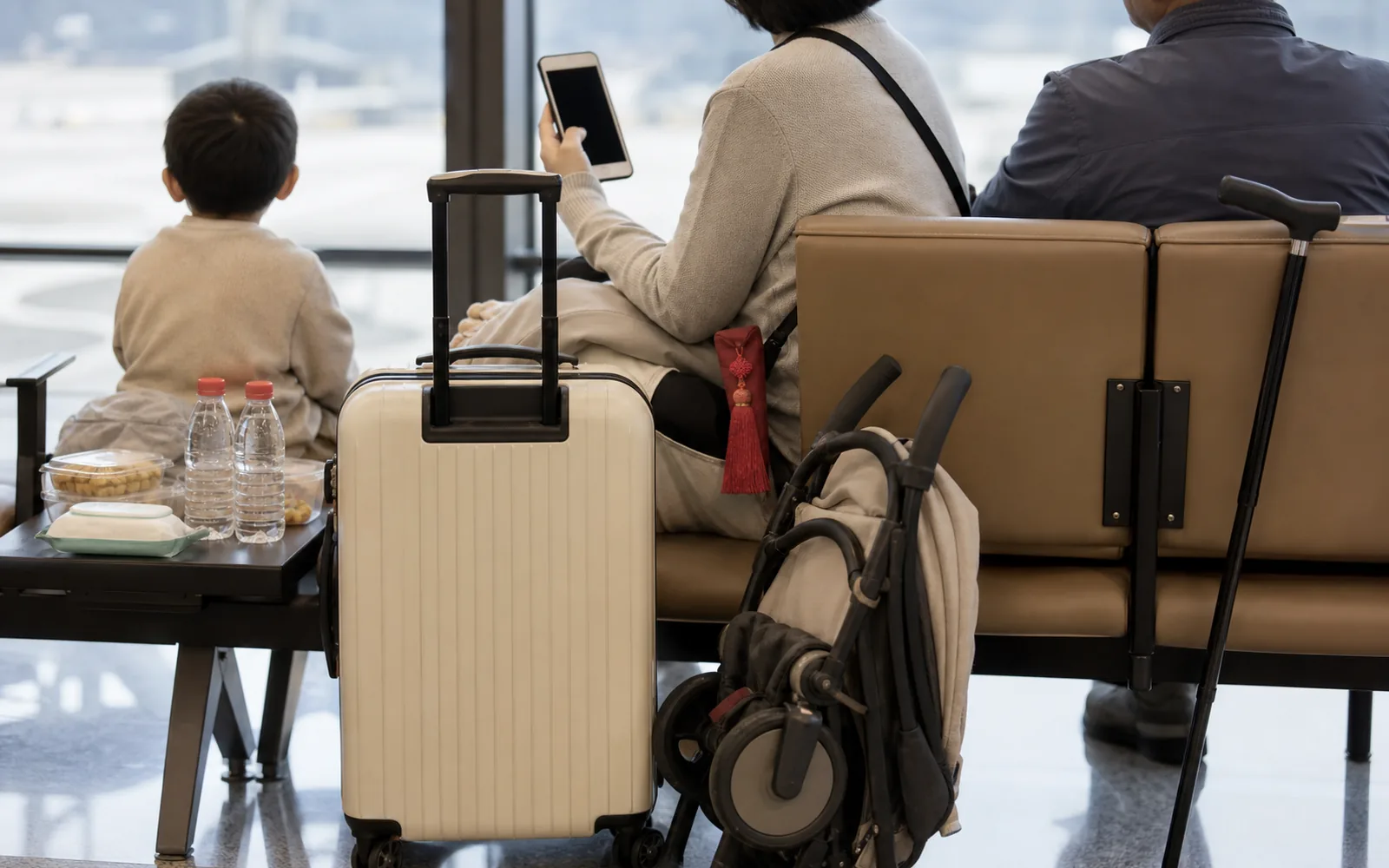
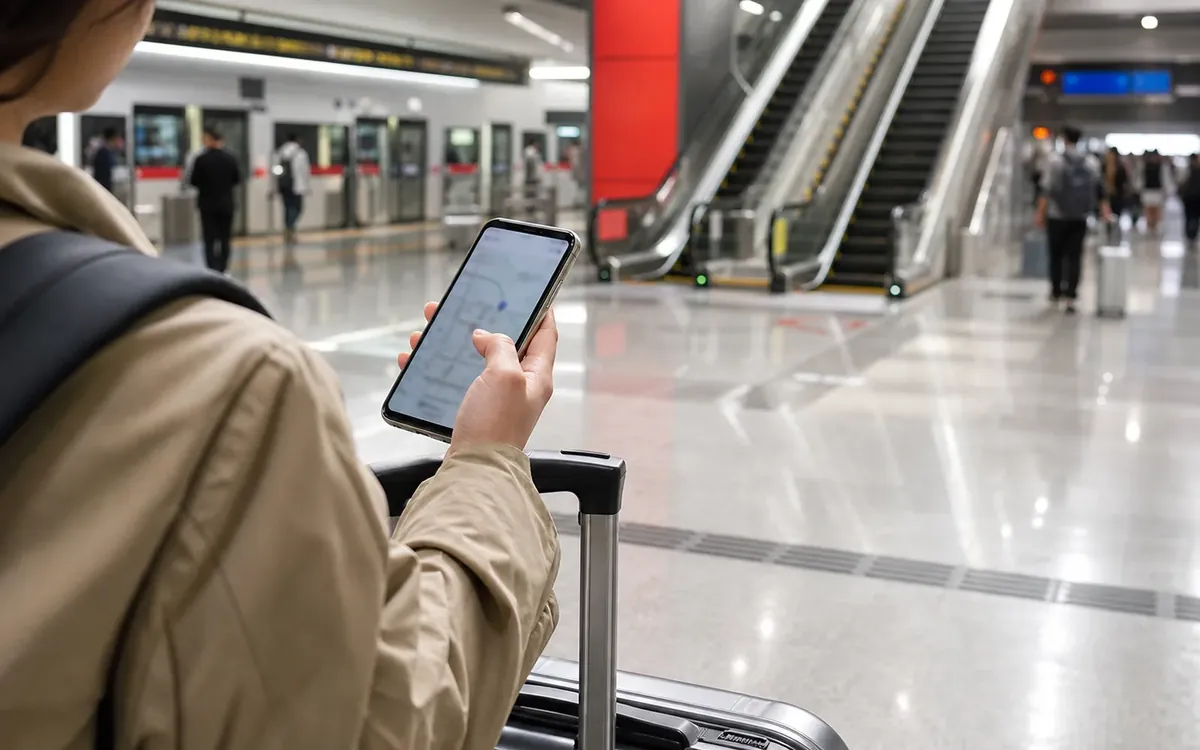


Verify hotel access directly, check elevator routes, reduce transfers, use taxis where stations are difficult, and build slower days around rest and bathroom access.
Support choice under pressure
Use the checkpoints below to turn this page into a working China plan.
Safer plan
- Confirm the practical step before depending on it.
- Keep a backup path for phone, payment and address.
- Save the key Chinese names and screenshots.
Risky plan
- Assume everything works like at home.
- Wait until the counter to solve setup issues.
- Travel without offline notes.
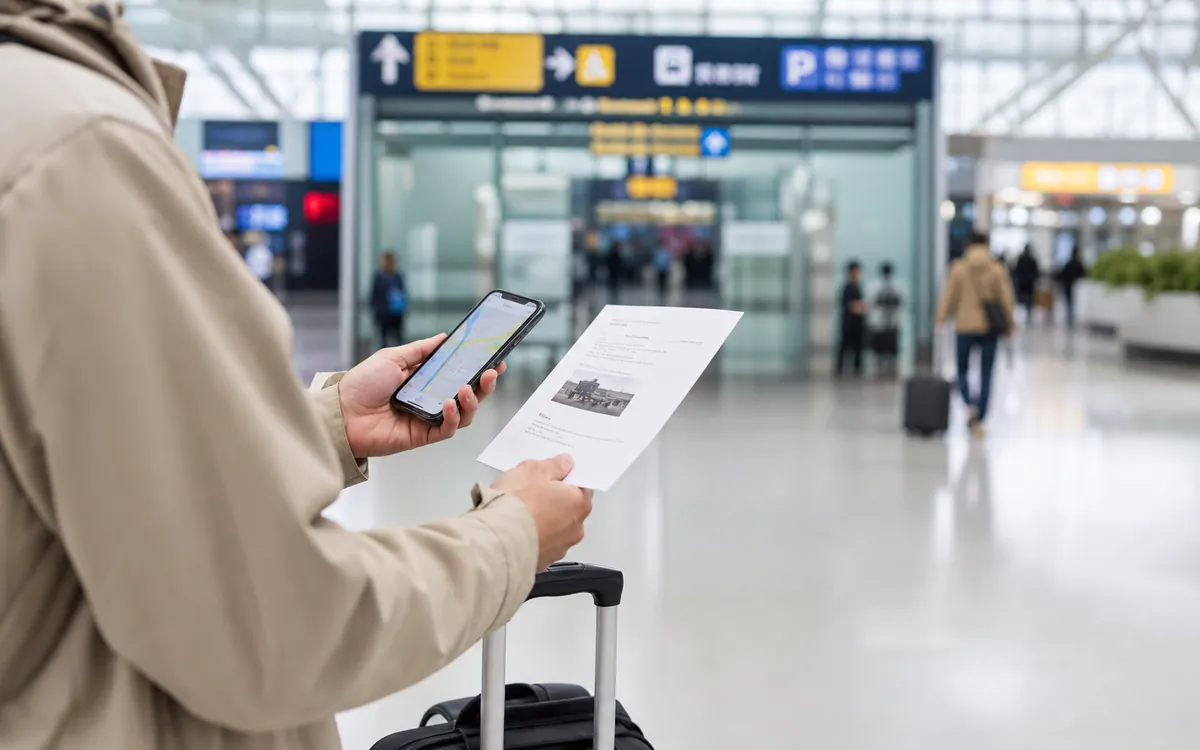 Prepare
Set up the part that is hard to fix under pressure.
Prepare
Set up the part that is hard to fix under pressure.
Do this before a station queue, front desk, restaurant rush, supplier visit or late-night transfer narrows your choices.
 Recover
Keep a calm fallback that a local person can understand.
Recover
Keep a calm fallback that a local person can understand.
The best backup is simple enough to show: an address, receipt, passport page, route, contact or translated sentence.
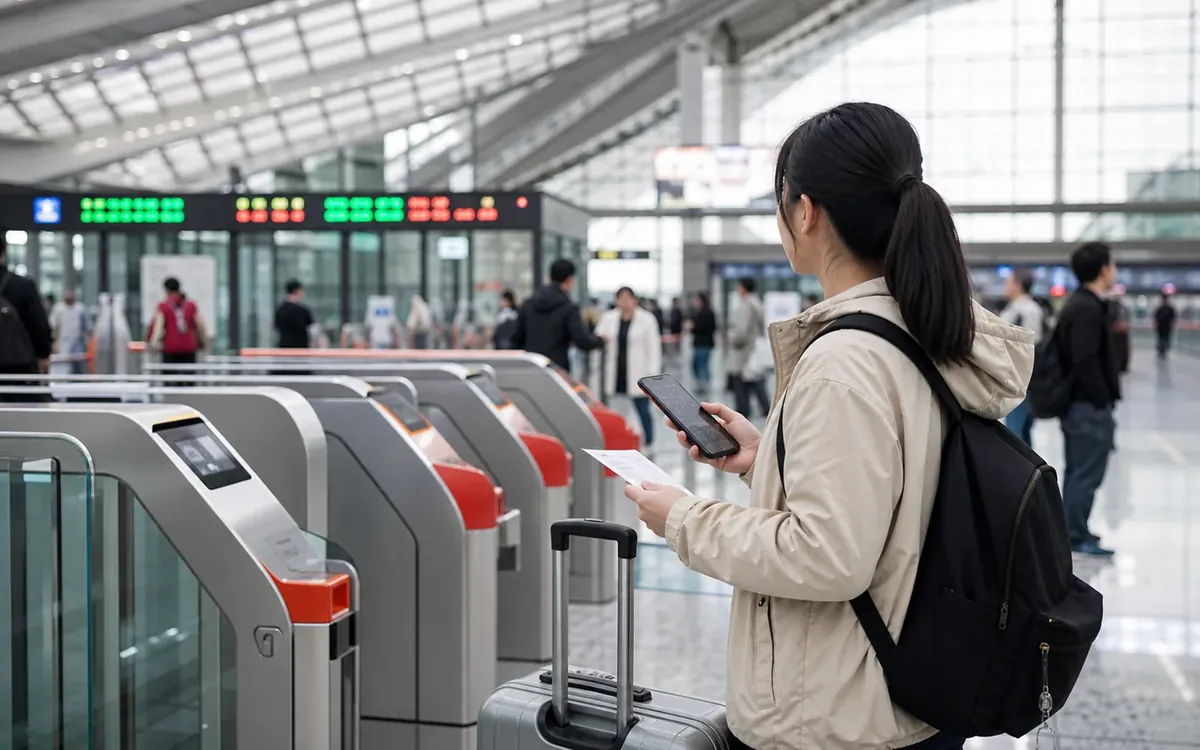
Rail and city transfers
High-speed rail, station names, security checks and realistic transfer buffers.
 Payments
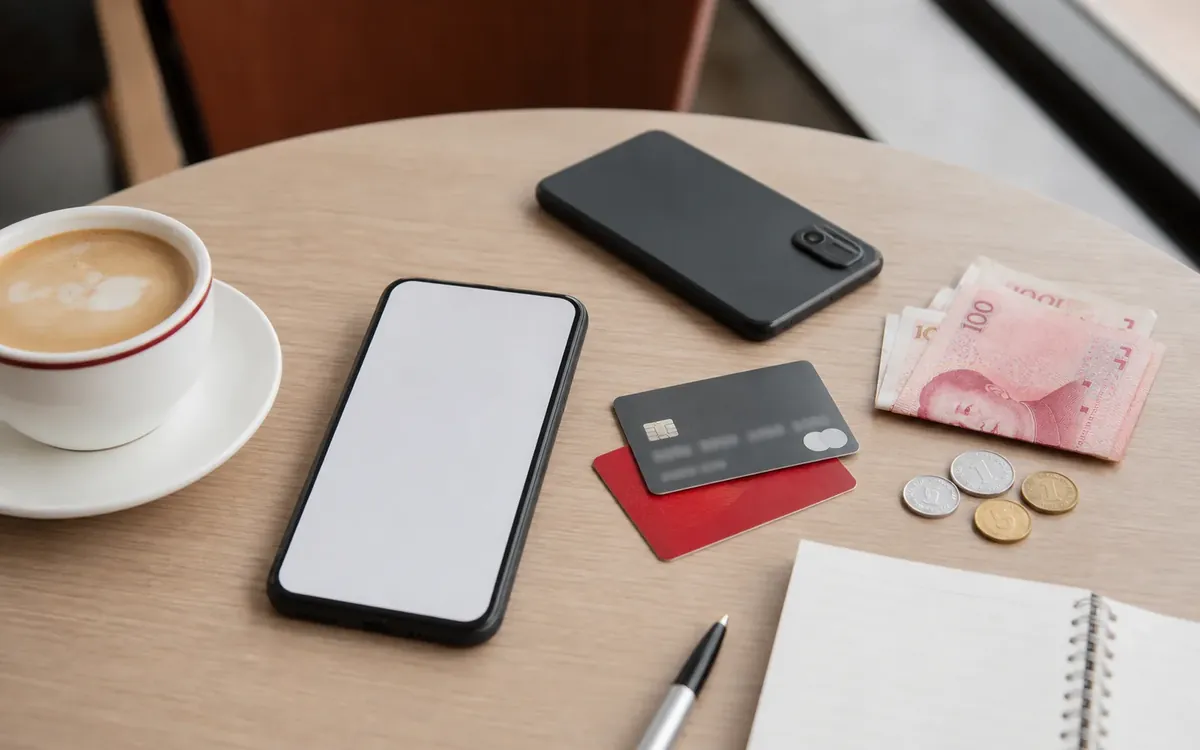
Contacts, evidence and escalation
Payments
Contacts, evidence and escalation
 Entry
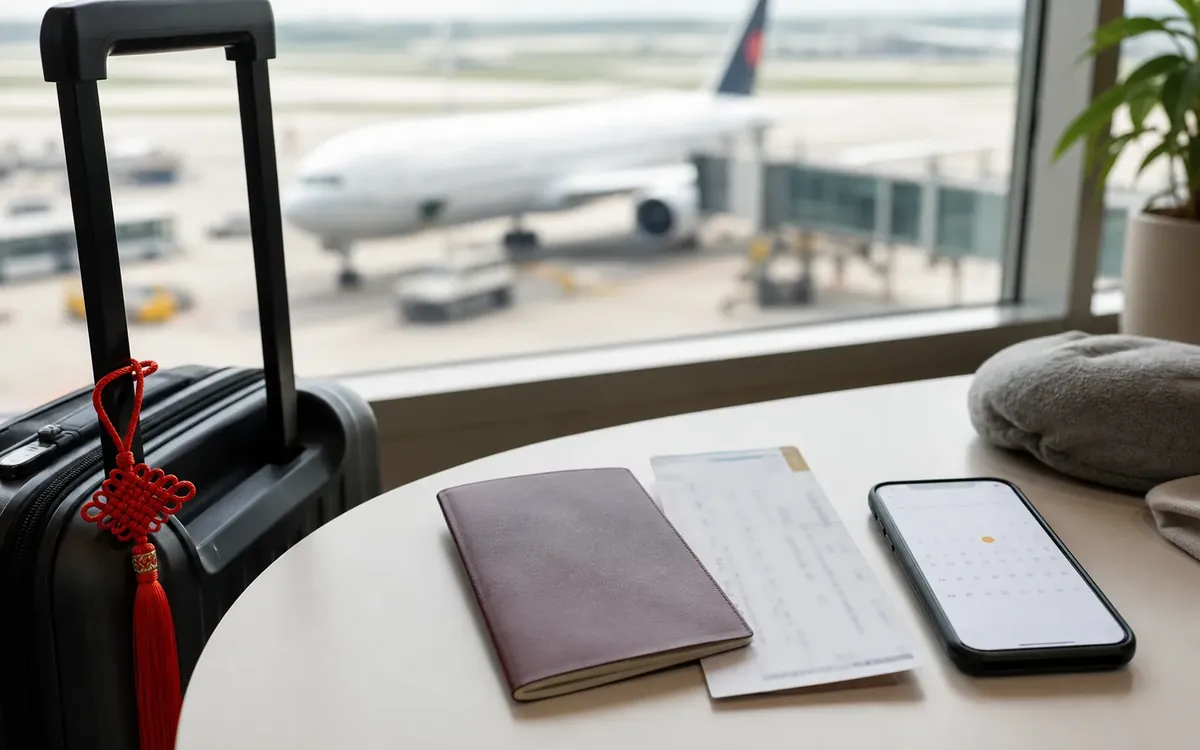
Entry rules before booking
Entry
Entry rules before booking
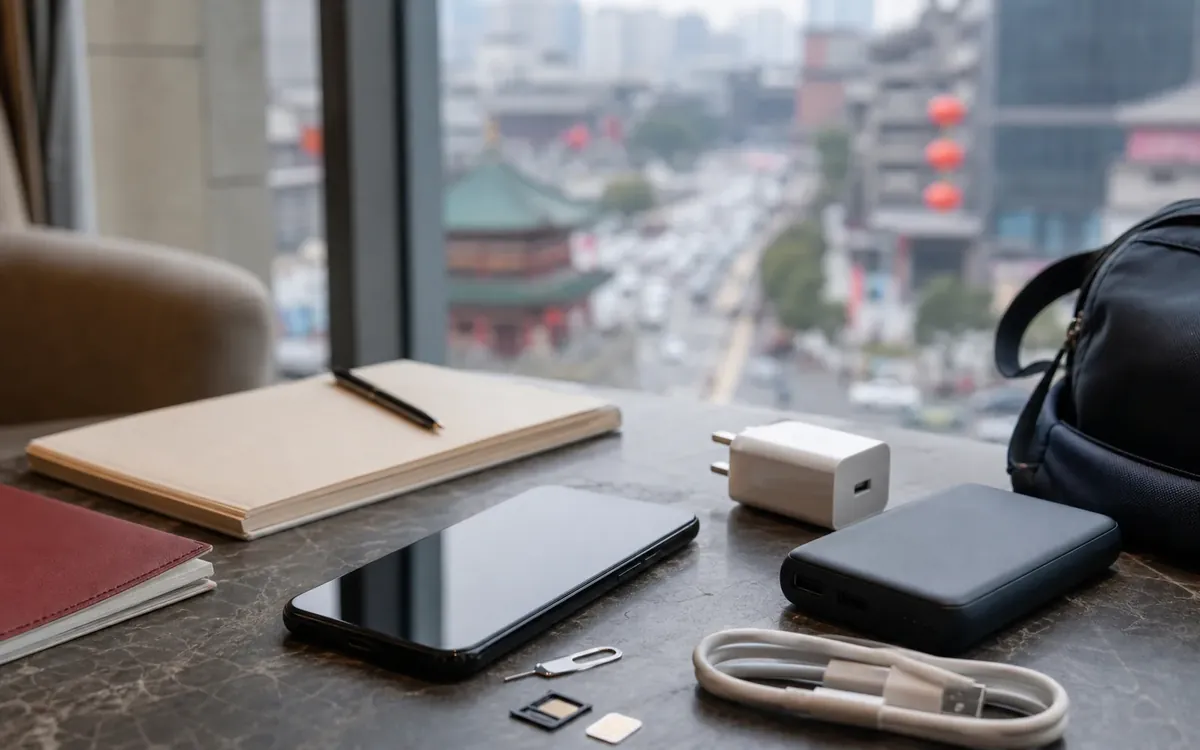 Apps
Phone, maps and translation
Apps
Phone, maps and translation
Verify directly
Verify directly is a practical control point for this topic. Check it early so it does not become a problem under pressure.
Reduce transfers
Reduce transfers is a practical control point for this topic. Check it early so it does not become a problem under pressure.
Plan rest stops
Plan rest stops is a practical control point for this topic. Check it early so it does not become a problem under pressure.
Hotel access
Do not rely only on a booking filter. Ask about step-free entrance, elevator size, bathroom layout, room floor, and distance from drop-off point. International chains may be more predictable but still need checking.
Metro and stations
Many metro stations have elevators, but they may be hard to find or not convenient for every exit. High-speed rail stations can be large, so arrive early and ask staff for assistance when needed.
Attractions
Historic sites, mountains, old towns, gardens, and temples can have stairs, uneven stone, crowds, or limited accessible routes. Research the specific attraction rather than assuming all major sites are accessible.
Transport choices
Taxis and ride-hailing can reduce walking but require clear pickup points and accessible vehicle needs. Hotel staff can help communicate requirements to drivers.
Pacing
Build shorter sightseeing blocks, reliable rest stops, and restroom plans. A slower route is not a weaker route; it is the route that actually works.
Mobility planning note
Accessibility planning in China depends heavily on the exact station, entrance, hotel building and time of day. Do not rely only on the route line in a map app. Save elevator entrance names, call the hotel before arrival, avoid transfers with very short buffers, and keep a taxi fallback for stations where ramps, crowds or stairs make the planned route unrealistic. When asking for help, show the destination in Chinese and describe the practical need, not just the disability label.
Accessibility and Mobility Travel in China checklist
- Ask hotels about step-free access
- Check station elevator routes
- Reduce transfers
- Plan restroom stops
- Use hotel help for drivers
Mistakes to avoid with Accessibility and Mobility Travel in China
- Trusting generic accessibility labels
- Booking old-town lodging without checking stairs
- Planning too many transfers
- Ignoring restroom access
- Leaving no rest time
When Accessibility and Mobility Travel in China needs local help
Ask hotel staff, medical staff, police or venue security, your insurer, school, employer, embassy or a trusted local contact early. A Chinese address, photo, receipt or short translated sentence makes help easier.