
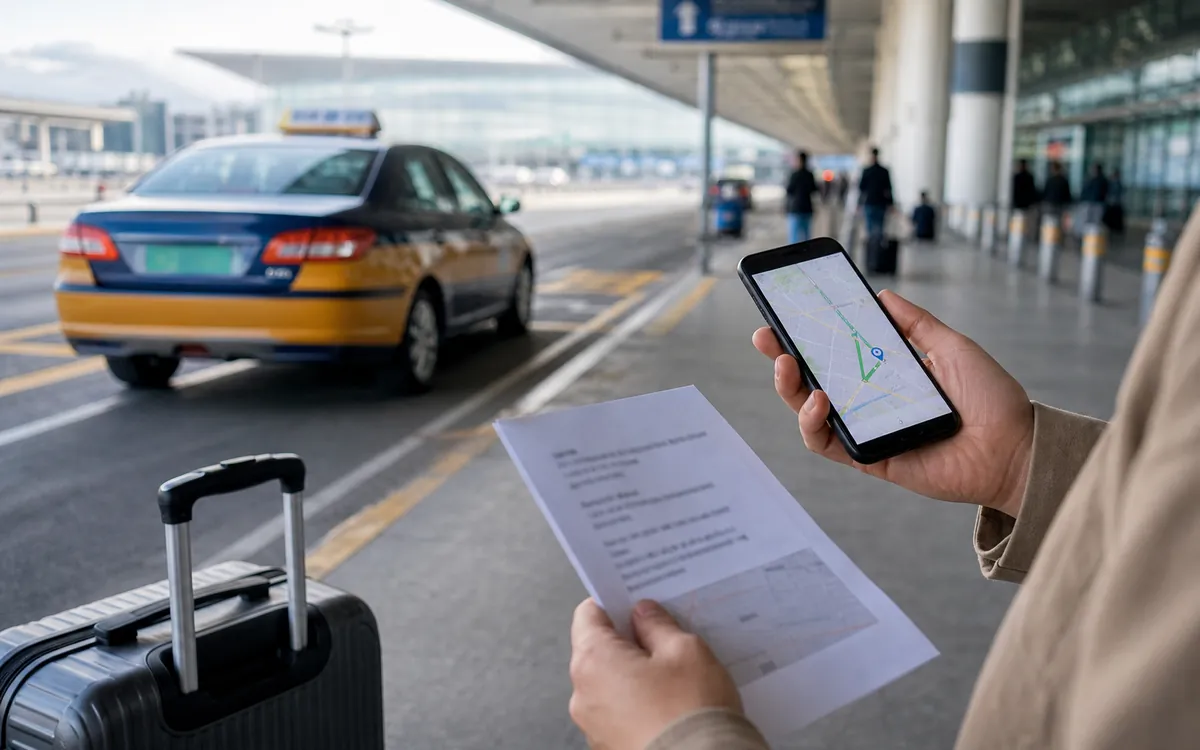

Start by choosing the right pathway: regular visa, 30-day visa-free entry, mutual visa exemption, 240-hour transit visa-free entry, 24-hour direct transit, or a work/study/residence route.
Decision layer
Entry rules start with the route, not the nationality list.
Most mistakes happen when travelers ask only whether their passport is visa-free. The safer question is whether this exact passport, purpose, airport, ticket sequence and stay length can pass airline check-in and border inspection on the same interpretation.
Write the trip as previous country or region -> mainland China -> next country or region. Transit policies often depend on the whole chain, not only the Chinese city.
Tourism, business meetings, paid work, study, journalism and family visits can trigger different document expectations even when the stay is short.
The airline is the first gate. If staff cannot confirm the rule, you may be stopped before reaching Chinese immigration.
Check before paying
- Passport type and expiry
- Entry port and city sequence
- Onward ticket and hotel proof
Red flags
- Separate tickets or self-transfer
- Border-city side trips
- Work-like activity on a visitor route
Practical caution: policy pages, airline systems and local port practice can move at different speeds. Treat this guide as a planning framework, then verify the official source for the final route.
Visa and entry rules: what changes the decision
Before you book
- Match passport, purpose, route and stay length.
- Check whether your rule is visa-free, transit, or visa-required.
- Keep onward tickets, hotel address and document scans ready.
Before you fly
- Verify the latest official rule close to departure.
- Make sure airline check-in accepts your route logic.
- Avoid non-refundable plans until the entry path is clear.
Entry decision guide
Match passport, route, purpose, stay length and port before booking anything difficult to change.
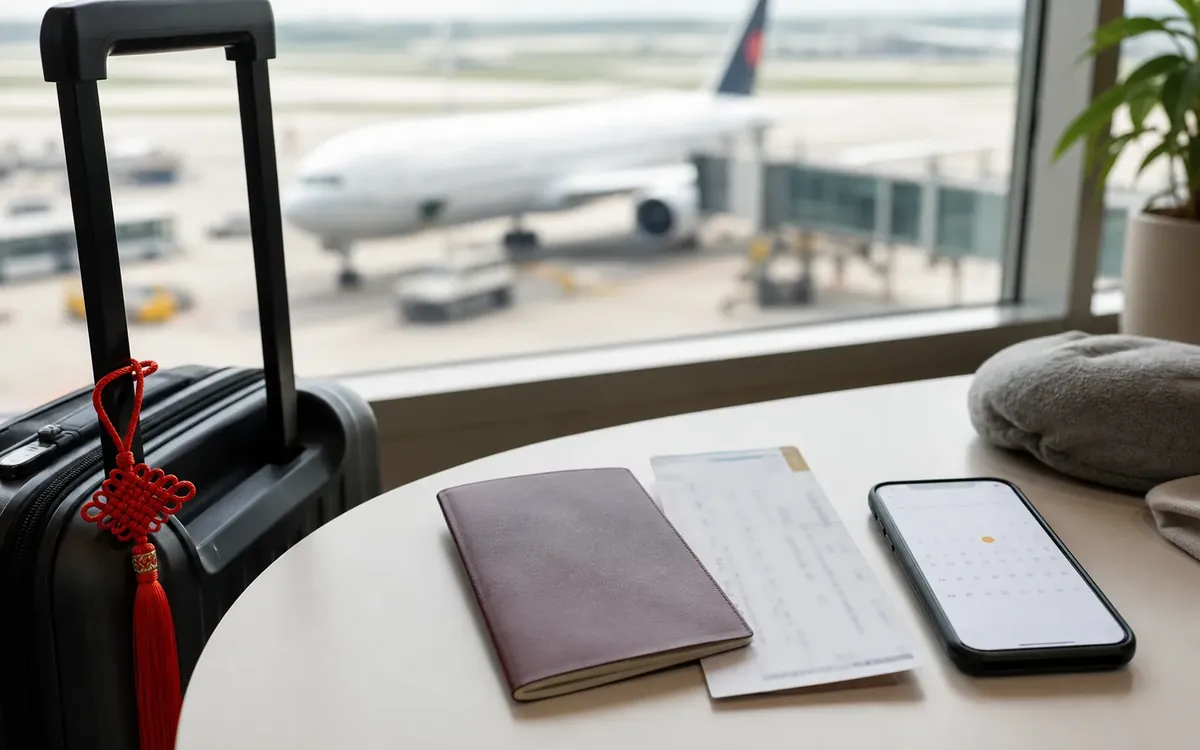
Safer route
- Verify eligibility against official sources.
- Keep onward tickets and hotel details offline.
- Check airline acceptance before travel day.
Risky route
- Mix transit and destination rules.
- Rely on old screenshots or social posts.
- Book non-refundable plans before confirming entry logic.
 One thing to confirm
Confirm the item that would stop the day if it failed.
One thing to confirm
Confirm the item that would stop the day if it failed.
For this topic, that usually means checking the exact rule, app status, address, document or receipt before the busy part starts.
 One thing to save
Keep evidence that can be shown without mobile data.
One thing to save
Keep evidence that can be shown without mobile data.
Screenshots, Chinese names, booking records and offline notes make documents, identity checks and official counters easier to explain.
Entry rules before booking
Visa-free eligibility, transit timing, passport checks and border documents.
 Payments
Passport, route and official wording
Payments
Passport, route and official wording
 Transport
Rail and city transfers
Transport
Rail and city transfers
 Apps
Phone, maps and translation
Apps
Phone, maps and translation
How to use Visa and entry rules
Entry rules change by nationality, port, route, and date. X-China summarizes the practical decision path, but readers should confirm the final rule with official immigration or consular sources before booking.
Important: This page is a planning guide, not an immigration decision. Final decisions can depend on official rules, airlines, border officers, your documents, your exact route, and local implementation at the time of travel.
Choose the right pathway first
Most mistakes happen when travelers read a headline and apply it to the wrong trip. A visa-free destination visit is different from a transit visa-free route. A business meeting is different from paid work. A 30-day policy is different from a residence stay.
Destination visit
You are entering mainland China as the main destination. Check visa-free eligibility or apply for the right visa.
Transit route
You are passing through mainland China on the way to a third country or region. Check 240-hour or 24-hour transit rules.
Longer stay
Work, study, residence, family, and long stays usually need a proper visa, permit, or residence document.
30-day visa-free entry
China's unilateral visa-free policy currently allows ordinary passport holders from listed countries to enter mainland China without a visa for up to 30 days for permitted purposes such as business, tourism, family or friends visits, exchange visits, and transit.
According to the Ministry of Foreign Affairs FAQ available when this page was checked, the unilateral visa-free list includes 50 countries. The same FAQ says Brunei's ordinary-passport policy has no stated end date, Russia's policy is effective until September 14, 2026, and the other 48 countries are effective until December 31, 2026.
- It applies to ordinary passports, not every travel document type.
- The stay is up to 30 days, counted according to official rules.
- Allowed purposes are limited. Paid work and long-term study are not visitor purposes.
- Eligibility can change, so verify your country on an official MFA, embassy, consulate, or NIA page before departure.
240-hour transit visa-free entry
China's transit visa-free policy allows eligible travelers to enter through approved ports and stay within permitted areas for up to 240 hours, or 10 days, when transiting to a third country or region. Current official reporting from the National Immigration Administration describes 55 eligible countries, 60 ports, and 24 provincial-level regions.
The key word is transit. A simple round trip such as Country A - China - Country A is not the same as a transit route. You generally need a valid international travel document and a confirmed onward ticket to a third country or region within the permitted time.
Route
Your arrival and onward destination must form a valid third-country or region transit route.
Port
You must use an approved entry or exit port and follow the permitted stay area.
Ticket
Carry a confirmed onward ticket and keep offline copies for airline check-in and border inspection.
When you still need a visa
You may still need a visa if your passport is not eligible for a visa-free policy, your stay is too long, your purpose is not covered, your route does not qualify for transit visa-free entry, or your document type is not ordinary-passport eligible.
Common visa-sensitive situations include paid employment, long-term study, journalism, residence, internships, long family stays, repeated business activity, or entering for a purpose that does not match a visitor policy.
Documents to prepare
- Passport valid for your intended travel period, with blank pages if a visa is needed.
- Visa, residence document, or official proof that your route qualifies for visa-free entry.
- Return or onward ticket, especially for transit visa-free routes.
- Hotel booking, invitation, or host address in China.
- Offline copies of official policy pages relevant to your passport and route.
- Travel insurance, emergency contacts, and payment backup.
Airline check-in can be the first gate
Your first practical document check may happen before you reach China. Airlines can deny boarding if they are not satisfied with your visa, visa-free eligibility, onward ticket, passport validity, or route. Keep policy proof and ticket details available offline, not only in a live browser tab.
At arrival
Have your documents ready before the immigration counter. If you are using a visa-free or transit visa-free policy, be prepared to explain your route, stay length, hotel, and departure plan clearly. If your route is unusual, expect more checking.
- Use the immigration channel or counter indicated at the port.
- Keep your onward ticket and hotel details easy to show.
- Stay inside the permitted region if using transit visa-free entry.
- Do not work, study, or overstay under a visitor pathway.
Hong Kong, Macao, and Taiwan routing
Mainland China entry rules are separate from Hong Kong, Macao, and Taiwan entry arrangements. A route involving Hong Kong or Macao may matter for transit logic, but you must verify the exact route, ticketing, and border interpretation before relying on it.
Mistakes to avoid with Visa and entry rules
- Confusing 30-day visa-free destination entry with 240-hour transit visa-free entry.
- Assuming "visa-free" applies to every passport type from an eligible country.
- Booking a route before confirming the entry port, exit port, and permitted stay area.
- Trying to use a visitor policy for paid work, long-term study, or residence.
- Forgetting that airline check-in can be stricter than expected.
- Relying on screenshots or social media instead of official pages.
Practical pre-booking checklist
- Confirm passport country and passport type.
- Confirm purpose: tourism, business visit, family/friend visit, exchange, transit, work, study, or residence.
- Confirm stay length and exact dates.
- Confirm route: arrival city, exit city, onward country or region, and ticket timing.
- Check official MFA, NIA, embassy, consulate, or State Council source.
- Save offline copies before paying for flights and hotels.
Official sources
- Ministry of Foreign Affairs: FAQs on Visa-free Entry into China
- National Immigration Administration: China's visa-free transit policy fully relaxed and optimized
- State Council/Xinhua: China visa-free access and 240-hour transit update
- Ministry of Foreign Affairs of China
- National Immigration Administration of China