Entry route
Check whether you enter visa-free, with a visa, or through a transit route. This affects flight choice and city order.
Visa and entry rulesPlan a trip
Start with the route, then solve entry rules, payments, phone data, transport and the first night. This page turns a large country into a sequence of practical decisions.

Start here
Check whether you enter visa-free, with a visa, or through a transit route. This affects flight choice and city order.
Visa and entry rulesPrepare Alipay or WeChat Pay, a backup card and a small cash plan before arrival pressure starts.
Payment guideChoose a soft landing city with airport access, metro coverage, hotel density and easy food options.
Choosing your first cityUse high-speed rail for dense corridors and flights only when distances or geography justify the airport overhead.
Train vs flight decisionRoutes

History first, rail middle, international departure at the end.

Low-friction first China loop with short rides and strong hotel choice.
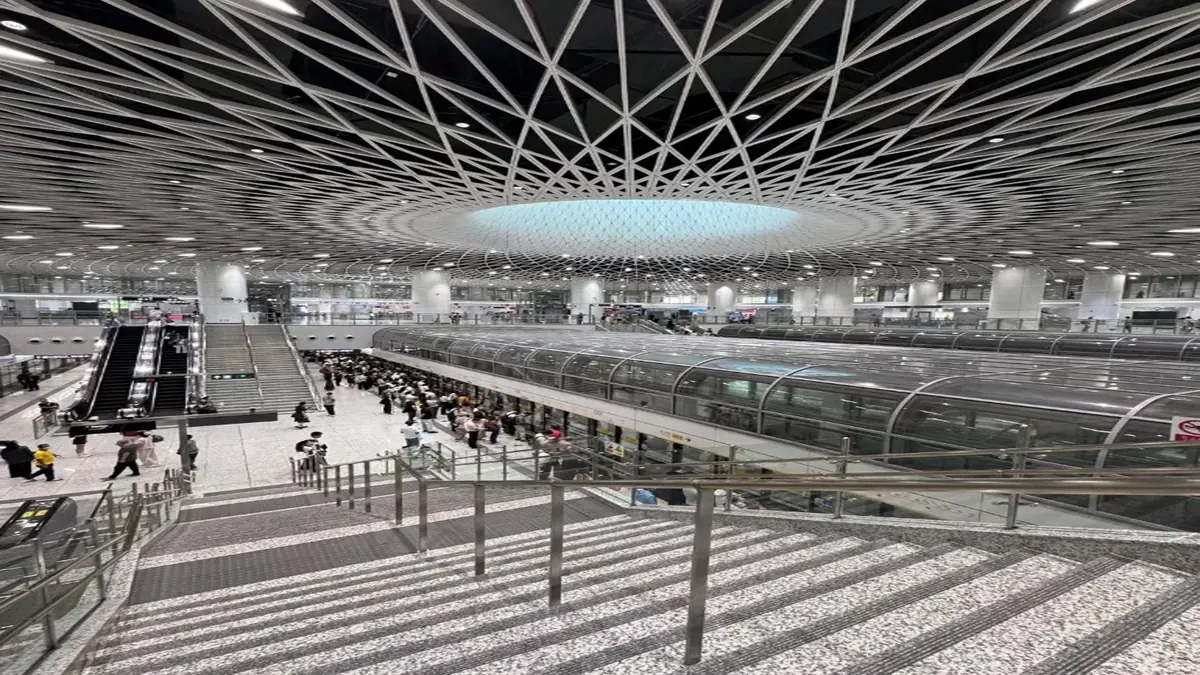
Best for trade shows, factories, cross-border planning and fast metro systems.
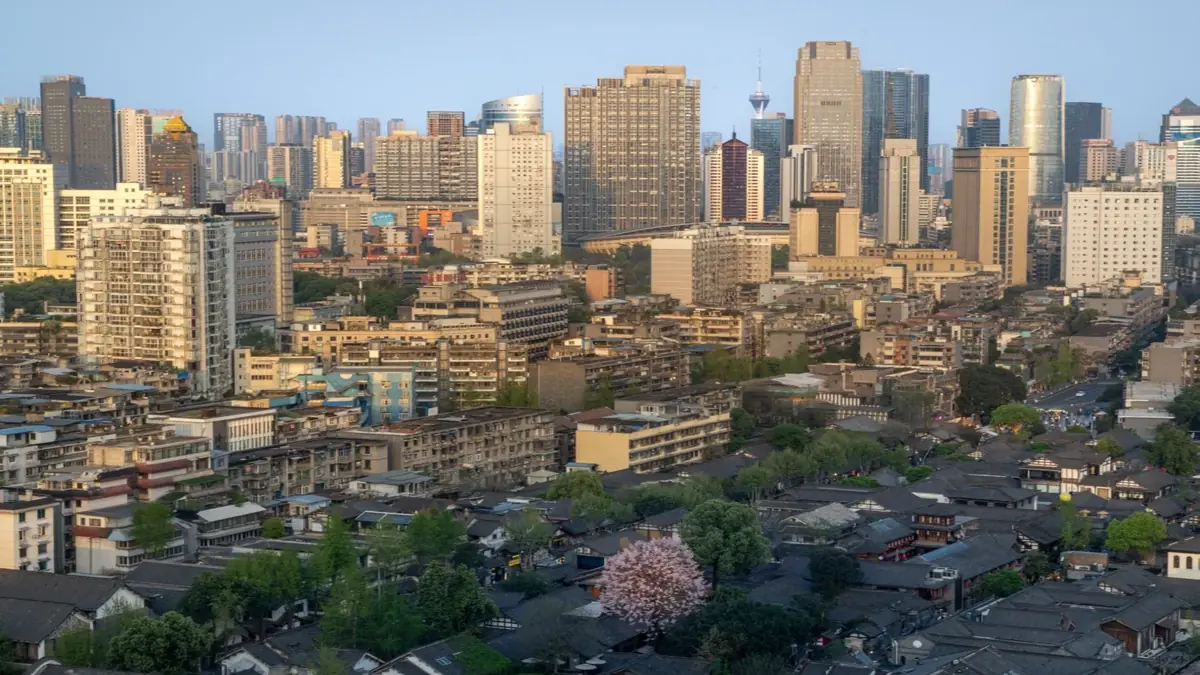
A slower, richer route for food, river cities and inland rail connections.

Good when scenery matters more than a pure city-and-museum itinerary.

Use winter as the hook, then recover with easier national transport hubs.
Before departure
Confirm visa or visa-free eligibility, passport validity, first city and departure city.
Install map, translation and payment apps. Set up one primary payment method and one backup.
Save hotel address in Chinese, check train station names and decide airport transfer method.
Do not over-plan. Get connected, reach the hotel, test payment and eat nearby.
Tools
Before booking nonrefundable transport, pressure-test the route with three questions. What happens if the arrival is two hours late? What payment or document proof is needed at the first hotel or station? Which day has the most fragile handoff between airport, rail, taxi, hotel, meeting, or family needs?
A strong China itinerary has one demanding move per day. If the morning is a border crossing, the afternoon should not depend on a tight museum slot. If the evening arrival is late, the hotel district and Chinese address matter more than the room view. This planning pass often removes one city, one late transfer, or one avoidable hotel change.
After choosing a route, convert it into checkpoints. Each city move should have a Chinese hotel address, station or airport name, payment plan, arrival time, and fallback if delayed. Each sightseeing day should have a nearby meal, return route, and enough battery for translation and maps.
This checkpoint approach makes the plan easier to audit. If a day has no clear return path or depends on one fragile payment method, fix that before adding another attraction. A practical China plan gets stronger by removing vague moments.
Simplify the plan when two hard systems collide on the same day. Examples include a late international arrival plus a same-night rail transfer, a border crossing plus a hotel change, a factory visit plus a long-distance train, or a family sightseeing day after a poor night of sleep.
Removing one activity can make the remaining trip stronger. China planning often improves when the schedule has fewer fragile handoffs and more clear recovery points.
Before paying, read the itinerary aloud as a sequence of actions rather than city names: land, connect phone, pay, reach hotel, sleep, reach station, board train, reach next hotel. Any step that sounds vague should be clarified before booking.
This simple review catches weak links that maps and attraction lists miss. It also makes the trip easier to explain to family, colleagues, hotel staff, or a travel companion if something changes.
Planning path
Most China trips fail in small systems, not in sightseeing choices. Pick the trip pattern first, then use the right entry, payment, transport and first-night checks.
Use the first 72 hours to keep pressure low: arrive, get connected, reach the hotel, test payment and confirm the first train or metro move.
Separate meeting days from transfer days, keep passport copies ready for hotels and venues, and build a backup route between airports, stations and factories.
Choose fewer bases, put recovery time after arrival, and confirm hotel districts before booking nonrefundable transport.
Plan phone, payments, address formats, receipts and document storage as daily systems instead of one-time arrival tasks.
Confirm entry route, passport validity, first city, final exit city and whether your hotel district fits the trip purpose.
Save Chinese addresses, station names, payment backups, offline documents and the first-night transport plan.