
Use metro for predictable city movement, check the exact exit, avoid rush hour with luggage, keep payment backup ready, and use taxis or ride-hailing when the last kilometer is awkward.
Transport decision guide
Choose the transport mode by city distance, luggage, time pressure and payment confidence.
Safer movement
- Save station names in Chinese.
- Leave time for security and transfers.
- Keep a taxi or metro fallback.
Risky movement
- Assume English names match every sign.
- Book tight transfers with luggage.
- Rely on one app without payment backup.
 Before leaving
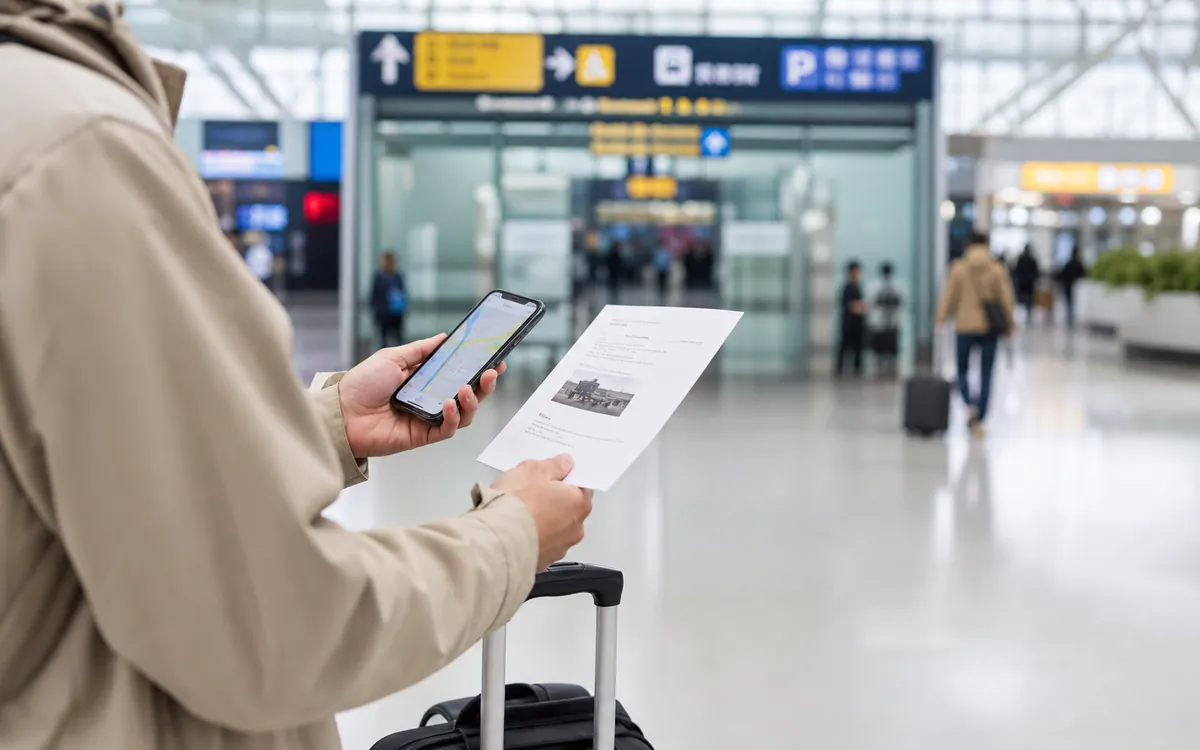
Prepare the proof, address or app screen first.
Before leaving
Prepare the proof, address or app screen first.
The useful preparation is specific: one Chinese address, one saved record, one backup route and one person who can help if routes, transfer buffers and station details stall.
 At the counter
Compare the answer you receive with the Metro, Buses, and City Transport in China checklist.
At the counter
Compare the answer you receive with the Metro, Buses, and City Transport in China checklist.
If the local process differs, follow the official instruction and keep a record of the name, time and location.
Stations, exits and backup routes
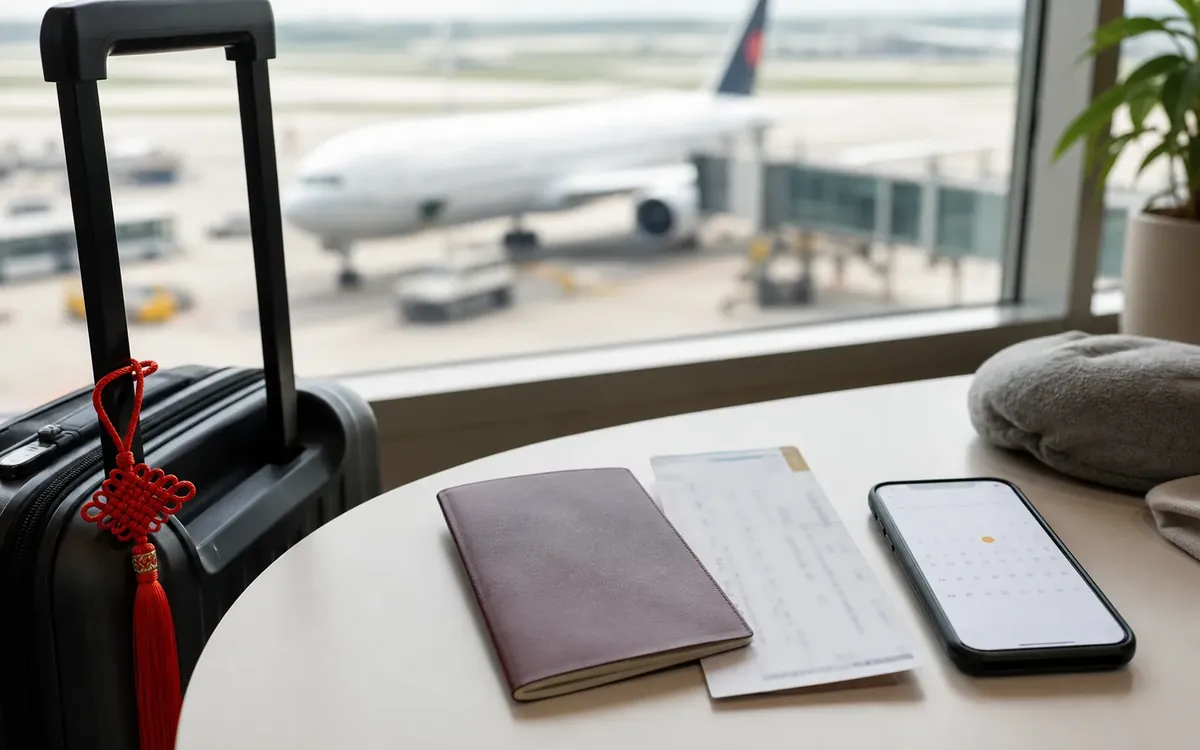
Check the Chinese station name, terminal, luggage route, security check and the fallback ride before a timed connection.
 Entry
Entry rules before booking
Entry
Entry rules before booking
 Transport
Rail and city transfers
Transport
Rail and city transfers
 Apps
Phone, maps and translation
Apps
Phone, maps and translation
Station exits matter
Station exits matter is a practical control point for this topic. Check it early so it does not become a problem under pressure.
Rush hour changes everything
Rush hour changes everything is a practical control point for this topic. Check it early so it does not become a problem under pressure.
Metro beats traffic
Metro beats traffic is a practical control point for this topic. Check it early so it does not become a problem under pressure.
Why metro works well
Metro systems in major Chinese cities are usually clean, frequent, affordable, and easier than negotiating traffic. They are especially useful for airports, rail stations, business districts, and major attractions.
The exit problem
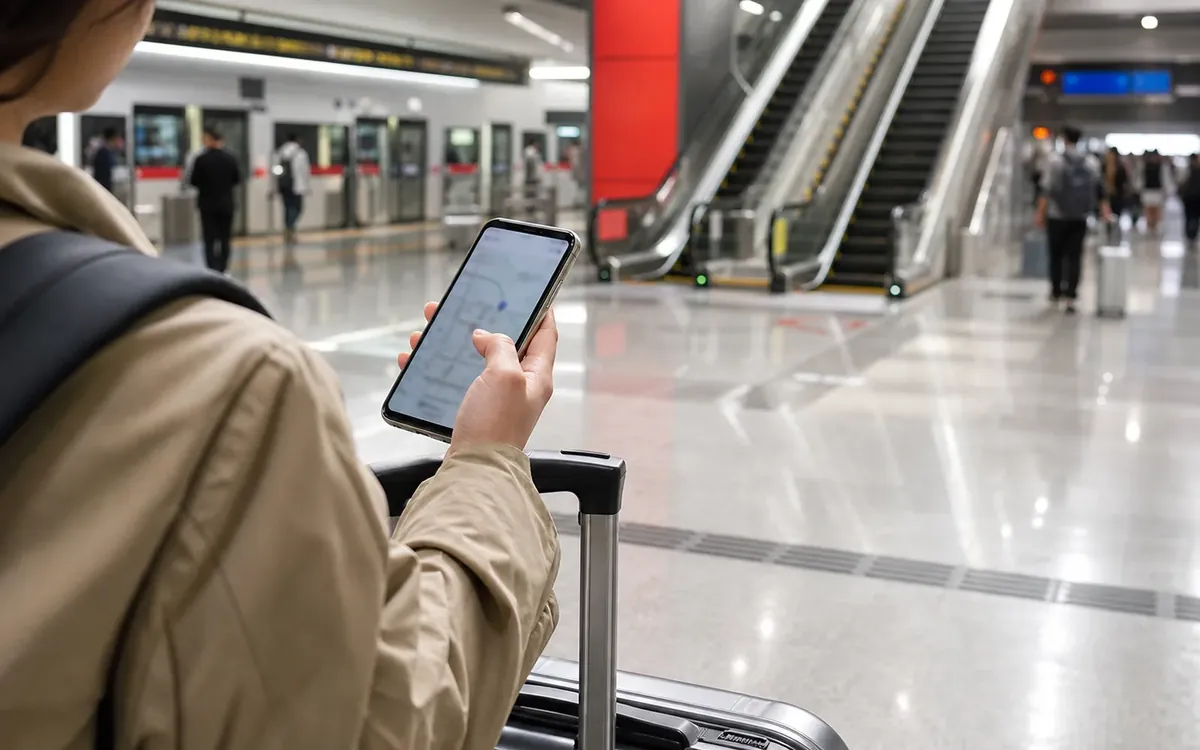
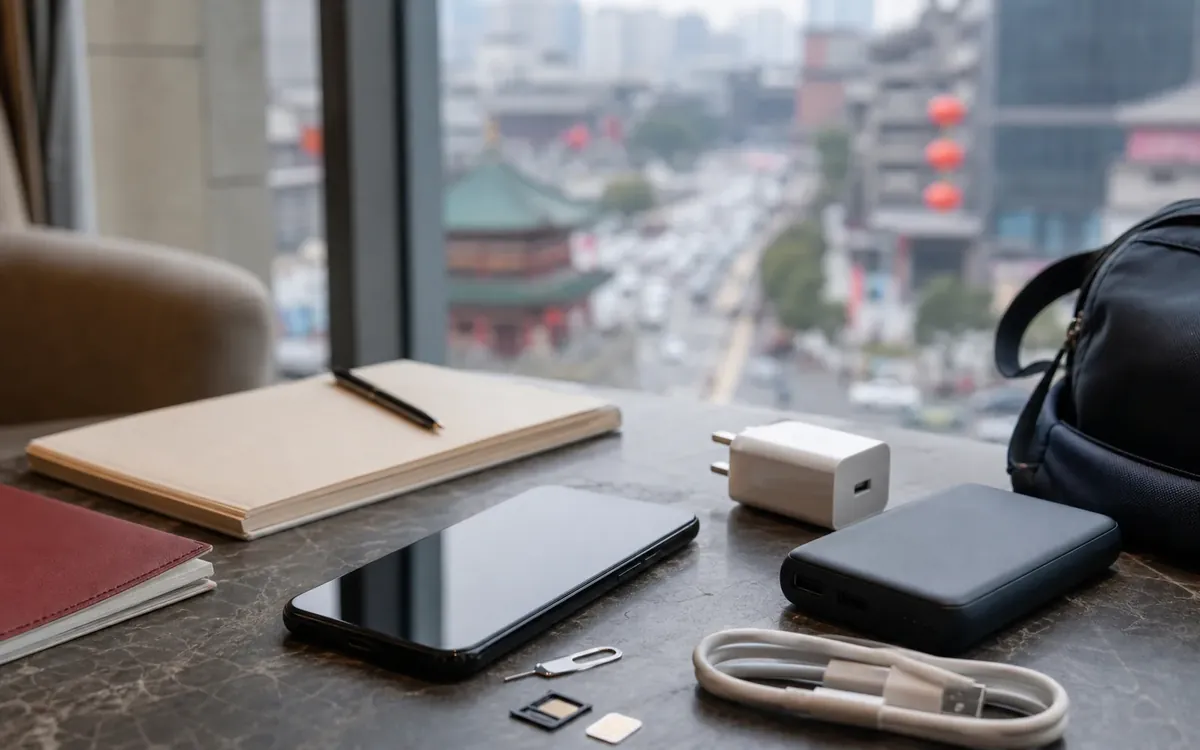
A single metro station can have many exits. The wrong exit may put you across a major road, behind a mall, or ten minutes from the destination. Use a map app to identify the exit letter before leaving the platform area.
Security and luggage
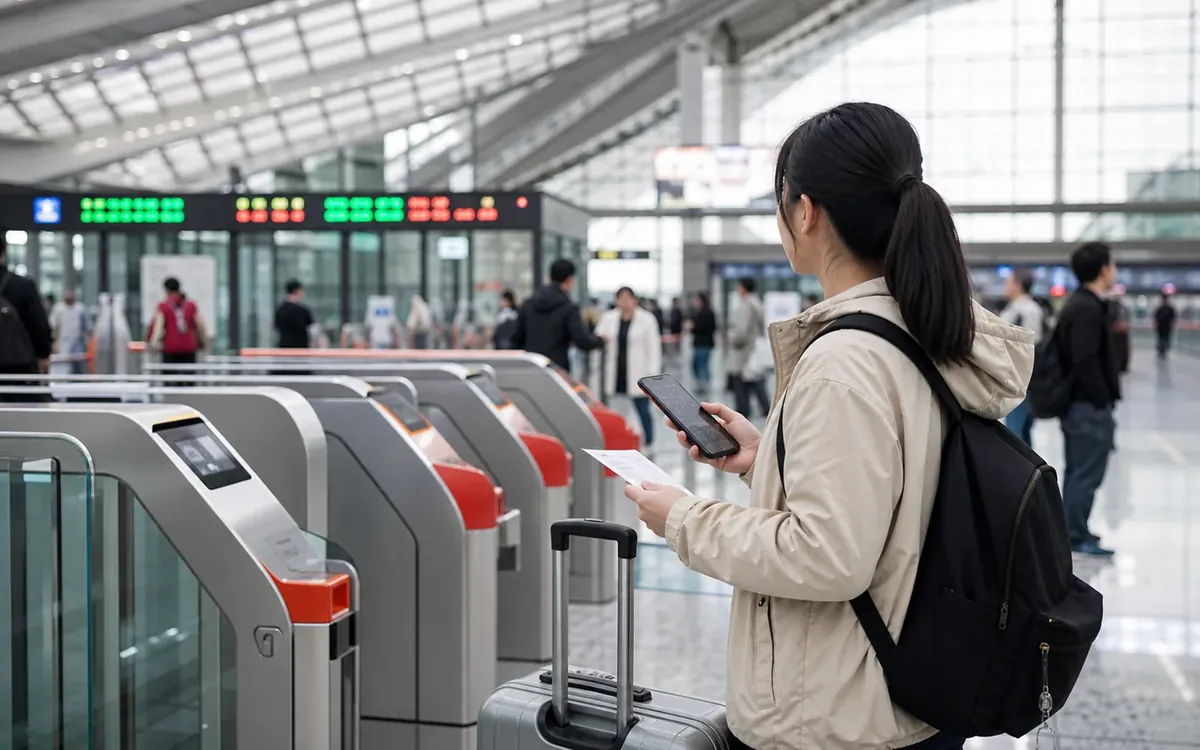
Many metro systems have security checks at entrances. Large suitcases, liquids, and crowded escalators make transfers slower. If you have heavy luggage, a taxi or ride-hailing car may be worth the cost.
Buses and local routes
Buses can be useful but are harder for first-time visitors because stops, direction, and announcements may be less intuitive. Use buses when your map app is clear and you have data working.
Payment
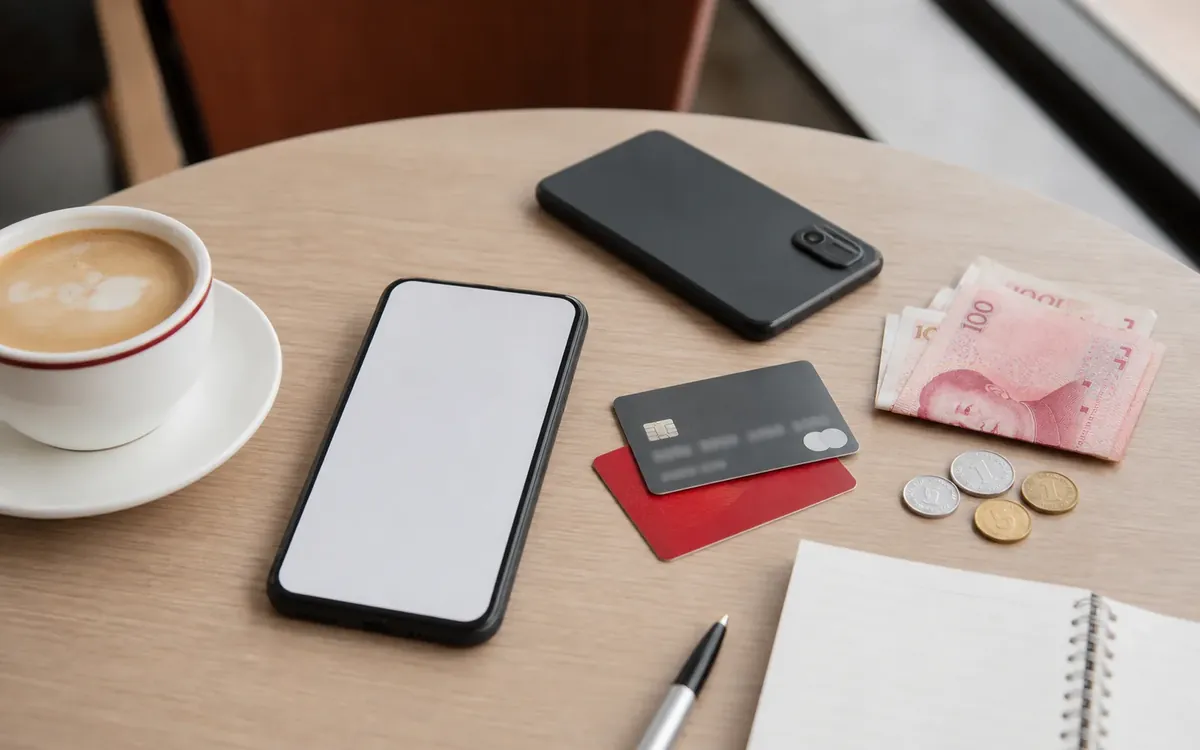
Some cities support QR transit codes in Alipay or WeChat, while others require local transport apps or ticket machines. For a short visit, a single-journey ticket or stored-value card may be simpler than configuring every city.
Metro, Buses, and City Transport in China checklist
- Check metro exit letter
- Avoid rush hour with luggage
- Keep a transit payment backup
- Use taxis for awkward last kilometers
- Save destination in Chinese
Mistakes to avoid with Metro, Buses, and City Transport in China
- Leaving from the wrong exit
- Dragging luggage through peak hour
- Assuming every city uses the same transit code
- Taking buses without data
- Ignoring final walking distance
When Metro, Buses, and City Transport in China needs local help
Ask station staff, hotel staff, airline staff, a driver, venue security or a local host when the route, station name or pickup point is unclear. A Chinese address and screenshot usually solve the problem faster than a long explanation.