
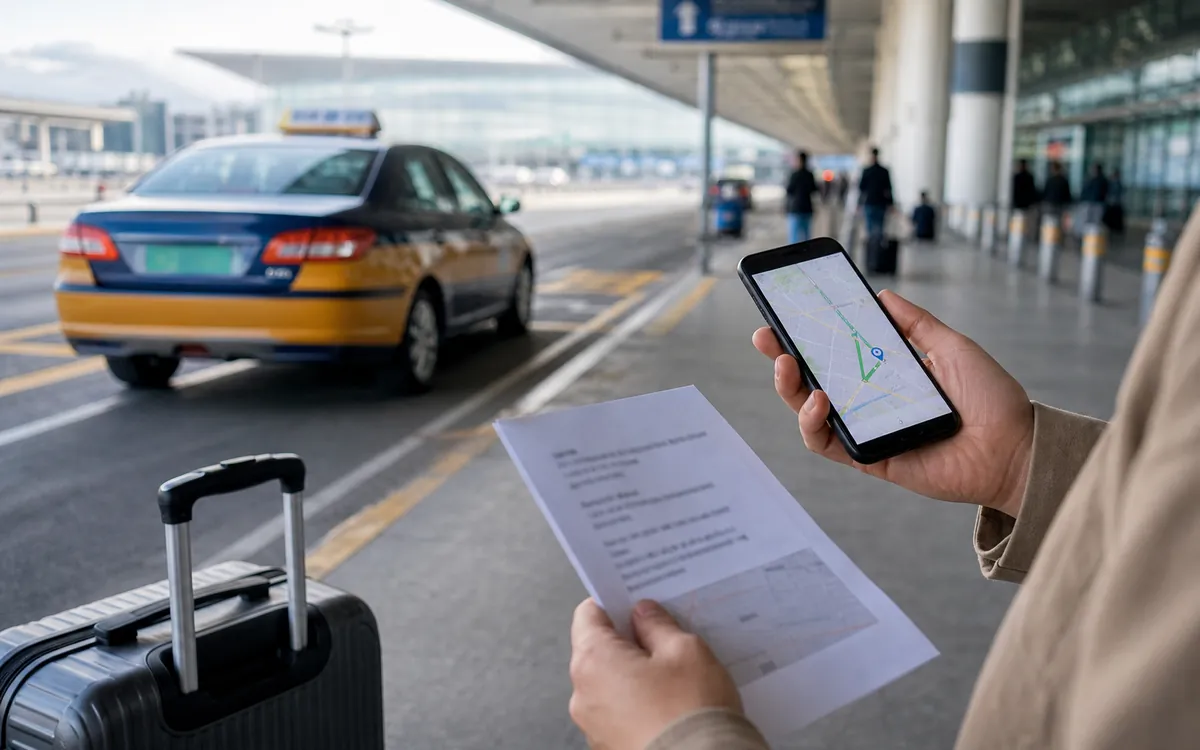


Save the policy, hotline, claim rules, receipts, medical records, police reports, photos, and payment records before you need them.
Trust plan
Collect claim evidence while the event is still clear.
Insurance claims often depend on timing, receipts, official reports, photos and policy rules. The easiest evidence is collected before memories, counters and documents disappear.
Policy rules
Know hotline, preauthorization rules, exclusions, deadlines and required documents before making expensive decisions.
Event record
Save photos, times, locations, names, booking references, payment proof and written explanations as soon as possible.
Official paperwork
Medical invoices, police reports, airline notices, hotel statements and provider confirmations may matter more than screenshots alone.
Contact the insurer when required, ask what records are needed and keep itemized receipts where possible.
Make a simple timeline and store every document in one folder before submitting the claim.
Important: Insurance coverage depends on your policy. Confirm instructions directly with your insurer and keep official records whenever possible.
Health and emergency decision guide
The goal is not to predict every problem, but to make the first response obvious.
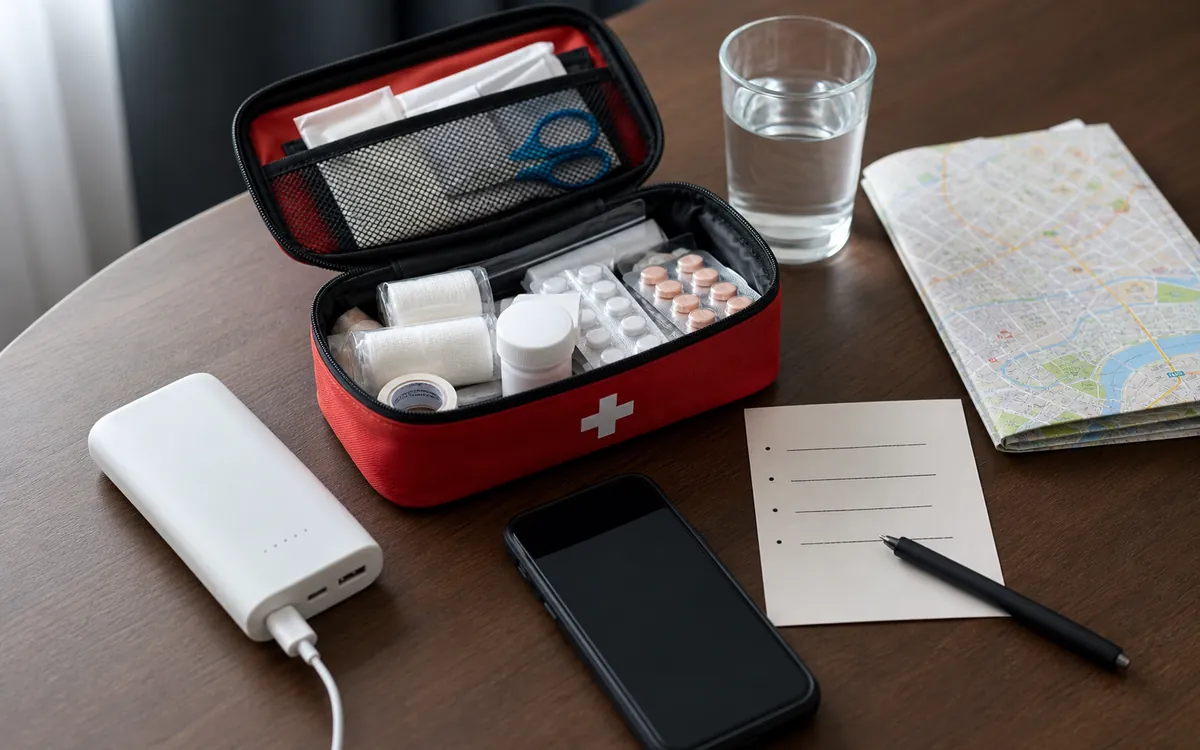
Safer preparation
- Save emergency contacts and hotel address.
- Keep medicine names, insurance and passport copies.
- Know when to ask hotel staff or embassy services for help.
Risky preparation
- Search everything during a stressful moment.
- Carry no document copies or medication notes.
- Assume payment and language will be simple in an emergency.
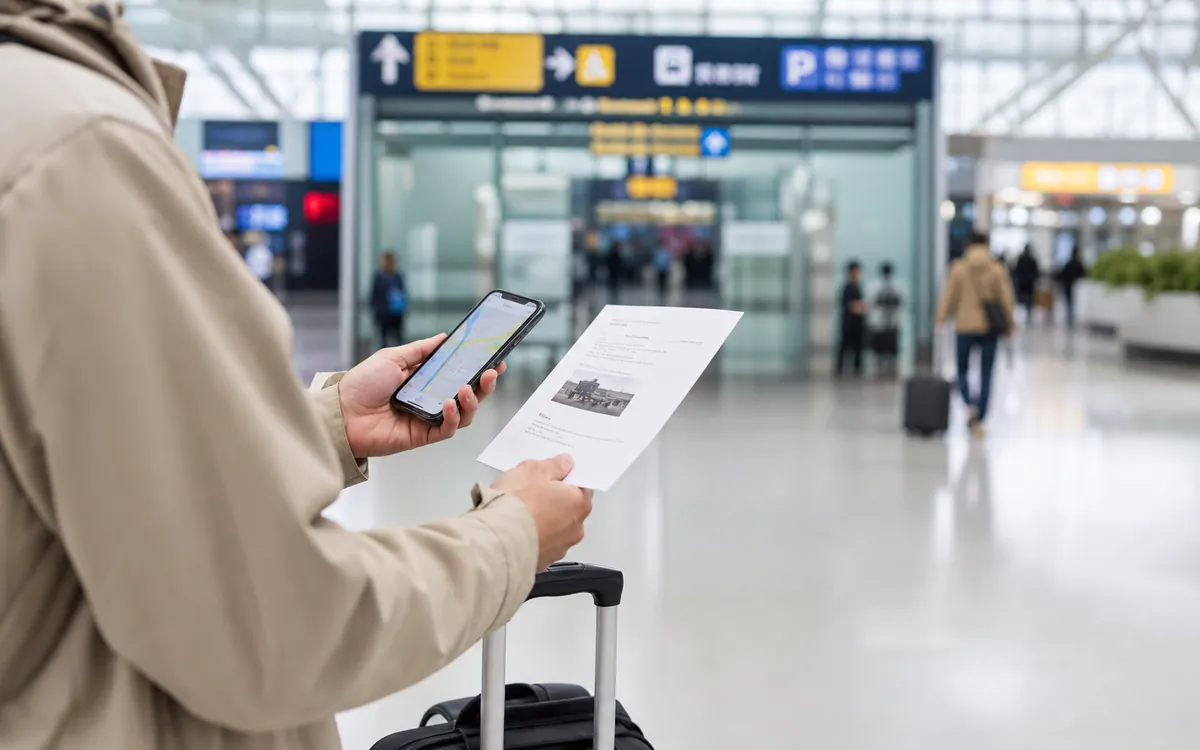 Prepare
Set up the part that is hard to fix under pressure.
Prepare
Set up the part that is hard to fix under pressure.
Do this before a station queue, front desk, restaurant rush, supplier visit or late-night transfer narrows your choices.
 Recover
Keep a calm fallback that a local person can understand.
Recover
Keep a calm fallback that a local person can understand.
The best backup is simple enough to show: an address, receipt, passport page, route, contact or translated sentence.
Phone, maps and translation
Keep navigation, messaging and payment systems working from arrival day.

 Payments
Contacts, evidence and escalation
Payments
Contacts, evidence and escalation
 Entry
Entry rules before booking
Entry
Entry rules before booking
 Transport
Rail and city transfers
Transport
Rail and city transfers
Records decide claims
Records decide claims is a practical control point for this topic. Check it early so it does not become a problem under pressure.
Hotlines matter
Hotlines matter is a practical control point for this topic. Check it early so it does not become a problem under pressure.
Receipts must be saved
Receipts must be saved is a practical control point for this topic. Check it early so it does not become a problem under pressure.
Before travel
Read the policy for medical care, trip delay, lost baggage, theft, electronics, adventure activities, exclusions, and claim deadlines. Save the emergency hotline offline.
Medical claims
Ask for medical records, invoices, prescriptions, diagnosis notes, and payment proof. Some insurers require pre-approval for non-emergency treatment or use of specific hospitals.
Lost items and theft
For valuable items, photos, serial numbers, receipts, and police reports can matter. Report quickly when required by the policy. Hotel staff can often help locate the right police station.
Delays and cancellations
Keep airline notices, boarding passes, rebooking records, hotel invoices, transport receipts, and screenshots of delay messages. Do not rely on memory after the trip.
Organizing evidence
Create a folder on your phone or cloud account for claim documents. Take photos immediately, label them clearly, and keep original receipts where possible.
Travel Insurance and Claims in China checklist
- Save policy and hotline
- Keep receipts and records
- Ask for medical documents
- Photograph lost or damaged items
- Track claim deadlines
Mistakes to avoid with Travel Insurance and Claims in China
- Buying insurance without reading exclusions
- Throwing away receipts
- Not calling the insurer when required
- Keeping records only on paper
- Waiting until home to reconstruct events
When Travel Insurance and Claims in China needs local help
Ask hotel staff, medical staff, police or venue security, your insurer, school, employer, embassy or a trusted local contact early. A Chinese address, photo, receipt or short translated sentence makes help easier.