
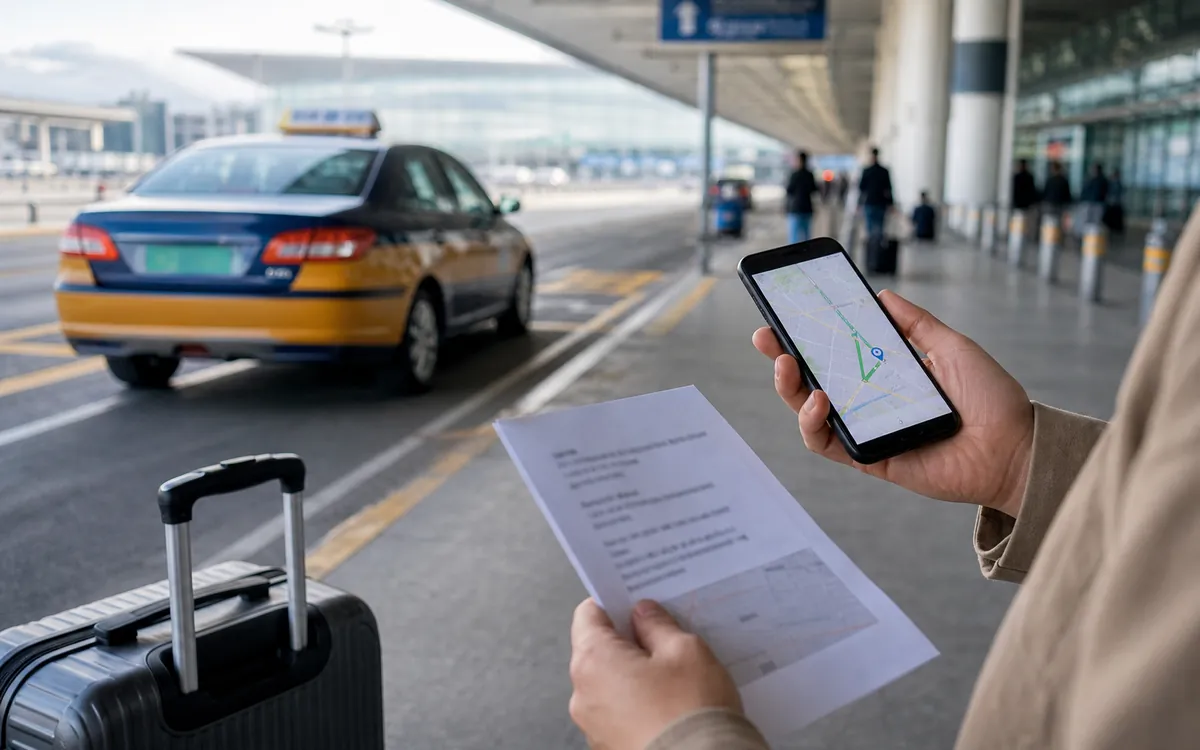


For life, safety, fire, crime, medical, or traffic emergencies in mainland China, call the local emergency number first. Your hotel can help with address, language, transport, and local police station details. Your embassy or consulate helps with citizen services such as emergency travel documents, but it does not replace police, hospitals, or immigration authorities.
Decision layer
Emergency planning is mostly about reducing translation time.
In a real problem, the first barrier is often not information but communication: where you are, what happened, what you need, who to call and which document proves your identity. Prepare those pieces before stress narrows your options.
Keep the hotel address, city, district, nearest landmark and phone number in Chinese and English. Location clarity saves time.
Write short phrases for medical help, police help, lost passport, lost phone, allergy, medication and hotel return.
Store hotel front desk, insurer, embassy or consulate, bank and trusted contact details offline.
Carry offline
- Passport copy and visa page if relevant
- Hotel address in Chinese
- Insurance and emergency contact
Use staffed places
- Hotel front desk
- Airport or station service desk
- Hospital, police or official counter
Practical caution: this guide supports preparation and communication. It does not replace emergency services, medical advice, legal advice or official reporting.
Health and emergency decision guide
The goal is not to predict every problem, but to make the first response obvious.
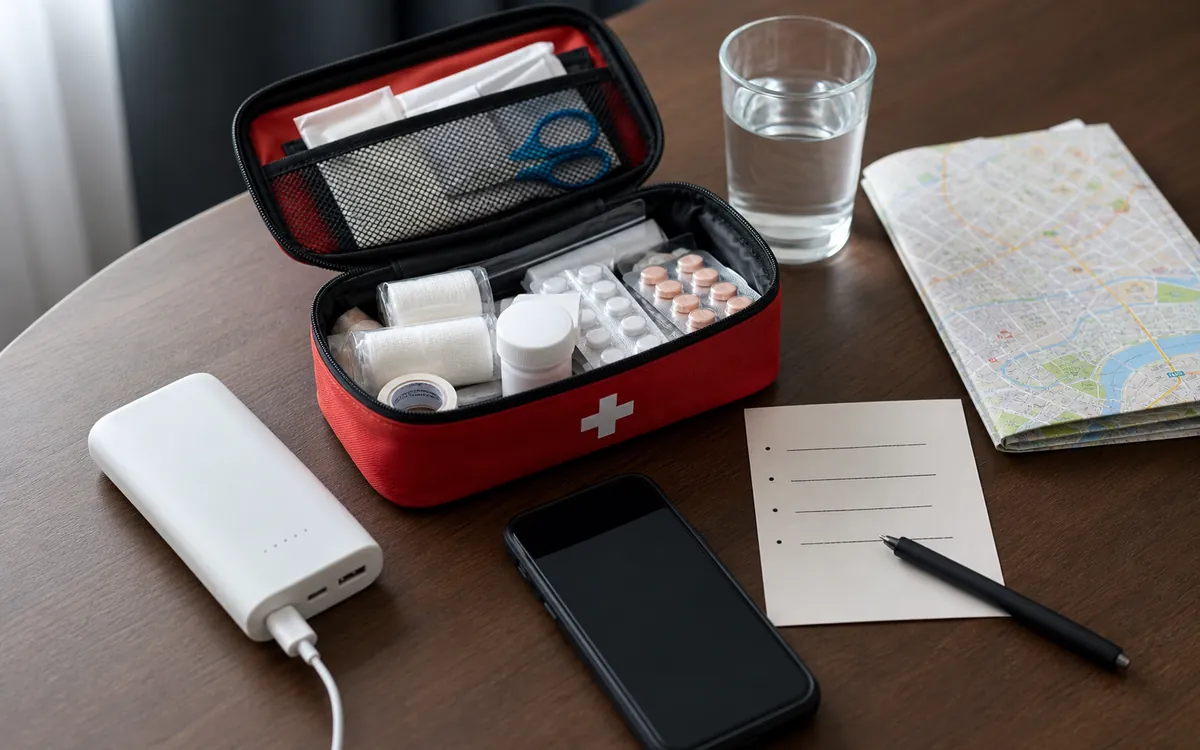
Safer preparation
- Save emergency contacts and hotel address.
- Keep medicine names, insurance and passport copies.
- Know when to ask hotel staff or embassy services for help.
Risky preparation
- Search everything during a stressful moment.
- Carry no document copies or medication notes.
- Assume payment and language will be simple in an emergency.
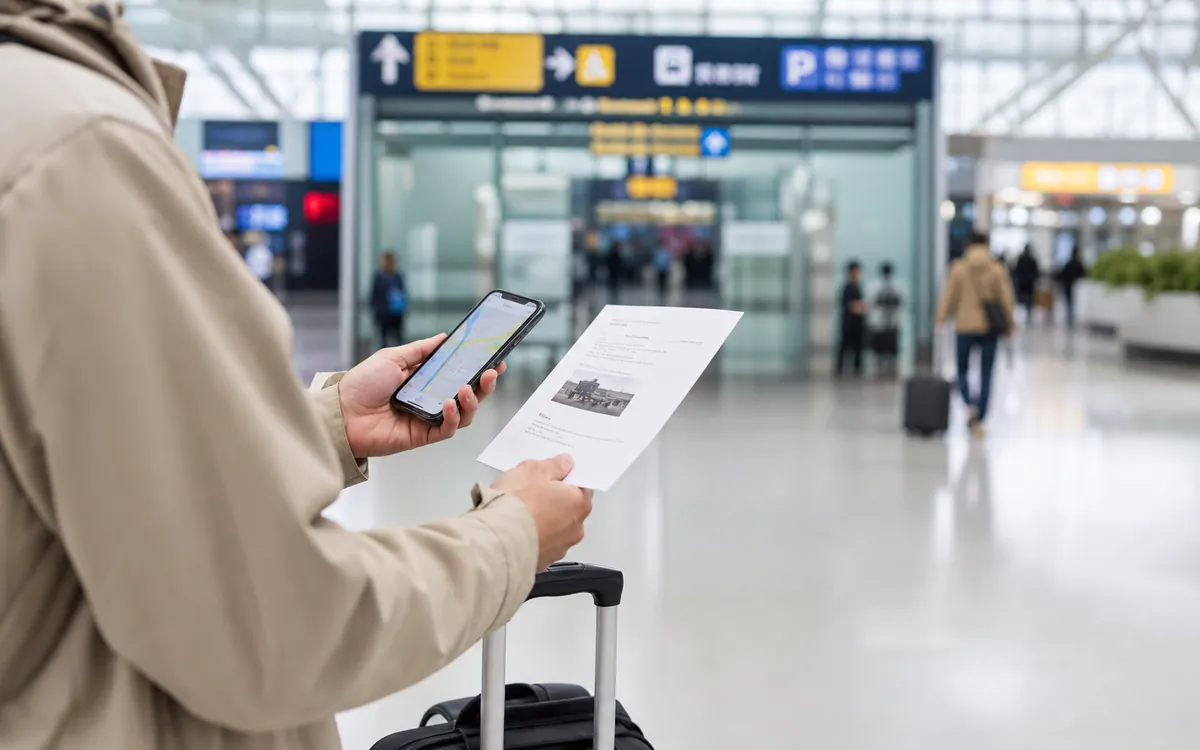 Before leaving
Prepare the proof, address or app screen first.
Before leaving
Prepare the proof, address or app screen first.
The useful preparation is specific: one Chinese address, one saved record, one backup route and one person who can help if support contacts, safety judgment and escalation options stall.
 At the counter
Compare the answer you receive with the Emergency help in China checklist.
At the counter
Compare the answer you receive with the Emergency help in China checklist.
If the local process differs, follow the official instruction and keep a record of the name, time and location.
Entry rules before booking
Visa-free eligibility, transit timing, passport checks and border documents.
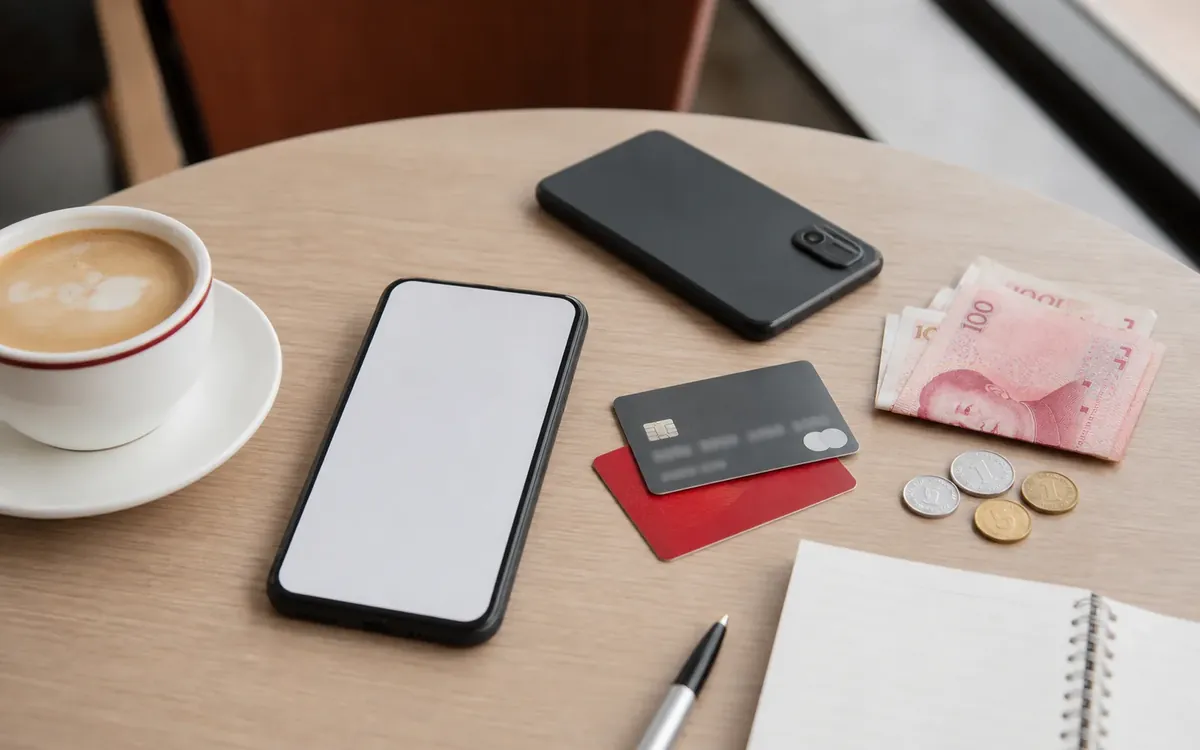 Payments
Contacts, evidence and escalation
Payments
Contacts, evidence and escalation
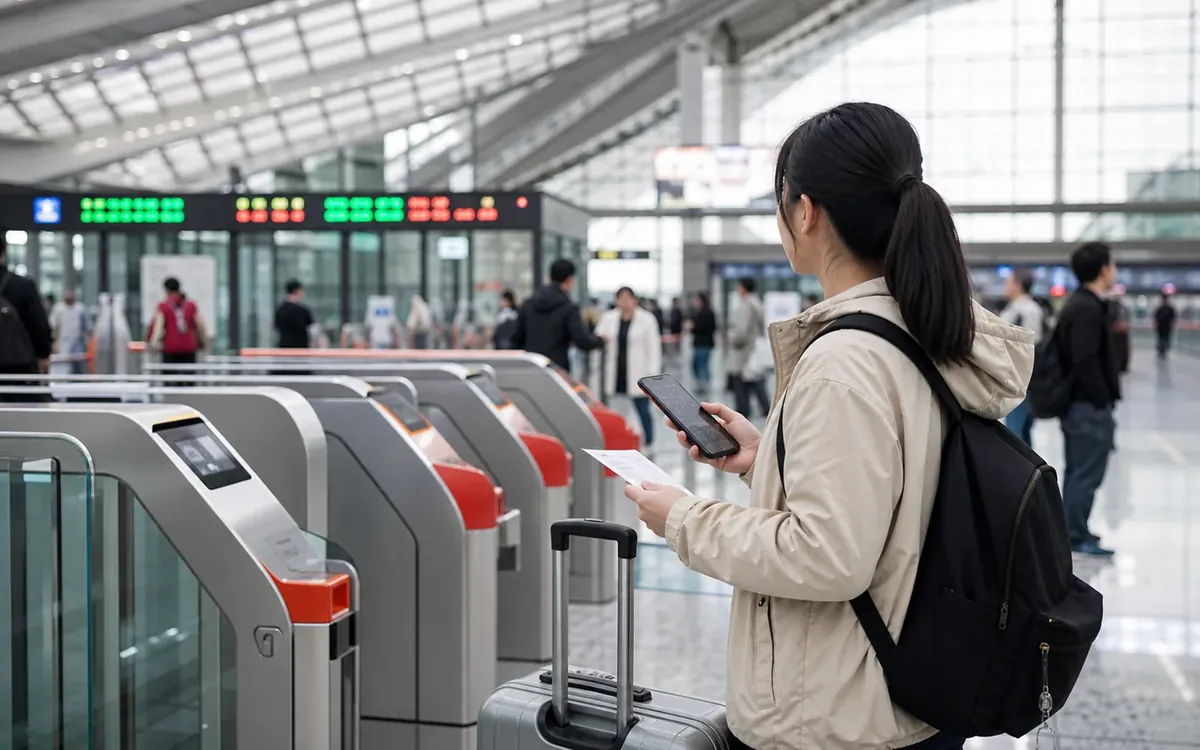 Transport
Rail and city transfers
Transport
Rail and city transfers
 Apps
Phone, maps and translation
Apps
Phone, maps and translation
How to use Emergency help in China
Emergency content is conservative by design. It helps visitors organize the first response, but it does not replace official, medical, legal, consular, or police support.
Before you need it: save this page, screenshot your hotel address in Chinese, keep a passport scan separate from your passport, and build an offline emergency phrase card.
Emergency numbers
China uses separate emergency numbers. Calls are free, but you should describe the location and situation clearly. If you cannot speak Chinese, ask hotel staff, a nearby employee, or a trusted local person to help call.
Police
110
Crime, threat, theft, assault, robbery, or urgent police assistance.
Fire
119
Fire, explosion, trapped people, or other urgent rescue situations.
Ambulance
120
Medical emergency, serious injury, collapse, severe symptoms, or ambulance request.
Traffic accident
122
Road traffic accidents. Call 120 as well if anyone is injured.
What to do first
- Move to a safer place if you can do so without increasing danger.
- Call the correct emergency number, or ask someone nearby to call.
- Show your location in Chinese: hotel card, map pin, address screenshot, or nearby landmark.
- Contact your hotel front desk if you are staying at a hotel. They can often explain the address, call a taxi, or guide local procedures.
- Keep records: time, location, names, police report number, hospital receipt, photos, and screenshots.
Lost passport
A lost passport is not only a document problem. It can affect hotels, flights, trains, immigration records, and exit procedures. Start quickly and keep every receipt or certificate.
- Report the loss to the local police station or relevant public security office and ask what loss report or receipt they can issue.
- Contact your embassy or consulate in China for an emergency passport or travel document process.
- Ask the local exit-entry administration whether you need visa, stay permit, residence permit, or exit-entry permit steps after receiving a replacement document.
- Tell your hotel. Accommodation registration may need to be updated after you receive a new passport or temporary document.
- Contact your airline, train operator, insurer, and card issuer if your travel schedule or identity document number changes.
City procedures vary. Beijing, Shanghai, Shenzhen, and other cities publish local loss-report workflows, but the practical sequence is usually police or public security report, embassy/consulate document, then exit-entry or travel updates if needed.
Medical help
For urgent medical situations, call 120. In large cities, some hospitals have international departments or English-speaking services, but emergency care may still involve local hospitals and Chinese-language registration. Bring your passport or passport copy, payment method, insurance details, allergy information, medication names, and a short description of symptoms.
- For serious symptoms, injury, chest pain, breathing trouble, loss of consciousness, heavy bleeding, stroke signs, or severe allergic reaction, call 120 or go to an emergency department.
- If you know a preferred hospital, say it clearly. If not, choose the nearest appropriate hospital and prioritize speed.
- Payment may be requested at registration, treatment, pharmacy, or discharge stages. Keep receipts for insurance.
- Do not rely only on machine translation for serious medical history. Carry a written medical note for allergies, chronic conditions, and medications.
Police, theft, and scams
For theft, threats, assault, robbery, or urgent police help, call 110. For non-immediate issues, hotel staff can usually help you find the nearest police station and explain the address in Chinese.
- Do not chase suspects or escalate a confrontation.
- Keep photos, chat logs, payment records, license plate numbers, receipts, and location history.
- If you need a police report for insurance, passport loss, or bank claims, ask what document can be issued and when.
- If money or payment apps are involved, contact your card issuer, payment app support, and hotel quickly.
Traffic accidents
For a road accident, call 122 for traffic police. If someone is injured, call 120 immediately as well. Take photos only when it is safe, and avoid leaving the scene of a serious accident before the responsible authority has handled the situation.
- Record the vehicle plate, driver contact, ride-hailing order, taxi receipt, location, time, and witnesses if available.
- If you are using a ride-hailing app, keep the order screen open or screenshot it.
- Ask your hotel, host, or insurer for help communicating if you cannot explain the accident clearly.
Use your hotel as a support system
For travelers, a hotel front desk is often the fastest bridge between you and local systems. Even if the hotel cannot solve the emergency, it can help communicate your address, call local services, explain where the nearest police station or hospital is, and help you get transport.
- Save your hotel name, address, phone number, and nearby landmark in Chinese.
- Carry a hotel card or screenshot when you go out.
- If you move hotels, update your emergency card and screenshots.
Show these phrases
Use short, direct phrases. If you are panicked, show the Chinese line on your phone.
- I need help. - 我需要帮助。/li>
- Please call the police. - 请帮我报警。/li>
- Please call an ambulance. - 请帮我叫救护车。/li>
- Please take me to a hospital. - 请带我去医院。/li>
- I lost my passport. - 我的护照丢了。/li>
- I am allergic to this. - 我对这个过敏。/li>
- Please help me return to my hotel. - 请帮我回酒店。/li>
- Please help me contact my embassy or consulate. - 请帮我联系我的大使馆或领事馆。/li>
- Please use a translation app. - 请使用翻译软件。/li>
Offline preparation
Identity
Passport photo page, visa or entry record, hotel registration, and emergency contact saved offline.
Health
Allergies, medications, blood type if known, insurance, and chronic conditions written clearly.
Money
Payment app, backup card, small RMB cash, insurer contact, and card issuer contact.
Language
Chinese hotel address, emergency phrases, translator app, and phrase-card screenshot.
What not to do
- Do not wait until the airport to solve a lost passport problem.
- Do not depend on one phone, one payment app, or one cloud-only document copy.
- Do not leave a hospital, police station, or accident scene without understanding what document or receipt you may need later.
- Do not assume your embassy can cancel police, hospital, immigration, airline, or payment-app procedures.
Official sources
- Beijing Municipal Government: Emergency Numbers
- Shanghai Municipal Government: What to do in an emergency
- Beijing Service / Ministry of Commerce guide: How to Get Help in Case of Emergencies
- National Immigration Administration: Entry-Exit and Stay (Residence) of Foreigners
- Shanghai Municipal Government: What if I lose my passport?