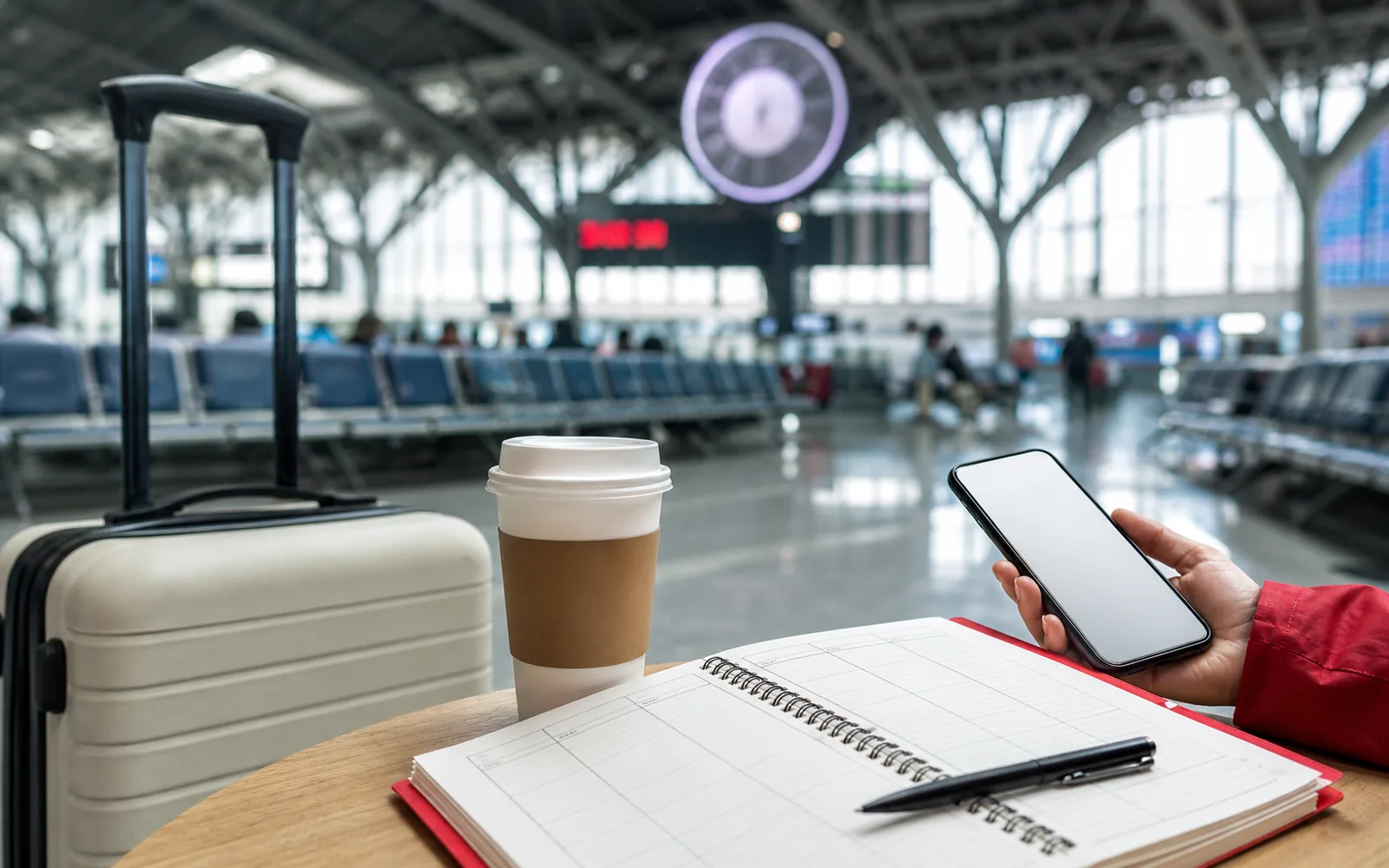
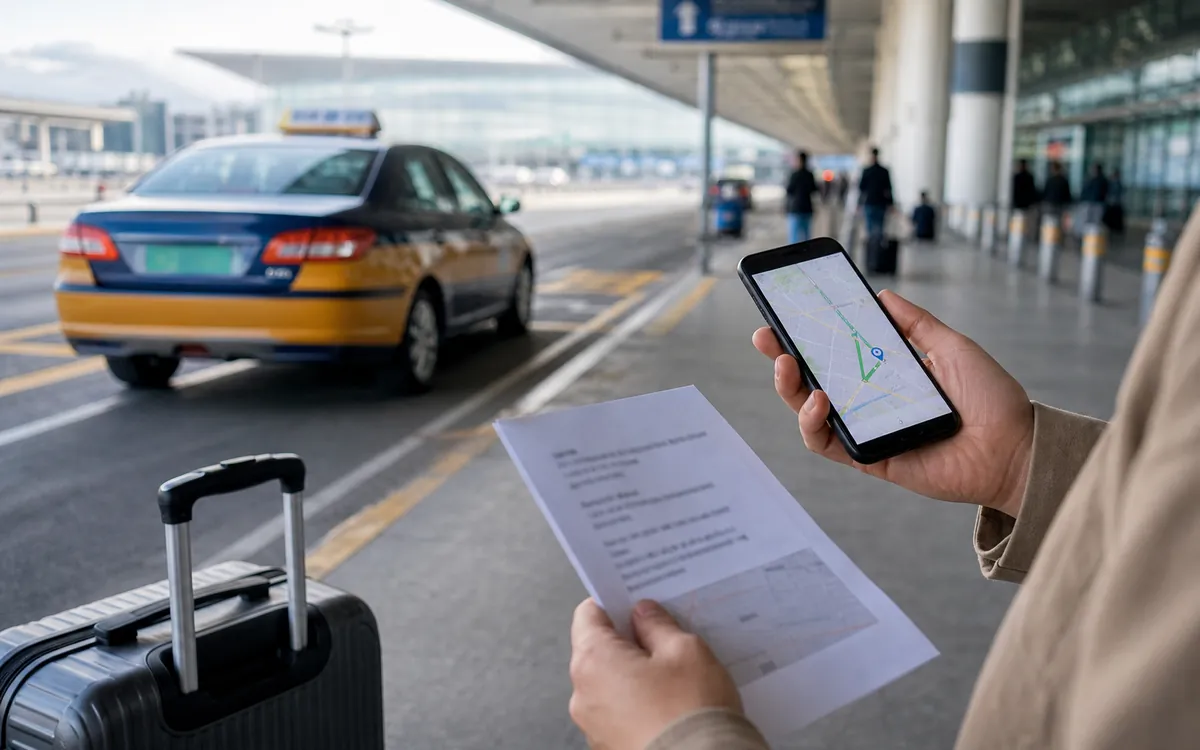
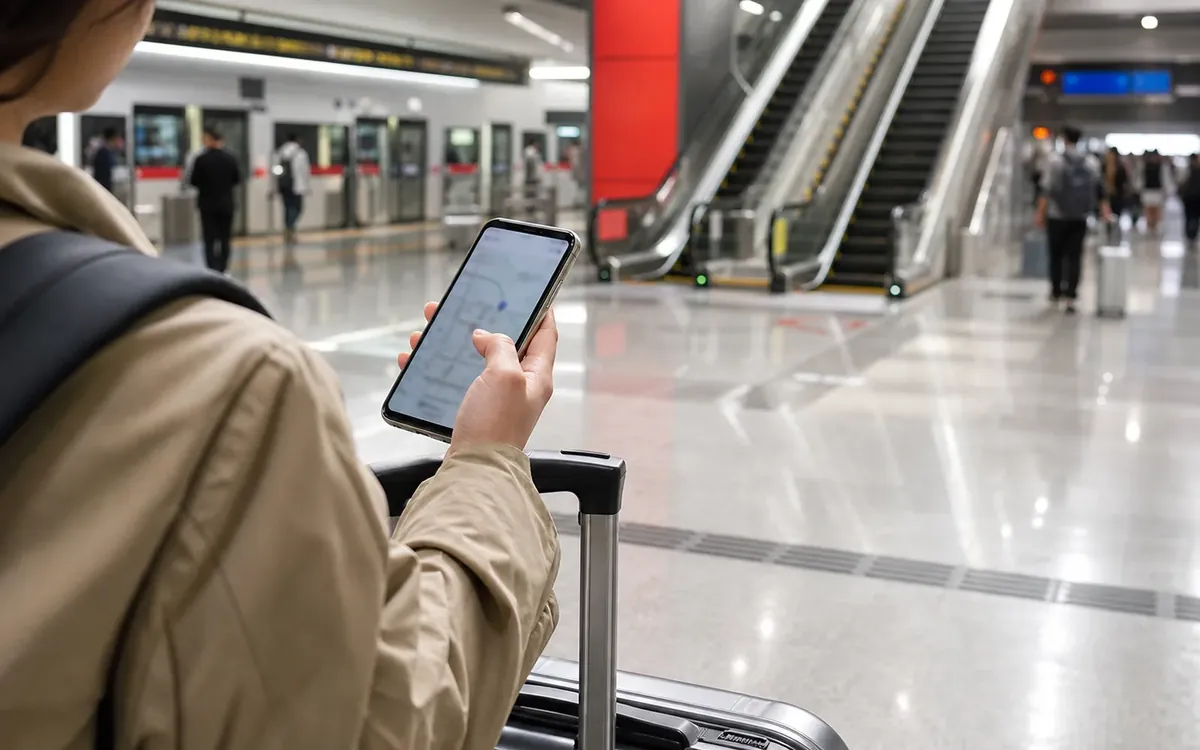

Leave conservative buffers, know whether bags are checked through, confirm terminal changes, keep your passport and onward ticket ready, and do not use a tight domestic connection as your first China logistics test.
Mobility plan
Treat a China transfer as a controlled sequence.
A layover can involve immigration, baggage, terminal changes, security, airline rules and onward ticket checks. The risk is usually time compression, not one single step.
Baggage path
Confirm whether bags are checked through, need pickup, or require a domestic recheck after entry.
Terminal path
Check terminal, security, immigration and shuttle requirements before assuming the connection is airside.
Document path
Keep passport, onward ticket, hotel or destination proof and visa/transit information easy to show.
Avoid tight self-transfers, mixed airports, separate tickets or first-time domestic transfers with low buffers.
Follow airline and airport signs first, then ask staffed counters before leaving secure areas.
Entry decision guide
Match passport, route, purpose, stay length and port before booking anything difficult to change.
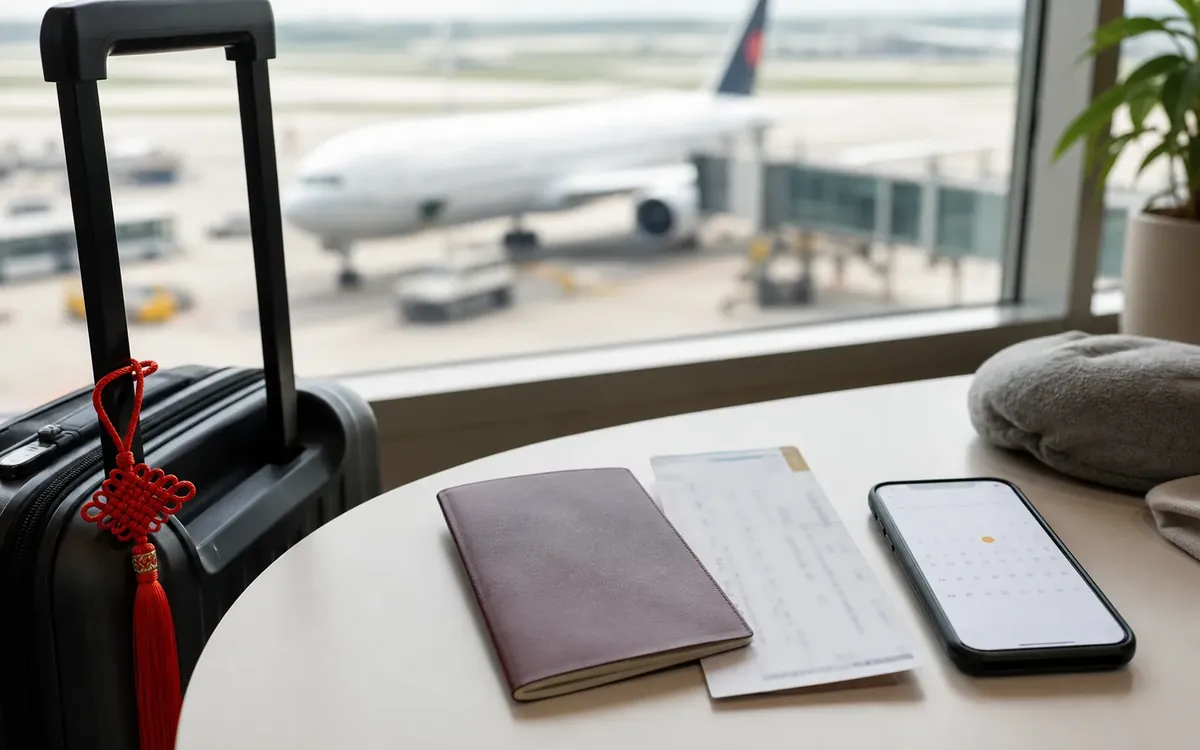
Safer route
- Verify eligibility against official sources.
- Keep onward tickets and hotel details offline.
- Check airline acceptance before travel day.
Risky route
- Mix transit and destination rules.
- Rely on old screenshots or social posts.
- Book non-refundable plans before confirming entry logic.
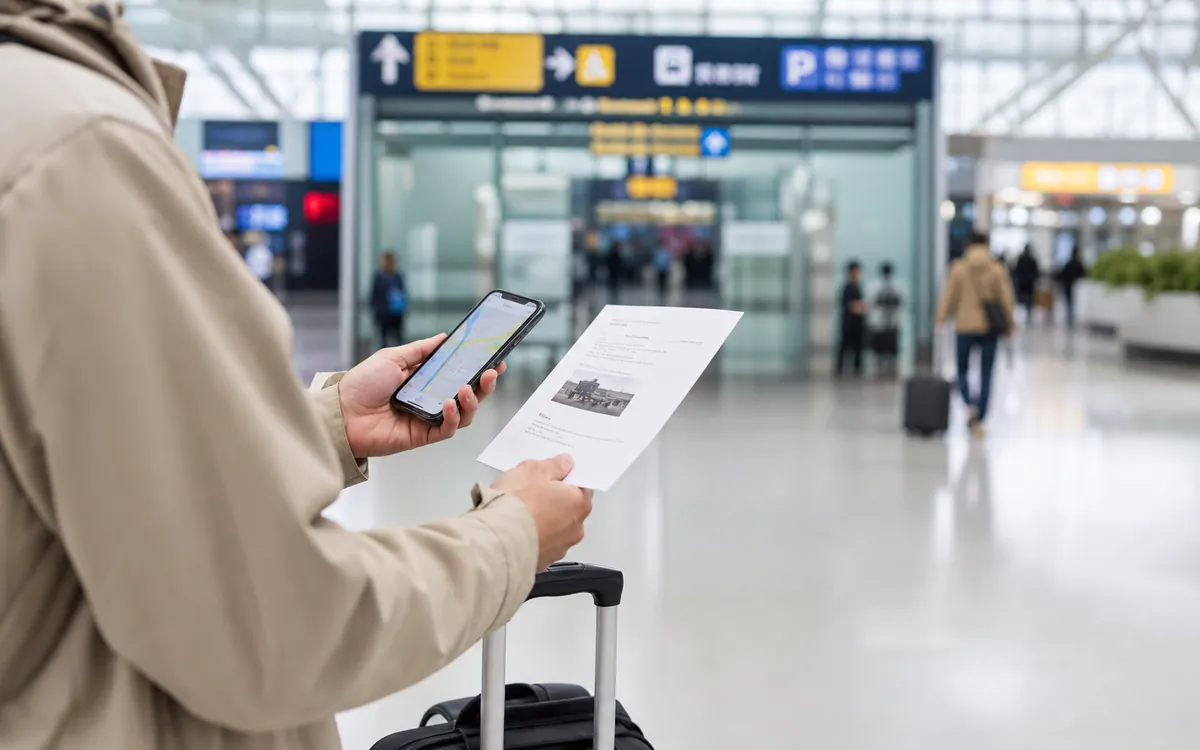 Before the moment
Mark the one choice China Airport Layovers and Domestic Transfers needs to settle.
Before the moment
Mark the one choice China Airport Layovers and Domestic Transfers needs to settle.
Turn the page into a short checklist: what to show, what to save, and what to do if the first answer does not work.
 After the first try
Write down what changed on the ground.
After the first try
Write down what changed on the ground.
China travel details shift by city, venue and staff interpretation, so keep screenshots and names beside the routes, transfer buffers and station details notes.
Stations, exits and backup routes
Check the Chinese station name, terminal, luggage route, security check and the fallback ride before a timed connection.
 Entry
Entry rules before booking
Entry
Entry rules before booking
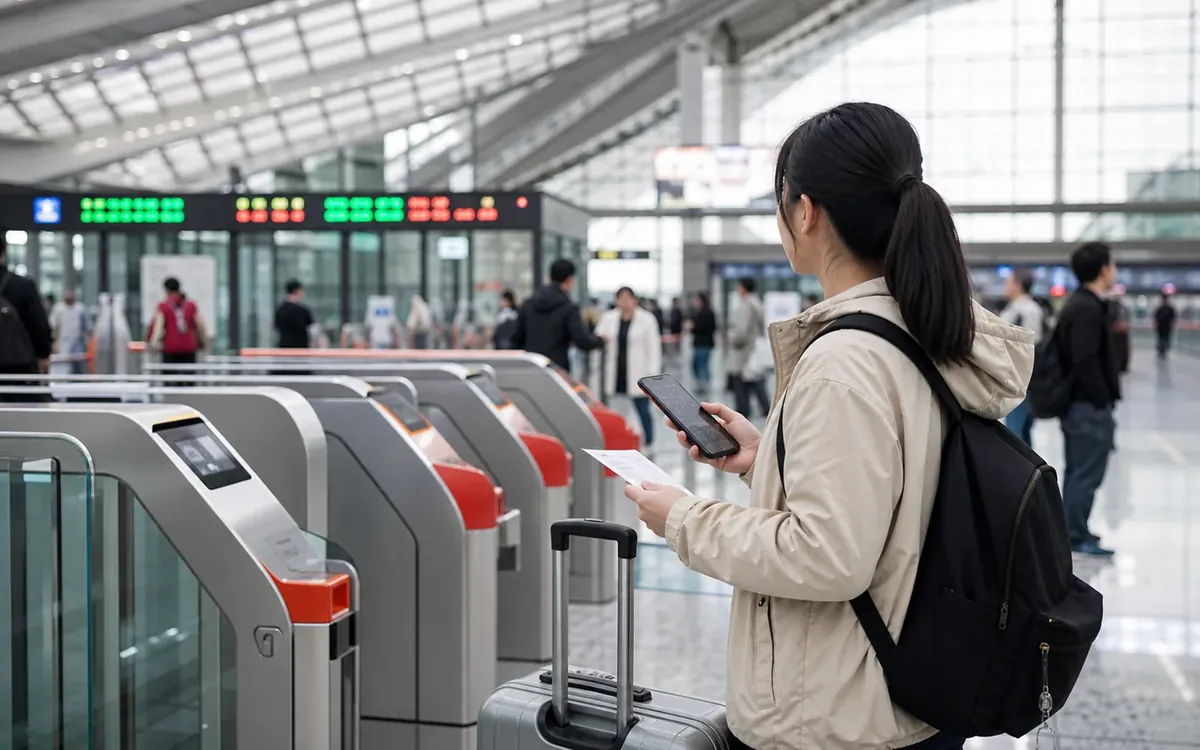 Transport
Rail and city transfers
Transport
Rail and city transfers
 Apps
Phone, maps and translation
Apps
Phone, maps and translation
Protected connections matter
Protected connections matter is a practical control point for this topic. Check it early so it does not become a problem under pressure.
Terminal distance can be large
Terminal distance can be large is a practical control point for this topic. Check it early so it does not become a problem under pressure.
Baggage rules decide the buffer
Baggage rules decide the buffer is a practical control point for this topic. Check it early so it does not become a problem under pressure.
Connection type
The first question is whether your connection is on one ticket or separate tickets. A protected connection gives you more help if the first flight is late. Separate tickets mean you may need to enter China, collect baggage, check in again, pass security again, and absorb the risk yourself.
Immigration and baggage
If you enter mainland China during the transfer, allow time for document checks and baggage collection. Bags are not always checked through across separate tickets, mixed airlines, or international-to-domestic changes. Confirm before departure rather than at the carousel.
Terminals and airport size
Beijing, Shanghai, Guangzhou, Shenzhen, Chengdu, and other major airports can involve long walks, shuttle rides, or terminal changes. A connection that looks generous on a map can become tight if you need to change terminals with luggage.
Overnight layovers
For late arrivals, a nearby airport hotel can be better than crossing the city at midnight. Save the hotel name in Chinese, confirm shuttle hours, and keep cash or payment backup ready in case ride-hailing setup is not working yet.
First-day setup
Do not plan to solve SIM, payment, hotel, and a tight transfer at the same time. If possible, complete phone data and payment testing before leaving the arrival airport or before taking a long domestic leg.
China Airport Layovers and Domestic Transfers checklist
- Confirm whether bags are checked through
- Check terminal names
- Keep onward ticket and hotel address offline
- Allow extra time for separate tickets
- Prepare a late-night hotel backup
Mistakes to avoid with China Airport Layovers and Domestic Transfers
- Booking separate tickets with a tiny buffer
- Assuming immigration takes the same time every day
- Forgetting terminal transfers
- Packing passport in checked luggage
- Leaving no backup for a delayed first flight
When China Airport Layovers and Domestic Transfers needs local help
Ask station staff, hotel staff, airline staff, a driver, venue security or a local host when the route, station name or pickup point is unclear. A Chinese address and screenshot usually solve the problem faster than a long explanation.