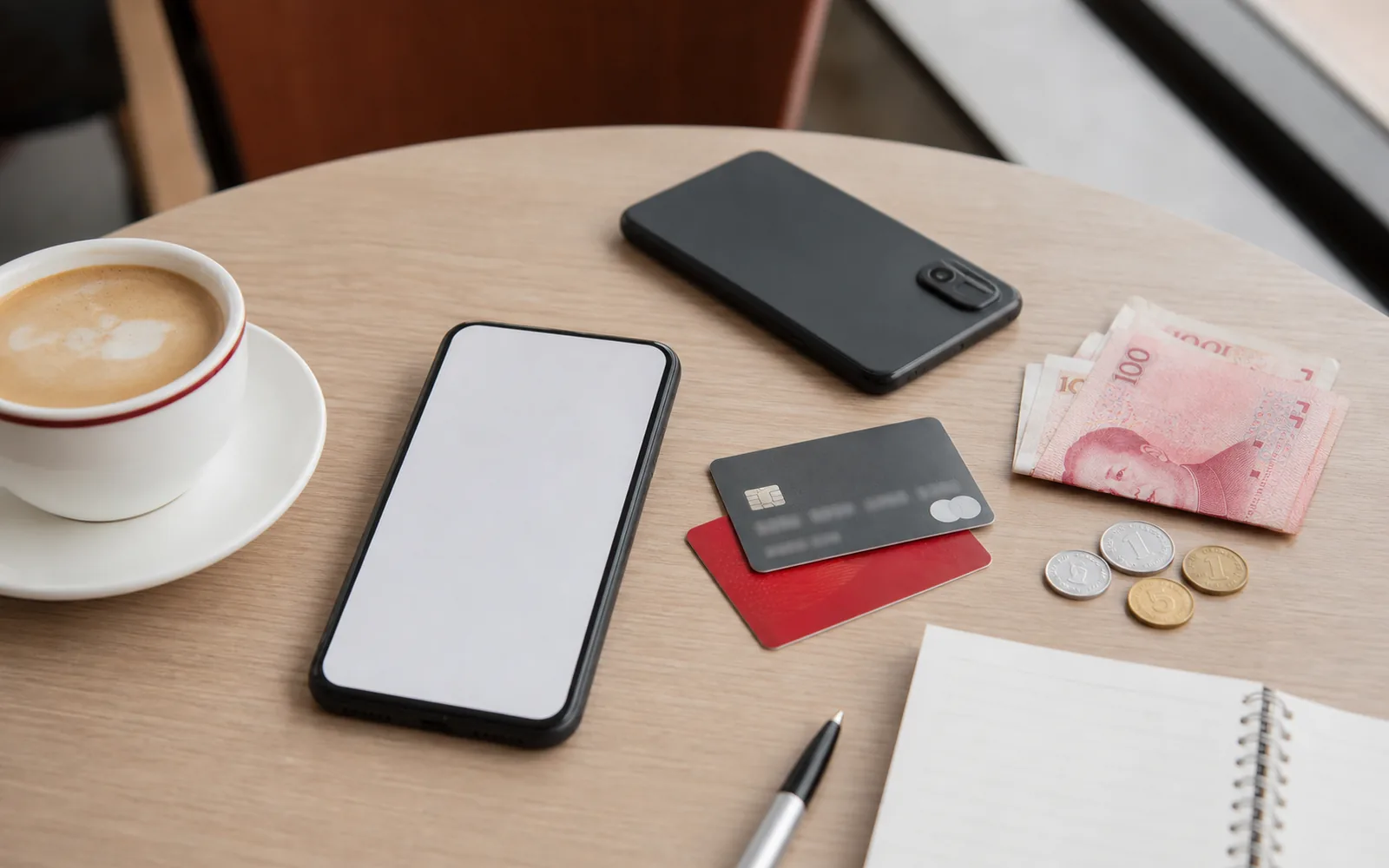

Bring more than one card if possible, use ATMs that show your card network, keep a modest RMB reserve, and check bank travel controls before relying on withdrawals.
Business plan
Keep business and travel payments resilient.
Cards, ATMs, wallets and cash all have failure modes. A useful money plan keeps work expenses, personal spending, deposits and emergency cash separate enough to recover quickly.
Card backup
Bring more than one card network if possible and check travel controls, ATM fees and daily withdrawal limits.
Cash buffer
Keep modest RMB cash for taxis, deposits, outages, small shops or situations where QR payment fails.
Record keeping
For business expenses, save receipts, payment screenshots, provider names and exchange-rate context as soon as you pay.
Tell banks, test cards, save issuer contacts and decide which payment method is for business versus personal use.
Switch method calmly, avoid repeated declined attempts at a busy counter and record what happened for the bank or finance team.
Payment choice under pressure
Use this comparison before the first paid moment, then keep the backup active after the first successful scan.
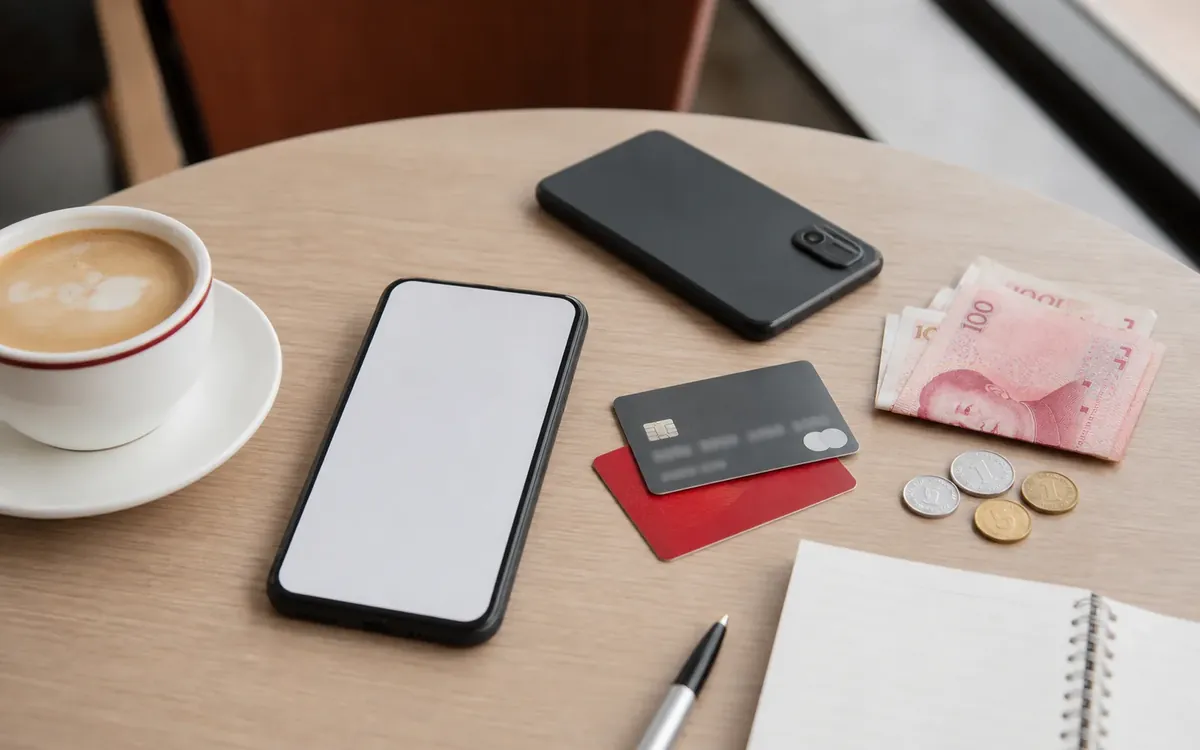
Safer setup
- Prepare one primary QR wallet.
- Keep a card, ATM or cash fallback.
- Test a small purchase before relying on it.
Risky setup
- Arrive with only one card.
- Assume every shop accepts foreign cards.
- Wait until a busy counter to test payments.
 Before the moment
Mark the one choice ATMs, Cash, and Foreign Bank Cards in China needs to settle.
Before the moment
Mark the one choice ATMs, Cash, and Foreign Bank Cards in China needs to settle.
Turn the page into a short checklist: what to show, what to save, and what to do if the first answer does not work.
 After the first try
Write down what changed on the ground.
After the first try
Write down what changed on the ground.
China travel details shift by city, venue and staff interpretation, so keep screenshots and names beside the money, receipts and payment backups notes.
Wallet, card and cash fallback
Check wallet setup, card backup, ATM access, cash reserve and the receipt or screenshot you may need later.
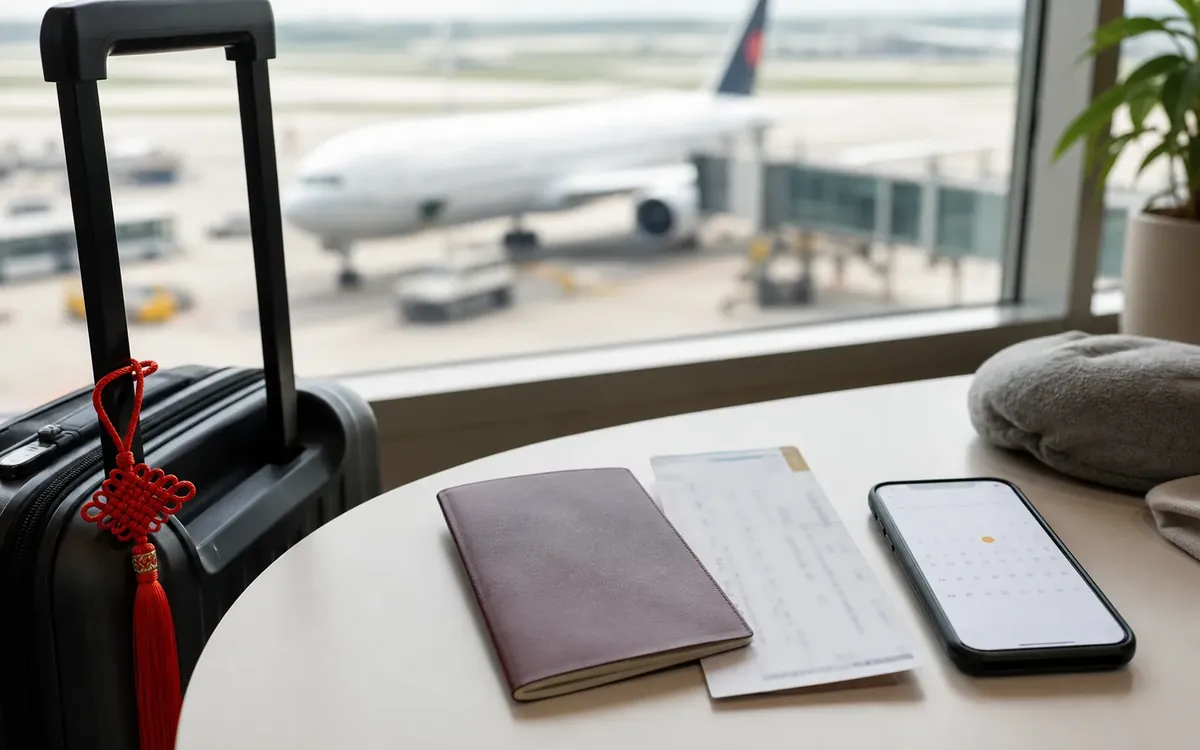 Entry
Entry rules before booking
Entry
Entry rules before booking
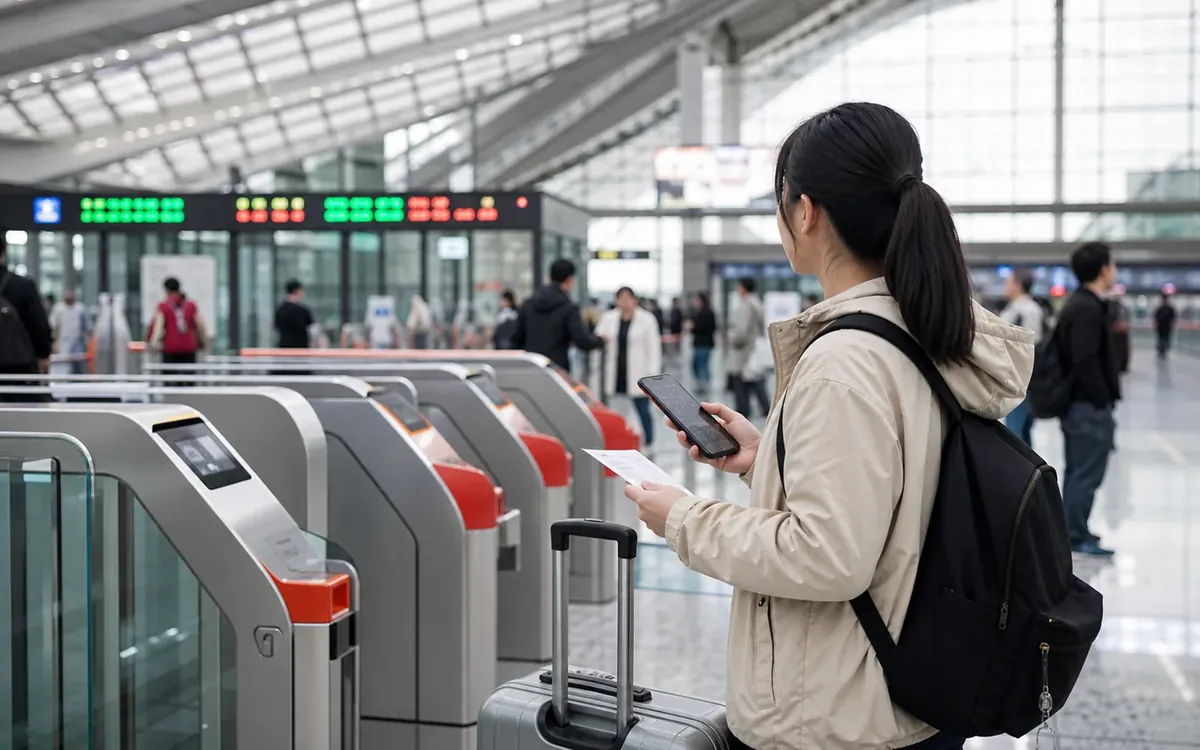 Transport
Rail and city transfers
Transport
Rail and city transfers
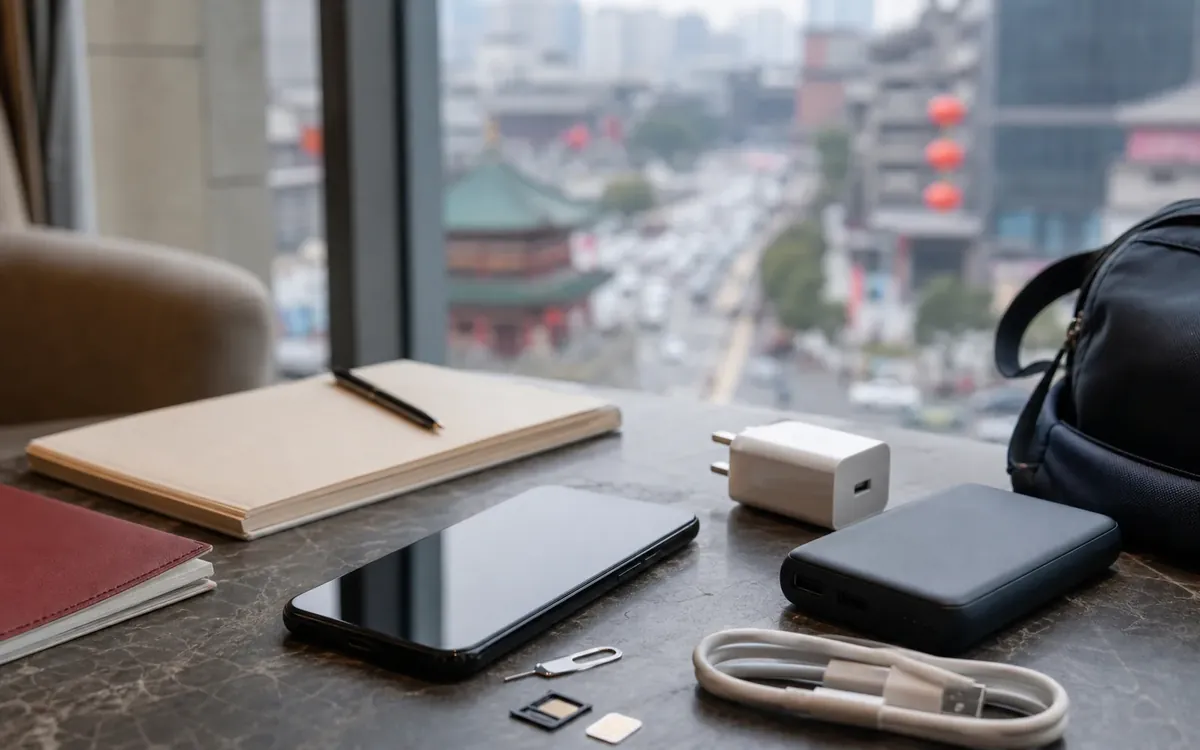 Apps
Phone, maps and translation
Apps
Phone, maps and translation
Cards are backup, not enough
Cards are backup, not enough is a practical control point for this topic. Treat it as something to check early, not something to solve under pressure.
ATMs vary
ATMs vary is a practical control point for this topic. Treat it as something to check early, not something to solve under pressure.
Cash solves small emergencies
Cash solves small emergencies is a practical control point for this topic. Treat it as something to check early, not something to solve under pressure.
Where cards work best
Foreign cards are more reliable at international hotels, airports, major malls, higher-end restaurants, and some attractions. They are less reliable for taxis, small restaurants, local shops, and app-based services.
Using ATMs
Look for ATMs that show your card network and use bank branches or well-lit public areas. Limits can come from the Chinese bank, your home bank, your card network, or fraud controls. If one ATM fails, another bank may still work.
Cash as a safety layer
Carry enough RMB for small problems: taxi fallback, water, a simple meal, phone issue, or a merchant that cannot handle your app. Do not carry unnecessary large amounts.
Bank blocks
Foreign banks may block overseas transactions if they look unusual. Make sure you can receive alerts and approve transactions while abroad. Consider bringing cards from two banks if possible.
Exchange counters
Airports and banks may offer exchange services, but opening hours, rates, and ID requirements vary. If you need cash urgently on arrival, know your airport and hotel-area options.
ATMs, Cash, and Foreign Bank Cards in China checklist
- Bring at least two cards if possible
- Check bank travel controls
- Use card-network ATMs
- Keep a small RMB reserve
- Store cards separately
Mistakes to avoid with ATMs, Cash, and Foreign Bank Cards in China
- Relying only on one foreign card
- Spending emergency cash too early
- Ignoring bank alerts
- Using random ATMs in a rush
- Assuming cards work at small vendors
When ATMs, Cash, and Foreign Bank Cards in China needs local help
Ask the hotel desk, bank, merchant, card issuer, employer or local host before a failed payment blocks the next step. Keep screenshots, receipt numbers and the Chinese merchant name ready.