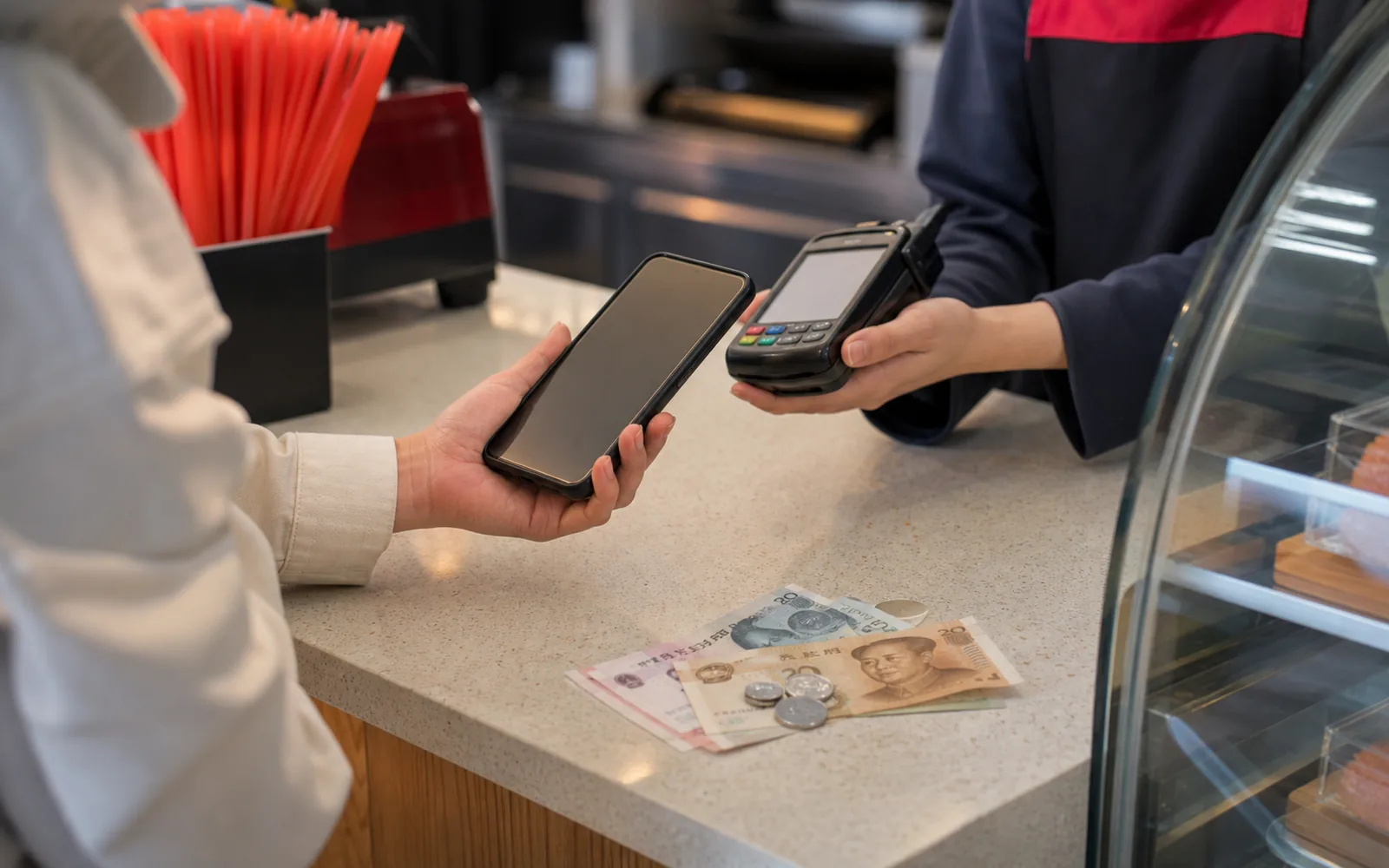

For most foreign visitors, the safest setup is Alipay or WeChat Pay as the main method, a second app/card route, a small RMB cash reserve, and PayPal QR as an extra option if your PayPal account is eligible after the 2026 Weixin Pay rollout.
Decision layer
Plan payments as a stack, not as one app.
China rewards visitors who arrive with layers: one primary wallet, one backup app or card, enough RMB cash for small friction, and screenshots for hotel or driver situations where translation slows everything down.
Set up Alipay or WeChat Pay before a timed trip, then test a small payment early so account, card and phone issues appear while you still have options.
Some deposits, preauthorizations and front-desk payments behave differently from restaurant QR scans. Keep a card and cash buffer ready.
Prepare what you will do if the phone is lost, SMS stops working, a card is declined, or a wallet risk check freezes payment.
Before departure
- Bind and verify the wallet
- Notify banks if needed
- Save emergency card details offline
On arrival
- Withdraw or obtain small cash
- Test a low-value payment
- Keep the hotel payment method separate
Practical caution: a successful QR payment in one shop does not prove every transaction type will work. Keep the backup active, not just theoretical.
Payment setup: what changes the decision
Main payment layer
- Prepare Alipay or WeChat Pay before a timed trip.
- Test a small QR payment early in the journey.
- Keep the passport name, card and phone number consistent.
Backup layer
- Carry RMB cash for outages, taxis and small shops.
- Keep a second card or second wallet route ready.
- Use PayPal QR only as an extra route when eligible.
Payment choice under pressure
Use this comparison before the first paid moment, then keep the backup active after the first successful scan.
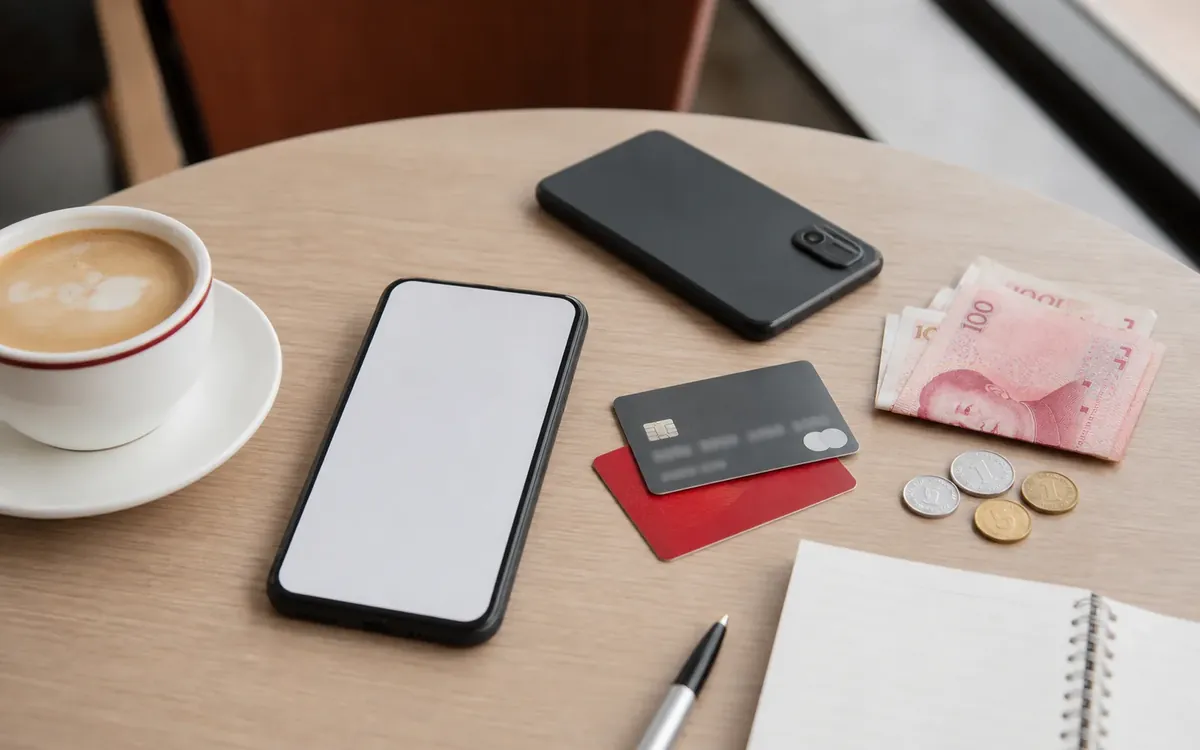
Safer setup
- Prepare one primary QR wallet.
- Keep a card, ATM or cash fallback.
- Test a small purchase before relying on it.
Risky setup
- Arrive with only one card.
- Assume every shop accepts foreign cards.
- Wait until a busy counter to test payments.
 Before leaving
Prepare the proof, address or app screen first.
Before leaving
Prepare the proof, address or app screen first.
The useful preparation is specific: one Chinese address, one saved record, one backup route and one person who can help if money, receipts and payment backups stall.
 At the counter
Compare the answer you receive with the Payments in China checklist.
At the counter
Compare the answer you receive with the Payments in China checklist.
If the local process differs, follow the official instruction and keep a record of the name, time and location.
Wallet, card and cash fallback
Check wallet setup, card backup, ATM access, cash reserve and the receipt or screenshot you may need later.
 Entry
Entry rules before booking
Entry
Entry rules before booking
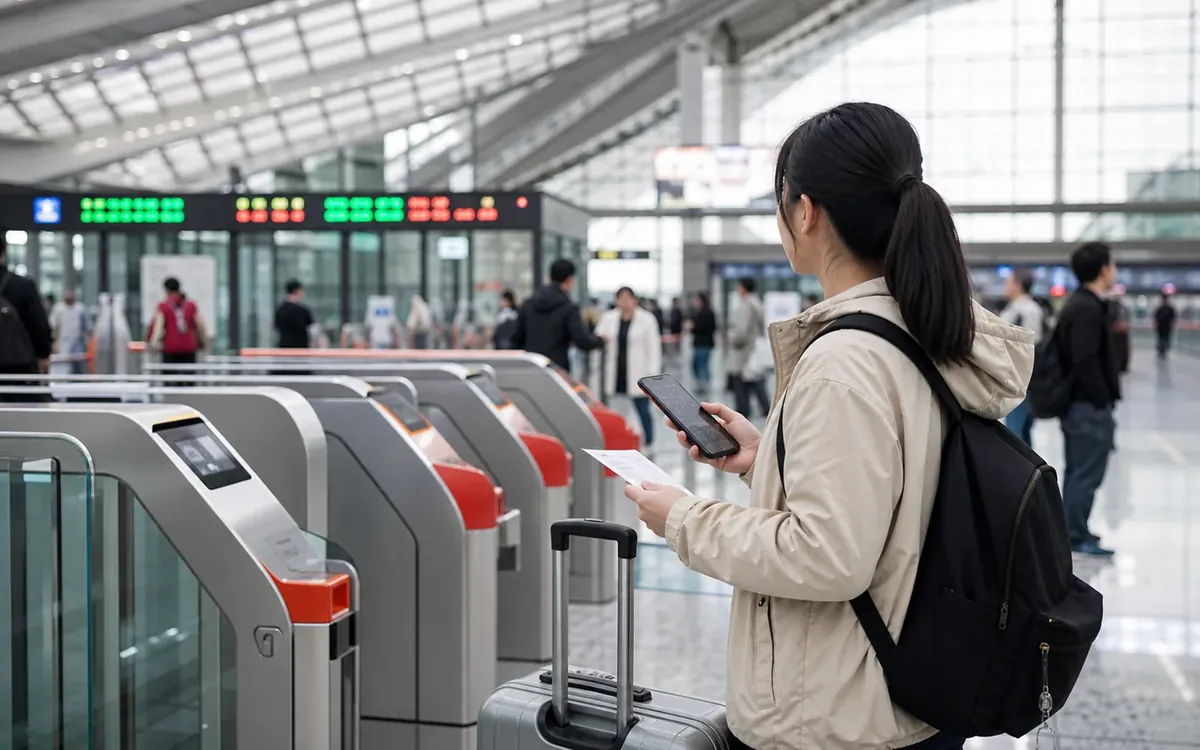 Transport
Rail and city transfers
Transport
Rail and city transfers
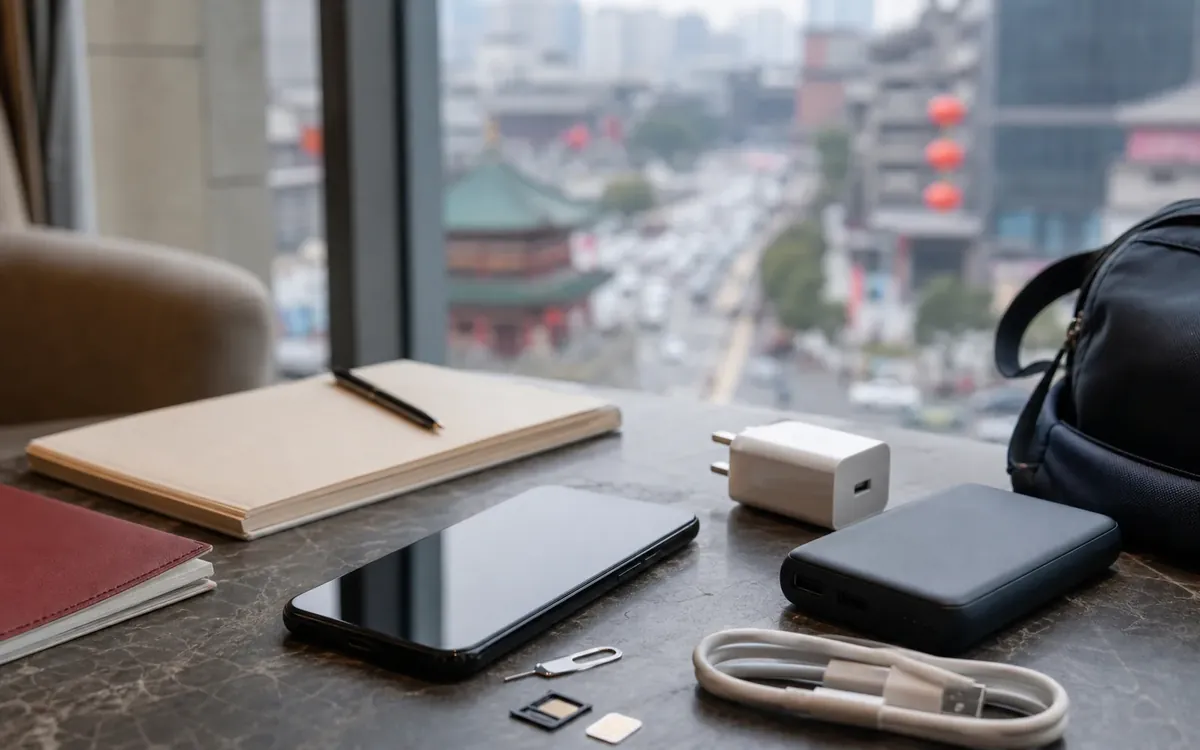 Apps
Phone, maps and translation
Apps
Phone, maps and translation
How to use Payments in China
Payment advice is written as a layered backup plan because app eligibility, card issuer risk controls, and merchant QR support can vary. The goal is not one perfect method, but a resilient stack.
May 2026 PayPal update: Tencent announced that PayPal users will be able to pay at Weixin Pay merchants in mainland China by scanning QR codes, launching first for U.S.-based PayPal users. Treat it as a useful new layer, not your only payment plan.
The payment stack to prepare
Do not arrive in China with only one way to pay. Even when an app works at one shop, it may fail at another because of identity checks, card issuer rules, merchant QR type, network problems, transaction limits, or app rollout differences.
Main layer
Alipay or WeChat Pay linked to an international card. This is the most useful daily setup for QR payments.
Backup layer
A second card, second app, eligible PayPal QR, hotel card payment, or ATM plan.
Emergency layer
RMB cash for water, taxi fallback, small restaurants, phone problems, or temporary app blocks.
Before departure
- Install Alipay and WeChat before leaving home, while app store access and bank verification are easy.
- Link at least one international card and complete any identity checks the app requests.
- Bring at least two cards from different issuers if possible.
- Check your bank app for travel controls, overseas transaction blocks, and fraud-alert contact methods.
- If you are a U.S.-based PayPal user, update PayPal and check whether China QR payment through Weixin Pay is available in your account.
- Save your hotel address in Chinese so someone can help if a taxi, ATM, or payment app fails.
Payment methods compared
Alipay: Often the easiest visitor payment route for QR payments, transport-related services, restaurants, shops, and travel mini-programs. Availability still depends on card issuer, app verification, merchant setup, and transaction conditions.
WeChat Pay / Weixin Pay: Very widely used in daily life and closely tied to WeChat. It is useful for restaurants, shops, taxis, contacts, mini-programs, and local services. Foreign-card-linked setup has improved, but test it early.
PayPal through Weixin Pay: Tencent's May 2026 announcement says PayPal users can use PayPal to scan or be scanned at Weixin Pay merchants, starting with U.S.-based PayPal users and expanding by market. Because rollout and eligibility can vary, keep Alipay/WeChat Pay, card, and cash backups.
Foreign bank cards: More likely to work at international hotels, airports, high-end malls, major tourist sites, and some chain businesses. They are less reliable for small daily transactions.
RMB cash: Important as a fallback. China has official guidance supporting diversified payment options, including cash, but some small merchants may be slower with change or may expect mobile payment first.
ATMs and currency exchange: Useful for cash backup. Use ATMs that show your card network logo and check both the Chinese bank limit and your home bank limit.
First 24 hours in China
- Get mobile data working before you need to pay for transport or food.
- Try a low-value payment, such as water or a convenience-store item.
- Withdraw or exchange a small RMB cash reserve if you do not already have one.
- Ask your hotel which nearby ATMs, shops, or restaurants are easiest for foreign visitors.
- Keep your second card separate from your main wallet.
Common scenarios
Hotel
International hotels are the most card-friendly, but deposits and pre-authorizations may behave differently from normal purchases.
Restaurants
QR payment is common. Large restaurants may accept cards; small restaurants may expect mobile pay or cash.
Taxis
Ride-hailing lowers payment friction if your app works. For street taxis, keep your destination in Chinese and a backup method ready.
Metro and buses
Some cities support app-based transit codes, cards, or ticket machines. Test the local method before a timed trip.
Markets and small shops
Mobile payment dominates. Cash can help, but change may be inconvenient at tiny shops.
Attractions
Major attractions may support multiple methods, but reservation, ID, and ticketing rules can matter as much as payment.
If a payment fails
Payment failure is common enough that you should plan for it calmly. It does not always mean the merchant refuses foreign customers. It may be a bank block, identity limit, merchant QR issue, weak data signal, unsupported card, or temporary app problem.
- Try both QR directions: scan the merchant code, or show your own payment code if the app supports it.
- Switch from Wi-Fi to mobile data, or move to a stronger signal.
- Try another card inside the same app.
- Try the other payment app.
- If eligible, try PayPal QR through Weixin Pay merchant QR codes.
- Use RMB cash for urgent small purchases.
- Ask hotel staff to help with a taxi, delivery, or merchant communication problem.
Fees, limits, and verification
Visitor payment limits, card-processing fees, identity requirements, and fee waivers can change by app, card type, issuer, country, and promotion period. Tencent's May 2026 announcement also described a 90-day processing-fee waiver for first-time users who link an international bank card to WeChat, up to RMB 1,000 of daily spending, but you should verify the exact terms inside the app.
For any important payment, especially hotels, deposits, medical care, business expenses, or long-distance transport, do not rely on an untested method.
How much cash should you carry?
Carry enough RMB cash to solve a small problem, not enough to fund your whole trip. For many short city trips, a modest reserve split between wallet and luggage is practical. The point is to survive a dead phone, app verification hold, card block, or taxi problem.
What not to do
- Do not wait until landing to install every payment app.
- Do not assume your foreign card will work at small restaurants or taxis.
- Do not rely only on PayPal until you have personally confirmed eligibility and tested it.
- Do not spend your cash reserve just because mobile payment worked once.
- Do not ignore bank fraud alerts before departure.
FAQ
Can I use only cash in China?
You should carry cash, but cash-only travel is inconvenient in many daily situations because QR payments are deeply embedded in restaurants, taxis, shops, and app-based services.
Can I use only a foreign credit card?
Not safely. Cards are useful at hotels, airports, and some larger businesses, but QR payment is more common for daily spending.
Does PayPal now replace Alipay or WeChat Pay?
No. The PayPal-Weixin Pay integration is important, especially for eligible U.S.-based PayPal users, but rollout and merchant compatibility should be tested. Keep other payment methods ready.
Which app should I set up first?
Most visitors should try to prepare both Alipay and WeChat Pay if possible. If time is limited, prepare at least one fully and bring card plus cash backups.
Sources and verification
Payment access changes. Before departure, verify your own card, app, country, and account status. The sources below are useful starting points, not a guarantee that a specific transaction will work.