
Prepare written Chinese phrases for allergies and restrictions, avoid vague words, choose simpler restaurants when risk matters, and carry backup snacks or safe foods during travel days.
Field plan
Treat dietary needs as a safety workflow, not a translation test.
A good plan uses clear written Chinese, simple venue choices, ingredient awareness and backup food. Do not rely on improvised English at a busy counter.
Write the restriction
Prepare short Chinese notes for the exact allergen or restriction, including sauces, broths, oils and cross-contact when relevant.
Choose the venue
Prefer clearer menus, hotel restaurants, malls or places with staff time when the risk is serious.
Carry fallback food
Keep safe snacks for trains, late arrivals, tours and days when the only open option is unclear.
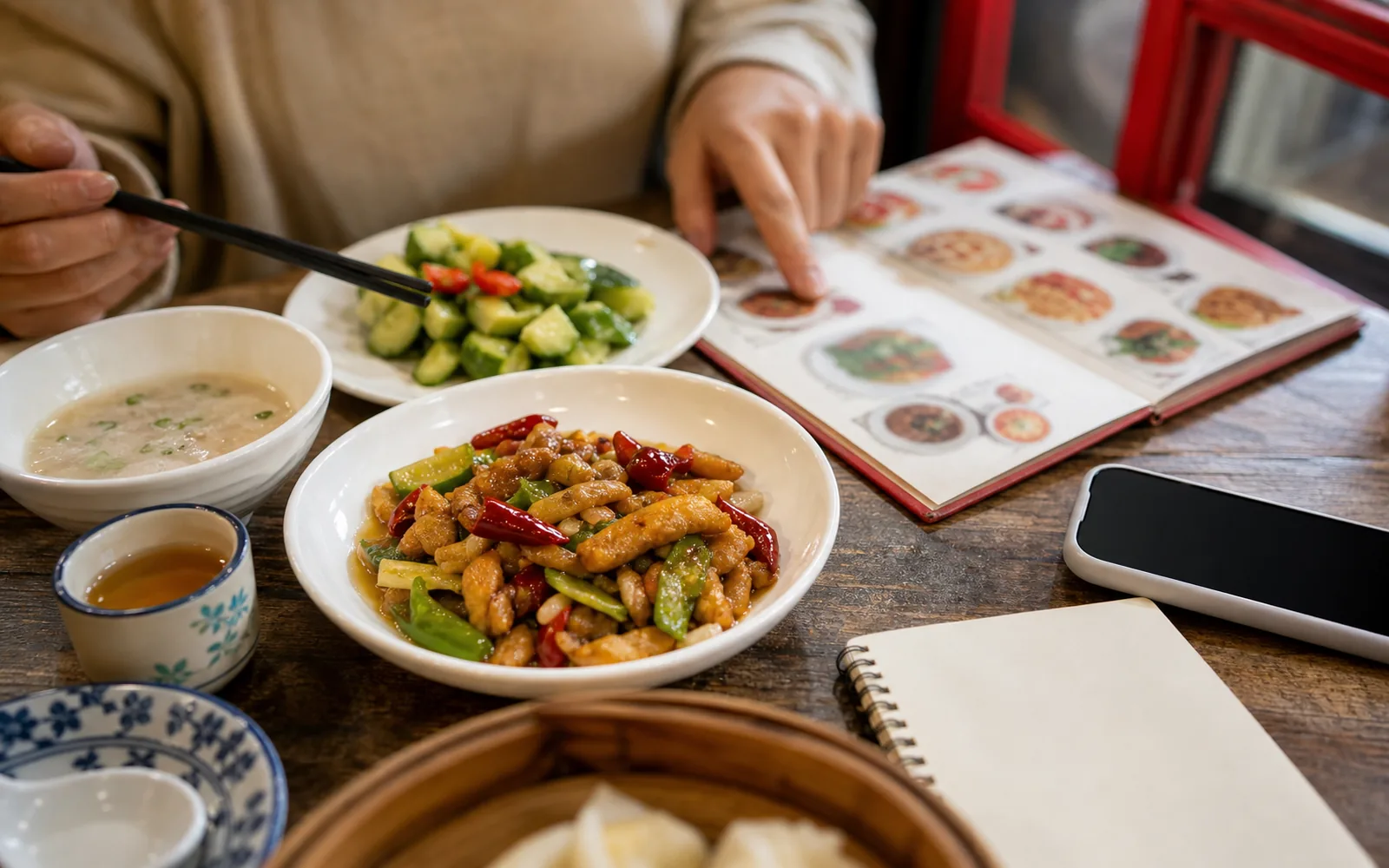
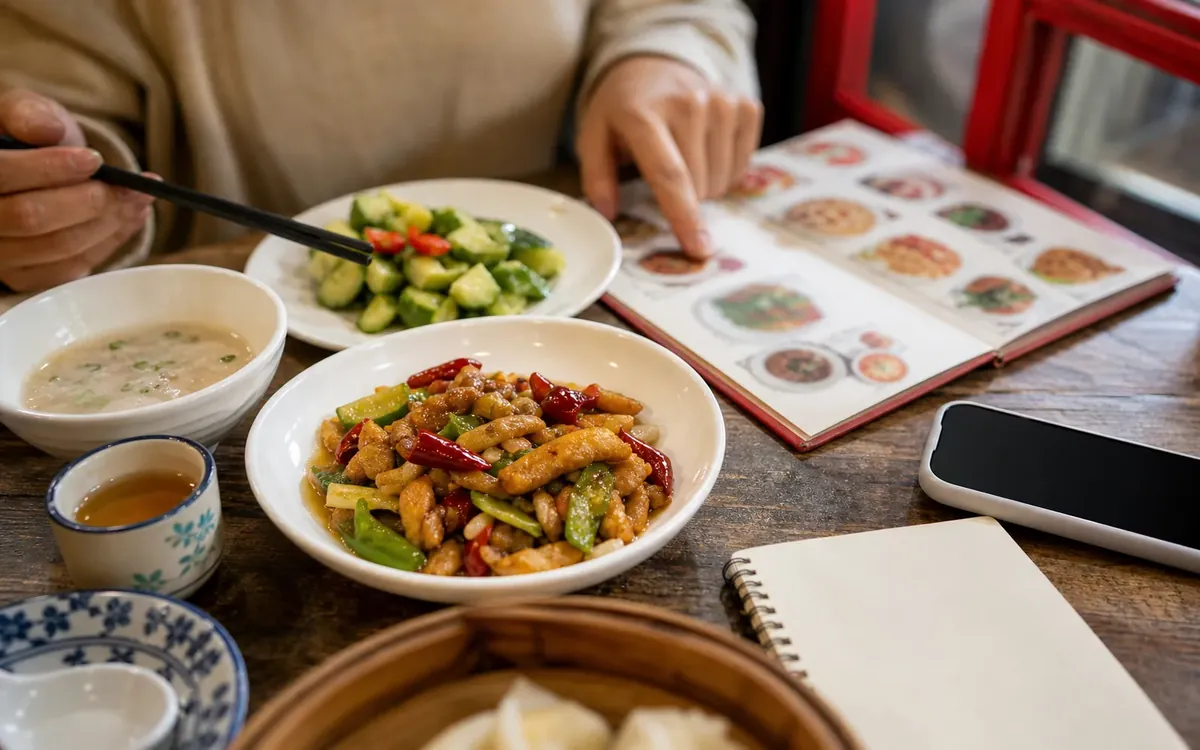
Show the note, point to the dish, ask whether the ingredient is inside, then decide if the answer sounds specific enough.
Use medical guidance, carry medication as appropriate, and avoid uncertain dishes rather than negotiating under pressure.
Food decision guide
Restaurant friction usually comes from menus, allergies, payments and peak timing, not the food itself.
Safer meal plan
- Save dietary notes in Chinese.
- Choose busy but readable restaurants.
- Keep QR payment and cash backup ready.
Risky meal plan
- Assume staff can parse complex English requests.
- Arrive at peak hour without a backup.
- Ignore allergy or ingredient translation.
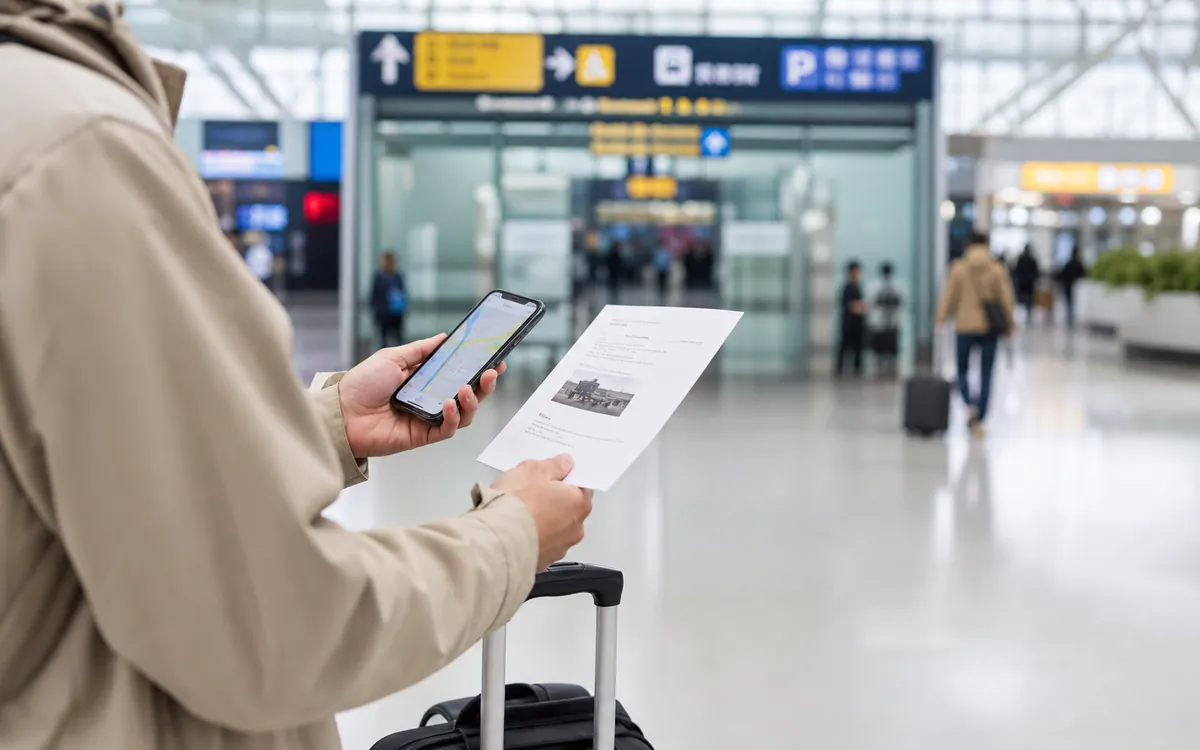 Before the moment
Mark the one choice Food Allergies and Dietary Needs in China needs to settle.
Before the moment
Mark the one choice Food Allergies and Dietary Needs in China needs to settle.
Turn the page into a short checklist: what to show, what to save, and what to do if the first answer does not work.
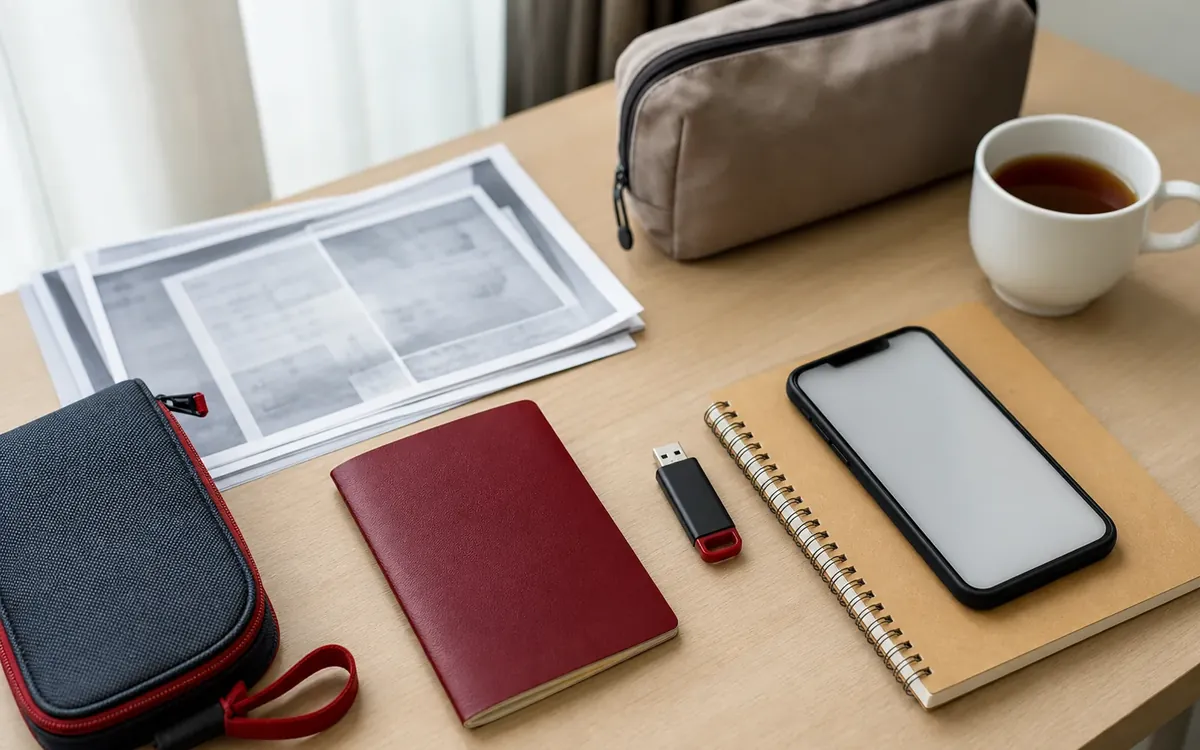 After the first try
Write down what changed on the ground.
After the first try
Write down what changed on the ground.
China travel details shift by city, venue and staff interpretation, so keep screenshots and names beside the meal ordering, dietary limits and service expectations notes.
Phone, maps and translation
Keep navigation, messaging and payment systems working from arrival day.
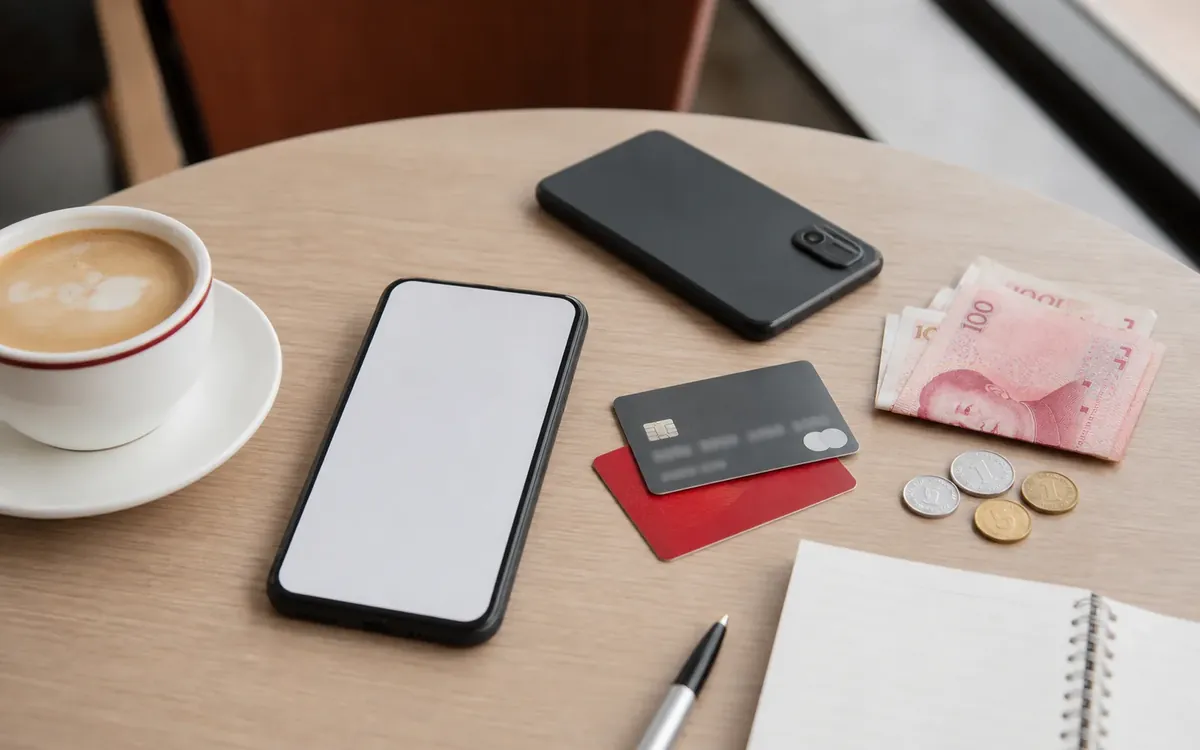 Payments
Menu, allergy note and bill expectation
Payments
Menu, allergy note and bill expectation
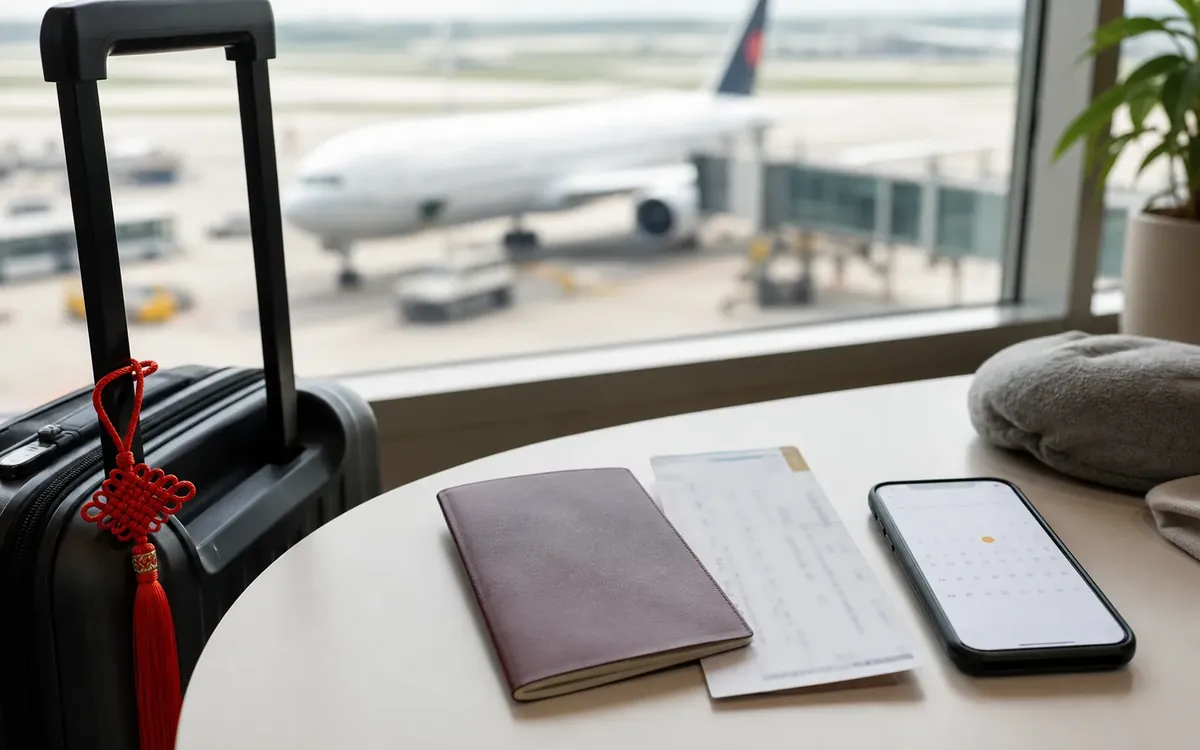 Entry
Entry rules before booking
Entry
Entry rules before booking
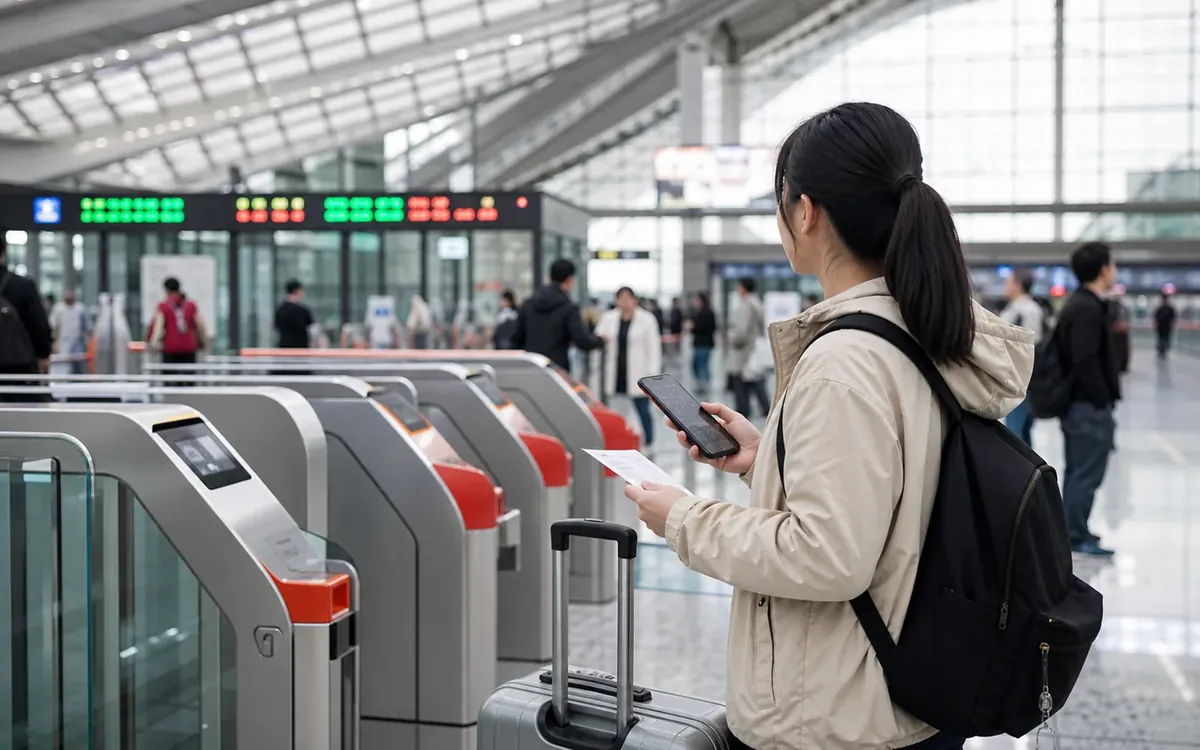 Transport
Rail and city transfers
Transport
Rail and city transfers
Write restrictions clearly
Write restrictions clearly is a practical control point for this topic. Treat it as something to check early, not something to solve under pressure.
Sauces and broths matter
Sauces and broths matter is a practical control point for this topic. Treat it as something to check early, not something to solve under pressure.
Carry backup food
Carry backup food is a practical control point for this topic. Treat it as something to check early, not something to solve under pressure.
Allergy seriousness
If an allergy is medically serious, do not rely on casual verbal explanations. Carry a written Chinese allergy card, include the ingredient names, and state that cross-contact is a problem if it is. Busy restaurants may not understand the severity unless you are direct.
Vegetarian and vegan travel
Vegetarian food exists, but the concept may be interpreted differently by region and restaurant. Meat broth, oyster sauce, lard, dried shrimp, or small meat pieces can appear in dishes that look vegetable-based. Vegan travelers should be even more explicit.
Halal and religious needs
Major cities often have halal restaurants, especially near Muslim communities, universities, and transport hubs. In smaller places, research ahead and save restaurant names in Chinese. Do not assume every beef or lamb restaurant is halal.
Gluten and other restrictions
Gluten-free travel can be difficult because soy sauce, noodles, dumplings, and shared kitchens are common. A strict gluten-free traveler should prepare specific Chinese wording and use cautious restaurant choices.
Travel-day backups
Long train rides, airports, late arrivals, and remote attractions are where restrictions become harder. Bring safe snacks, packaged food, and a plan for simple meals near the hotel.
Food Allergies and Dietary Needs in China checklist
- Prepare a Chinese allergy card
- List forbidden ingredients clearly
- Save safe restaurant options near hotel
- Carry snacks on travel days
- Use simpler dishes when uncertain
Mistakes to avoid with Food Allergies and Dietary Needs in China
- Saying only 'I cannot eat spicy' when the issue is allergy
- Assuming vegetarian means no meat broth
- Relying on one restaurant near a station
- Not explaining cross-contact
- Forgetting sauces and cooking oil
When Food Allergies and Dietary Needs in China needs local help
Ask restaurant staff, hotel staff, a local host or delivery support when the menu, allergy note or bill is unclear. Show the Chinese phrase and avoid improvising under pressure.