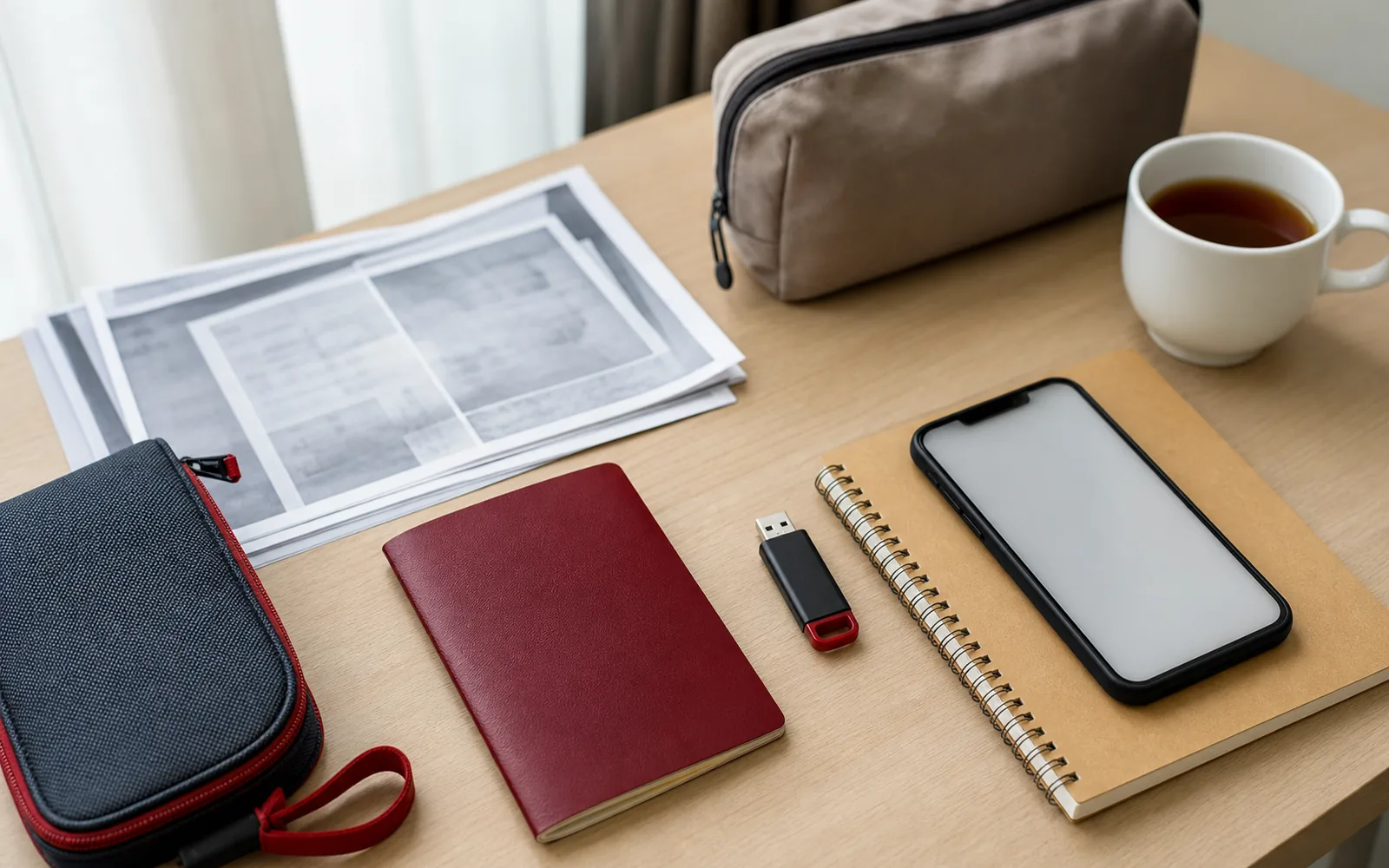
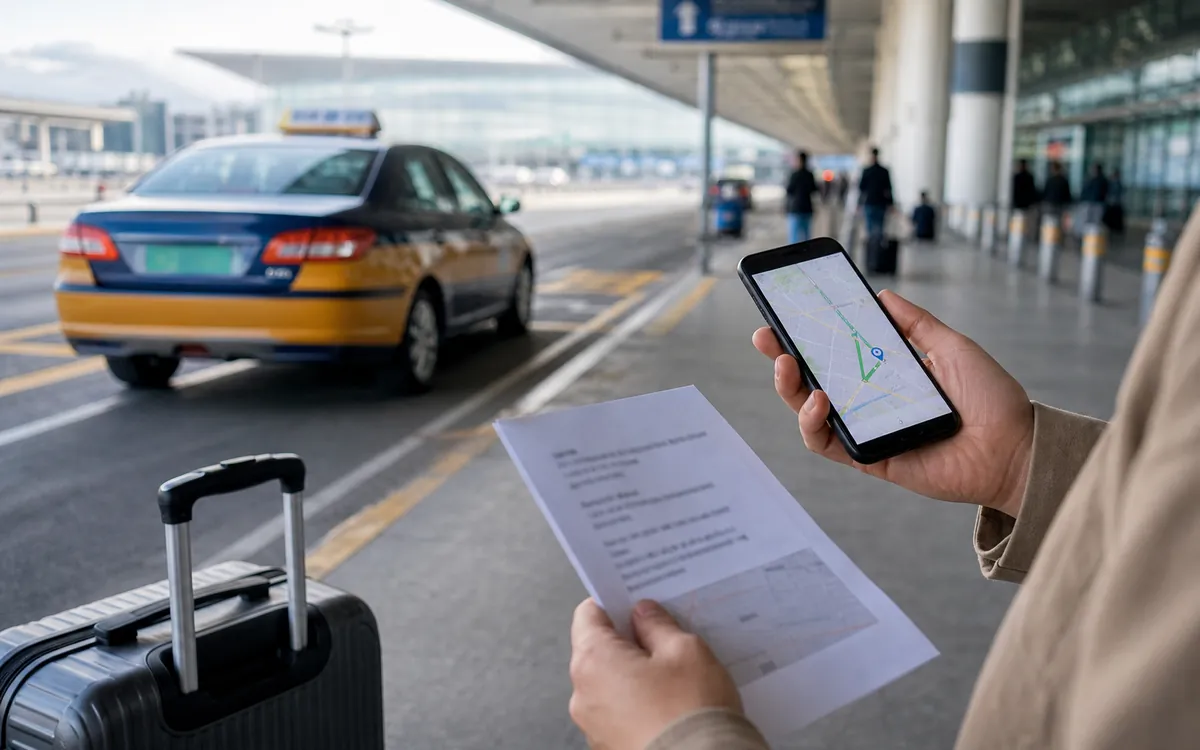
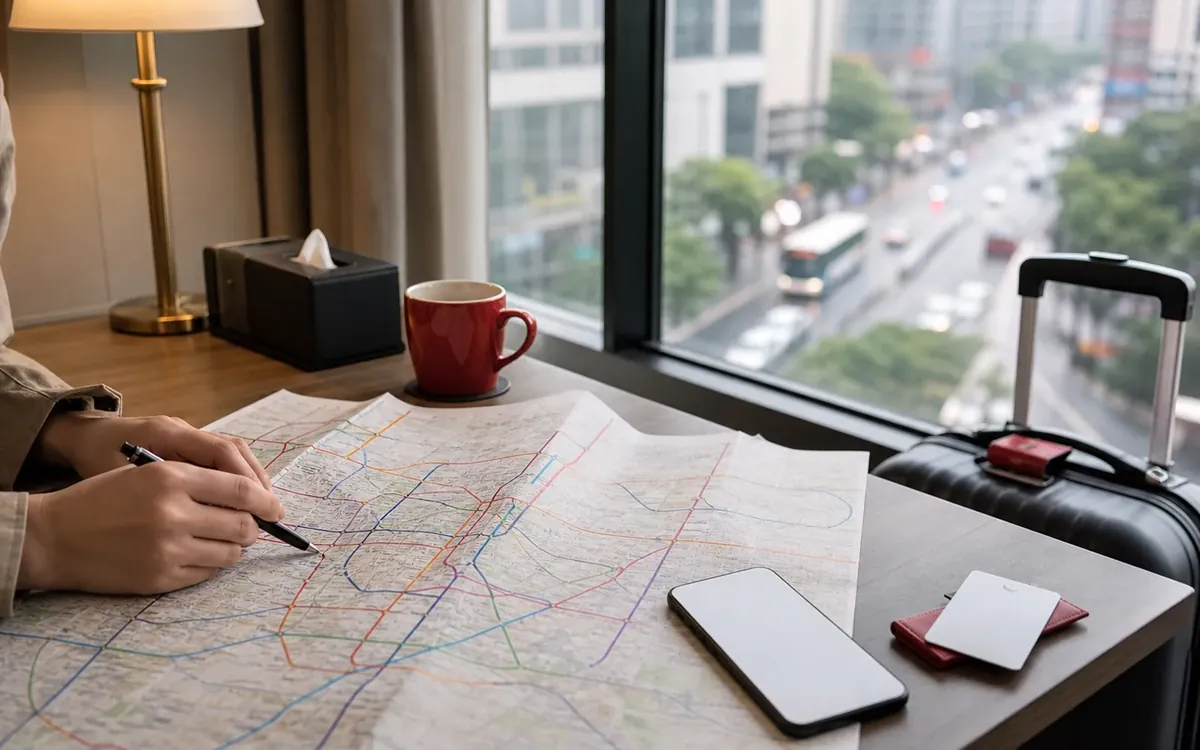
Carry the passport when required, store copies offline and online, keep visa and entry records accessible, and build a routine so documents do not disappear during travel days.
Trust plan
Keep documents usable when the trip gets stressful.
Passport and entry records are not just paperwork. Hotels, rail stations, police checks, hospitals, banks and consulates may all need different proof at different moments.
Carry versus store
Carry the passport when rules or bookings require it, but avoid loose pockets and casual bag swaps on travel days.
Copy stack
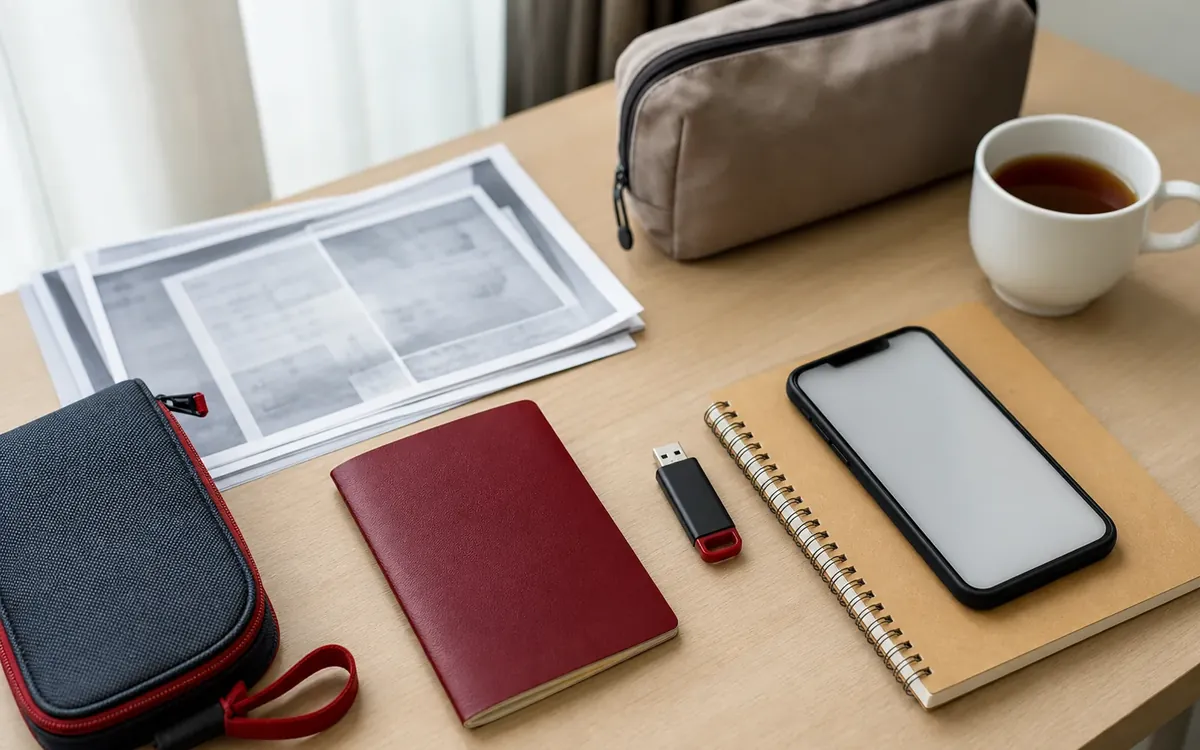
Keep offline photos, cloud copies, printed backup details and hotel registration records in separate places.
Routine check
Use the same document routine before checkout, train travel, border moves and late-night returns.
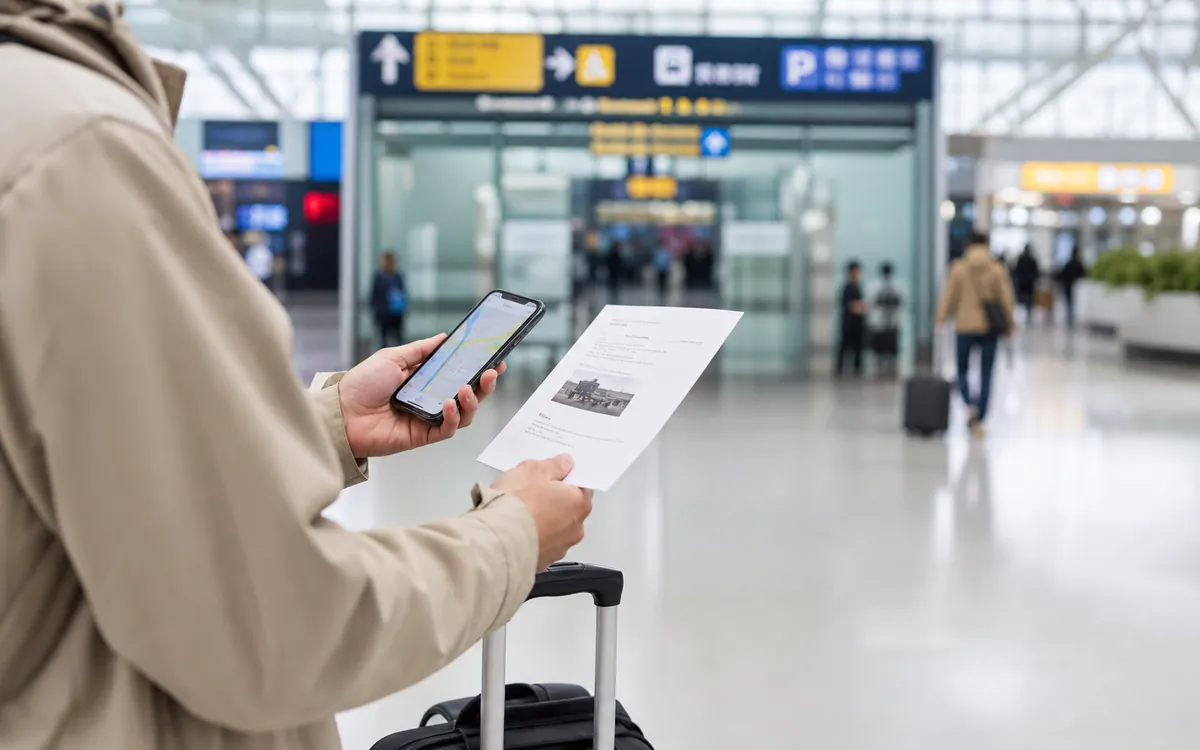
Confirm passport, entry record, hotel address, ticket name and emergency contact before leaving the room.
Stop moving, retrace the last controlled place, contact hotel or venue staff, then follow official reporting and consular guidance.
Important: This page supports preparation. For lost passports, immigration status or legal duties, follow official authorities and your embassy or consulate.
Entry decision guide
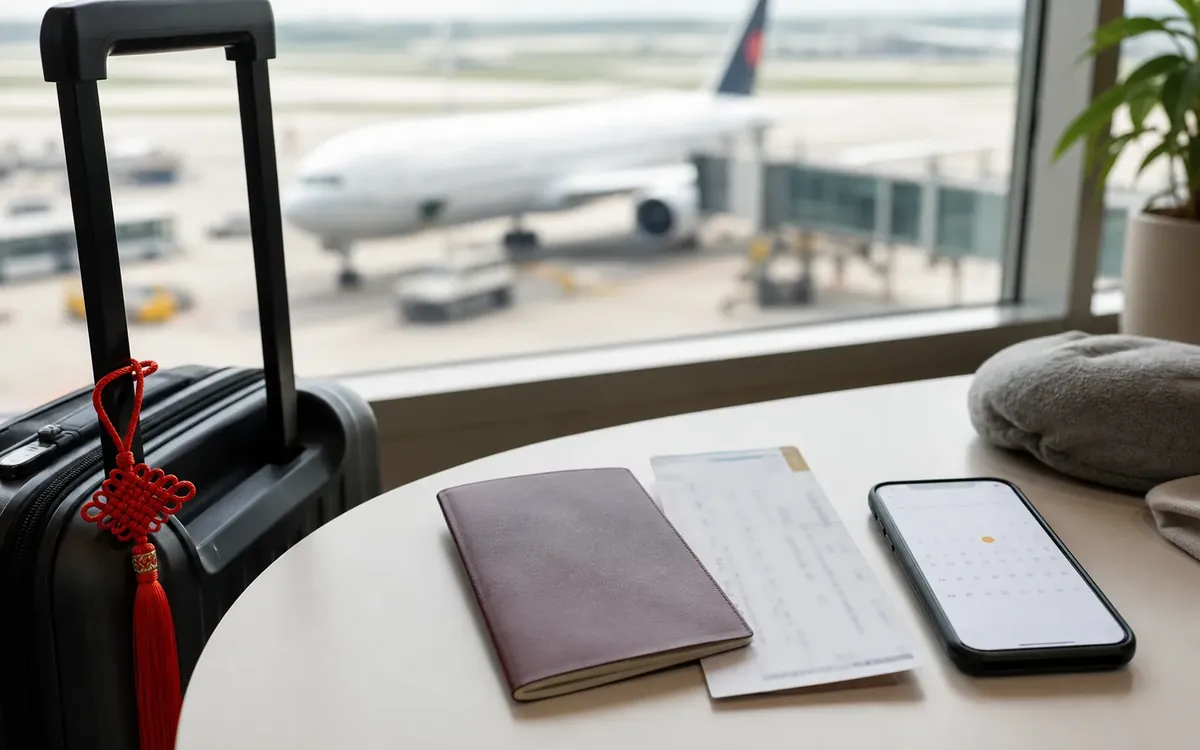
Match passport, route, purpose, stay length and port before booking anything difficult to change.
Safer route
- Verify eligibility against official sources.
- Keep onward tickets and hotel details offline.
- Check airline acceptance before travel day.
Risky route
- Mix transit and destination rules.
- Rely on old screenshots or social posts.
- Book non-refundable plans before confirming entry logic.
 Prepare
Set up the part that is hard to fix under pressure.
Prepare
Set up the part that is hard to fix under pressure.
Do this before a station queue, front desk, restaurant rush, supplier visit or late-night transfer narrows your choices.
Recover
Keep a calm fallback that a local person can understand.
The best backup is simple enough to show: an address, receipt, passport page, route, contact or translated sentence.
Entry rules before booking
Visa-free eligibility, transit timing, passport checks and border documents.
 Payments
Passport, route and official wording
Payments
Passport, route and official wording
 Transport
Rail and city transfers
Transport
Rail and city transfers
 Apps
Phone, maps and translation
Apps
Phone, maps and translation
Passport is used often
Passport is used often is a practical control point for this topic. Check it early so it does not become a problem under pressure.
Copies help recovery
Copies help recovery is a practical control point for this topic. Check it early so it does not become a problem under pressure.
Routine prevents loss
Routine prevents loss is a practical control point for this topic. Check it early so it does not become a problem under pressure.
When you need the passport
Foreign visitors may need the physical passport for hotels, trains, flights, hospitals, banks, and some official checks. A photo is useful but does not replace the original when ID verification is required.
Copies and backups
Keep scans or photos of passport ID page, visa or entry record, insurance, hotel address, and emergency contacts. Store copies both offline on your phone and in a secure cloud account.
Daily carry decisions
Carry the passport when moving between cities, checking in, flying, taking trains, or dealing with official services. On simple local sightseeing days, decide based on hotel safe, local rules, and risk.
If it is lost
Contact hotel staff, local police, your embassy or consulate, airline, and travel insurance as needed. Lost-passport recovery is easier with copies, entry details, and proof of travel plans.
Travel-day routine
Use the same document pouch, check it before leaving hotels, and never place the passport in seat pockets, restaurant tables, or unlocked outer bag pockets.
Keeping Your Passport and Documents Safe in China checklist
- Carry passport for trains and hotels
- Store secure digital copies
- Save visa or entry records
- Use a document pouch
- Check documents before leaving each hotel
Mistakes to avoid with Keeping Your Passport and Documents Safe in China
- Packing passport in checked luggage
- Keeping no copies
- Leaving passport at front desk too long
- Using random bag pockets
- Ignoring lost-passport steps until departure day
When Keeping Your Passport and Documents Safe in China needs local help
Ask airline staff, border staff, embassy or consulate channels, hotel staff or a trusted local contact when the route or document wording is unclear. Save the official source and your itinerary together.