
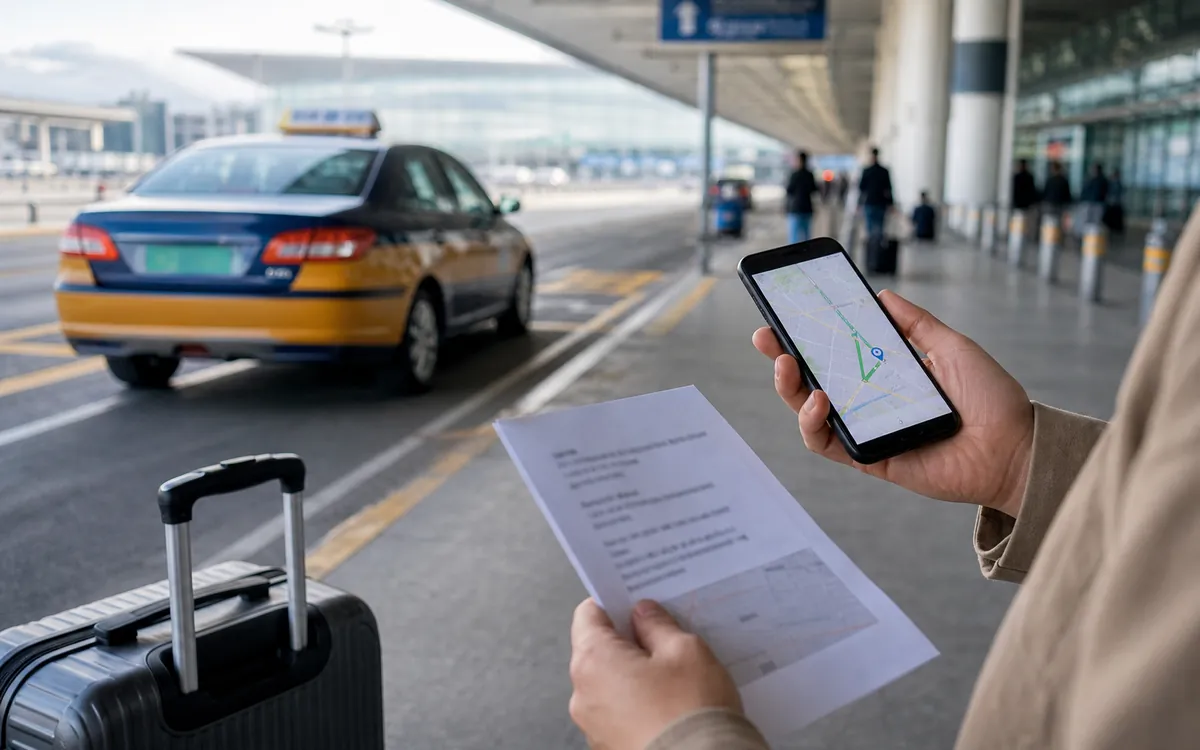

Book a hotel that clearly accepts foreign guests, arrive with your passport, keep the Chinese address saved, expect a deposit at some properties, and ask the front desk to confirm that your temporary accommodation registration has been handled.
Decision layer
Hotel check-in is an immigration and payment checkpoint.
For foreign visitors, the hotel is not just a bed. It is where passport registration, local address proof, deposits, payment methods and late-arrival logistics meet. Choose and prepare the hotel with that role in mind.
Book properties that clearly accept foreign guests and understand temporary accommodation registration. Do not assume every small hotel can process it.
Save the hotel name, Chinese address, phone number and nearby landmark as screenshots. You may need them for taxis, police forms or delivery apps.
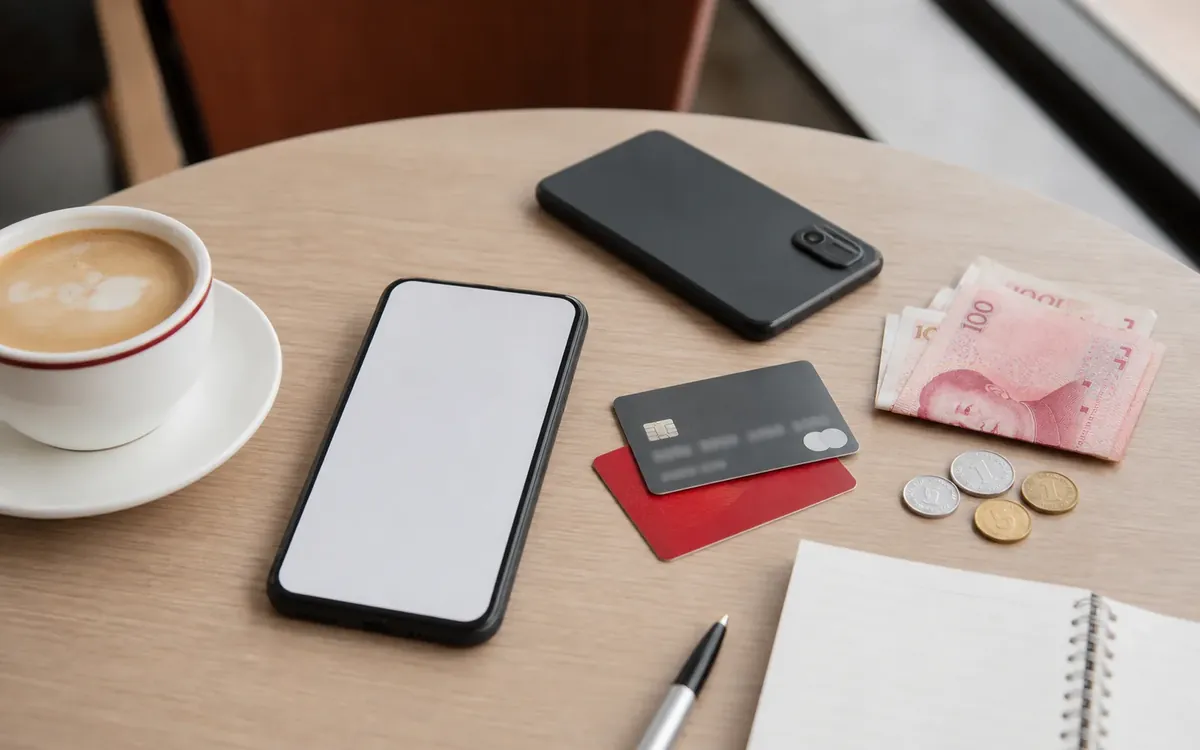
Some hotels need a deposit or preauthorization. Bring a card, wallet and cash fallback so check-in does not depend on one payment route.
Before booking
- Foreign passport check-in confirmed
- Late arrival accepted
- Deposit and payment rules clear
At the desk
- Passport ready
- Booking name consistent
- Registration handled by staff
Practical caution: an attractive low-price room can become expensive if the property cannot register foreign guests or cannot process your payment on arrival.
Hotel and arrival decision guide
The best hotel choice is usually the one that makes check-in, transport and first-day recovery easier.

Safer stay
- Confirm foreign passport check-in.
- Save the Chinese name and address.
- Choose location by station access, not only price.
Risky stay
- Book an unverified property late at night.
- Arrive without the Chinese address.
- Ignore deposits, payment and registration rules.
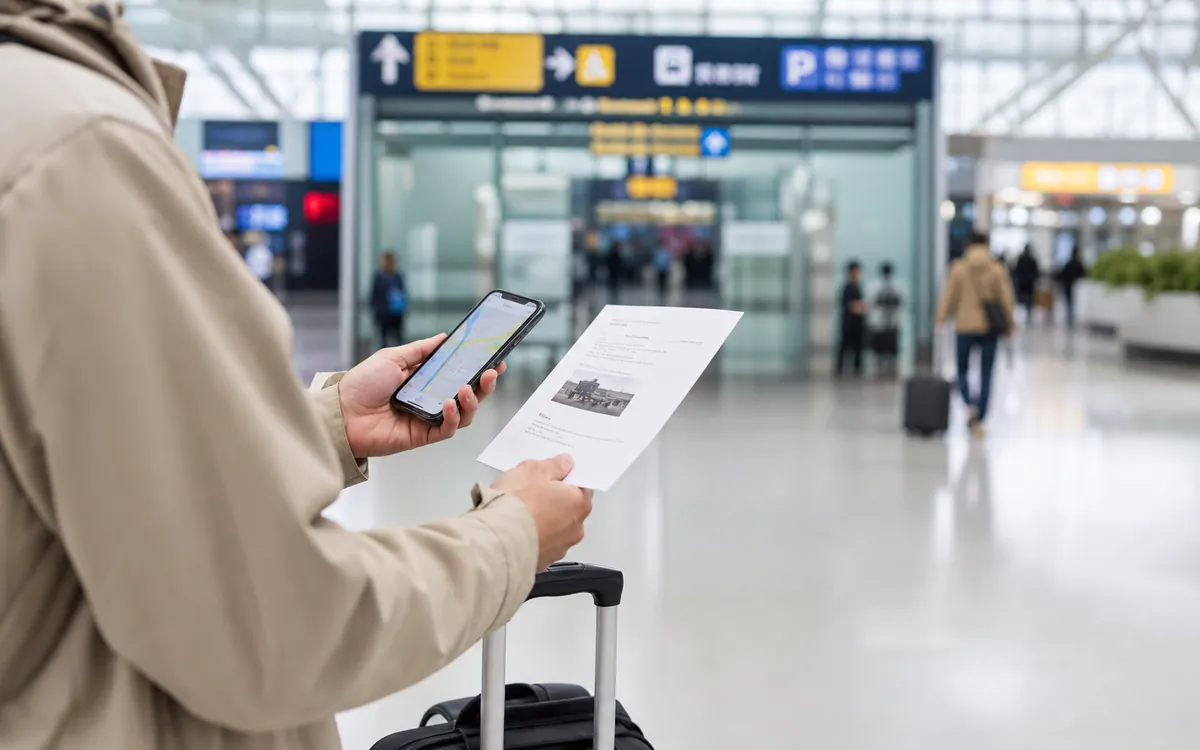 Prepare
Set up the part that is hard to fix under pressure.
Prepare
Set up the part that is hard to fix under pressure.
Do this before a station queue, front desk, restaurant rush, supplier visit or late-night transfer narrows your choices.
 Recover
Keep a calm fallback that a local person can understand.
Recover
Keep a calm fallback that a local person can understand.
The best backup is simple enough to show: an address, receipt, passport page, route, contact or translated sentence.
Entry rules before booking
Visa-free eligibility, transit timing, passport checks and border documents.

 Payments
Chinese address, front desk and service timing
Payments
Chinese address, front desk and service timing
 Transport
Rail and city transfers
Transport
Rail and city transfers
 Apps
Phone, maps and translation
Apps
Phone, maps and translation
Passport is not optional
Passport is not optional is a practical control point for this topic. Treat it as something to check early, not something to solve under pressure.
Registration is handled by hotels
Registration is handled by hotels is a practical control point for this topic. Treat it as something to check early, not something to solve under pressure.
Deposits vary by property
Deposits vary by property is a practical control point for this topic. Treat it as something to check early, not something to solve under pressure.
Why this matters
In China, hotels normally register foreign guests with local public security systems. For ordinary hotel stays this is usually handled by the hotel, but the traveler still needs a passport, a matching booking, and a property that is able to receive foreign guests. Problems usually happen when a small guesthouse is not prepared for foreign passport registration, the booking name does not match the passport, or the traveler arrives late with no Chinese address saved.
Before you book
Check whether the property has recent reviews from foreign travelers, not only domestic guests. If a platform shows a passport or international guest note, read it carefully. For late-night arrivals, choose a hotel with a staffed front desk rather than an apartment-style listing that depends on app messages or local ID verification.
What to show at the desk
Have your passport, booking name, phone number, and payment method ready. If you are staying with family or colleagues, each foreign guest may need to show a passport. A screenshot of the booking is useful, but the passport name is the key identity reference.
Deposits and payment
Some hotels request a cash, card, or mobile-payment deposit for room charges or damage. International chain hotels are more likely to accept cards, while smaller hotels may prefer mobile payment or cash. If mobile payment is still untested, keep a card and some RMB cash available for the first night.
If the hotel says there is a problem
Stay calm and ask whether the issue is the booking name, passport registration, payment, room availability, or whether the property cannot host foreign guests. If the property cannot solve it, ask the booking platform or a nearby international hotel for help. Do not wait until midnight to discover that a self-check-in apartment cannot process your passport.
Hotel Check-in and Temporary Registration in China checklist
- Book a property with foreign-guest reviews
- Save the hotel name and address in Chinese
- Carry the physical passport, not only a photo
- Keep one payment backup ready
- Ask the front desk for the hotel card or address after check-in
Mistakes to avoid with Hotel Check-in and Temporary Registration in China
- Booking a cheap apartment with no passport-registration process
- Using a nickname that does not match the passport
- Arriving after front desk hours without confirming check-in
- Assuming every hotel accepts foreign cards
- Not saving the Chinese address for taxi or emergency use
When Hotel Check-in and Temporary Registration in China needs local help
Ask hotel staff, building security, delivery staff, platform support or a trusted local contact before the situation becomes late-night or time-sensitive. Show the Chinese address, booking name and receipt first.