Timing update
China Public Holidays: Why Travel Timing Changes the Whole Plan
A practical update explainer on how China's public holidays affect transport, hotels, tickets, crowds, delivery, business meetings, and recovery days.
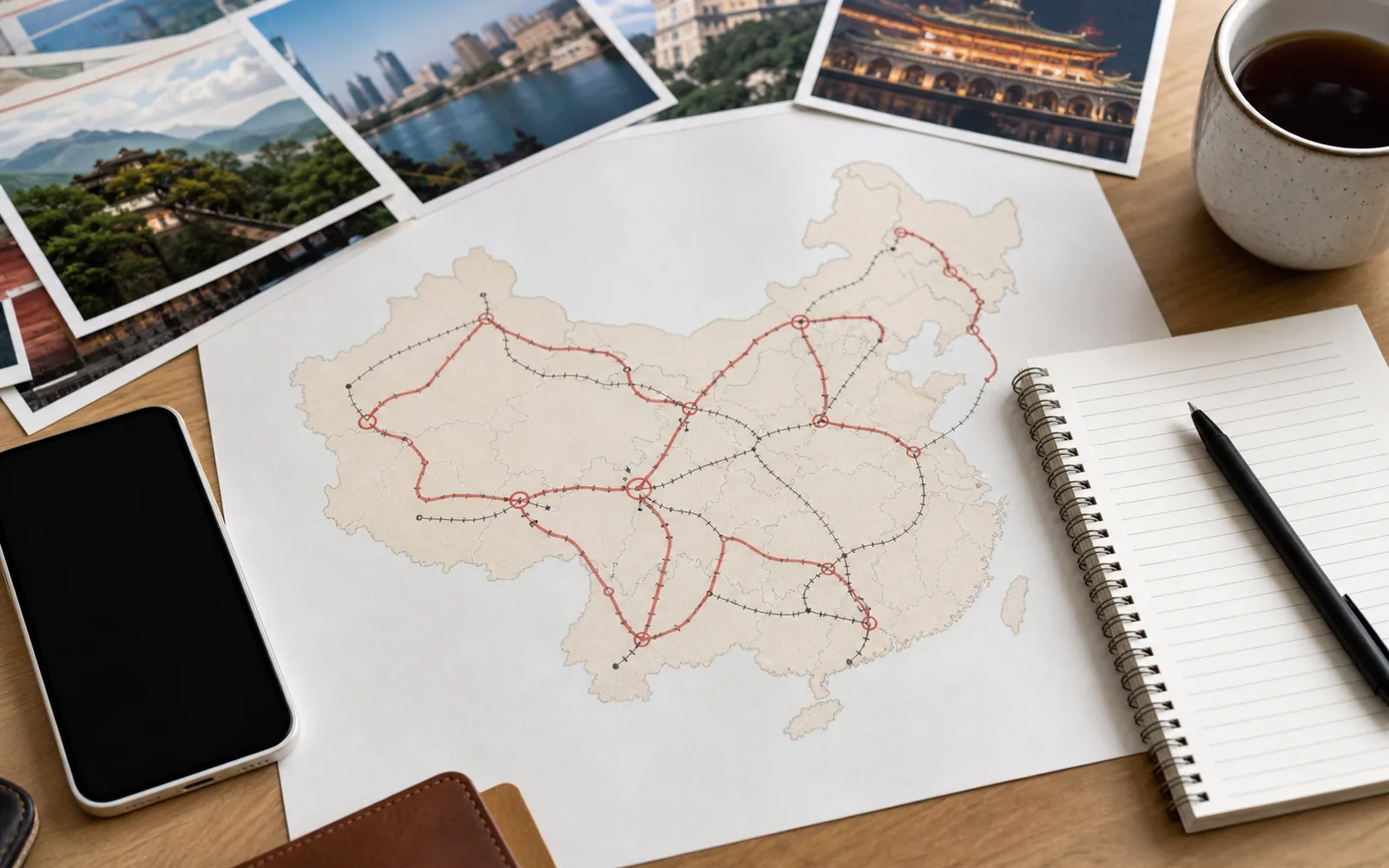
The calendar is part of the itinerary
In China, public holidays affect train tickets, hotel prices, attraction queues, family travel, business availability and delivery timing. Check the calendar before choosing cities.
The important update is not just the dates
Every year, China's public holiday schedule reshapes travel behavior. The official dates matter, but the practical impact goes beyond the red days on a calendar. Many travelers move before and after the holiday window. Some workdays may be adjusted around long breaks. Families, students, workers and domestic tourists all plan around the same compressed periods. That means a foreign visitor can feel holiday pressure even on a day that does not look like a holiday in a simple calendar app.
The safe planning habit is to treat holiday timing as an itinerary design input. If the route includes high-speed rail, airports, famous scenic areas, theme parks, border crossings, hotel changes or business meetings, check the public holiday schedule before locking the city order.
Where holiday pressure appears first
Transport usually shows pressure first. Train tickets, airport routes, station security, ride-hailing pickup points and long-distance buses can all become harder. Hotels near rail stations, tourist districts and family destinations may sell out or rise in price earlier than expected. Restaurants and attractions may still operate, but the experience changes: longer queues, timed-entry scarcity, more crowded metro lines and less flexibility when a plan slips.
Business travelers face a different version of the problem. A holiday week can make supplier visits, factory meetings, invoice handling, bank errands and delivery schedules less predictable. Even if your meeting date is outside the holiday itself, decision-makers may be traveling, warehouses may be clearing backlog, and staff may be catching up.
When to simplify the route
Simplify if your trip overlaps Spring Festival, Labor Day, National Day or a merged holiday period. Simplification does not mean staying home. It means choosing fewer base changes, booking earlier, adding buffer days and avoiding fragile transfers. A two-city trip with strong hotel locations can be better than a five-city route that depends on perfect ticket availability.
Simplify even more if you are traveling with children, older parents, large luggage, medical needs or a tight business schedule. Holiday pressure makes small frictions more expensive. A station that is manageable on an ordinary Tuesday can feel very different during a holiday movement wave.
How to use buffer days
A buffer day is not an empty day. It is a day that protects the rest of the trip. Use it after long flights, before critical meetings, after a major rail transfer, before a border crossing, or around a famous attraction. During public holidays, buffer days help absorb sold-out trains, heavy traffic, rain, queue fatigue and changed opening hours.
For tourists, the best holiday route often has one anchor city and one secondary base instead of many short hops. For business travelers, place the most important meeting away from the first working day after a long holiday when possible. For long-stay visitors, avoid scheduling apartment moves, bank tasks or school paperwork at the edge of a holiday period.
Do not overread crowd advice
Holiday advice often becomes too dramatic. China does not become impossible during holidays. It becomes less forgiving. Popular routes need earlier decisions, and backup routes need to be real. If you plan around the calendar, holidays can still work: choose neighborhoods with food nearby, buy rail tickets early, avoid same-day long transfers, and keep one simple day after the most crowded movement.
The wrong conclusion is 'never travel during holidays.' The better conclusion is 'do not build a brittle route during holidays.'
Source check for this update
Use the State Council English website for the annual public holiday schedule, then cross-check transport and attraction timing on the platforms you will actually use. Holiday arrangements can change by year, and local events can add pressure beyond the national schedule.
Useful starting points include the State Council's China public holidays for 2026 page and the State Council archive for official updates.
Practical impact note
This page explains how a policy, payment, transport, hotel or border change affects real planning. It is not legal advice, ticketing advice, medical advice or a guarantee that a platform, airline, hotel, bank or border counter will handle your case the same way. Verify the final rule with the official source or provider before relying on it.
Holiday timing checks
- Official public holiday dates for your travel year.
- Train and flight dates on both sides of the holiday.
- Hotel cancellation rules near transport hubs.
- Opening-hour checks for anchor attractions.
- One recovery or buffer day after the busiest move.