Avoid unnecessary travel during Spring Festival, National Day Golden Week, Labor Day, and the start or end of long holidays. Book trains, hotels, and flights early, expect adjusted weekend workdays, and avoid scheduling critical business, visa, banking, school, or government tasks right before or during holidays.
Culture decision guide
Most misunderstandings are easier to prevent when you know what the other side may be optimizing for.
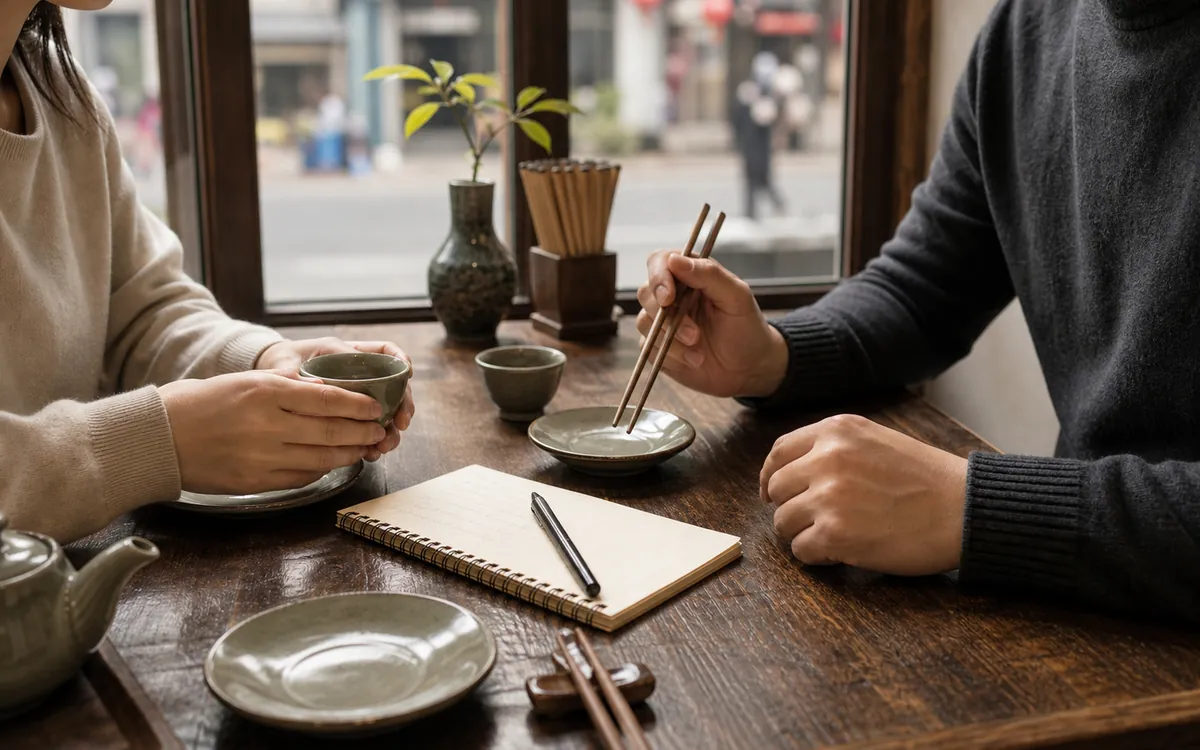
Safer approach
- Observe first and ask simple questions.
- Keep gifts, timing and dining expectations modest.
- Separate personal preference from local convention.
Risky approach
- Assume silence means agreement.
- Overinterpret one awkward moment.
- Treat every city or workplace as the same.
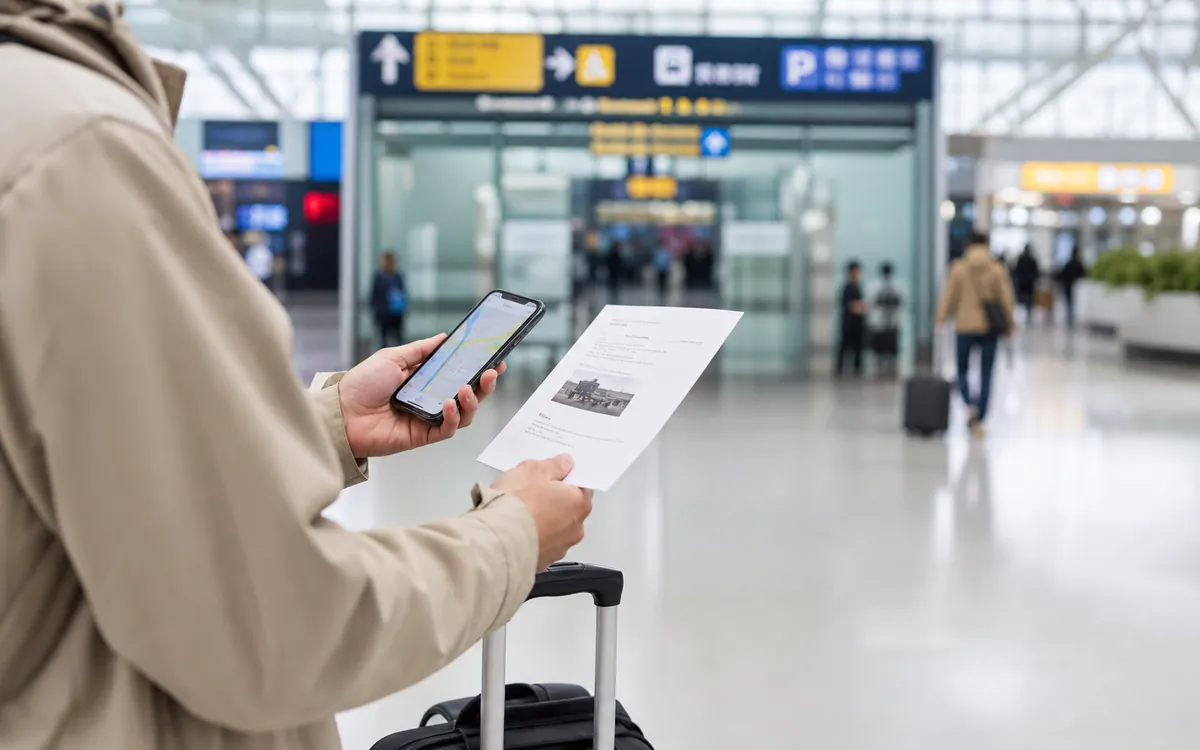 Prepare
Set up the part that is hard to fix under pressure.
Prepare
Set up the part that is hard to fix under pressure.
Do this before a station queue, front desk, restaurant rush, supplier visit or late-night transfer narrows your choices.
 Recover
Keep a calm fallback that a local person can understand.
Recover
Keep a calm fallback that a local person can understand.
The best backup is simple enough to show: an address, receipt, passport page, route, contact or translated sentence.
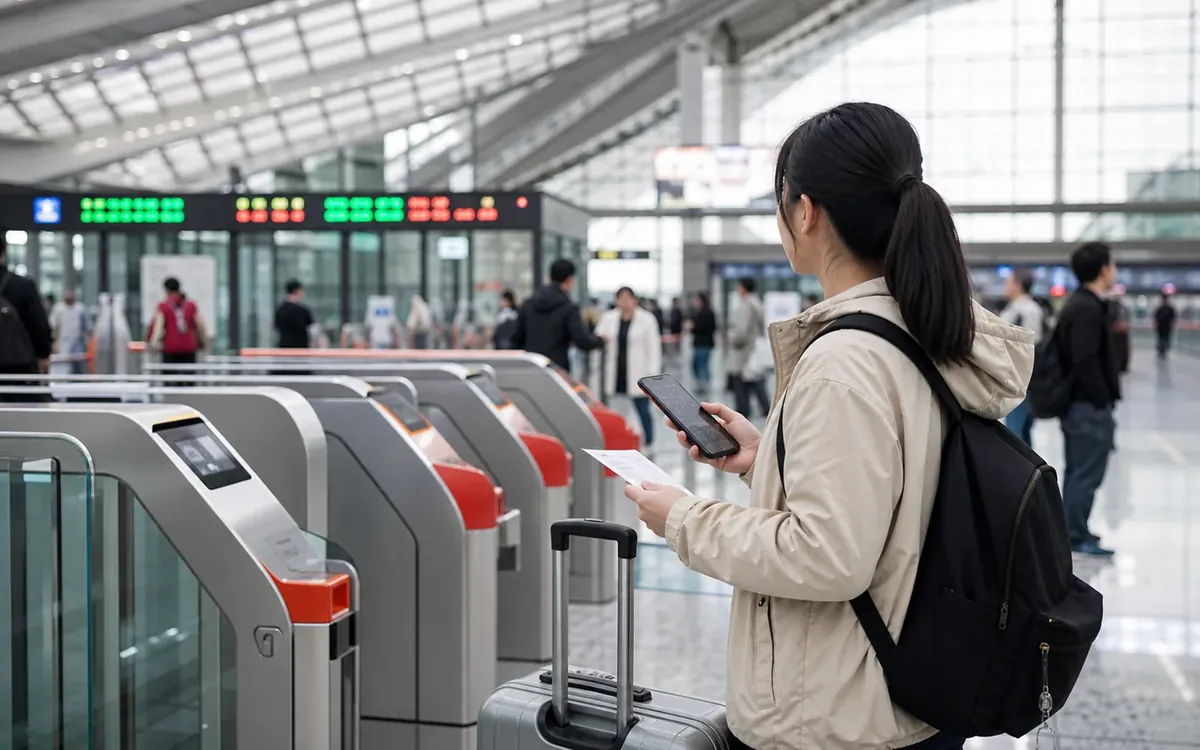
Rail and city transfers
High-speed rail, station names, security checks and realistic transfer buffers.
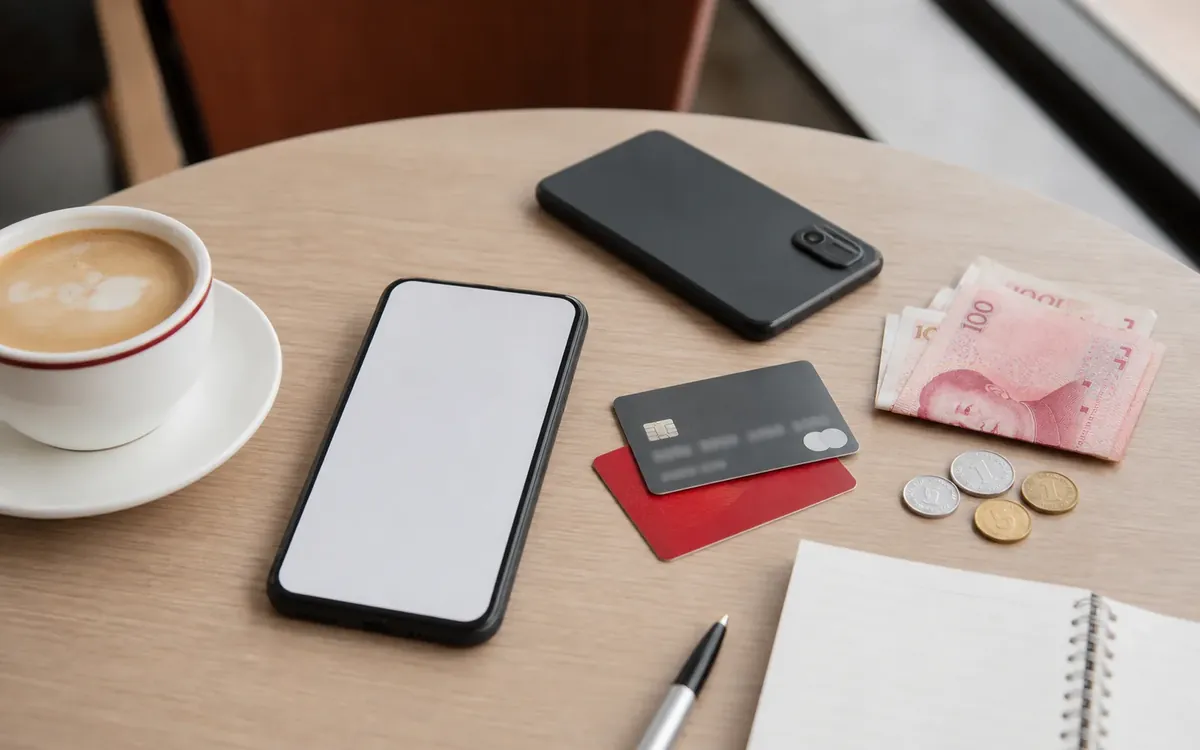 Payments
Routine, timing and local support
Payments
Routine, timing and local support
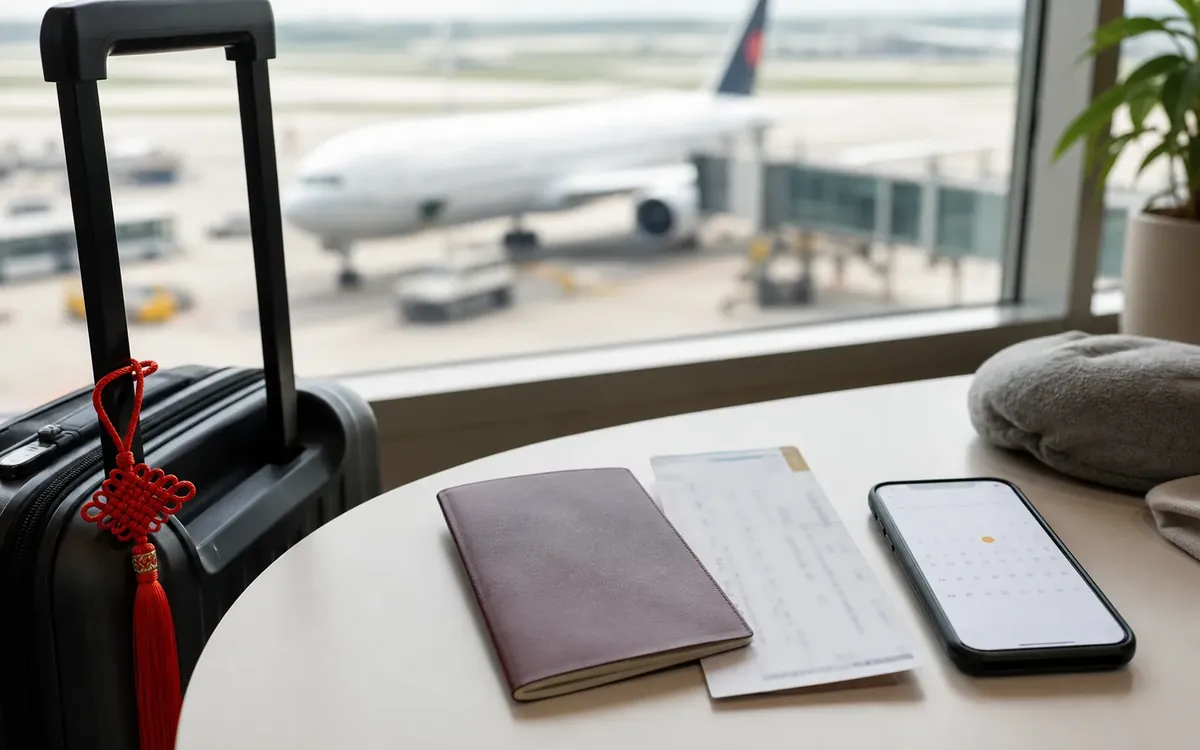 Entry
Entry rules before booking
Entry
Entry rules before booking
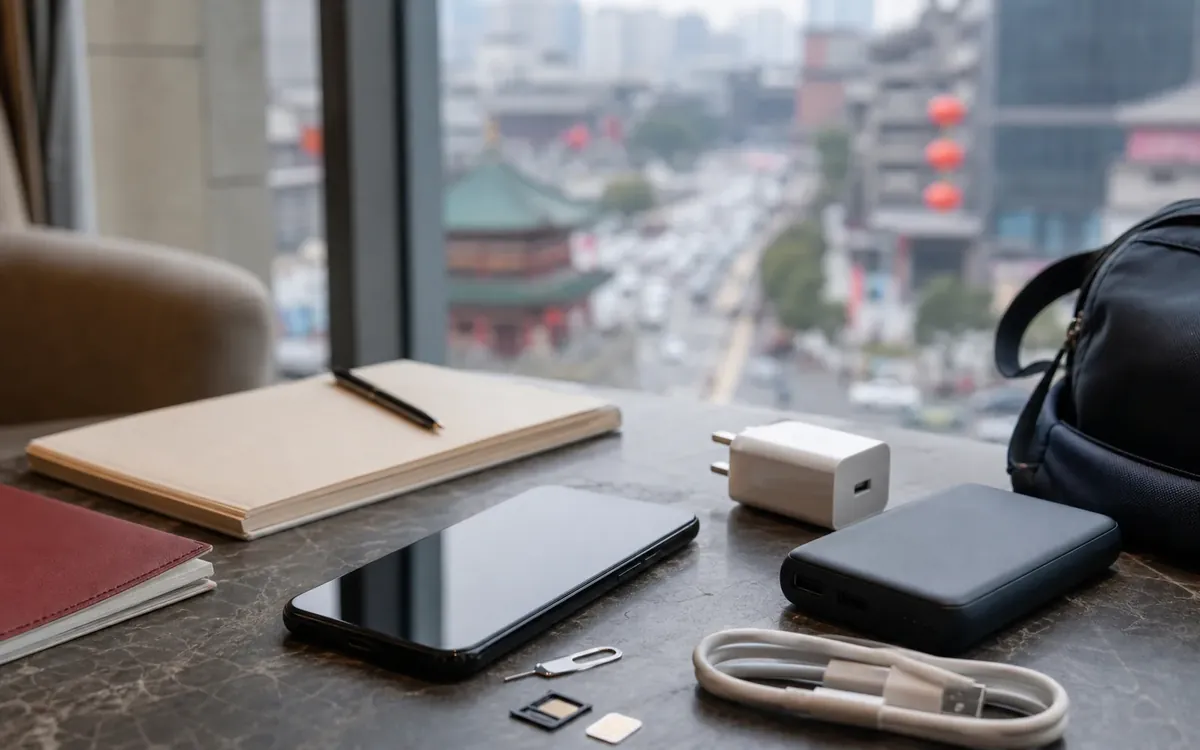 Apps
Phone, maps and translation
Apps
Phone, maps and translation
Calendar warning: China publishes an official holiday arrangement each year. Use this page for 2026 planning logic, but verify the official calendar again for future years before buying non-refundable travel.
2026 public holiday dates
The 2026 schedule below follows the General Office of the State Council arrangement published on November 4, 2025. Adjusted working days mean some Saturdays or Sundays become normal workdays.
Highest-risk travel periods
Not all holidays cause the same disruption. For foreign visitors, the biggest risk is not only crowds; it is ticket scarcity, expensive hotels, closed offices, slow replies, and harder route changes.
Spring Festival
The strongest family travel period. Intercity trains, flights, airports, and return routes can be difficult. Some restaurants, shops, suppliers, factories, schools, and offices reduce operations.
National Day
A major leisure travel peak. Tourist cities, scenic areas, hotels, rail stations, airports, and highways can become heavily loaded.
Labor Day
A shorter but intense travel peak. Popular cities, museums, theme parks, food streets, and hotels can fill quickly.
Booking timing
During peak periods, the difference between a calm trip and a frustrating trip is often booking discipline. Do not wait until arrival to solve long-distance transport.
- For Spring Festival and National Day, plan major routes and hotels as early as possible.
- For high-speed rail, know the exact station name. Many cities have several stations.
- For domestic flights, compare airport distance, baggage rules, and last-mile transport, not only price.
- For hotels, check whether your booking is refundable and whether the hotel accepts foreign guests.
- For attractions, check real-name ticket rules, passport booking options, closed days, and timed-entry slots.
- Keep a backup route. During holidays, same-day changes may be expensive or impossible.
Trains, stations, and airports
China's transport system is strong, but holiday demand is enormous. Build buffers and avoid heroic connections.
- Arrive earlier at major rail stations and airports during holiday peaks.
- Avoid same-day international flight connections after long-distance rail if a delay would be costly.
- Check whether your ticket uses the main station, north station, south station, east station, west station, or airport station.
- Expect taxi and ride-hailing pickup zones to be slower near stations, airports, scenic areas, and exhibition venues.
- If traveling with children, elderly relatives, large luggage, or samples, reduce transfers.
Business, banking, visa, and school timing
Holidays affect more than tourism. They can slow replies, approvals, contracts, invoices, banks, courier delivery, school offices, government services, visa-related paperwork, hospitals, factories, and suppliers.
City and attraction choices
If you must travel during a holiday, choose routes that match your tolerance for crowds. The famous places are famous for a reason, but holiday timing changes the experience.
- For first-time tourists, avoid stacking multiple top attractions on the same holiday day.
- Choose hotels within walking or metro distance of your main activity when taxis are likely to be slow.
- Book major museums, scenic areas, performances, and theme parks before arrival when possible.
- Consider lower-pressure neighborhoods, parks, food areas, and secondary museums during peak crowd windows.
- For business travelers, stay near the meeting district or venue instead of sightseeing areas during peak dates.
Adjusted weekend workdays
China sometimes creates longer breaks by making a nearby weekend day a workday. This surprises foreigners because a Saturday or Sunday can behave like a weekday for offices, schools, and traffic.
- Check whether your planned weekend is actually an adjusted working day.
- Expect offices and schools to operate on some adjusted weekends.
- Traffic patterns may feel like a weekday, not a normal weekend.
- Foreign companies, embassies, international schools, banks, and private businesses may follow different schedules.
- When booking meetings, ask the local team whether that weekend is a workday for them.
Seasonal planning beyond holidays
Good timing is also about weather, school vacations, exhibition seasons, and city-specific events.
Winter
Good for Harbin and northern winter travel, but pack seriously for cold weather and airport delays.
Spring and autumn
Often comfortable for city travel, but popular parks and scenic areas can be crowded on weekends.
Summer
Hot, humid in many regions, and affected by school vacations, rain, typhoons in coastal areas, and indoor attraction crowds.
If you must travel during a peak holiday
- Book the fixed parts first: intercity transport, hotel, major attraction tickets, and airport transfers.
- Stay fewer places and move less. Holiday travel punishes complicated routes.
- Start early each day and leave flexible time after lunch.
- Carry snacks, water, power bank, passport, hotel address in Chinese, and backup payment.
- Use metro when road traffic is likely to fail.
- Keep one low-pressure day after arrival or before departure.
Mistakes to avoid with China holidays and travel timing
- Booking China travel without checking the official public holiday calendar.
- Planning a fast multi-city route during National Day or Spring Festival.
- Assuming all weekend days are normal weekends.
- Scheduling visa, banking, courier, factory, or school tasks right before a holiday.
- Using only English attraction names and arriving at the wrong station or entrance.
- Thinking expensive hotel availability means transport will also be easy.
- Forgetting that return travel at the end of a holiday can be harder than departure.