Transport update
High-Speed Rail Station Checks for First-Time Visitors
A practical update explainer for foreign visitors using China high-speed rail, with station, passport, ticketing, security and transfer checks.
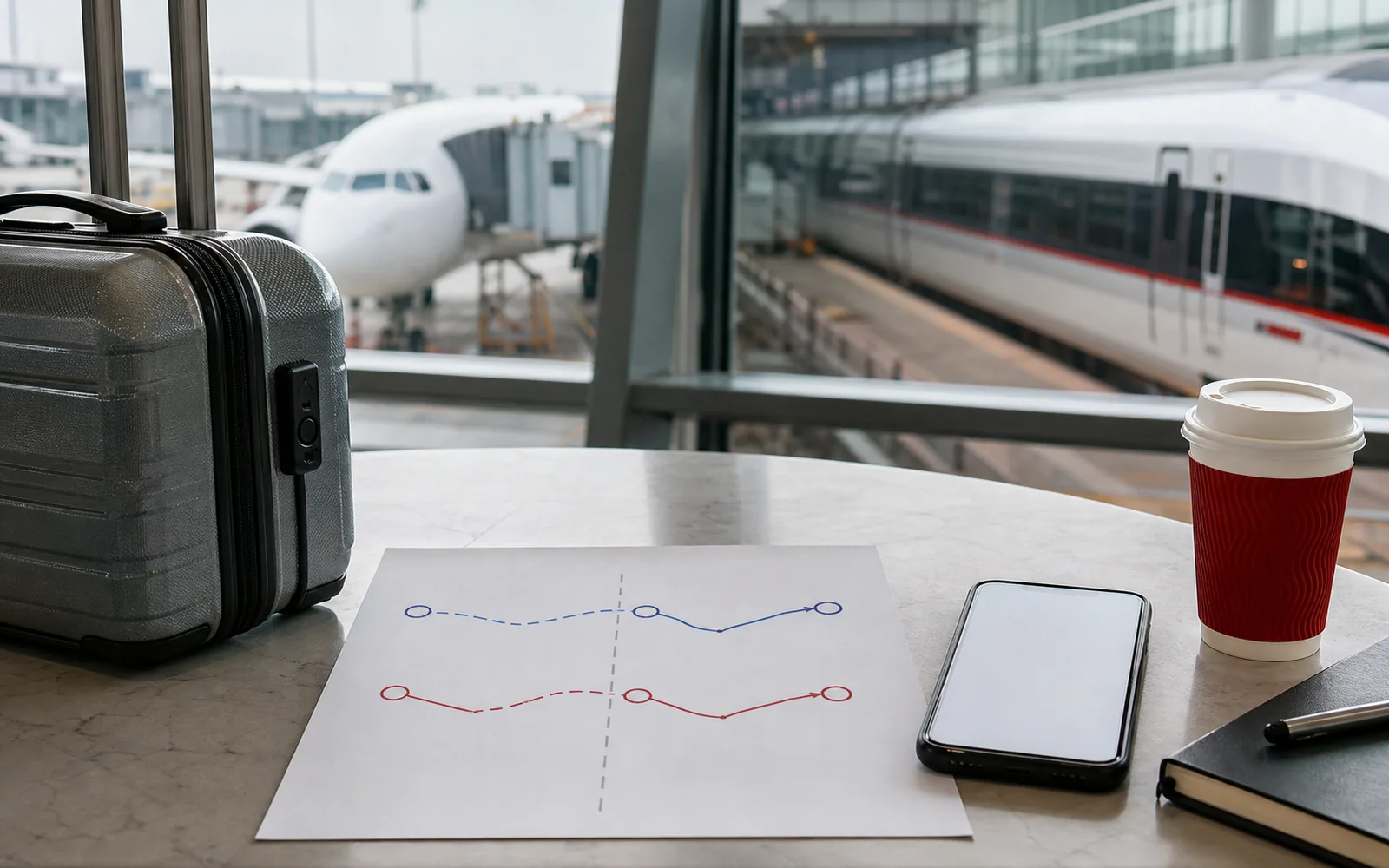
Station time is real travel time
For first-time visitors, high-speed rail planning should include station choice, passport name, security, ticket gates, luggage, food and the exit route.
The practical update is about process, not speed
China's high-speed rail network is fast, frequent and often easier than flying between many city pairs. The mistake first-time visitors make is assuming the speed of the train describes the whole journey. It does not. Station access, security checks, passport handling, waiting hall distance, platform gates, luggage movement and destination exits can add meaningful time. The train may be excellent while the station process still needs a plan.
This is especially true in cities with more than one major station. Beijing, Shanghai, Guangzhou, Shenzhen, Chengdu, Hangzhou and other cities can have station names that sound similar to visitors but sit in very different parts of the city. Booking the right station matters as much as booking the right train.
Passport and name checks
China railway tickets use real-name ticketing. Foreign passengers should expect passport details to matter when buying and using tickets. The name order, passport number, document type and validity should match the account and ticket record as closely as the booking platform requires. A small typo can become a counter problem if it prevents smooth verification.
Keep the passport accessible, not buried in luggage. Some station processes may rely on passport lanes or staffed checks for foreign travelers. Even when e-ticket handling works smoothly, the passport is the identity document that protects the trip. Do not count on a screenshot alone as the travel document.
The station choice check
Before buying, write the Chinese and English station names into the plan. Then check how far each station is from your hotel, airport, meeting venue or next attraction. A cheaper or earlier train from the wrong station can erase its advantage through taxi time, metro transfers or late-night arrival risk.
For a first trip, prefer a station with easier hotel access and clearer arrival logistics over a marginally faster timetable. If you arrive at night, station exit and onward ride planning matter more than saving fifteen minutes on the train.
Security and boarding buffers
High-speed rail stations have security, ticket checks, waiting halls and boarding gates. The process is usually orderly, but the scale surprises visitors. During holidays, rain, morning peaks or large-city rush periods, the buffer should grow. Give yourself time to find the entrance, pass security, locate the gate and buy water or food before boarding.
Do not plan a tight transfer between a flight and a train unless you already understand the airport, station and local transport link. A delayed bag, wrong terminal, phone data issue or taxi queue can destroy a neat spreadsheet.
A useful field rule is to separate the station buffer from the city-transfer buffer. The first covers entrance, security and gate finding. The second covers getting from hotel, airport or meeting venue to the station door. Visitors often remember the first and forget the second, then wonder why a train that looked relaxed online suddenly feels tight.
Arrival is not finished at the platform
After the train arrives, the route still needs an exit. Large stations can have multiple exits, taxi zones, metro connections and pickup points. Save the hotel address in Chinese, the station name in Chinese, and a screenshot of the route before the train arrives. If you need a taxi or ride-hailing pickup, the exact pickup point matters more than the general station name.
If the destination is unfamiliar, avoid arriving too late on the first rail day. Daylight makes the station exit easier, and a staffed hotel desk is more helpful when payment, address or passport questions appear.
For business trips, also check whether the arrival station is close to the actual meeting district rather than the city center shown on a tourist map. A meeting in Pudong, Qianhai, Tianhe or Haidian can make one station much more practical than another even when both stations belong to the same city.
Source check for this update
Use the official 12306 English website and its FAQ pages for current ticketing, passport and service information. X-China's rail guidance is practical planning advice, not a replacement for official ticketing rules or station announcements.
Useful starting points include 12306 China Railway, the 12306 FAQ on real-name ticketing, and the 12306 registration page noting foreign passport account handling.
Practical impact note
This page explains how a policy, payment, transport, hotel or border change affects real planning. It is not legal advice, ticketing advice, medical advice or a guarantee that a platform, airline, hotel, bank or border counter will handle your case the same way. Verify the final rule with the official source or provider before relying on it.
Rail station checks
- Correct departure and arrival station, not just city name.
- Passport details match the booking record.
- Security and gate buffer built into the day.
- Chinese hotel address saved offline.
- Exit route or pickup point checked before arrival.