Payment update
Foreign Card Payments in China: What Can Still Fail After Setup
A practical update explainer on why Alipay, WeChat Pay, cards, cash and identity checks can still fail for foreign visitors after initial setup.
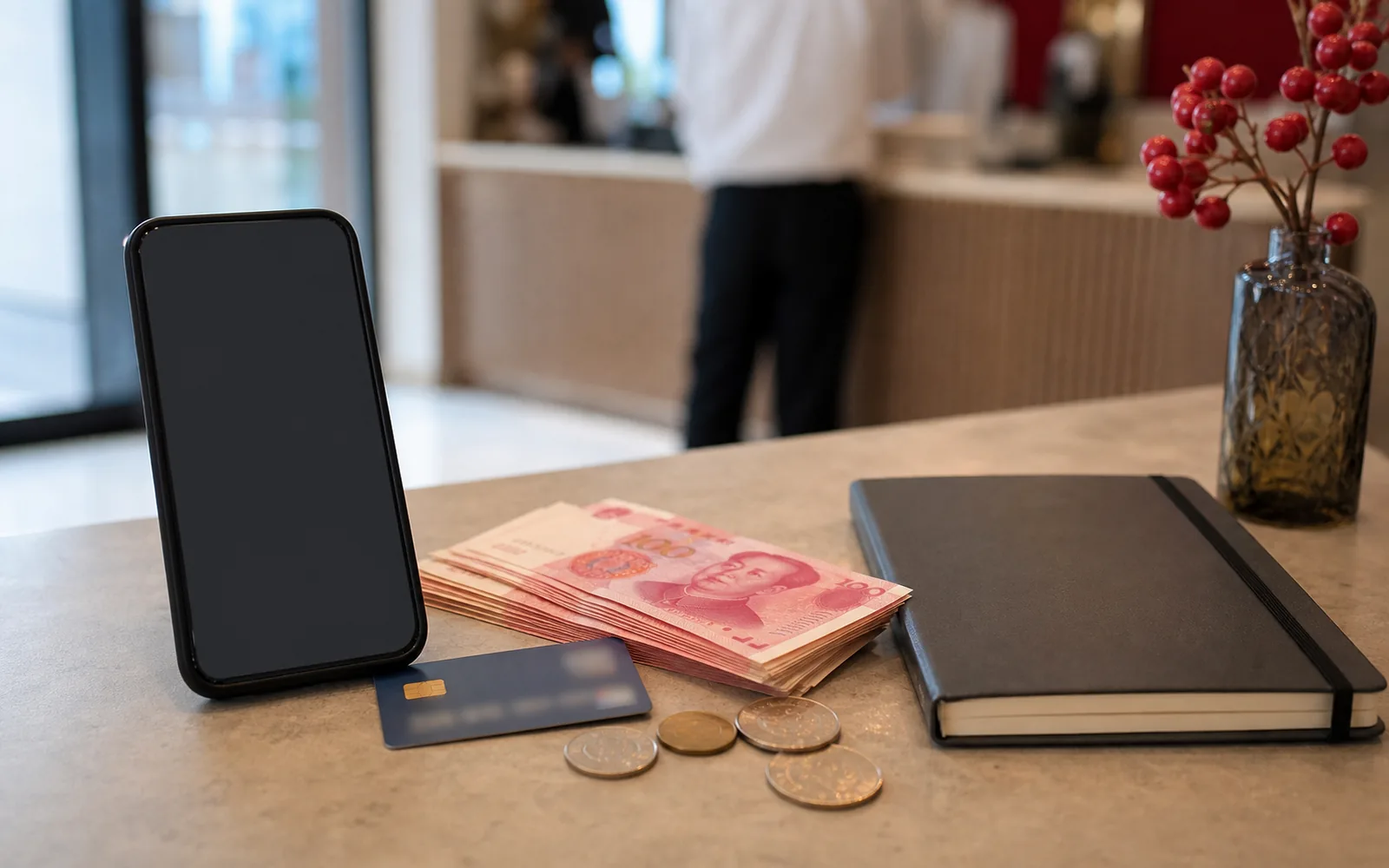
Payment setup is not the finish line
The real question is not whether a foreign card can be linked. It is where that linked card will still fail under pressure.
The update travelers should actually notice
Foreign visitors have more payment options in China than they did a few years ago. Mobile wallets, overseas bank card linking, card acceptance campaigns and city-level visitor guidance have all made the first setup easier. That is good news, but it can create a false sense of completion. A wallet that links successfully is not the same as a wallet that works in every merchant, deposit, refund, taxi, hospital, ticketing or business receipt situation.
The practical update is this: setup friction has fallen, but situation friction has not disappeared. A visitor may pay for coffee with a foreign card linked to a wallet and still hit a limit, verification request, merchant restriction, network issue or issuer block later in the day. Payment planning should therefore move from 'Can I set it up?' to 'Which situations need a backup?'
Where payment still breaks
The highest-risk moments are usually not the small test purchase. They are airport-to-hotel transport, hotel deposits, small restaurants, ticket platforms, hospital counters, refund desks, business meals, train changes and late-night convenience problems. These situations combine time pressure, language friction, merchant rules and sometimes identity matching. If your phone is tired, data is weak or a card issuer flags a transaction, the payment problem feels larger than the amount of money involved.
Foreign cards can also behave differently depending on card type, issuer, network and merchant. Some functions may work for in-person merchant payments but not for transfers, wallet balance features, person-to-person payments or certain mini programs. That distinction matters for long stays, business trips and students. The payment method has a job description; do not assume it can do every job.
The two-test rule
Before trusting a payment stack, run two tests. First, test a low-pressure purchase at a chain store or convenience store. This checks basic wallet function, SMS access, card authorization and app usability. Second, test the payment situation that matters most for your trip. If your first major movement is a taxi, test ride payment. If you need rail tickets, test ticket purchase or station handling. If you are traveling for business, test receipt and invoice expectations with your host.
A successful first test lowers anxiety. A successful second test reduces actual risk. If the second test fails, solve it early: add another card, prepare cash, keep a second wallet route, ask the hotel desk, or move the critical purchase to a staffed counter.
Cash is still part of a modern stack
China is mobile-payment-first, but cash remains a useful fallback for foreign visitors. Carrying small RMB notes does not mean ignoring mobile payment. It means refusing to let one app, one phone battery, one data connection or one card issuer decide whether you can move, eat or recover. Cash is especially useful for short rides, small merchants, tips outside mainland norms that are actually service fees, emergency snacks, and situations where the staff can solve a problem faster with a simple payment.
Keep cash separate from the passport and main wallet. If everything sits in one bag, the backup is not independent. For families and business travelers, one person should not hold every payment option.
What long-stay visitors should watch
Long-stay visitors need to think beyond tourist payments. Rent, deposits, medical costs, delivery platforms, school payments, work expenses, invoices, reimbursements and bank routines may need more than a linked overseas card. A payment setup that is perfect for a two-week trip can be weak for a semester, job assignment or supplier visit. The question becomes which functions are essential, which are convenient, and which require local help.
If you will stay longer, ask your school, employer, landlord or host what payment method is expected for recurring costs before arrival. Then test the stack during the first week, not when the first deadline arrives.
Source check for this update
For official and government-backed visitor guidance, check local government service pages and payment app help material before travel. Because app features, accepted card networks, fees and limits can change, X-China treats payment guidance as practical preparation rather than a guarantee.
Useful starting points include the Shanghai government guide to linking international bank cards to Alipay, local government pages on overseas bank card acceptance, and the payment apps' own in-app help screens. Start with Shanghai's Alipay bank-card guide and a local government explainer on overseas bank cards accepted by Weixin Pay and Alipay.
Practical impact note
This page explains how a policy, payment, transport, hotel or border change affects real planning. It is not legal advice, ticketing advice, medical advice or a guarantee that a platform, airline, hotel, bank or border counter will handle your case the same way. Verify the final rule with the official source or provider before relying on it.
Payment stack to test
- Primary wallet with the card you expect to use most.
- Second card, second wallet path or staffed-counter backup.
- Small RMB cash in separate notes.
- Screenshots for important payments and deposits.
- Card issuer travel settings and SMS access.