Daily life
Shopping, Delivery, and Receipts in China
Shopping in China involves QR payments, receipts, delivery addresses, courier lockers, returns, warranties, and sometimes fapiao.
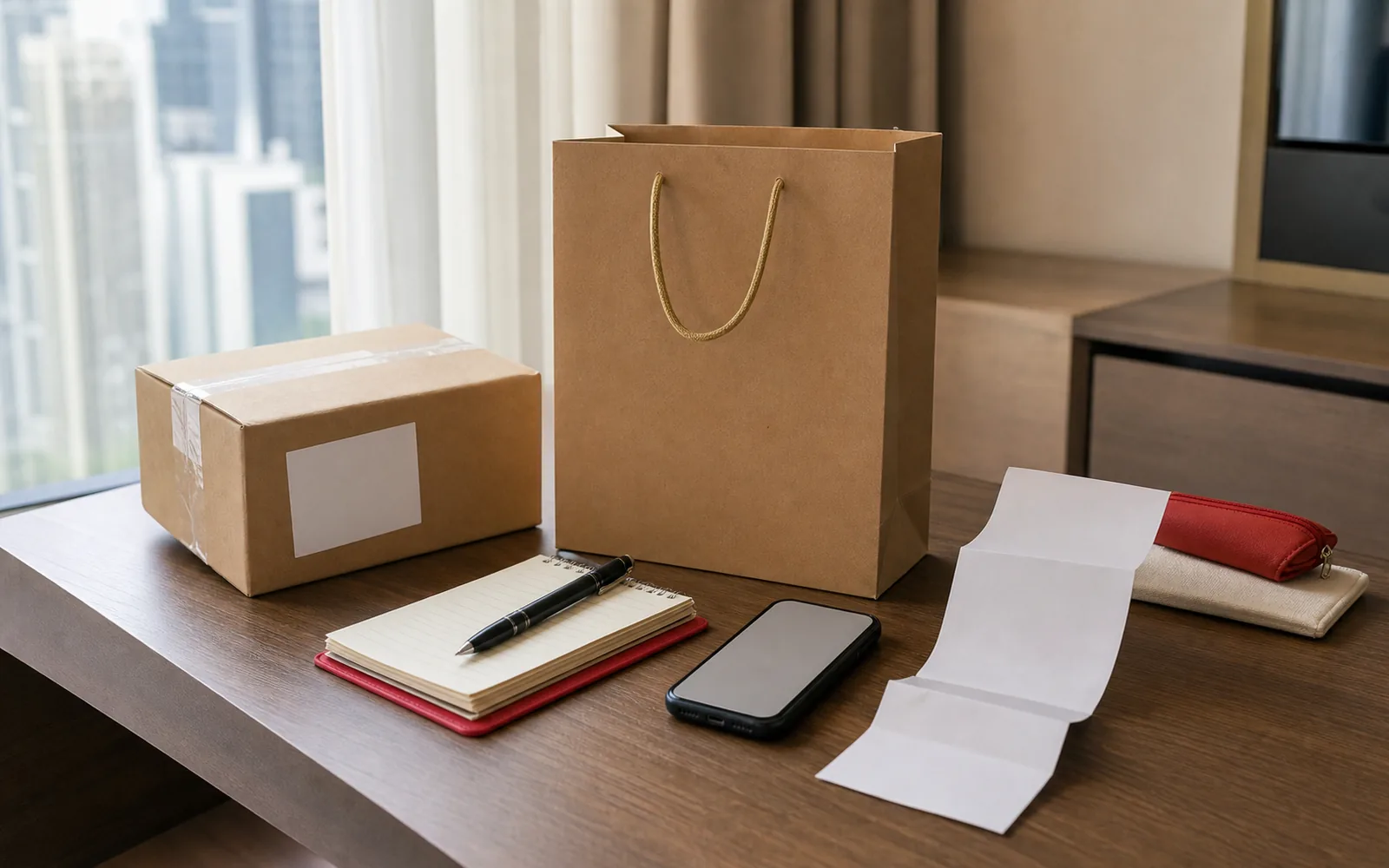
Shopping proof answer
Keep screenshots and receipts, understand address format, and clarify return or warranty rules before buying important items.
Receipts are practical tools
For everyday snacks, receipts may not matter. For electronics, business expenses, returns, warranties, and delivery disputes, they matter a lot. Keep payment screenshots, merchant names, order numbers, and fapiao requests organized.
Proof solves more problems than memory.
Delivery depends on addresses
China delivery can be fast, but addresses need detail: province or municipality, district, road, building, entrance, room, phone number, and sometimes Chinese characters. Hotel deliveries may require front desk cooperation. Courier lockers can be confusing for newcomers.
Address clarity is the heart of delivery.
Returns are not one universal rule
Return practices vary by platform, merchant, item type, packaging, and timing. Markets, small shops, online platforms, and large chains may handle problems differently. Ask before buying expensive or fragile goods.
A cheap purchase can be flexible; an expensive one needs rules.
Business travelers need fapiao awareness
If reimbursement matters, ask about fapiao before payment. Some invoices require company information, tax numbers, or specific timing. Hotels and restaurants may be easier than small vendors.
Do not leave invoice questions to the airport.
The part visitors underestimate
Shopping in China is less about finding a store and more about keeping the handoff traceable. A tourist may buy medicine at a pharmacy, snacks from a convenience store, a charger from an electronics counter, and a parcel from an online platform, then discover that every return or warranty question depends on a different kind of proof. The useful habit is simple: before leaving the counter, check that the receipt shows the merchant name, amount, date and payment method. If the receipt is digital, screenshot it before the app notification disappears into a long feed.
Hotel deliveries need an extra step. Many hotels accept food or parcels at the lobby, but small guesthouses, apartment hotels and older buildings may not have a staffed desk all day. Save the hotel name in Chinese, the phone number, and the exact building or tower. If you are changing hotels soon, do not order anything with uncertain delivery timing. A package that arrives after checkout can become a time-consuming recovery job.
Return and delivery decisions
For low-value items, it is often smarter to buy in person near your hotel than to rely on a delivery return process you may not have time to finish. For higher-value electronics, luggage or business purchases, ask for a proper receipt and confirm the return window before paying. If a seller says an item can be returned, clarify whether that means unopened, unused, same branch only, or platform return only.
When using delivery apps, choose a location you can describe without improvising: hotel lobby, front desk, main gate, or a named mall entrance. Avoid ordering to a random street corner when you are tired or carrying bags. Pair this article with the delivery and Taobao guide, the shopping returns guide, and the payments guide before relying on delivery for something important.
A realistic visitor scenario
Imagine you buy a replacement phone charger in Hangzhou, order a rain jacket to your Shanghai hotel, and later need proof for reimbursement. The charger receipt matters because the shop may only recognize that branch and that transaction. The hotel delivery needs the front desk name and Chinese address because the courier may call quickly and move on. The reimbursement claim needs the payment screenshot because a simple card statement may not show enough merchant detail.
The practical move is to create a small "China receipts" album on your phone. Put important payment screenshots, delivery codes, fapiao notes and warranty photos there on the same day. Do it while the context is fresh, not at the airport.
Save before the purchase disappears
Before leaving a shop, delivery app or hotel lobby, save the merchant name, order number, receipt, return deadline and delivery code. For business purchases, ask about fapiao while the seller still remembers the transaction. For online delivery, screenshot the address and courier note. Most shopping problems are solvable when evidence is immediate and difficult when the proof is scattered.
Receipts are part of the shopping plan
Shopping and delivery in China can be smooth until a return, warranty, reimbursement, customs question, or lost package appears. Keep the order page, seller name, payment screenshot, delivery address, tracking number, and receipt or fapiao request together. If the purchase matters, document it at the time of purchase, not after the problem appears.
For travelers, the practical question is whether the item can follow you. A delivery that arrives after checkout, a return that requires a local phone number, or a warranty that needs a Chinese address may not fit a short trip. For business travelers, ask receipt requirements before payment. The best shopping plan includes the exit path: how the item is delivered, returned, packed, claimed, or expensed.
Receipt and delivery checks
- Screenshot important purchases.
- Save order and courier details.
- Write addresses in Chinese when possible.
- Ask return rules before expensive purchases.
- Request fapiao before or during payment.