
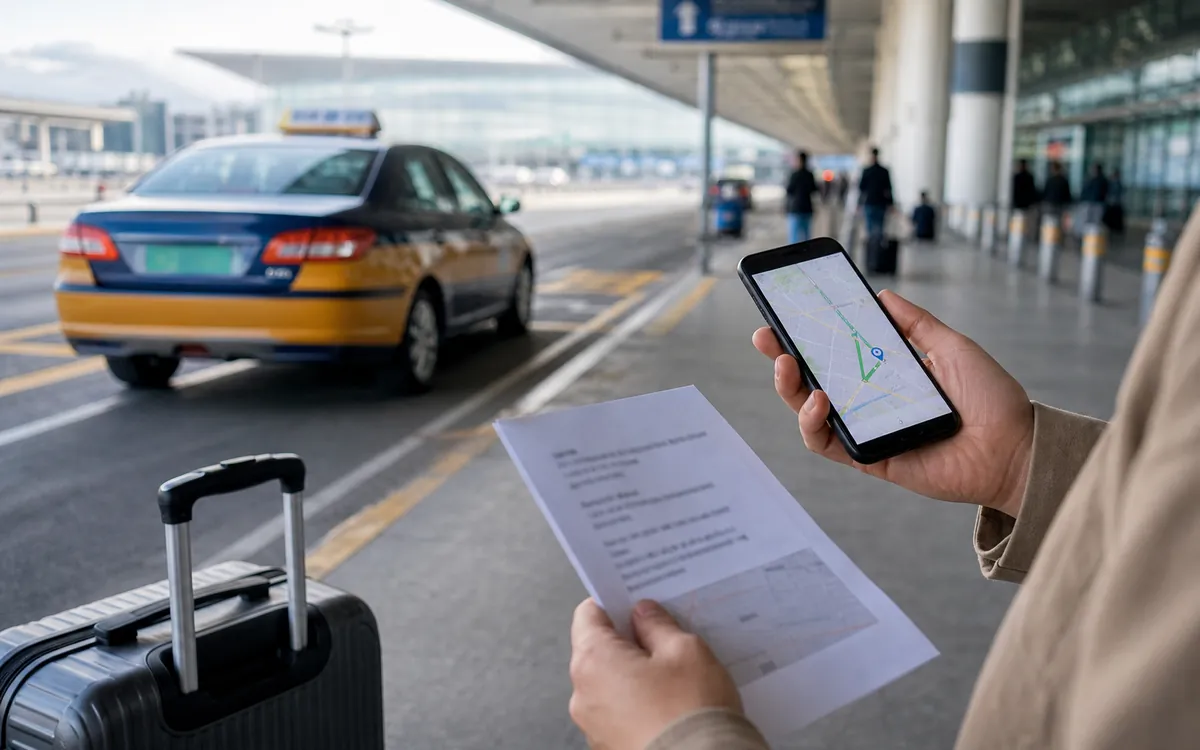


Use official transport channels, avoid private ride offers, keep payment backups, protect your passport, and ask hotel or venue staff for help before a small problem becomes expensive.
Decision layer
Most travel safety problems start as small friction.
China is generally practical to travel, but visitors can still lose money, time or confidence through unofficial transport, unclear prices, document mishandling, fake urgency or payment confusion. Slow the decision down before the problem grows.
Prefer official taxi queues, ticket offices, platform gates, hotel desks, venue counters and verified app flows over street approaches.
Carry the passport when needed, but keep copies and hotel details separate. Do not hand over documents casually outside formal checks.
Confirm price, route, item or service before scanning or tapping. If confused, pause and ask hotel or venue staff for help.
Common risk moments
- Late-night arrivals
- Tourist areas and stations
- Payment failure under pressure
Safer response
- Move to staffed area
- Use official apps or counters
- Keep a cash and card fallback
Practical caution: do not escalate a confusing street-level situation alone. Step back, return to a staffed place and use official channels.
Support choice under pressure
Use the checkpoints below to turn this page into a working China plan.

Safer plan
- Confirm the practical step before depending on it.
- Keep a backup path for phone, payment and address.
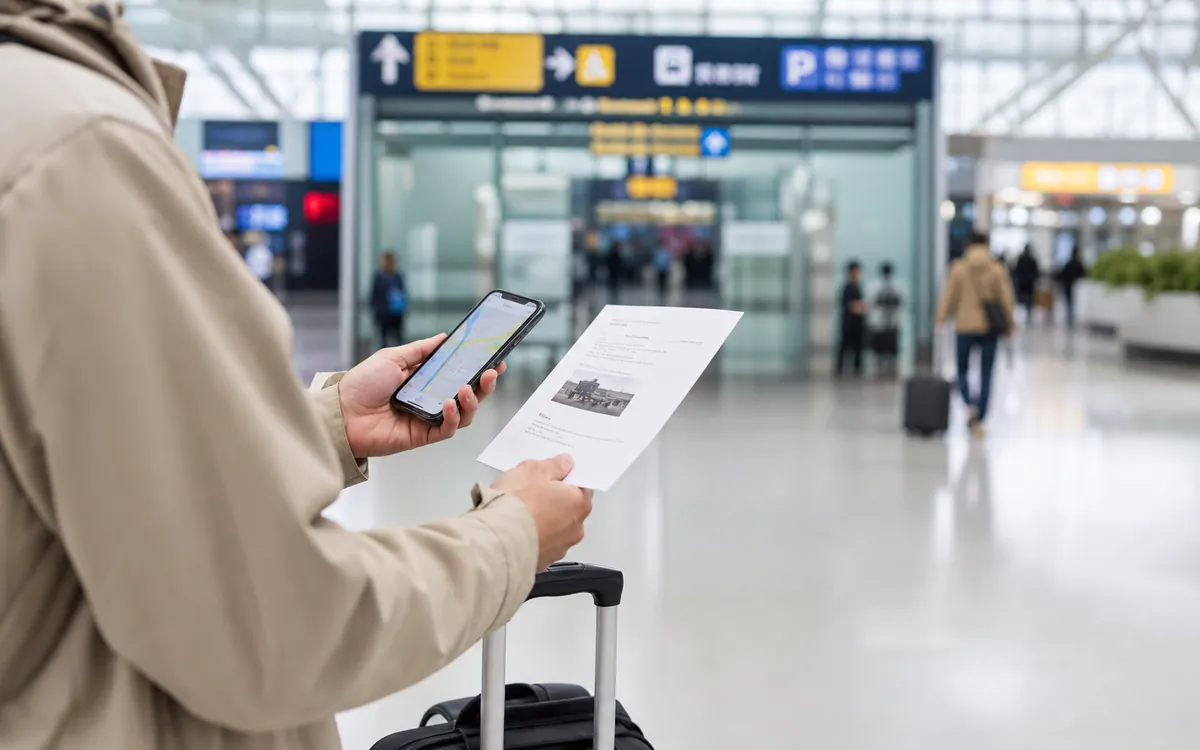
- Save the key Chinese names and screenshots.
Risky plan
- Assume everything works like at home.
- Wait until the counter to solve setup issues.
- Travel without offline notes.
 One thing to confirm
Confirm the item that would stop the day if it failed.
One thing to confirm
Confirm the item that would stop the day if it failed.
For this topic, that usually means checking the exact rule, app status, address, document or receipt before the busy part starts.
 One thing to save
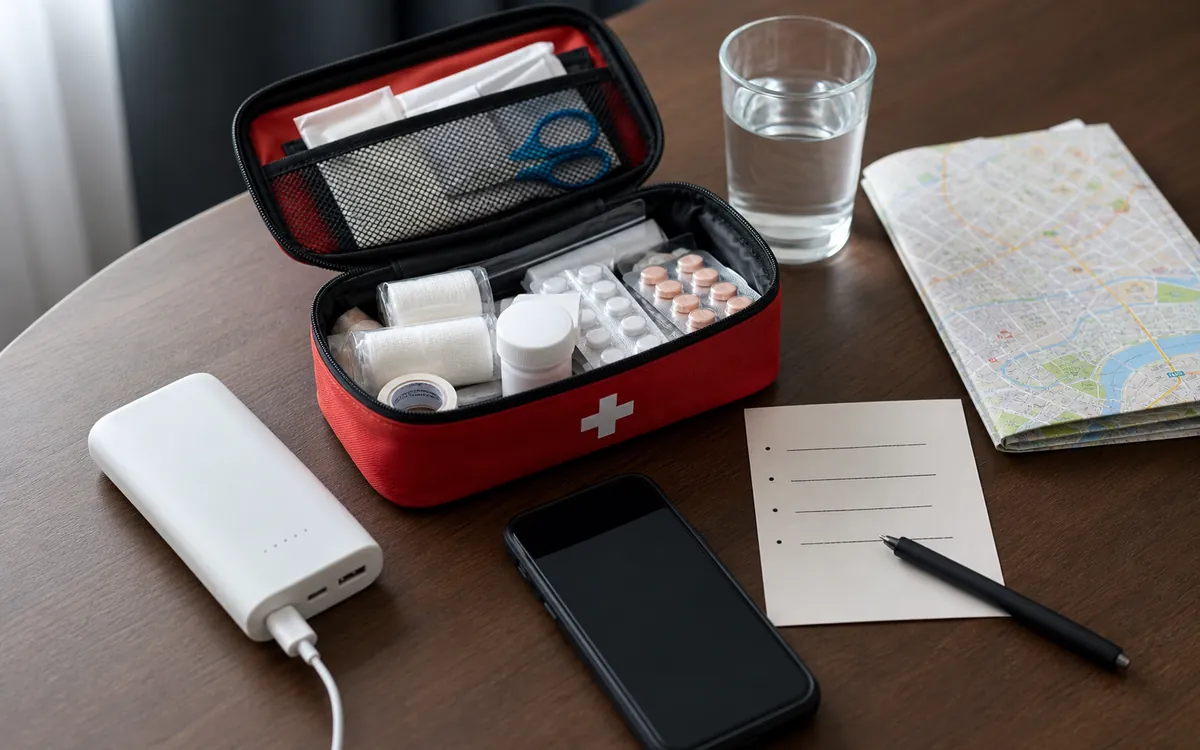
Keep evidence that can be shown without mobile data.
One thing to save
Keep evidence that can be shown without mobile data.
Screenshots, Chinese names, booking records and offline notes make support contacts, safety judgment and escalation options easier to explain.
Contacts, evidence and escalation
Check who can help, what proof to show, which address to use, and what to do if the first answer is not enough.

 Entry
Entry rules before booking
Entry
Entry rules before booking
 Transport
Rail and city transfers
Transport
Rail and city transfers
 Apps
Phone, maps and translation
Apps
Phone, maps and translation
Use official channels
Use official channels is a practical control point for this topic. Treat it as something to check early, not something to solve under pressure.
Protect passport and phone
Protect passport and phone is a practical control point for this topic. Treat it as something to check early, not something to solve under pressure.
Ask staff early
Ask staff early is a practical control point for this topic. Treat it as something to check early, not something to solve under pressure.
Where problems happen
Most visitor problems are not dramatic. They happen at airports, stations, tourist streets, nightlife districts, crowded markets, and moments when the traveler is tired. Confusion over payment, address, or translation can create an opening for overcharging or pressure.
Transport risks
Avoid unofficial ride offers inside terminals or station halls. Use official taxi queues, public transport, hotel pickup, or known ride-hailing flows. If a price sounds vague, ask for the meter or leave.
Payment and shopping pressure
Check prices before paying, especially in tourist-heavy shopping areas. For expensive items, be cautious with verbal promises, unclear warranties, and pressure to pay quickly by QR code. Keep screenshots of payments and merchant names.
Passport and phone
Your passport and phone are your trip infrastructure. Keep them secure, avoid leaving them on restaurant tables, and carry a passport copy separately. Losing a phone can also mean losing maps, translation, payment, and hotel access.
When to seek help
Hotel staff, venue security, metro staff, and police stations can often help with practical problems. If you feel pressured, move to a staffed public place and call or message someone you trust.
Safety, Scams, and Common Tourist Problems in China checklist
- Use official taxi ranks
- Keep passport secure
- Save emergency contacts offline
- Screenshot payments
- Ask hotel staff for help with unclear situations
Mistakes to avoid with Safety, Scams, and Common Tourist Problems in China
- Following private ride touts
- Letting someone rush a payment
- Carrying only one payment method
- Leaving phone unlocked on a table
- Arguing alone in an isolated place
When Safety, Scams, and Common Tourist Problems in China needs local help
Ask hotel staff, medical staff, police or venue security, your insurer, school, employer, embassy or a trusted local contact early. A Chinese address, photo, receipt or short translated sentence makes help easier.