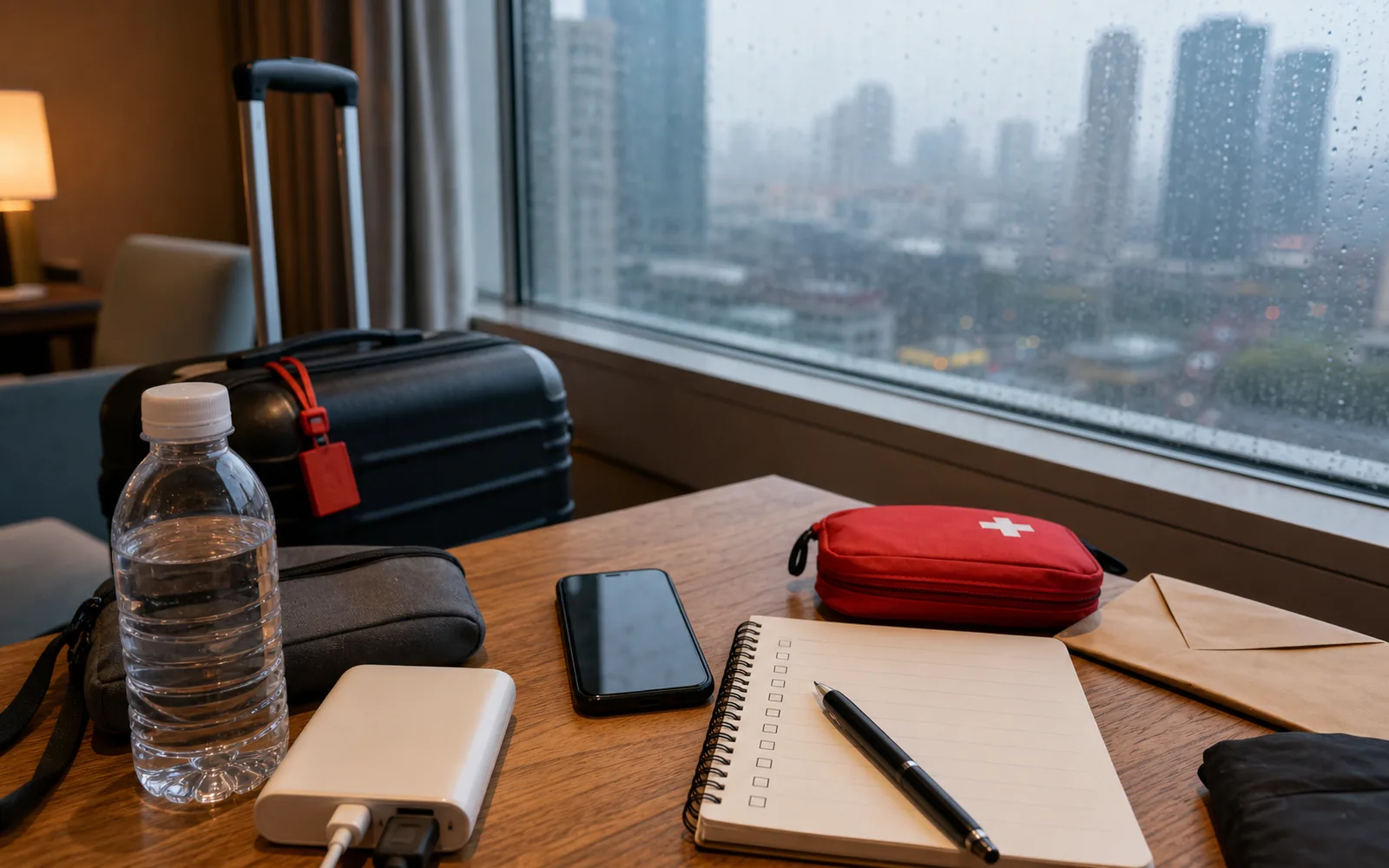
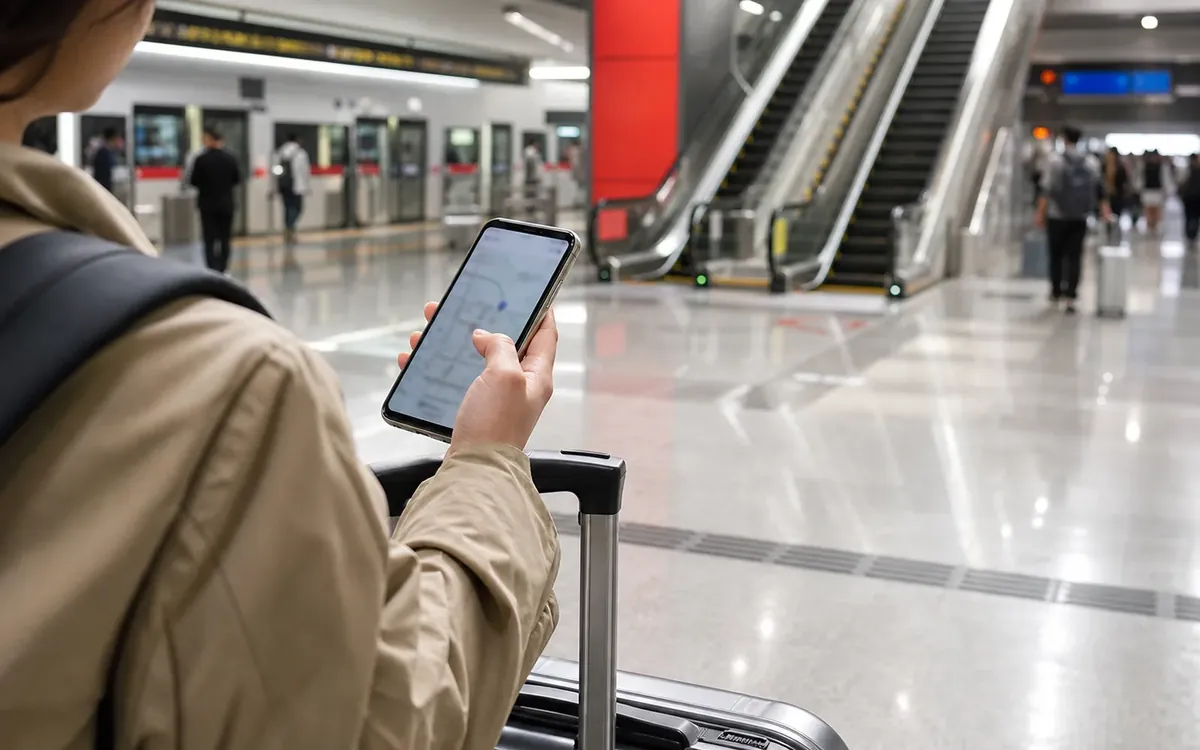
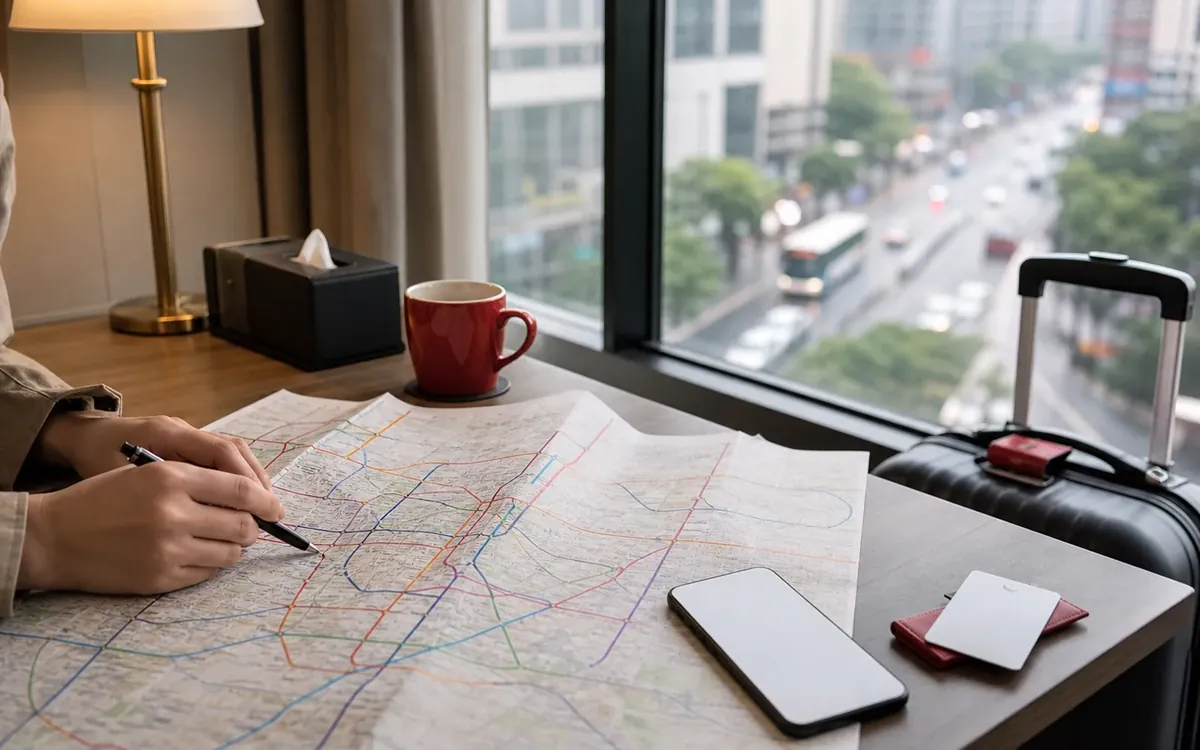
Save addresses in Chinese, include district, road, building, unit, room, and phone when relevant, and keep screenshots for hotels, delivery, ride-hailing, and emergencies.
Hotel or service choice under pressure
Use the checkpoints below to turn this page into a working China plan.
Safer plan
- Confirm the practical step before depending on it.
- Keep a backup path for phone, payment and address.
- Save the key Chinese names and screenshots.
Risky plan
- Assume everything works like at home.
- Wait until the counter to solve setup issues.
- Travel without offline notes.
 One thing to confirm
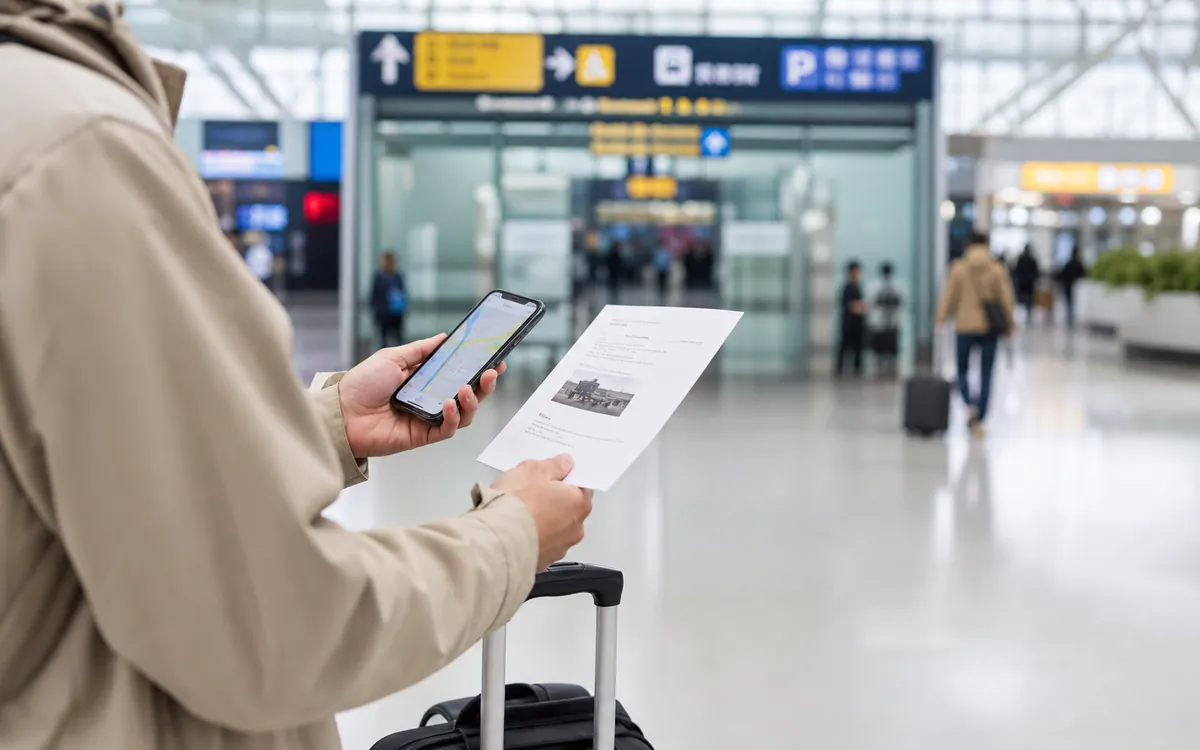
Confirm the item that would stop the day if it failed.
One thing to confirm
Confirm the item that would stop the day if it failed.
For this topic, that usually means checking the exact rule, app status, address, document or receipt before the busy part starts.
 One thing to save
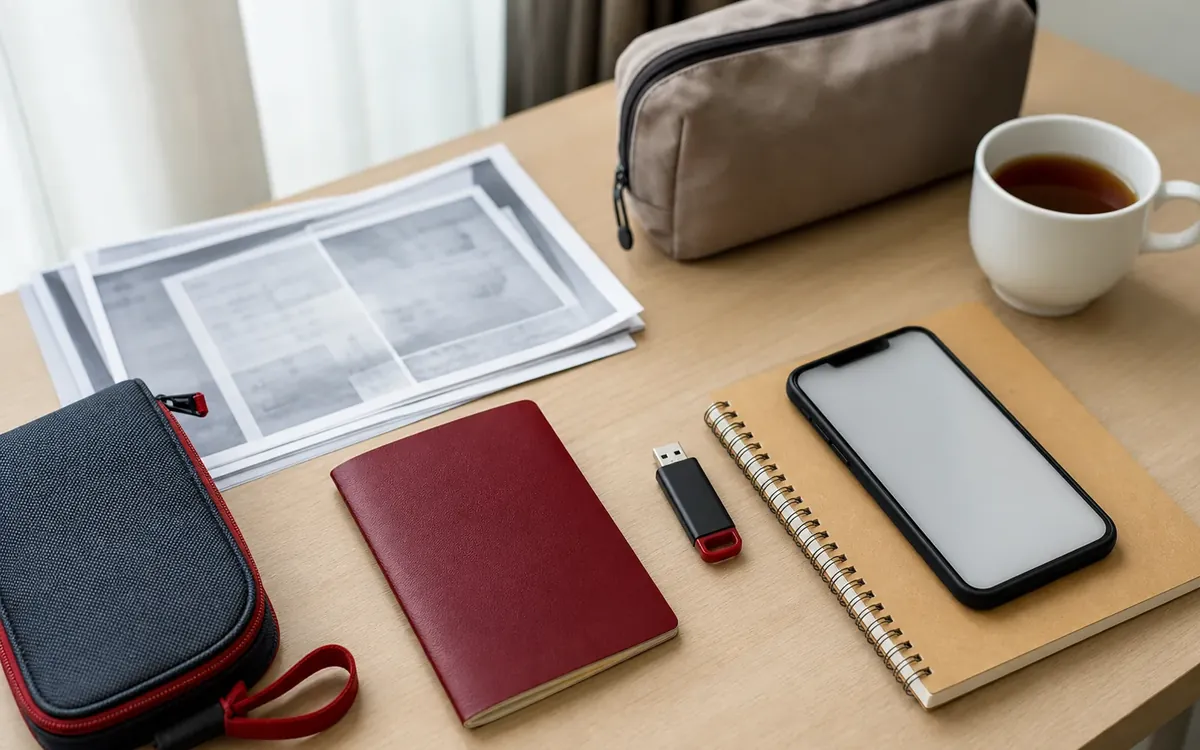
Keep evidence that can be shown without mobile data.
One thing to save
Keep evidence that can be shown without mobile data.
Screenshots, Chinese names, booking records and offline notes make addresses, front desks and local service steps easier to explain.
Rail and city transfers
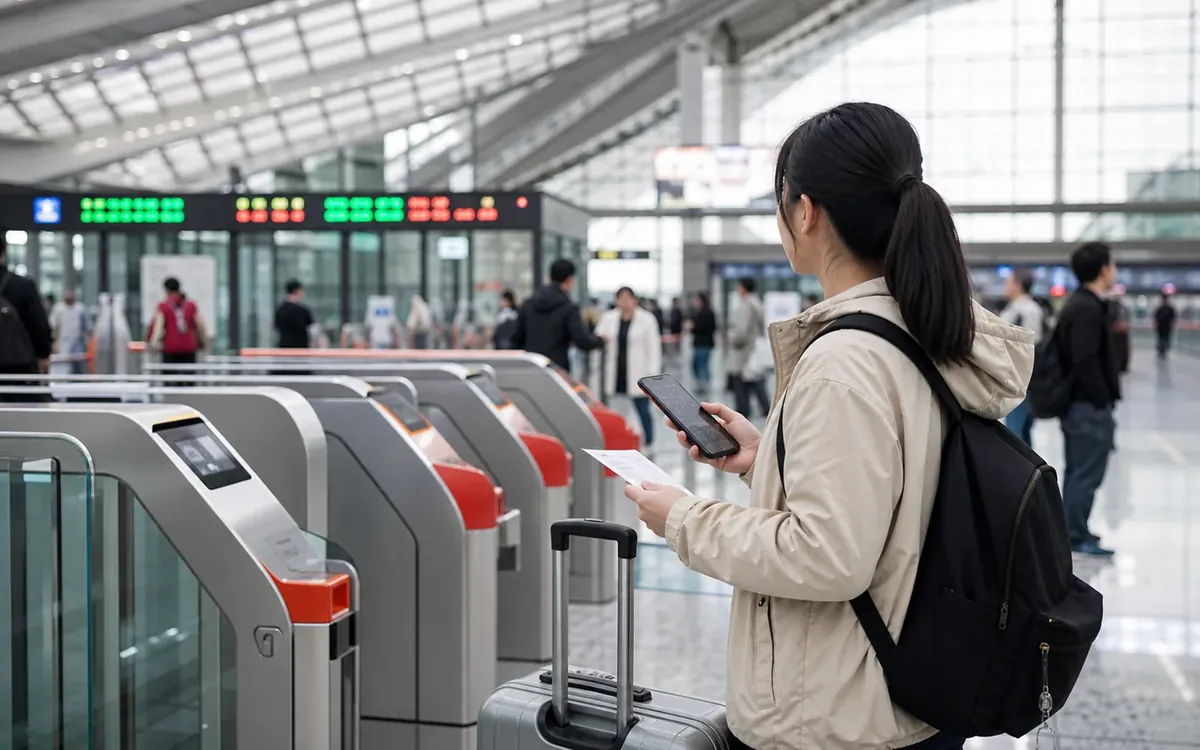
High-speed rail, station names, security checks and realistic transfer buffers.
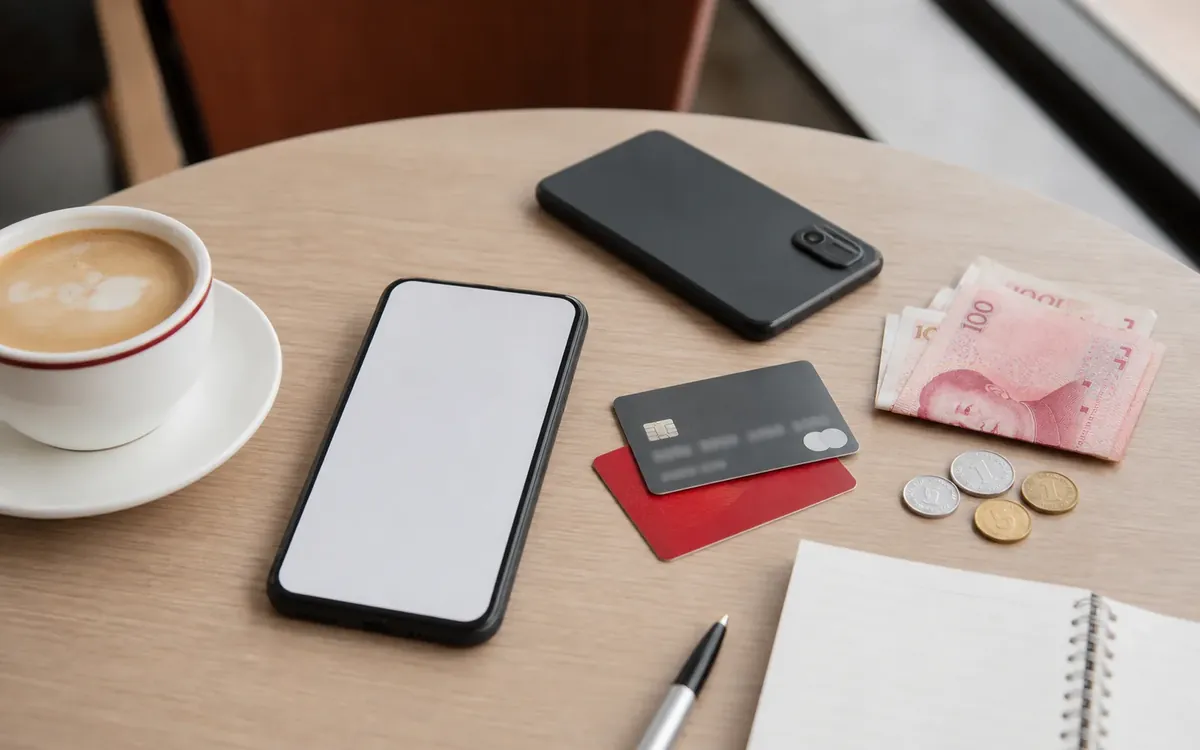 Payments
Chinese address, front desk and service timing
Payments
Chinese address, front desk and service timing
 Entry
Entry rules before booking
Entry
Entry rules before booking
 Apps
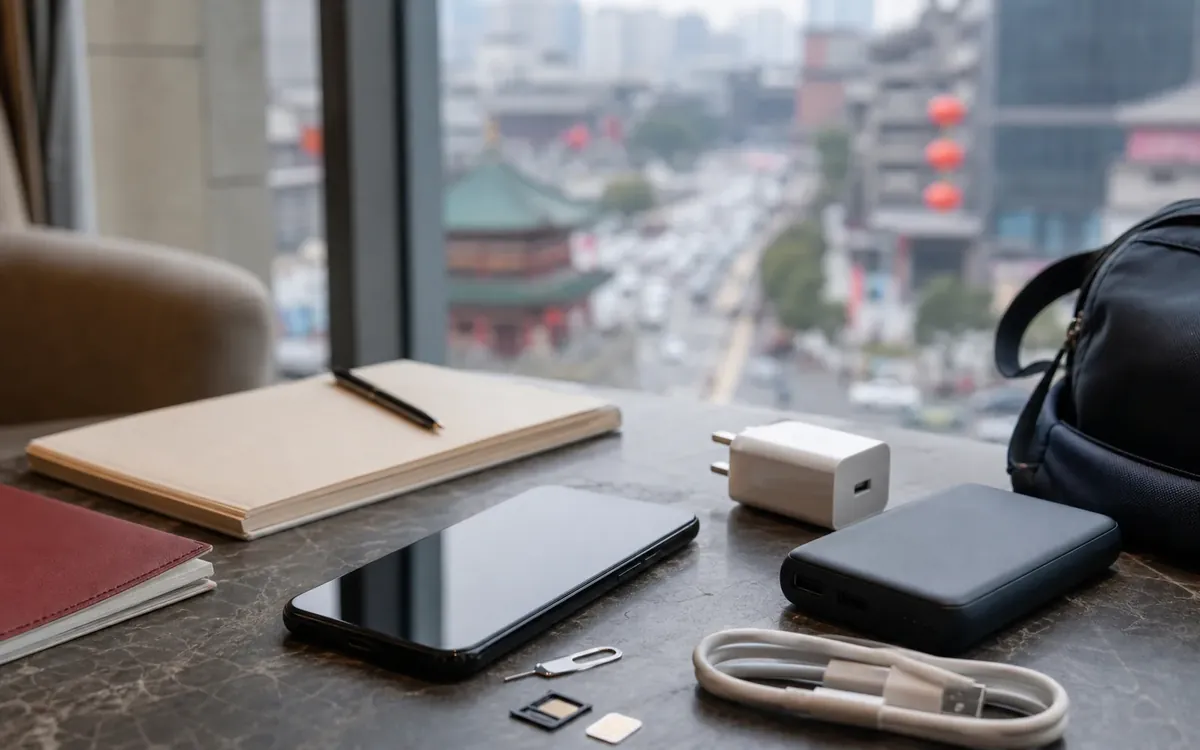
Phone, maps and translation
Apps
Phone, maps and translation
Chinese text is essential
Chinese text is essential is a practical control point for this topic. Check it early so it does not become a problem under pressure.
Building details matter
Building details matter is a practical control point for this topic. Check it early so it does not become a problem under pressure.
Phone numbers help couriers
Phone numbers help couriers is a practical control point for this topic. Check it early so it does not become a problem under pressure.
Address layers
A Chinese address often moves from large to small: province or municipality, city, district, street or road, compound, building, unit, floor, room. Missing the small layers can break delivery or taxi pickup.
Hotels and attractions
For hotels, use the official Chinese name and address from the booking page or hotel website. For attractions, use the exact entrance when possible, because large parks and museums can have multiple gates.
Delivery addresses
Couriers need Chinese text, recipient name, and working phone number. In apartments, the building, unit, and room can matter more than the English building name.
Emergency use
If you need help, showing a Chinese address lets hotel staff, drivers, police, hospitals, or passersby understand location faster. Keep your accommodation address offline.
Translation limits
Machine translation can distort road names and building names. Use official Chinese text rather than translating an English address back into Chinese.
Address handoff note
A Chinese address often works less like a single line and more like a route: city, district, road, building, gate, floor, room and sometimes a landmark. Before you show it to a driver, delivery worker or hotel desk, save the Chinese text, the map pin, the phone number and a screenshot of the entrance name. If the address contains a campus, compound or mall, ask which gate is used by cars; the wrong gate can be several minutes away on foot.
How Chinese Addresses Work checklist
- Save hotel address in Chinese
- Include room or unit when needed
- Keep phone number with address
- Screenshot key addresses
- Use official names from source
Mistakes to avoid with How Chinese Addresses Work
- Using only English address
- Leaving out building and unit
- Translating address manually
- Not saving address offline
- Using a map pin without address text
When How Chinese Addresses Work needs local help
Ask hotel staff, building security, delivery staff, platform support or a trusted local contact before the situation becomes late-night or time-sensitive. Show the Chinese address, booking name and receipt first.