



Prepare a clear agenda, bring bilingual materials when useful, exchange WeChat carefully, confirm next steps in writing, and do not mistake polite interest for a final decision.
Business plan
Make meetings easier by clarifying roles and follow-up.
Good etiquette is not only greetings. It is preparation, respect for roles, clear materials, controlled translation and written follow-up that prevents drift.
Room setup
Know host, senior person, interpreter, decision-maker and note-taker before the conversation becomes dense.
Materials
Bring concise bilingual names, company details, product notes, questions and any samples or visuals that reduce ambiguity.
Follow-up
Summarize decisions, next steps, open questions and document requests soon after the meeting.
Confirm address, room, agenda, names, dress level, language needs and whether food or factory movement is involved.
Pause for interpretation, avoid slang and confirm numbers, dates and responsibilities slowly.
Business trip decision guide
Business travel works better when the practical layer is prepared before meetings begin.

Safer work trip
- Prepare addresses, invoices and contact names.
- Leave room for factory or meeting delays.
- Confirm payment, translation and transport backup.
Risky work trip
- Treat business logistics like a vacation plan.
- Assume receipts and invoices are automatic.
- Book tight cross-city schedules.
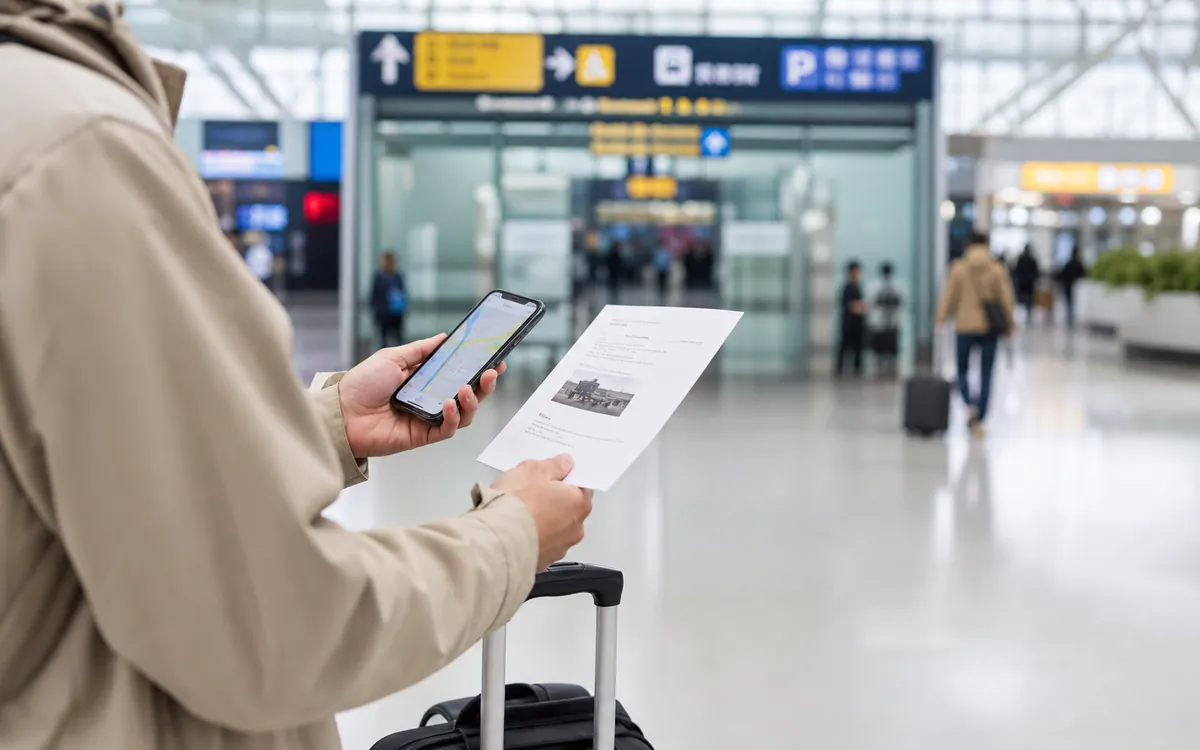 Before leaving
Prepare the proof, address or app screen first.
Before leaving
Prepare the proof, address or app screen first.
The useful preparation is specific: one Chinese address, one saved record, one backup route and one person who can help if business timing, host expectations and written records stall.
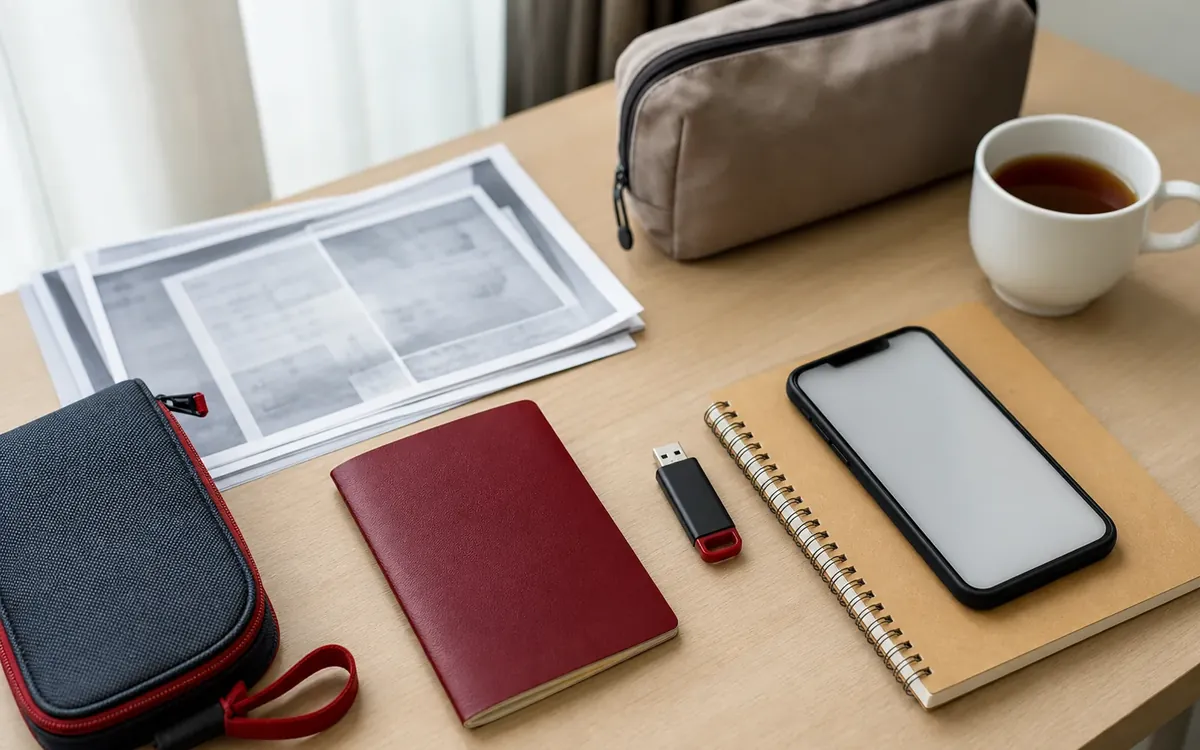 At the counter
Compare the answer you receive with the Business Meeting Etiquette in China checklist.
At the counter
Compare the answer you receive with the Business Meeting Etiquette in China checklist.
If the local process differs, follow the official instruction and keep a record of the name, time and location.
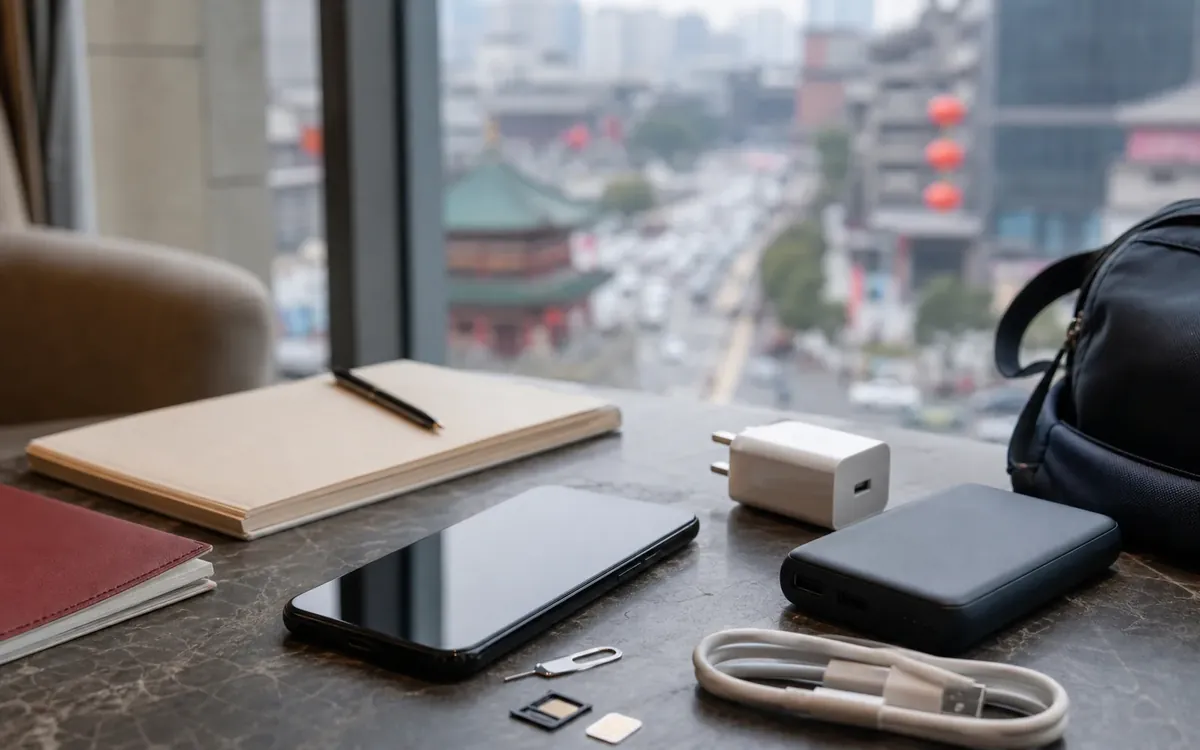
Phone, maps and translation
Keep navigation, messaging and payment systems working from arrival day.
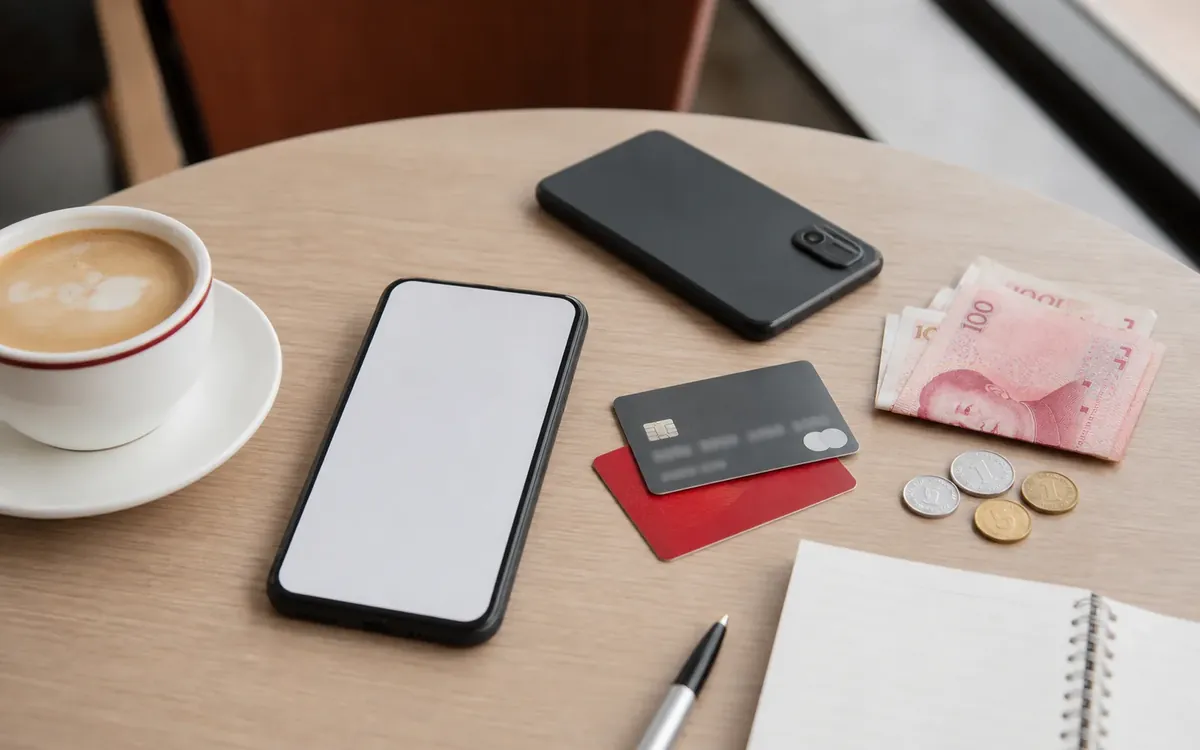 Payments
Meeting roles, records and follow-up
Payments
Meeting roles, records and follow-up
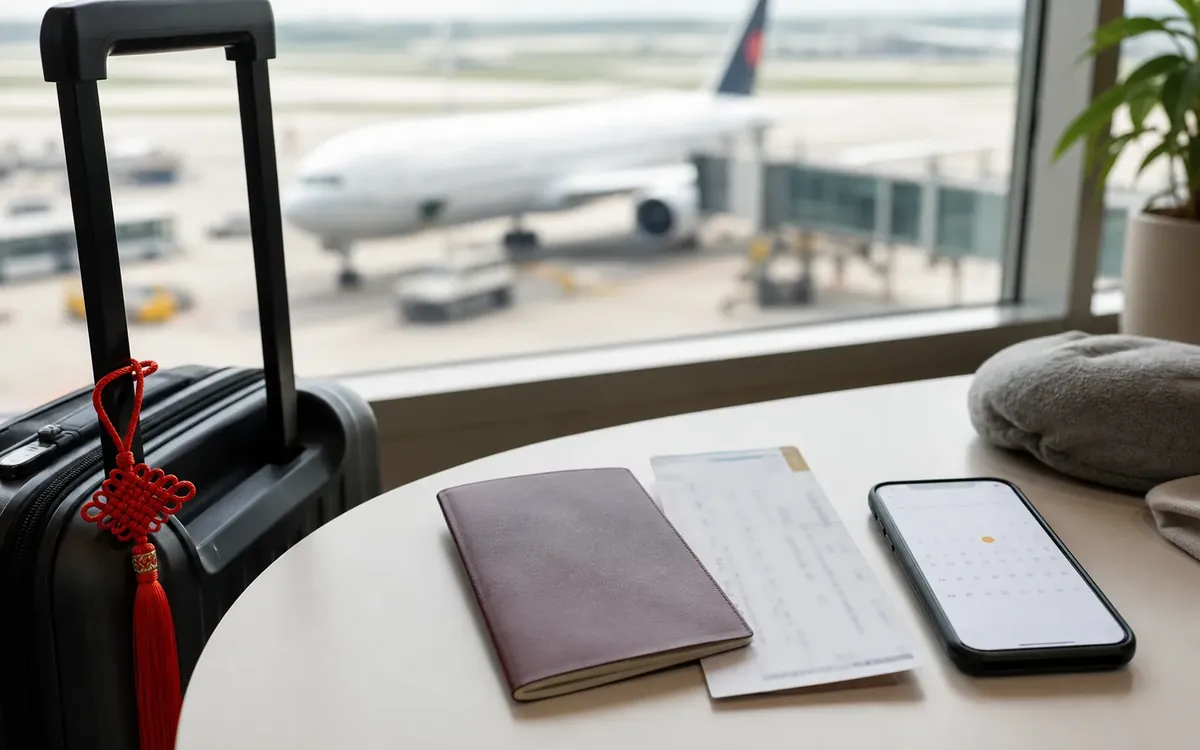 Entry
Entry rules before booking
Entry
Entry rules before booking
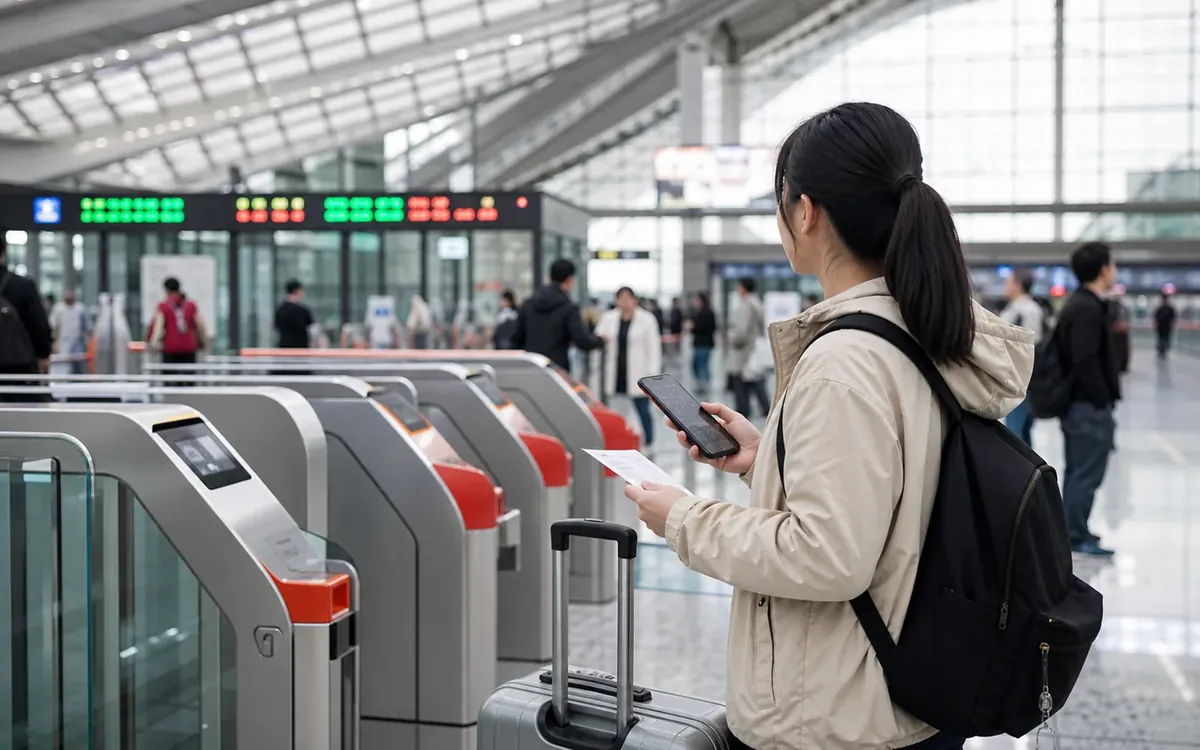 Transport
Rail and city transfers
Transport
Rail and city transfers
Follow-up is part of the meeting
Follow-up is part of the meeting is a practical control point for this topic. Check it early so it does not become a problem under pressure.
Politeness is not agreement
Politeness is not agreement is a practical control point for this topic. Check it early so it does not become a problem under pressure.
Written records reduce confusion
Written records reduce confusion is a practical control point for this topic. Check it early so it does not become a problem under pressure.
Before the meeting
Prepare company names, attendee roles, Chinese addresses, agenda, product details, and any questions that need a decision. If language may be a barrier, arrange interpretation before the meeting starts.
Introductions and seating
Seniority and roles can matter. Let the host guide seating when unsure. Business cards are less central than before, but a clear digital contact and company identity still matter.
Communication style
A positive meeting does not always mean agreement. People may avoid direct refusal in the room. Ask clear next-step questions and confirm deadlines, documents, samples, or approvals afterward.
Meals and relationship building
Meals can be part of business trust building. You do not need to overperform, but you should be punctual, polite, and clear about alcohol or dietary limits.
After the meeting
Send a concise follow-up with decisions, open questions, responsible people, dates, and attachments. Good follow-up often matters more than an impressive conversation.
Business Meeting Etiquette in China checklist
- Prepare agenda and attendee roles
- Use bilingual materials if helpful
- Confirm next steps in writing
- Save WeChat contacts with notes
- Respect dietary and alcohol boundaries
Mistakes to avoid with Business Meeting Etiquette in China
- Assuming polite interest means yes
- Leaving without action items
- Using vague follow-up
- Ignoring hierarchy
- Depending entirely on live translation
When Business Meeting Etiquette in China needs local help
Ask the host, hotel desk, venue security, translator, employer or supplier contact before ambiguity becomes a business problem. Names, addresses, receipts and follow-up notes matter more than long context.