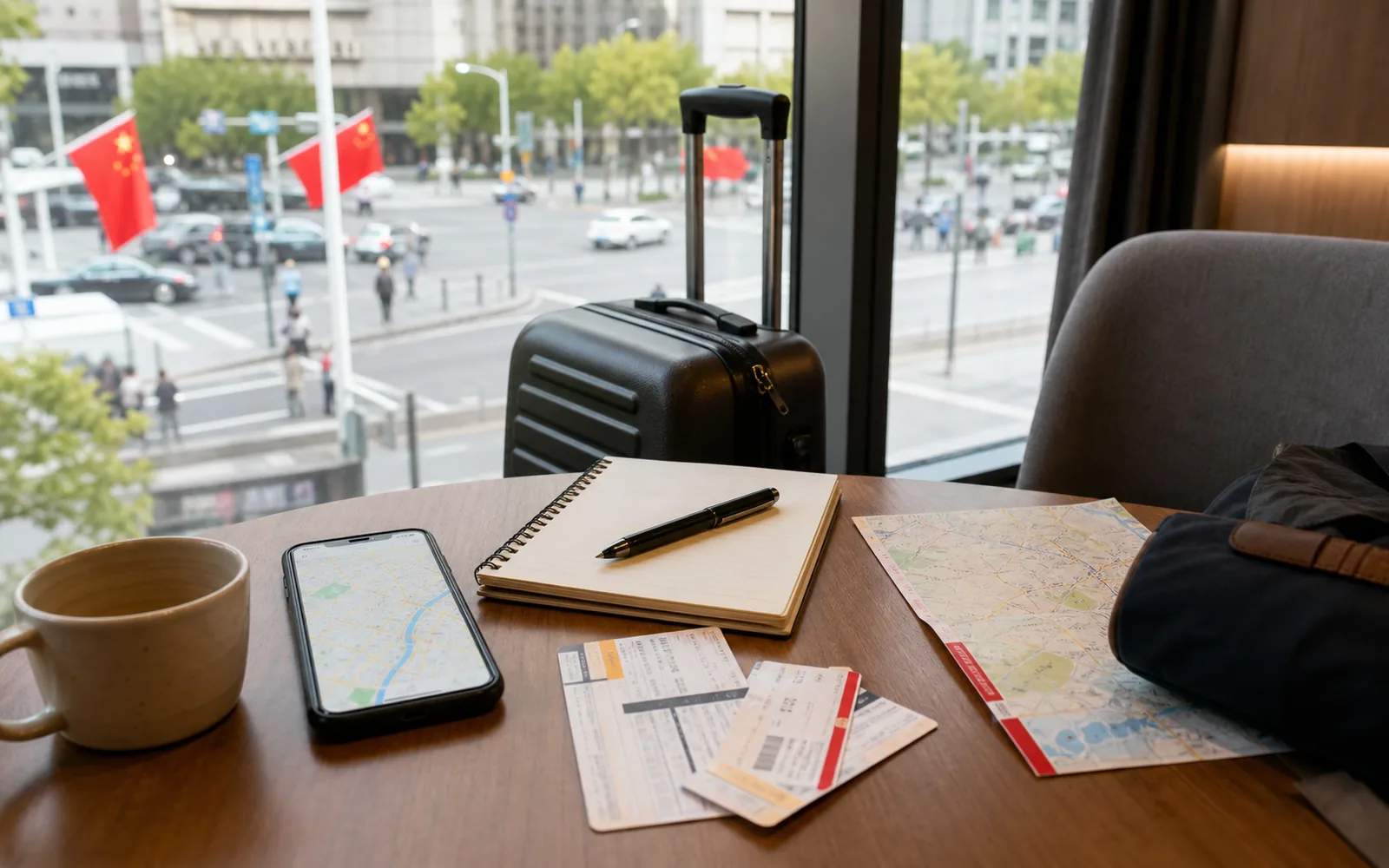
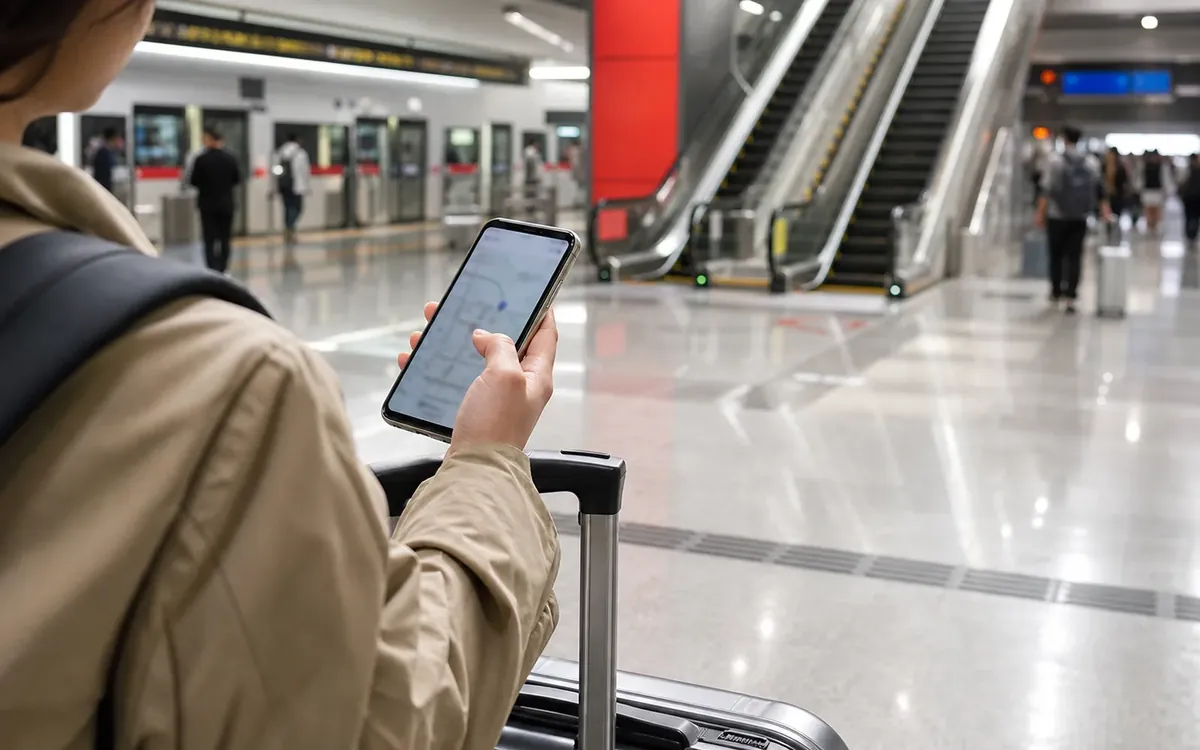


Before optimizing your itinerary, solve the basics: entry documents, phone data, mobile payment, your hotel address in Chinese, the airport-to-hotel route, and one emergency backup plan. If those are ready, most first-trip problems become manageable.
Practical choice under pressure
Use the checkpoints below to turn this page into a working China plan.

Safer plan
- Confirm the practical step before depending on it.
- Keep a backup path for phone, payment and address.
- Save the key Chinese names and screenshots.
Risky plan
- Assume everything works like at home.
- Wait until the counter to solve setup issues.
- Travel without offline notes.

 Prepare
Set up the part that is hard to fix under pressure.
Prepare
Set up the part that is hard to fix under pressure.
Do this before a station queue, front desk, restaurant rush, supplier visit or late-night transfer narrows your choices.
 Recover
Keep a calm fallback that a local person can understand.
Recover
Keep a calm fallback that a local person can understand.
The best backup is simple enough to show: an address, receipt, passport page, route, contact or translated sentence.
Next step, proof and fallback
Check the exact next action, what proof to save, and who can help if the first plan does not work.
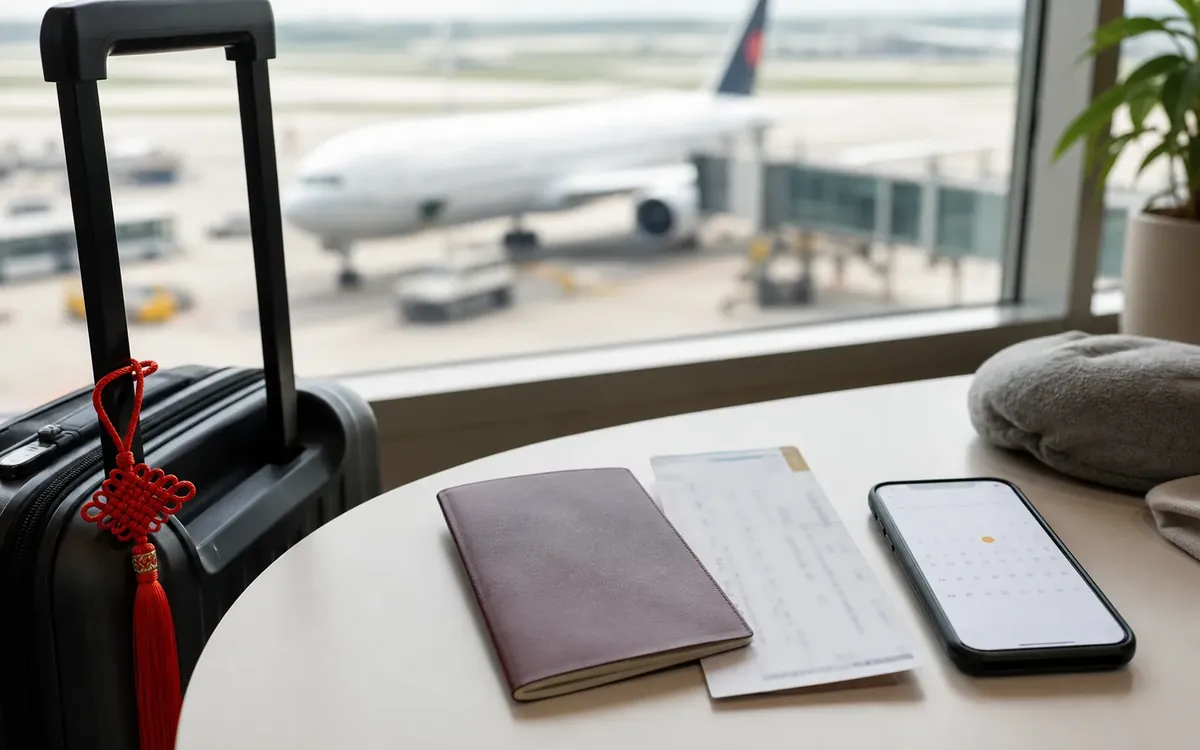 Entry
Entry rules before booking
Entry
Entry rules before booking
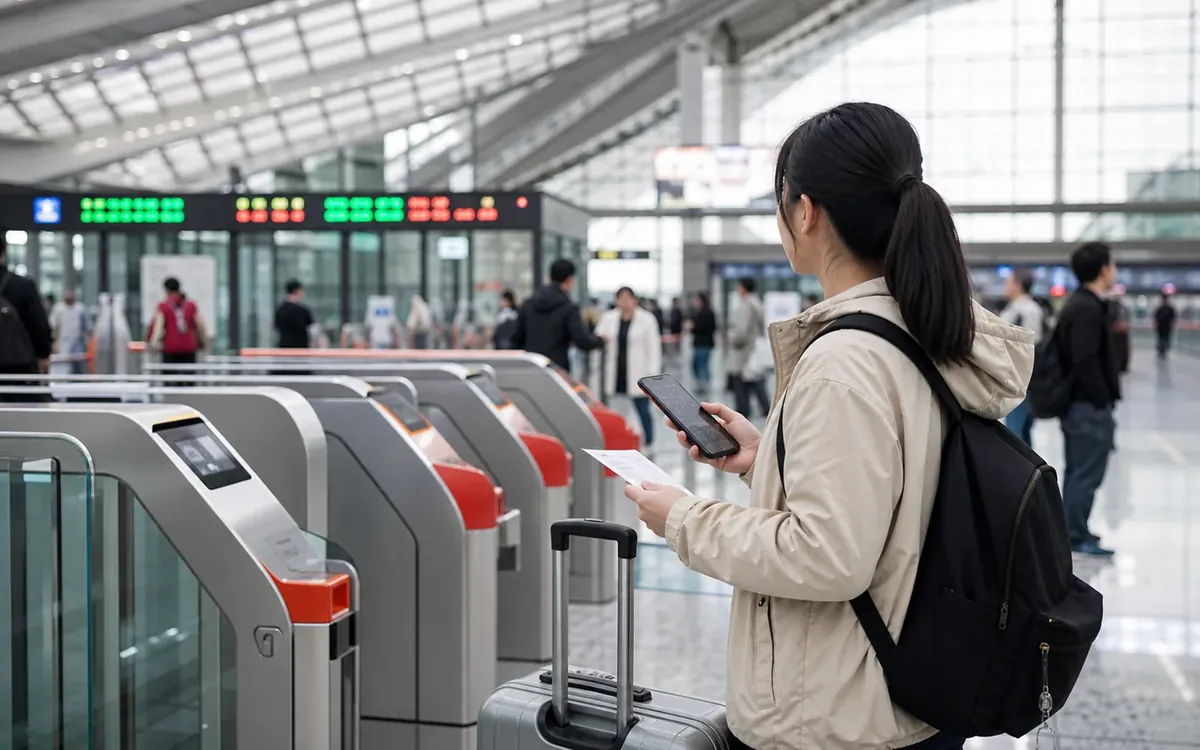 Transport
Rail and city transfers
Transport
Rail and city transfers
 Apps
Phone, maps and translation
Apps
Phone, maps and translation
How to use First-time China checklist
This page is the main route map for first-time visitors. It intentionally prioritizes practical setup, arrival order, and fallback planning over sightseeing inspiration.
Make the first day boring on purpose. China is easier when you land with a working phone, a payment fallback, and a simple route to your hotel. Save ambitious sightseeing for day two.
Choose your path first
Different visitors need different preparation. Use the path below to decide which guides matter before you read everything.
Short visitor
Focus on entry eligibility, phone data, payments, airport transfer, hotel location, and first-day food.
Visa and entryTransit traveler
Confirm the exact transit visa-free route, allowed ports, onward ticket details, and city limits before booking.
Transit rulesBusiness traveler
Prepare invitation details, meeting addresses, WeChat contact flow, invoices, transport buffers, and supplier records.
Business travelStudent or long-stay visitor
Plan visas, residence permits, accommodation registration, health checks, banking, phone setup, and renewal dates.
Studying in ChinaSeven days before departure
This is the practical checklist to complete before your flight. Some items can be done at the airport or after arrival, but doing them early reduces stress.
- Confirm your entry route: regular visa, visa-free entry, or transit visa-free policy. Check the latest official rules before travel.
- Save your passport, visa or entry proof, hotel booking, return or onward ticket, insurance, and emergency contacts offline.
- Choose mobile data: international roaming, eSIM, local SIM, or a temporary airport option.
- Install and verify payment apps as far as possible before departure, and prepare a backup foreign card, ATM plan, and small RMB cash target.
- Install translation, map, messaging, ride-hailing, and train or travel apps before you need them.
- Save your hotel name, address, and phone number in both English and Chinese.
- Decide how you will leave the airport: metro, airport rail, official taxi, ride-hailing, airport bus, or hotel pickup.
- Tell your bank you may use cards or ATMs in China, if your bank still uses travel notices.
- Write down an emergency contact outside China and one local contact if you have one.
Documents and offline copies
Do not rely on one cloud folder or one phone battery. Keep important documents available offline, and keep at least one separate backup in your email, password manager, or another device.
| Document | Why it matters | Practical note |
|---|---|---|
| Passport | Used for entry, hotels, trains, banks, hospitals, and many official procedures. | Keep a photo copy and a separate physical copy if possible. |
| Visa or entry proof | Airlines, border officers, hotels, and later procedures may ask about your entry status. | Use official sources for the latest rule before travel. |
| Hotel booking | Helps with arrival, immigration questions, taxi instructions, and police accommodation registration. | Save the Chinese address and front desk phone number. |
| Return or onward ticket | Often requested for visa-free, transit, or airline checks. | Make sure names and dates match your passport and itinerary. |
| Insurance and medical notes | Useful for hospitals, claims, medicine names, and emergency support. | Save allergies, prescriptions, and insurer contact details. |
| Invitation, admission, or work documents | Business, study, and work trips often depend on purpose-specific documents. | Keep the Chinese host, school, or employer contact details ready. |
Payment stack
China is highly mobile-payment focused. Foreign visitors should not assume that an international card works at every restaurant, taxi, shop, or ticket counter.
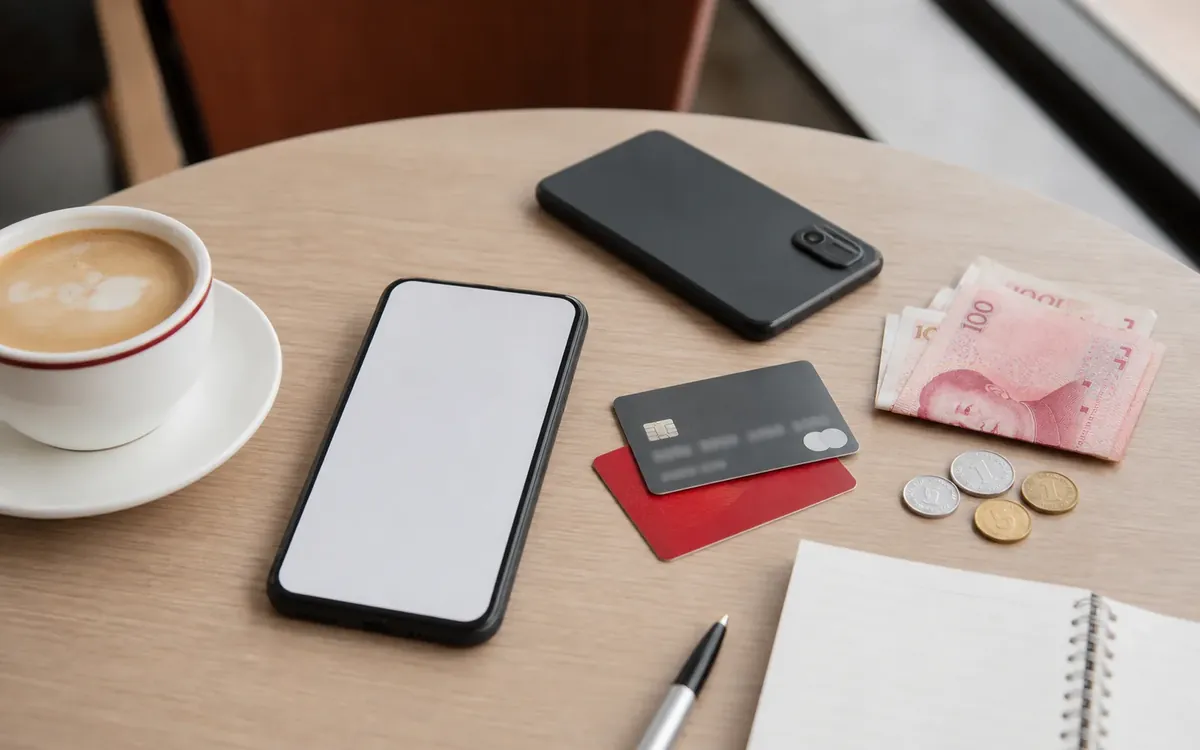
Your practical payment stack should include three layers: mobile payment, card or ATM backup, and a small cash fallback. Alipay and WeChat Pay are the main everyday tools, while foreign cards and PayPal-linked options may work in specific flows or merchant types depending on setup, region, card issuer, and app eligibility.
- Set up mobile payment before departure if possible.
- Add a foreign card and complete any identity or security checks requested by the app.
- Carry a backup card from a different network or bank if available.
- Know where your first ATM or exchange point is near the airport or hotel.
- After check-in, make one small test purchase before you depend on mobile payment for a meal, taxi, or train.
If a payment fails, the usual causes are QR direction, card verification, risk controls, merchant type, app limits, weak data, or bank-side blocking. Do not troubleshoot under pressure at a restaurant counter if you can test earlier.
Phone, data, and essential apps
Your phone is the bridge to payment, translation, maps, taxis, trains, hotel communication, and emergency help. Treat data access as a travel essential, not a nice extra.
Data
Choose roaming, eSIM, local SIM, or airport SIM. Test whether maps, payment apps, and translation work on mobile data.
SMS verification
Many accounts need text-message codes. Make sure your number can receive them before you change SIMs or rely only on Wi-Fi.
Daily apps
Prepare payment, WeChat, maps, translation, ride-hailing, hotel booking, train booking, and airline apps.
Install apps before you fly. App stores, SMS checks, bank security reviews, and identity verification are easier to handle while you still have your normal phone environment.
Airport to hotel
Your first hour in China should be simple: get online, confirm your hotel address, choose an official transport option, and avoid improvising with strangers offering rides inside the terminal.
- Official taxi: Good when you have luggage, arrive late, or want a direct route. Use the marked taxi rank.
- Metro or airport rail: Often reliable and cheap, but less comfortable with heavy luggage or late arrivals.
- Ride-hailing: Convenient if your app, payment, and pickup-location reading all work.
- Hotel pickup: Useful for late arrivals, families, business travelers, and first-time visitors who want fewer moving parts.
- Airport bus: Sometimes useful, but confirm the stop name, operating hours, and distance from your hotel.
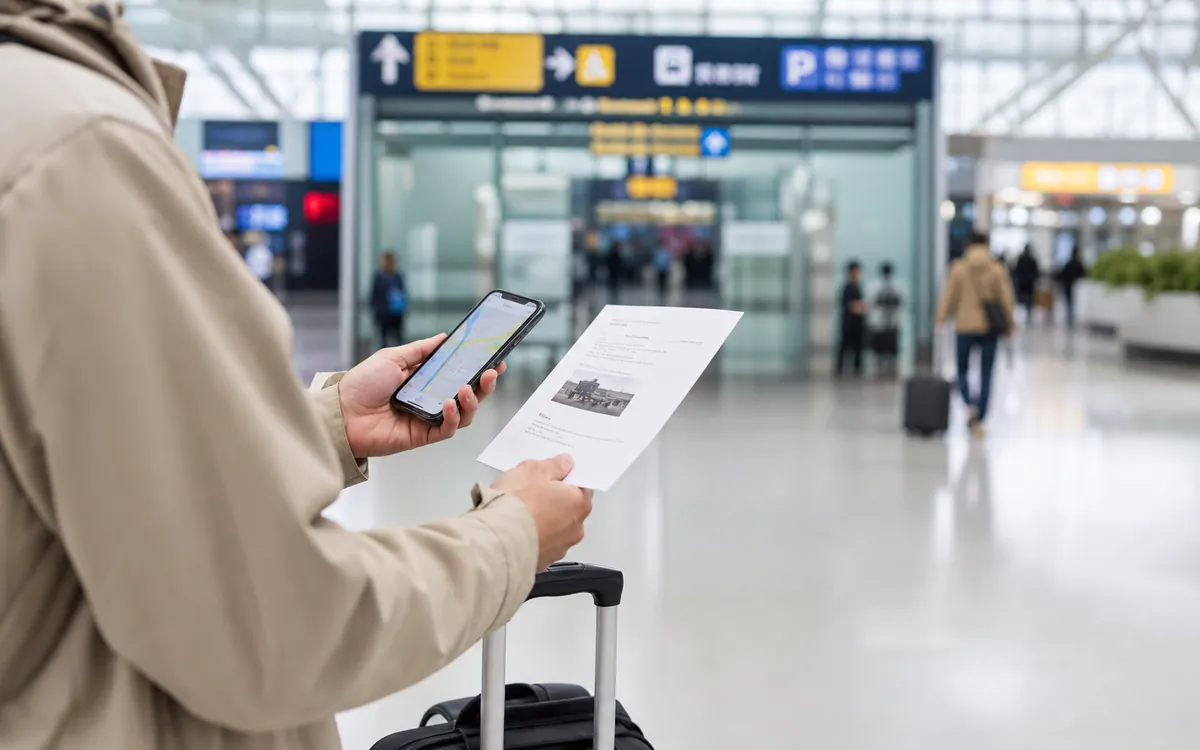
Show the driver or staff your hotel name and address in Chinese. If you only have the English name, two hotels with similar translated names can become a real problem.
Your first payment test
After check-in, test one small payment near your hotel. A convenience store, bottled water, metro ticket, or simple cafe order is enough. The goal is not the purchase; the goal is finding problems while the stakes are low.
- Turn off airport Wi-Fi and test on mobile data.
- Try a small QR payment.
- Confirm your bank does not block the transaction.
- Keep cash or a backup card ready until you trust the setup.
- If the payment fails, take a screenshot of the error and check the payment guide calmly.
First 24 hours plan
The first 24 hours are for stabilization. You are building your local operating system: hotel, phone, payment, nearby food, nearby transport, and emergency awareness.
| Time | Goal | What to do |
|---|---|---|
| Airport | Get connected and leave safely | Activate data, confirm hotel address, use official transport, keep passport and wallet secure. |
| Hotel check-in | Create a support base | Ask front desk for your address in Chinese, nearby ATM, pharmacy, convenience store, and metro station. |
| First meal | Keep it easy | Eat near the hotel, use simple ordering, test payment, and avoid a cross-city search while tired. |
| Evening | Prepare for tomorrow | Save routes, charge devices, check weather, confirm tickets or reservations, and rest. |
Common first-time mistakes
- Landing without working mobile data and assuming airport Wi-Fi will solve everything.
- Depending on one foreign card without mobile payment, RMB cash, or an ATM plan.
- Saving only English hotel names and addresses.
- Booking tight train or flight transfers on the first day.
- Trying to visit several distant districts before understanding the city layout.
- Ignoring jet lag and making the first day too ambitious.
- Waiting until the first restaurant or taxi ride to discover that payment does not work.
- Not saving emergency numbers, passport copies, insurance information, and embassy or consulate contacts offline.
Guide map
Use this page as the first layer. Then go deeper into the guide that matches your next problem.