



For business communication in China, keep WeChat active, write short structured messages, confirm decisions in durable records, ask who owns the next step, and separate friendly conversation from final commercial agreement.
Business plan
Make business communication specific enough to act on.
Useful communication in China often means clear roles, written follow-up, simple bilingual references and a shared understanding of what was decided, not only polite conversation.
Before the meeting
Send agenda, names, company context, address, timing and any documents that need review before arrival.
During discussion
Separate questions, decisions, assumptions and open issues so translation or hierarchy does not blur the outcome.
Afterward
Send a short recap with owners, deadlines, files, samples, pricing points and what remains unconfirmed.
Keep messages short, one request at a time, with dates, quantities, names and attachments clearly labeled.
Use simple sentences and confirm the result in writing when money, timing or compliance matters.
Business trip decision guide
Business travel works better when the practical layer is prepared before meetings begin.

Safer work trip
- Prepare addresses, invoices and contact names.
- Leave room for factory or meeting delays.
- Confirm payment, translation and transport backup.
Risky work trip
- Treat business logistics like a vacation plan.
- Assume receipts and invoices are automatic.
- Book tight cross-city schedules.
 Before leaving
Prepare the proof, address or app screen first.
Before leaving
Prepare the proof, address or app screen first.
The useful preparation is specific: one Chinese address, one saved record, one backup route and one person who can help if business timing, host expectations and written records stall.
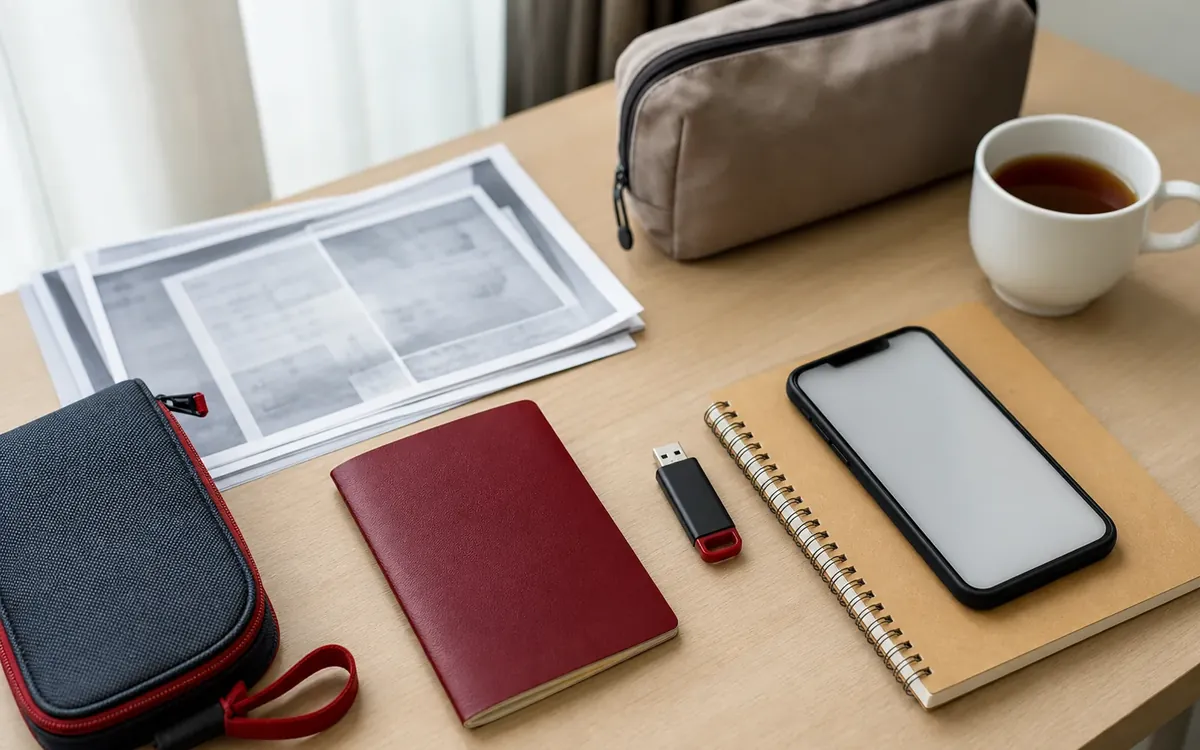 At the counter
Compare the answer you receive with the Business communication in China checklist.
At the counter
Compare the answer you receive with the Business communication in China checklist.
If the local process differs, follow the official instruction and keep a record of the name, time and location.
Phone, maps and translation
Keep navigation, messaging and payment systems working from arrival day.

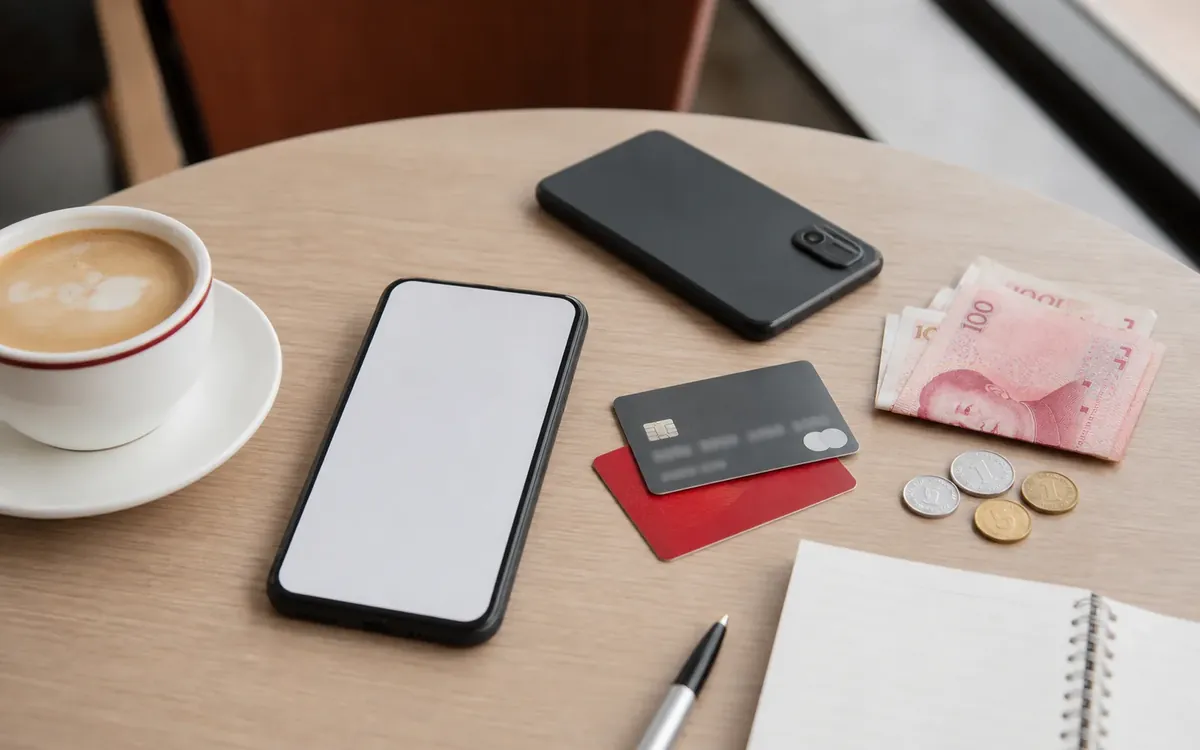 Payments
Meeting roles, records and follow-up
Payments
Meeting roles, records and follow-up
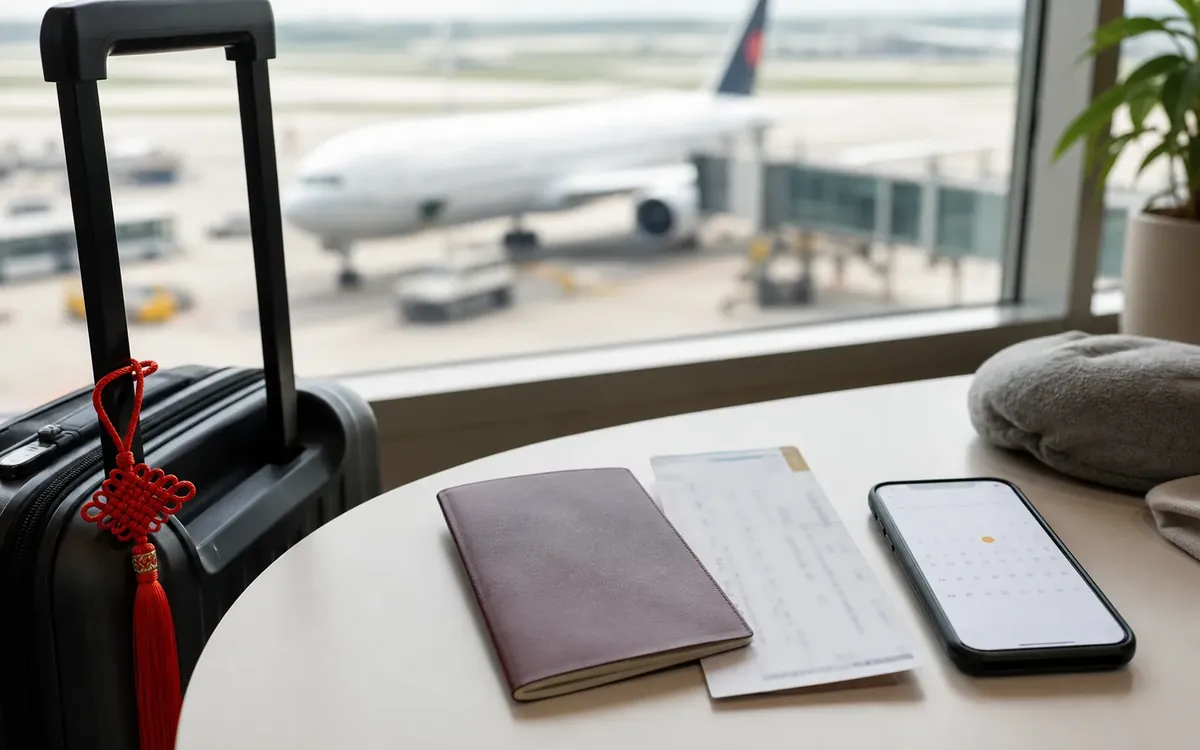 Entry
Entry rules before booking
Entry
Entry rules before booking
 Transport
Rail and city transfers
Transport
Rail and city transfers
Core habit: after every useful call, meeting, factory visit, or trade fair conversation, send a written summary with agreed points, open questions, owners, dates, and documents needed. This one habit prevents many expensive misunderstandings.
Choose the right channel
In many China business settings, communication is split across several layers. The mistake is expecting one channel to do everything.
Best for introductions, quick questions, locations, short files, meeting changes, group chats, and fast follow-up.
Best for proposals, summaries, specifications, purchase orders, contract drafts, invoice details, and formal trails.
Documents
Best for contracts, technical requirements, drawings, pricing tables, inspection standards, and agreed deliverables.
WeChat as business infrastructure
WeChat is often the practical operating layer for business trips, supplier visits, introductions, meeting changes, and post-meeting follow-up. Treat it as a working tool, not just a messaging app.
- Use a professional profile name, clear photo, and company context.
- Save contacts with company, city, booth, meeting, product, or project notes.
- Use group chats when several stakeholders need the same context, but keep sensitive negotiation details controlled.
- Ask before sending large files, confidential drawings, passport copies, or commercial documents.
- Move prices, specs, legal terms, payment terms, and delivery commitments into email or formal documents.
- Screenshot or export important context only if your company policy allows it.
Introductions and first messages
A clear first message saves time. Explain who you are, why you are contacting them, how you met, and what you need next.
Meetings that produce action
A meeting can feel successful while still leaving no operational next step. Make the meeting easy to act on by confirming people, agenda, authority, documents, and timing.
- Before the meeting, send agenda, attendee list, location, language needs, and documents to review.
- During the meeting, separate facts, assumptions, open questions, and decisions.
- Ask who can approve price, payment terms, samples, contract language, or delivery dates.
- After the meeting, send a short written summary within 24 hours.
- Use specific follow-up questions instead of vague "any update" messages.
Follow-up that gets answers
Good follow-up is concrete, easy to answer, and tied to an owner and date. It respects the other side's internal approval process while keeping momentum.
Too vague
"Any news?" gives the recipient extra work to figure out what you mean.
Better
"Can you confirm unit price, MOQ, sample cost, and lead time by Friday?"
Best
"Here are the three open items from our meeting. Please confirm owner and target date for each."
Quotes, specs, and commercial details
For pricing and supplier communication, plain structure matters more than polished language. Use tables, version numbers, dates, and units. Avoid mixing many topics in one long chat message.
- For quotes, specify product, model, material, size, color, quantity, packaging, certification, shipping term, destination, currency, payment term, and validity date.
- For samples, specify sample version, cost, courier method, address, timeline, and who pays.
- For specs, use drawings, photos, measurements, tolerances, reference samples, and version numbers.
- For delivery, distinguish production lead time, inspection time, domestic transport, export handling, and international shipping.
- For invoice or reimbursement, ask for the exact invoice title, tax number, buyer name, and receipt format required by your company.
Translation and clarity
Translation tools work best when the source message is clean. Write for translation, not for literary style.
- Use short sentences and numbered lists.
- Ask one decision question at a time when money, law, dates, or technical details matter.
- Avoid idioms, sarcasm, jokes, abbreviations, and vague deadlines.
- Write dates with month names or ISO format, not ambiguous numeric formats.
- Repeat important units: pieces, cartons, kilograms, meters, RMB, USD, working days, calendar days.
- When using an interpreter, pause often and let both sides confirm key points.
Decision timing and hierarchy
Business rhythm varies by industry, city, company size, relationship, and topic. Some teams answer quickly on WeChat but need time for legal, finance, boss approval, or factory confirmation. A slow final answer is not always a refusal.
Meals, relationship, and sensitive topics
Meals can build trust, but they are not a substitute for written terms. Keep social conversation warm and simple. Save sensitive pricing, legal, quality, and dispute details for a more controlled setting unless your host clearly leads the conversation there.
- Be clear about allergies, alcohol limits, halal, vegetarian, or other dietary needs early.
- Do not mistake hospitality for final approval.
- If an important topic comes up informally, summarize it later in writing.
- Keep political, religious, and highly sensitive topics out of business small talk.
What to keep in writing
For low-risk logistics, chat can be enough. For money, specifications, delivery, legal terms, compliance, and quality, use durable written records.
- Company legal name in Chinese and English, address, contact person, phone, and tax or registration details when relevant.
- Price, currency, payment term, invoice requirement, refund condition, and deposit condition.
- Product spec, sample version, quality standard, inspection process, packaging, labeling, and certification.
- Delivery date, shipping term, destination, responsibility for customs documents, and delay process.
- Meeting summaries, open questions, owners, deadlines, and next call date.
Useful message templates
Adapt these short formats. The point is not perfect wording; the point is making the next action unmistakable.
After meeting
Thank you for today's meeting. My summary: agreed items are A and B. Open questions are C and D. Please confirm owner and target date.
Quote request
Please quote for model X, quantity Y, material Z, packaging A, destination B, currency C, lead time, MOQ, sample cost, and validity date.
Decision check
Before we proceed, can you confirm whether this price and delivery date are final, or still need manager or finance approval?
Mistakes to avoid with Business communication in China
- Relying only on spoken agreement for price, deadline, specification, or quality standard.
- Sending long mixed-topic messages that translate badly.
- Confusing friendly tone with final commercial agreement.
- Not confirming who can make the actual decision.
- Using WeChat for important records without sending a formal summary.
- Accepting vague delivery promises without defining production, inspection, shipping, and document timing.
- Letting a business meal replace written follow-up.