Safety
Solo Travel in China: Practical Safety Without Fear
Solo travel in China is often manageable, but independence requires better backups for payment, communication, hotel return, documents, and late-night movement.
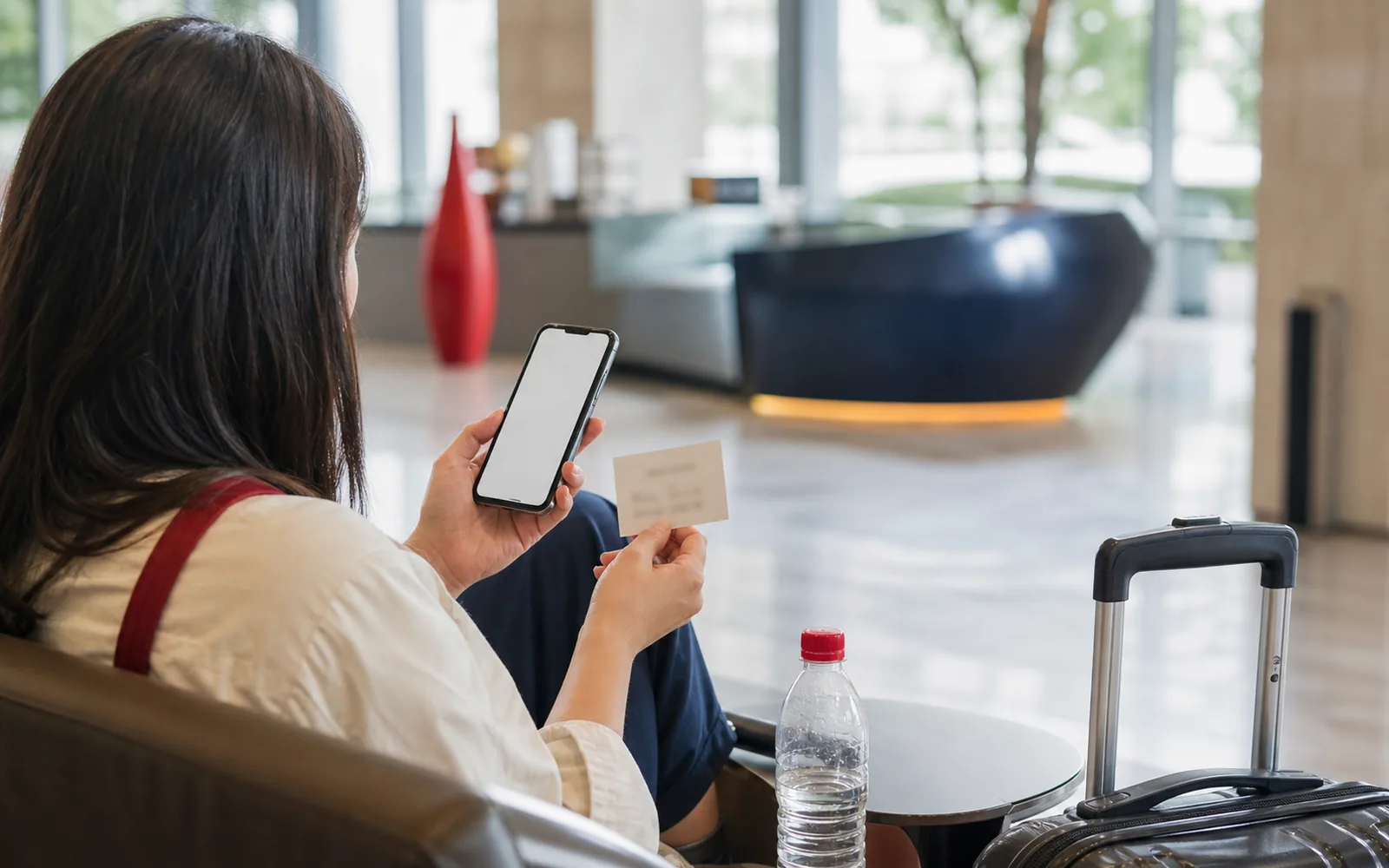
Solo safety answer
Solo safety is mostly routine design: stay trackable, keep backups separate, and avoid high-pressure decisions when tired.
Your routine is your safety system
Solo travelers do not have a companion to catch small mistakes. Build routines: save the hotel address, keep battery above a safe level, carry backup payment, avoid moving to unknown districts late at night, and tell someone your rough plan when appropriate.
These habits are simple, but they reduce the number of problems that become urgent.
Choose friction-light hotels
A solo traveler should prioritize check-in reliability, location, late-night access, and transport over novelty. A good front desk can help with taxis, delivery, translation, and local questions. Remote or complicated accommodation can be interesting later, but not for the first arrival.
Your first hotel should be boringly reliable.
Night decisions need rules
Nightlife, late trains, delayed flights, and unfamiliar pickup points are where fatigue affects judgment. Decide your rules before the moment: when to take an official taxi, when to avoid a second location, when to return to the hotel, and when to ask staff for help.
Pre-decided rules are easier to follow than tired instincts.
Separate backups
Do not keep every payment method, card, cash note, passport copy, and phone backup in one bag. Losing one item should not remove every recovery option. Cloud backups, paper copies, and one small cash reserve can make a difficult day solvable.
Solo travel rewards redundancy.
Solo safety is mostly route control
Solo travel in China is often practical and comfortable, especially in major cities with busy transport, late food options and strong mobile infrastructure. The important habit is route control. Know how you will return before you leave, keep the hotel address offline, avoid letting your phone battery become the single point of failure, and do not push the final transport of the day into uncertainty.
Night markets, riverfronts and central shopping streets can feel lively rather than risky, but the last kilometer still matters. If the metro is closing soon or rain is heavy, choose a ride-hailing or official taxi plan before you are exhausted. Solo travel confidence comes from ending the day deliberately.
Different solo travelers need different buffers
A first-time visitor should keep the first city simple and stay near reliable transport. A solo woman may prefer hotels with staffed lobbies, well-lit entrances and easy ride pickup points. A budget traveler should avoid saving money by choosing locations that require long late-night walks. A photographer or food traveler should tell someone the rough plan when exploring outer districts or mountain areas.
Support this article with safety and scams, female travelers safety, taxi and ride-hailing, night arrival planning, and the emergency card. Good solo planning is quiet: it gives you freedom because the return path is already protected.
A realistic solo evening
A solo traveler in Chengdu wants hotpot and a riverside walk. The safer version is not staying inside. It is choosing a restaurant with a clear ride pickup point, keeping the hotel address offline, checking metro closing time, and deciding the return route before the phone battery drops below comfort level. The evening can still be spontaneous inside those boundaries.
Solo travel problems often begin when the return plan is left until the end. Protect the return first, then enjoy the neighborhood. That small habit makes night food streets, parks and central districts feel much easier.
Save before going out alone
Before a solo evening, save the hotel address, nearest open metro station, ride-hailing pickup point, and one backup food or convenience-store option near the hotel. Tell a trusted contact the rough district if you are going far from the base. These steps do not make the night rigid. They make it easier to change plans without negotiating with fatigue, low battery or an unfamiliar street layout. If the final activity is far from the hotel, set a return time before the metro or ride options thin out.
Solo safety is mostly logistics clarity
Solo travel safety in China is less about constant fear and more about reducing ambiguous moments. Know the Chinese hotel address before a late return. Keep the next transport step clear before leaving a station. Share the city and hotel area with a trusted person when moving bases. Save enough payment and battery to choose a staffed option instead of wandering while tired.
The solo traveler has one special constraint: every decision depends on the same person. Fatigue, hunger, low battery, and uncertainty compound faster. Build small rules before the day starts: no unfamiliar transfer when the phone is below a set battery level, no late hotel change without calling first, and no long walk with luggage if the pickup point is unclear. These rules preserve choice.
Solo routine checks
- Save hotel return details offline.
- Keep backup cash separate.
- Maintain phone battery margin.
- Avoid complex late-night transfers.
- Use hotel staff as a help point when needed.