Family
China with Children or Older Parents: Logistics Before Ambition
Family travel in China can be rewarding, but it needs slower pacing, hotel discipline, transport buffers, toilets, food backups, and medical readiness.
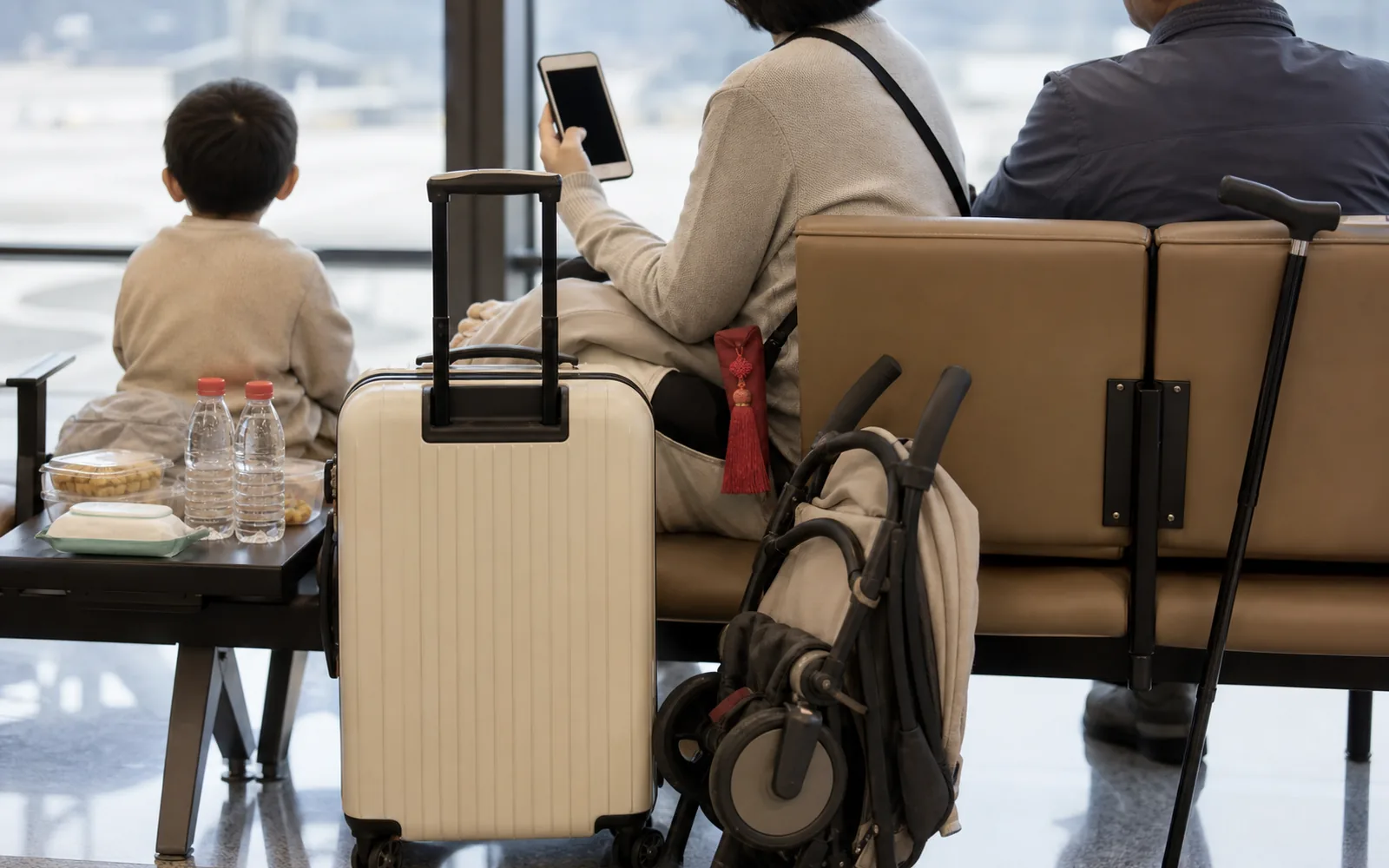
Family logistics answer
Reduce transfers, stay near useful transport, keep food simple early, and plan recovery time into every major movement.
Pacing is the main safety tool
Families often underestimate China city scale. A route that is easy for one adult can become exhausting with children, older parents, strollers, medication, or heat. Plan fewer locations per day and choose one anchor activity instead of stacking attractions.
A slower plan often sees more because it collapses less.
Hotels do more work
For family travel, the hotel should solve several problems: breakfast, elevators, nearby food, reliable transport, comfortable bathrooms, luggage storage, and staff who can help with addresses or taxis. Saving a little money on a weaker location can cost energy every day.
The hotel is the logistics base.
Food and toilets need backups
Children and older travelers may need predictable food and clean restrooms. Malls, larger restaurants, hotels, museums, and major stations are often better fallback points than tiny streetside shops. Carry tissue, sanitizer, water, snacks, and simple medicine.
Comfort planning is not overthinking; it keeps the group moving.
Transport should be boring
Avoid tight rail transfers, late-night hotel changes, and long cross-city movements after big sightseeing days. Keep airport and station plans simple. If a taxi is the backup, save the Chinese address and pickup point before leaving.
Boring transport is good family transport.
Families need slower logistics, not fewer experiences
Traveling in China with children or older parents is very workable, but the day has to be built differently. The pressure points are not only attractions. They are long station walks, stairs with luggage, food timing, bathroom access, heat, crowd noise, and the time it takes to recover after a failed taxi or missed meal. A route that feels normal for two adults may be exhausting for a family group.
Choose hotels near the transport mode you will actually use, not just near a famous sight. In Beijing, that may mean a metro-friendly area with simple food nearby. In Shanghai, it may mean avoiding a transfer-heavy commute with strollers or large luggage. In Chengdu or Xi'an, a calmer base can matter more than shaving ten minutes off sightseeing travel. The hotel is the recovery tool.
Design each day around one hard thing
For families, one demanding activity per day is usually enough: a major museum, a long rail transfer, a wall section, a theme park, a night market, or a food area with crowds. Keep the other parts easy and familiar. Book rail seats with enough time to board calmly, carry snacks that do not depend on restaurant timing, and save toilet stops as part of the route rather than as an emergency search.
Useful companion pages are travel with family, public toilets and hygiene, food allergies and dietary needs, mobility travel, and hotel check-in. The best family itinerary is not smaller; it is paced so everyone can still enjoy day three.
A realistic family day
A family in Beijing may plan the Forbidden City, a hutong walk and a long dinner across town. For two energetic adults, that could work. With children or older parents, it can become a day of queues, heat, tired legs and a late return. A stronger plan keeps the major sight, puts lunch nearby, adds a quiet hotel break, and chooses dinner within an easy ride.
This is not making the trip less interesting. It is keeping the group available for the next day. Family travel in China works best when each day has one main effort, one predictable meal and one protected return route.
Save before a family transfer
Before moving hotels or stations with a family group, save restroom options, snack plan, pickup point, elevator-friendly route if needed, and the next hotel address in Chinese. Assign one adult to documents and one to bags or children when possible. China travel feels much easier when the group knows the next pause point, not just the next attraction.
Families need fewer transitions
Family travel in China improves when the route has fewer transitions than adults think they can handle. Children, older parents, strollers, medication, naps, food preferences, and bathroom timing all turn a simple station transfer into a larger operation. The issue is not whether the family can visit many cities; it is whether each move leaves enough energy for the next day.
Choose hotels for recovery, not only sightseeing. A useful family base has food nearby, easy transport, a clear pickup point, and a route back that works when someone is tired. Keep one flexible block every two or three days. The unused afternoon is not wasted; it is insurance against a slow breakfast, weather, minor illness, or a child who simply needs the plan to stop.
Group movement checks
- Choose hotel district for food and transport.
- Limit daily anchor activities.
- Carry snacks, tissue, water, and medicine.
- Avoid tight transfer days.
- Keep Chinese addresses ready for taxis.