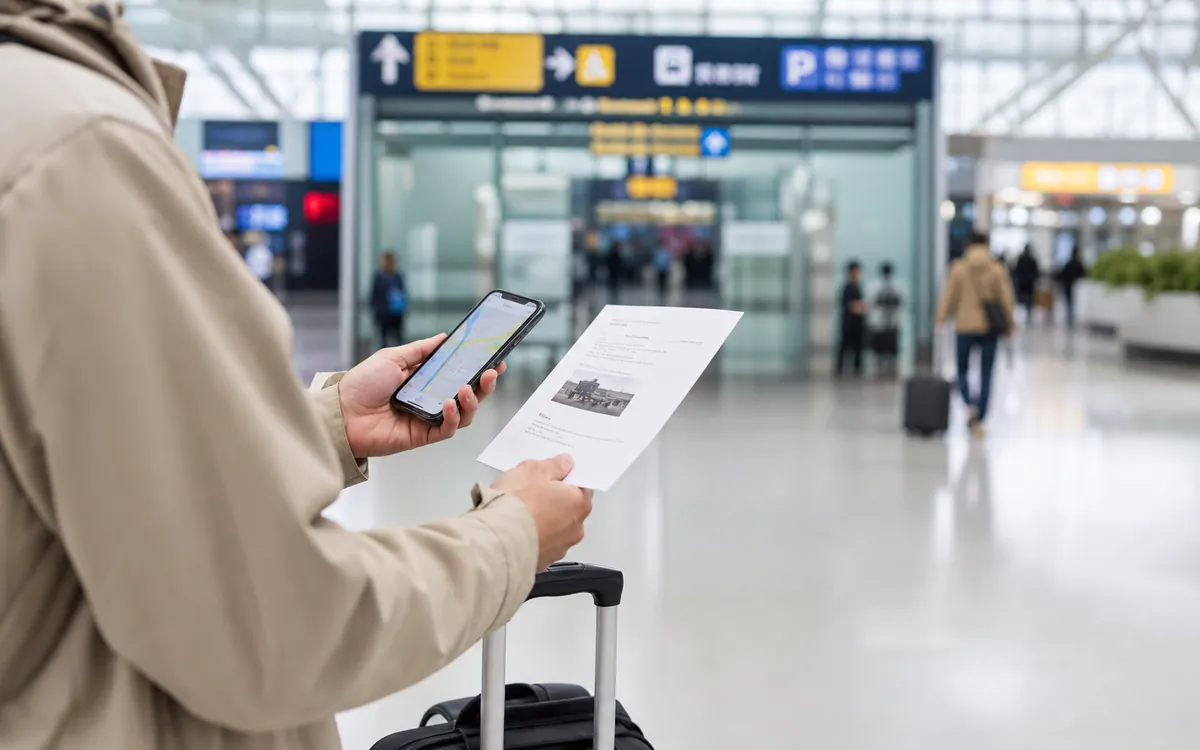
 ArrivalBase first
Hankou, Wuchang or near the rail station you need
Destination guide
A central China rail hub with river scenery, universities, food streets and useful east-west travel links.
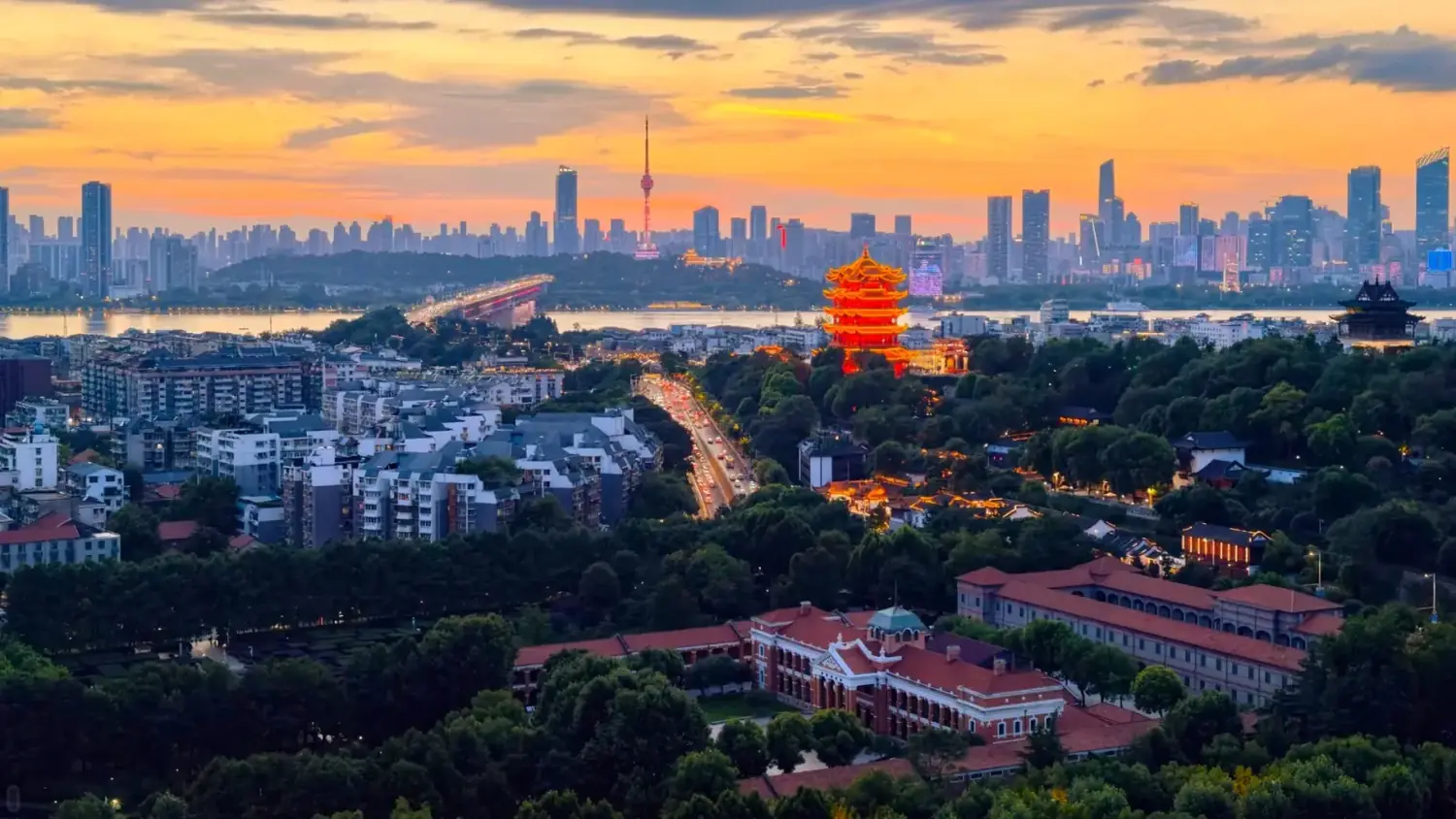
Destination snapshot
Use Wuhan as a rail hub and choose the river side deliberately.
Photo route
Read the page through the images first: base, first anchor, food rhythm and onward route.
ArrivalBase firstHankou, Wuchang or near the rail station you need
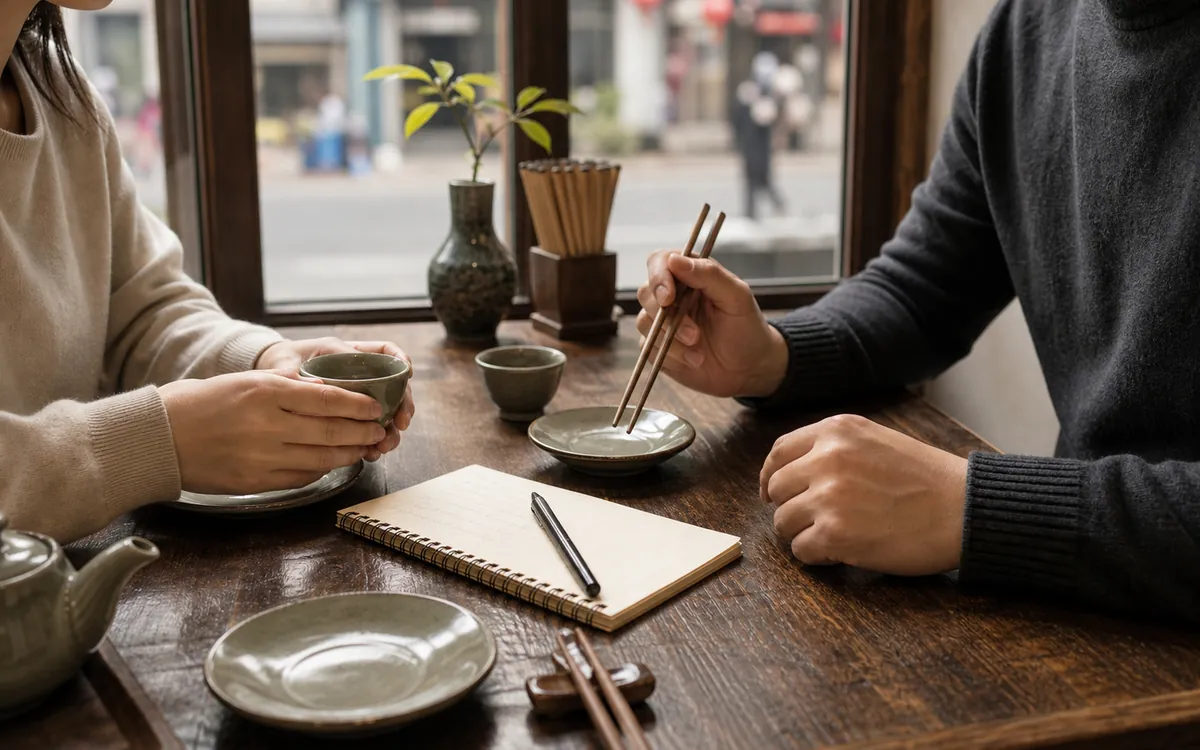 First anchorDo one thing well
Choose one river side and one food area, not all three towns
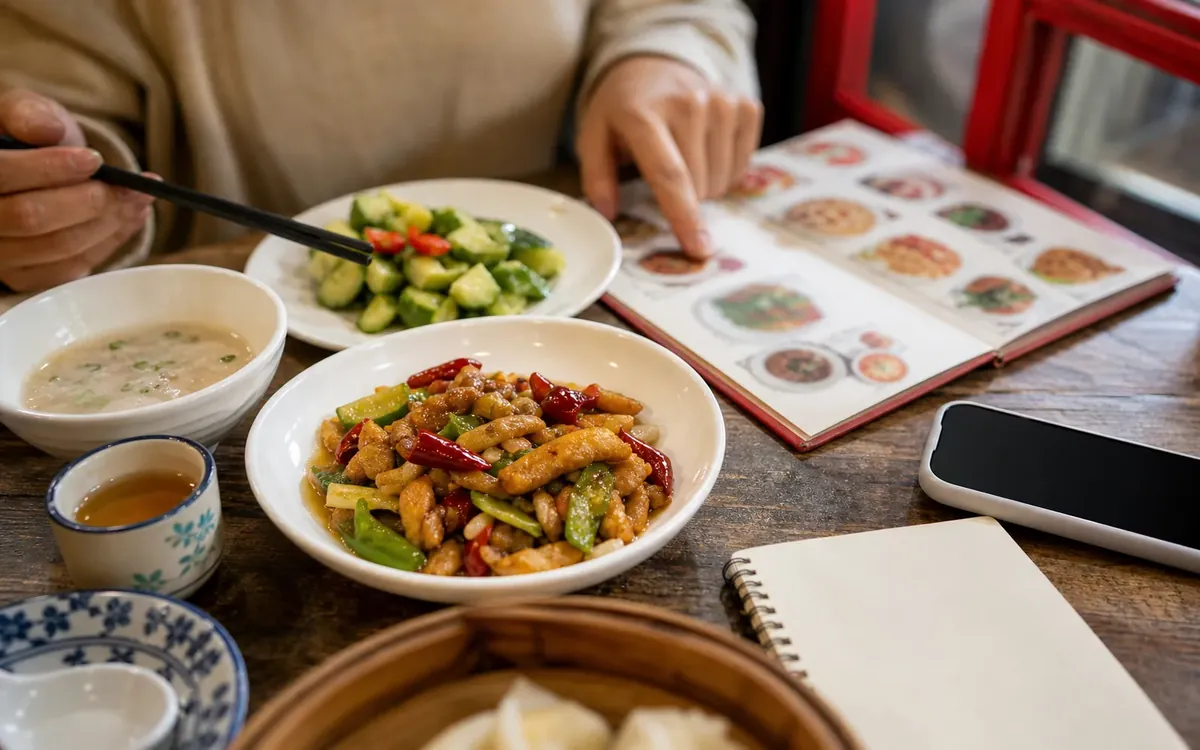 FoodEat without friction
Hot dry noodles, breakfast stalls and river-city snacks
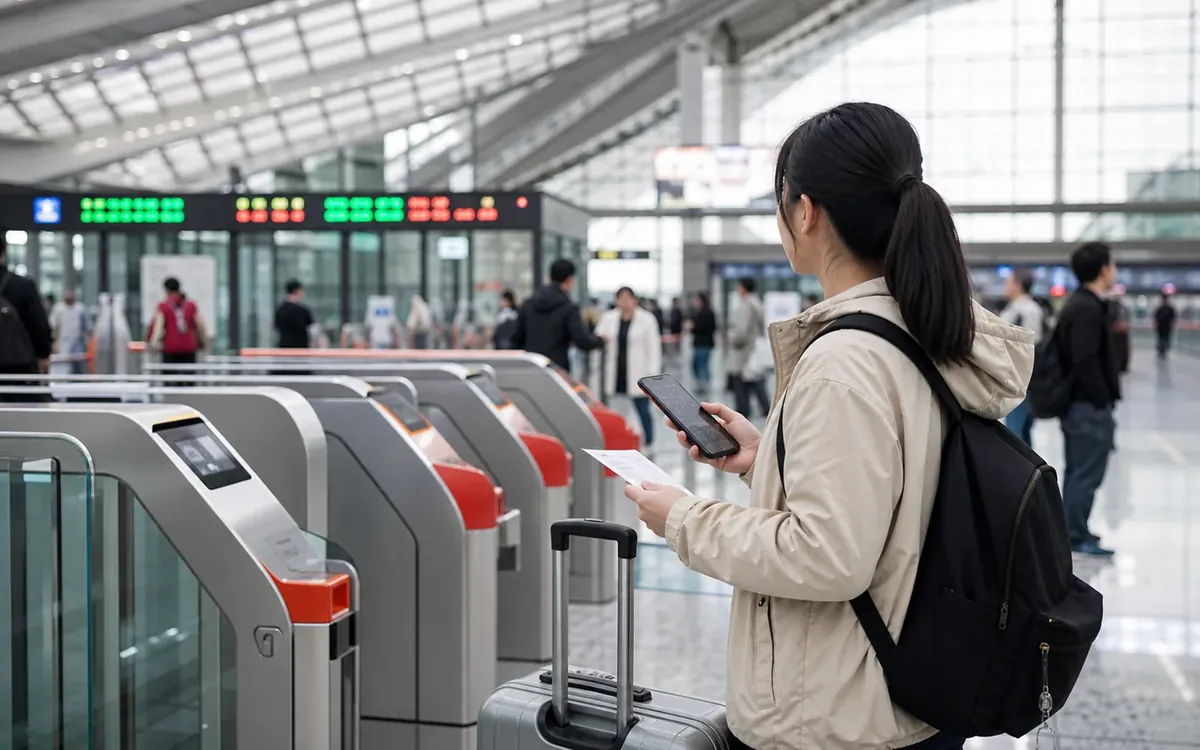 Next routeLeave cleanly
Changsha, Nanjing or Chongqing
 BaseHankou or WuchangFirst dayHotel, payment test, one simple anchorFood rhythmHot dry noodles, breakfast streetsNext routeChangsha or Shanghai
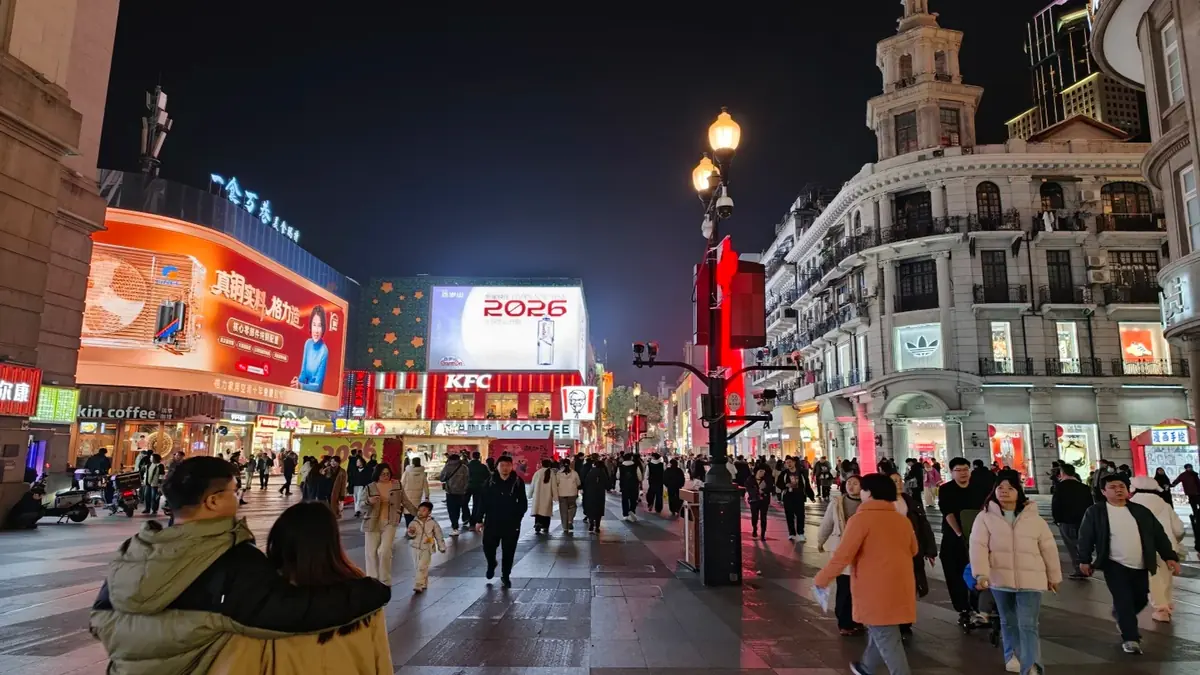
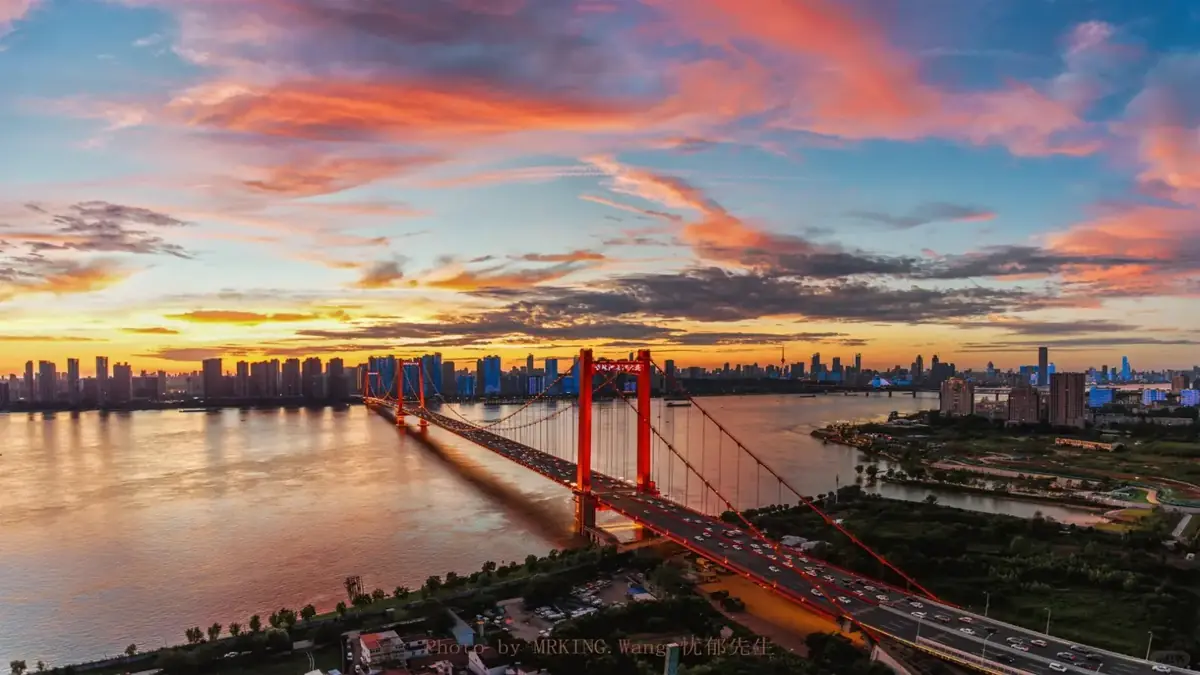
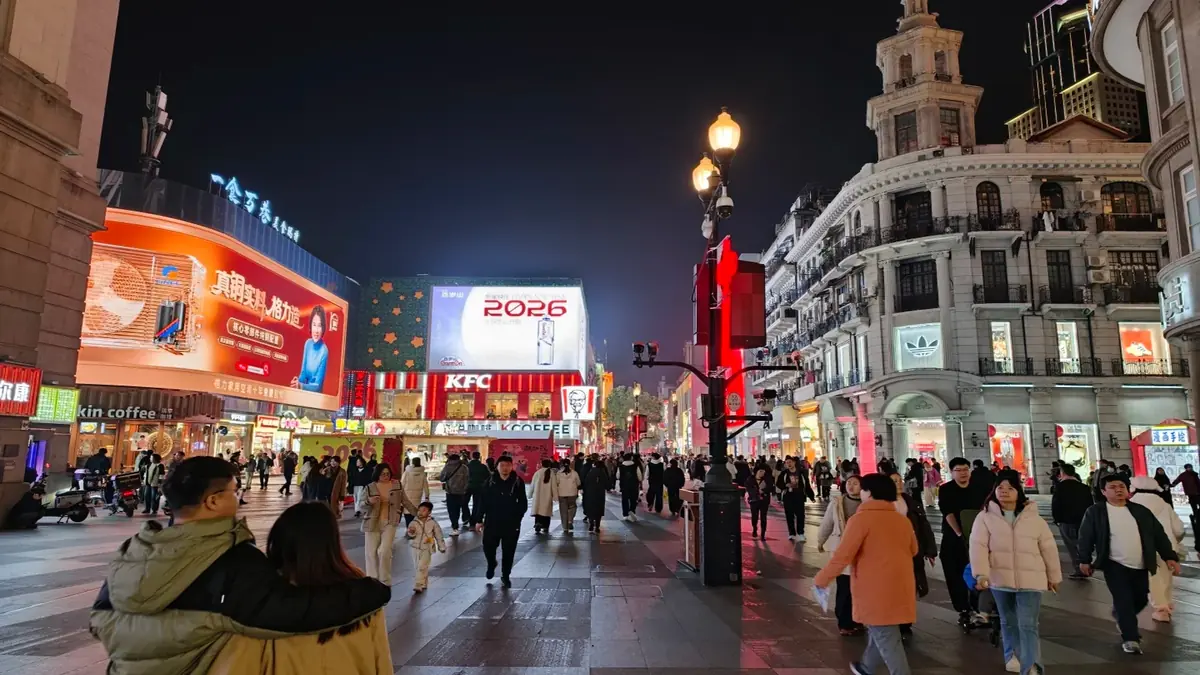
Replace these slots with real photos when available: skyline or street, arrival, neighborhood base, food and onward transport.
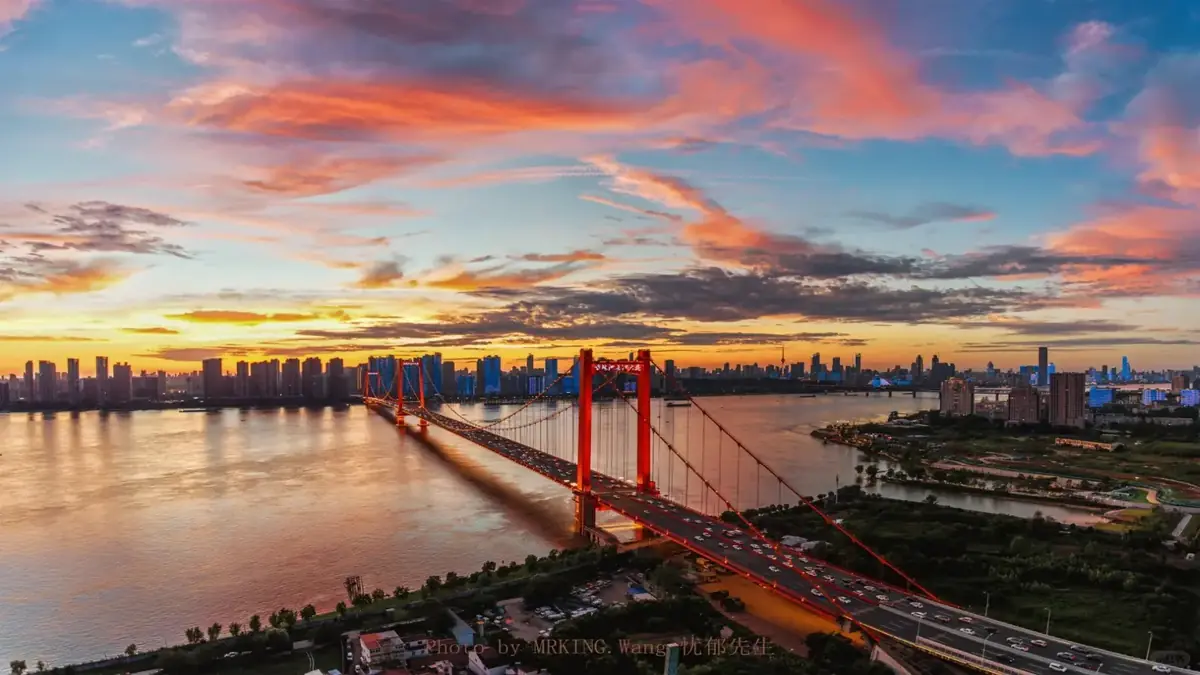
Destination channel
Use Wuhan as a central rail hub with river districts, universities and useful mid-China connections.
Keep the first transfer boring: hotel address, payment test and one simple meal before ambitious sightseeing.
Hankou or Wuchang
Yangtze riverfront and breakfast streets
Changsha, Nanjing or Chongqing
Hankou: Good for old concessions, food, river walks and business.
East Lake: Needs a dedicated slow block.
Wuhan has multiple major stations. This is the most important practical detail for visitors.
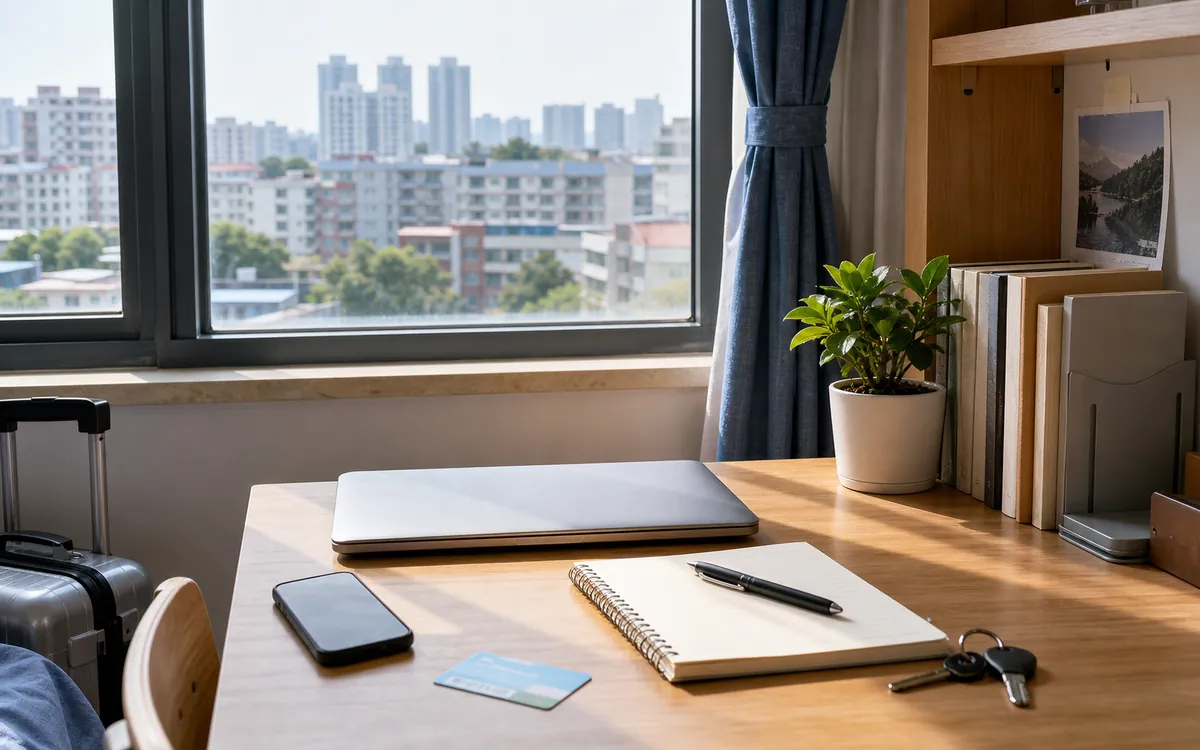
Wuhan has several rail stations; match the station to your hotel district.
Hankou or Wuchang depending on meetings is the simplest starting point for most visitors. Prioritize the station or airport you actually use, a Chinese hotel address and a luggage route that still works when tired.
Yangtze River, breakfast and museum block. Keep the first day focused on the local constraint: arrival timing, payment proof, map confidence and a calm return to the hotel.
Wuhan works as a rail link between Beijing, Guangzhou, Shanghai and Chengdu.
Wuhan is three-city logistics in one. Always confirm whether your train uses Wuhan, Hankou or Wuchang station.
Destination rhythm
ArrivalWuhan has several rail stations; match the station to your hotel district.BaseHankou or Wuchang depending on meetingsFoodHot dry noodles, duck neck, breakfast stalls and Hubei dishes.Choose the base first. It decides how easy the first morning, airport transfer and evening meal will feel.
Match hotel district to the right rail station.
Wuhan works as a rail link between Beijing, Guangzhou, Shanghai and Chengdu.
Orientation
This is not a decorative map. Use it as a planning model: pick a base, place one anchor experience per day and avoid crossing the city repeatedly.
Interactive planner
Pick a travel style and the route card updates. The goal is not to maximize stops, but to choose a base, one anchor and a realistic exit.
Start from Hankou, keep one clear anchor and leave space for payment, maps and food basics.
Why go
A central China rail hub with river scenery, universities, food streets and useful east-west travel links. For AdSense and real visitor usefulness, this page is written as a decision guide rather than a brochure: it helps you choose the right base, avoid common logistics errors and connect the city to practical China systems.
Stay
Pick the area before choosing the hotel. In China, a hotel that looks central on a map can still be inconvenient if it is far from the metro line, rail station or district you actually need.
Good for old concessions, food, river walks and business.
Better for university areas, East Lake and some culture routes.
Practical for overnight rail connections.
Explore
Needs a dedicated slow block.
Good for evening orientation.
Hot dry noodles are the classic start.
Experience planner
A major rail hub and river city useful for central China routing, universities and food. The cards below turn that idea into practical choices: sights, neighborhoods, food, culture and onward movement.
Make this the main visual memory of the day, then build the route around nearby meals and metro exits.
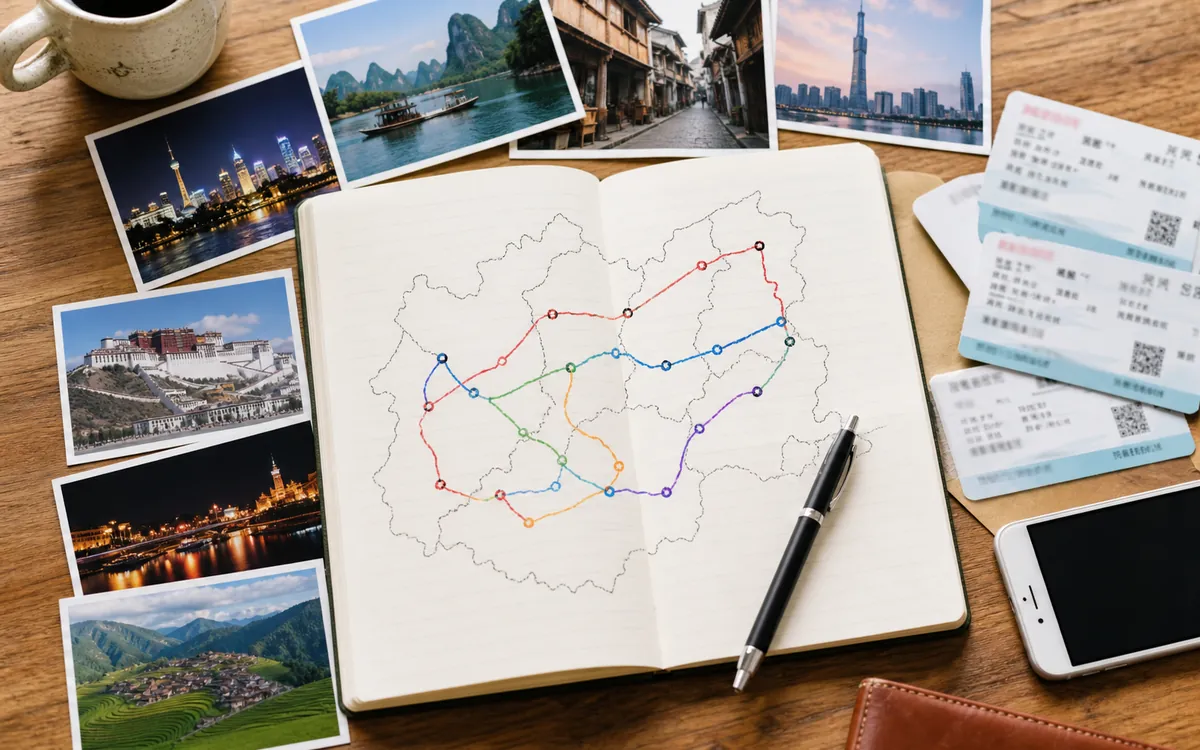
Use neighborhoods as the planning unit. This keeps the day readable and helps avoid long cross-city jumps.
Hot dry noodles, duck neck, breakfast stalls and Hubei dishes.
Choose one cultural block, then leave room for weather, queues and document checks.
Wuhan has several rail stations; match the station to your hotel district.
Wuhan works as a rail link between Beijing, Guangzhou, Shanghai and Chengdu.
What to build around
Use this as the main day anchor, then keep meals and transport close to the same area.
Hot dry noodles, duck neck, breakfast stalls and Hubei dishes.
Wuhan works as a rail link between Beijing, Guangzhou, Shanghai and Chengdu.
Itineraries
Hankou riverfront, food and a central walk.
Add Wuchang, East Lake or university area.
Use day three for a slower rail-connected itinerary.
Trip rhythm
Check in, test payments and choose one easy meal. Hot dry noodles, doupi, breakfast stalls and river-city food are strong anchors.
Add Wuchang, East Lake or university area.
Use day three for a slower rail-connected itinerary.
Keep the first day practical, then add food, neighborhoods and side trips once payments and maps work.
Season and route
Spring and autumn are easiest; summer heat is intense.
Arrival and transport
Wuhan has multiple major stations. This is the most important practical detail for visitors.
Daily basics
Hot dry noodles, doupi, breakfast stalls and river-city food are strong anchors.
Avoid: Avoid booking transport or hotels without checking the exact station name.
Questions? Use this city guide with the X-China arrival checklist before booking hotels, rail tickets or day trips.