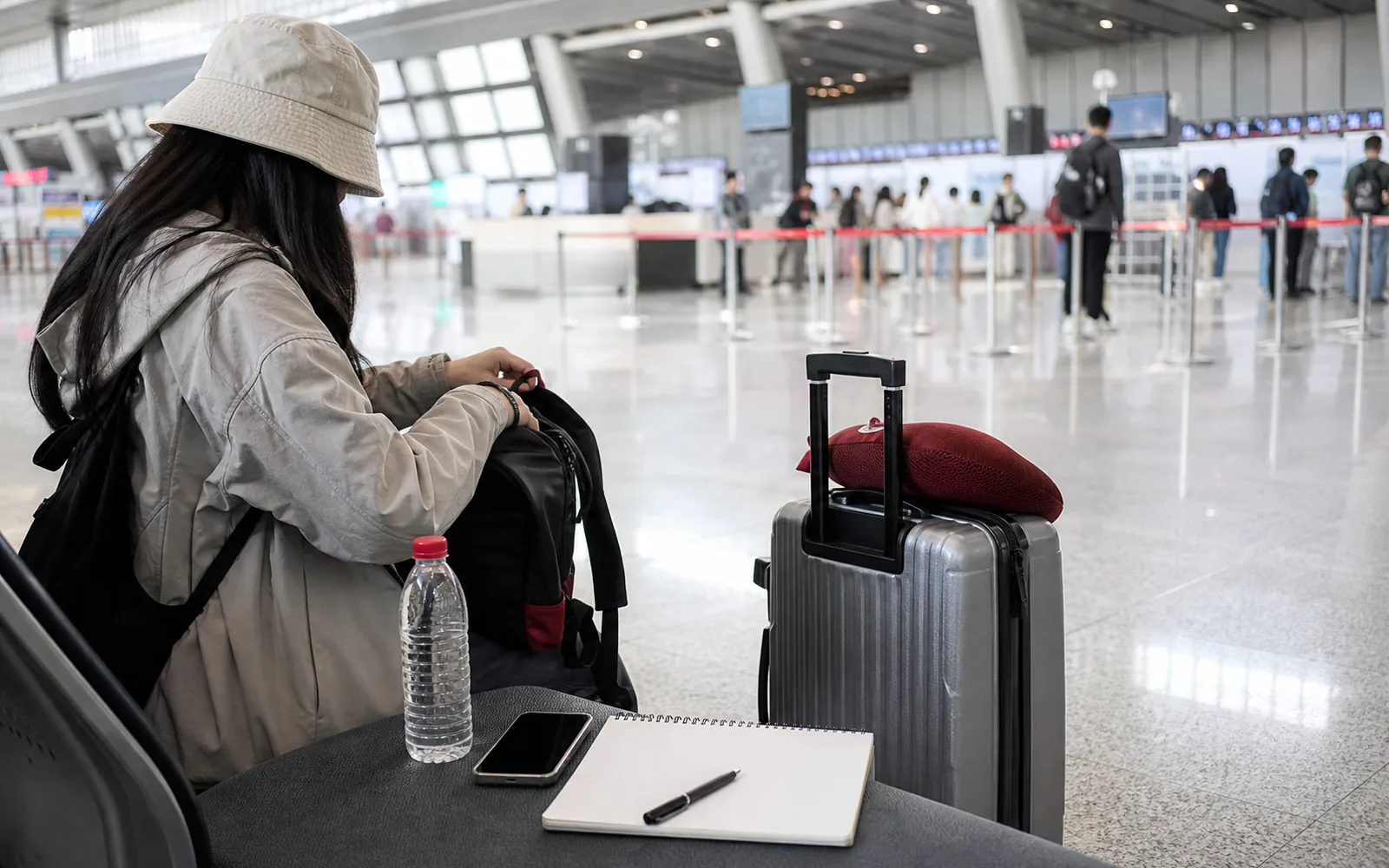


Confirm the exact station, arrive early, keep passport ready, pass security first, watch the gate display, and treat platform access as a timed process.
Decision layer
Treat the station like an airport with faster clocks.
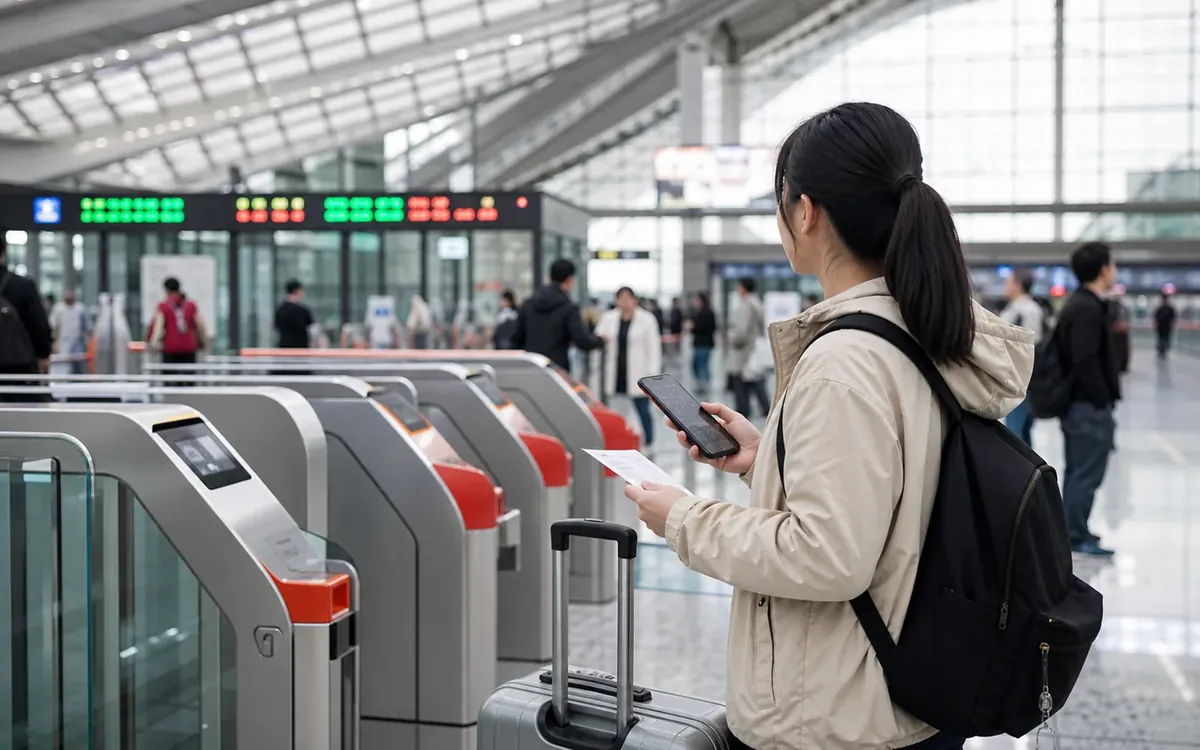
Large Chinese stations combine security, identity checks, waiting halls, gate calls, platform access and luggage movement. The train may be simple, but the station process is timed and unfamiliar for first-time visitors.
Give yourself time for entrance security, passport checks, finding the waiting hall and reading the gate display. The buffer is part of the ticket.
Platform access usually opens and closes on a schedule. Do not sit far away, wear headphones or assume a train number alone is enough.
Know whether you need metro, taxi, ride-hailing or another train after arrival. Huge exits can point to very different city areas.
Before entering
- Correct station confirmed
- Passport and ticket ready
- Snacks and water settled
Before boarding
- Gate display checked
- Luggage manageable
- Arrival transport known
Practical caution: the most common rail mistake is not missing the train because China is hard. It is arriving at the wrong station or treating the station like a small platform stop.
Transport decision guide
Choose the transport mode by city distance, luggage, time pressure and payment confidence.
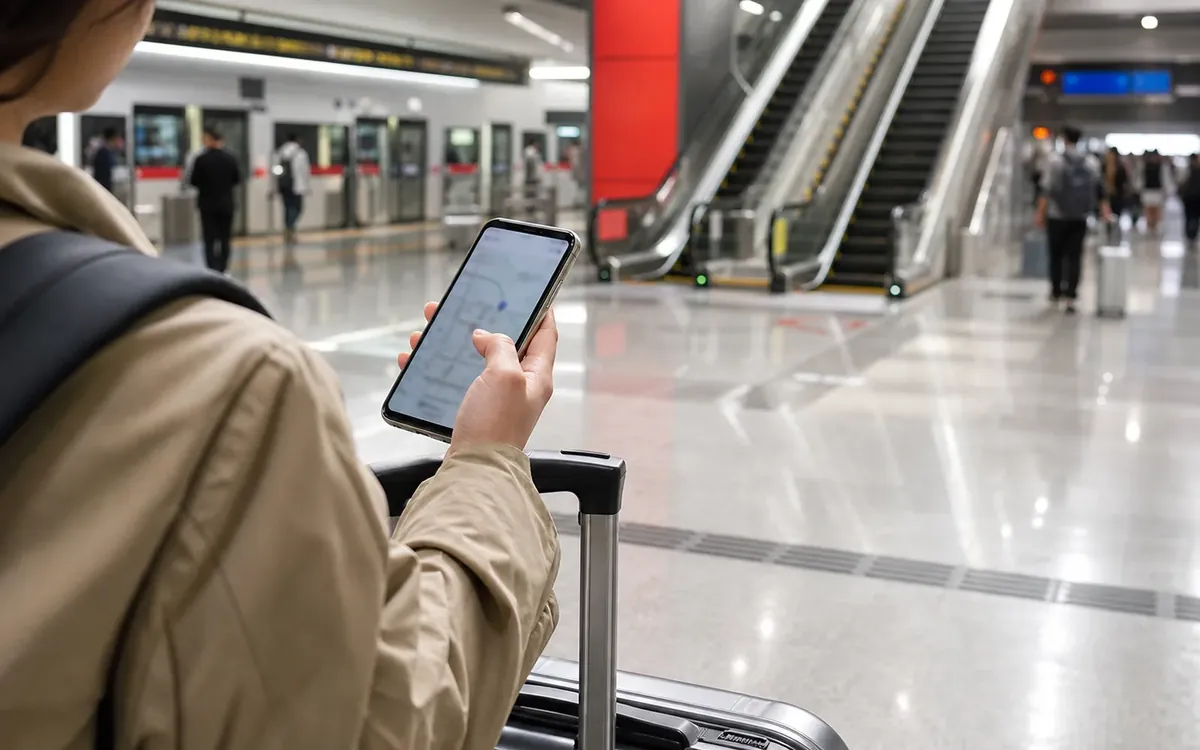
Safer movement
- Save station names in Chinese.
- Leave time for security and transfers.
- Keep a taxi or metro fallback.
Risky movement
- Assume English names match every sign.
- Book tight transfers with luggage.
- Rely on one app without payment backup.
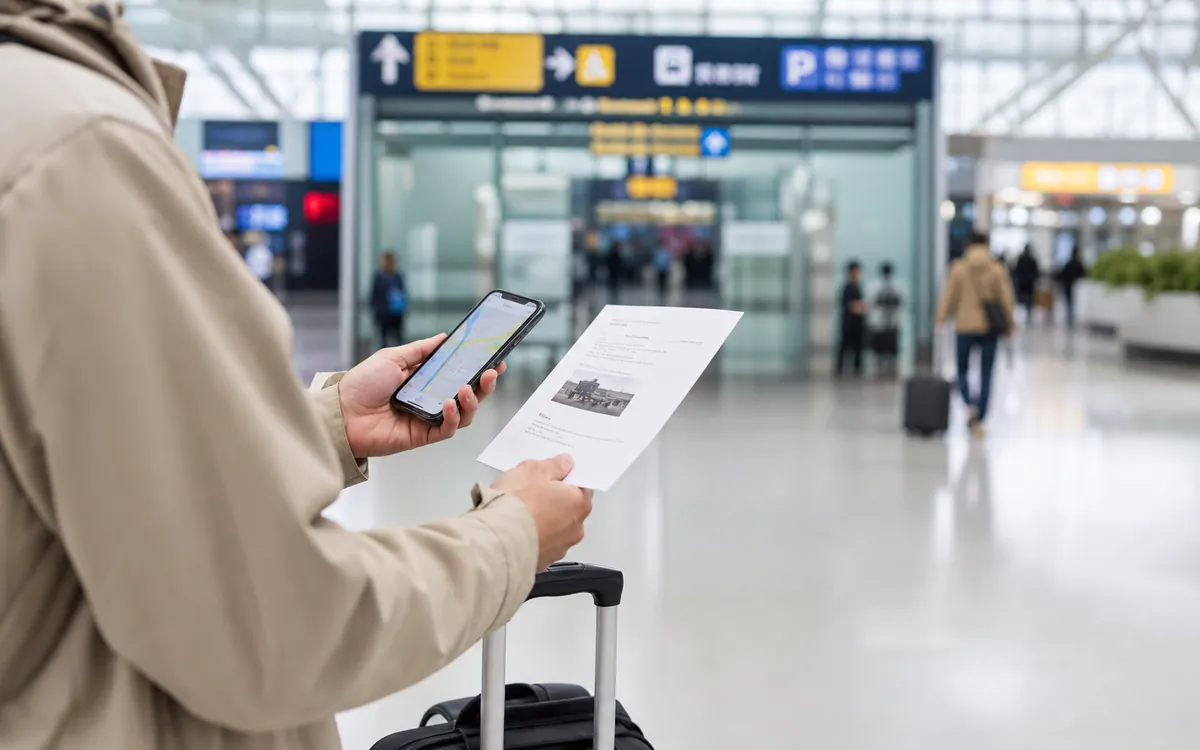 One thing to confirm
Confirm the item that would stop the day if it failed.
One thing to confirm
Confirm the item that would stop the day if it failed.
For this topic, that usually means checking the exact rule, app status, address, document or receipt before the busy part starts.
 One thing to save
Keep evidence that can be shown without mobile data.
One thing to save
Keep evidence that can be shown without mobile data.
Screenshots, Chinese names, booking records and offline notes make routes, transfer buffers and station details easier to explain.
Entry rules before booking
Visa-free eligibility, transit timing, passport checks and border documents.
 Payments
Stations, exits and backup routes
Payments
Stations, exits and backup routes
 Transport
Rail and city transfers
Transport
Rail and city transfers
 Apps
Phone, maps and translation
Apps
Phone, maps and translation
Exact station first
Exact station first is a practical control point for this topic. Check it early so it does not become a problem under pressure.
Security before waiting
Security before waiting is a practical control point for this topic. Check it early so it does not become a problem under pressure.
Gate timing matters
Gate timing matters is a practical control point for this topic. Check it early so it does not become a problem under pressure.
Station names
Large cities can have several stations. The station on your ticket is not optional. Check the Chinese and English station name before leaving the hotel.
Entrance and security
Arrive with time to find the entrance, pass security, and reach the waiting hall. Some stations have large plazas, multiple entrances, and long holiday queues.
Passport and ticket
Foreign passengers usually use passport information for tickets. Keep the physical passport ready. If gates do not read your document smoothly, staff may direct you to a manual lane.
Waiting hall and boarding
Find the gate shown for your train number. Boarding starts before departure and gates close before the train leaves. Do not shop or eat far from the gate close to boarding time.
If you miss the train
Ask station staff or the ticket platform about changing the ticket. Rules depend on ticket type and timing. Missing a train is easier to fix before the departure window fully closes.
China Train Station Survival Guide checklist
- Confirm exact station
- Arrive 60-90 minutes early first time
- Keep passport ready
- Watch gate display
- Stay near gate before boarding
Mistakes to avoid with China Train Station Survival Guide
- Going to the wrong station
- Arriving at departure time
- Hiding passport in luggage
- Waiting at the wrong gate
- Underestimating security queues
When China Train Station Survival Guide needs local help
Ask station staff, hotel staff, airline staff, a driver, venue security or a local host when the route, station name or pickup point is unclear. A Chinese address and screenshot usually solve the problem faster than a long explanation.