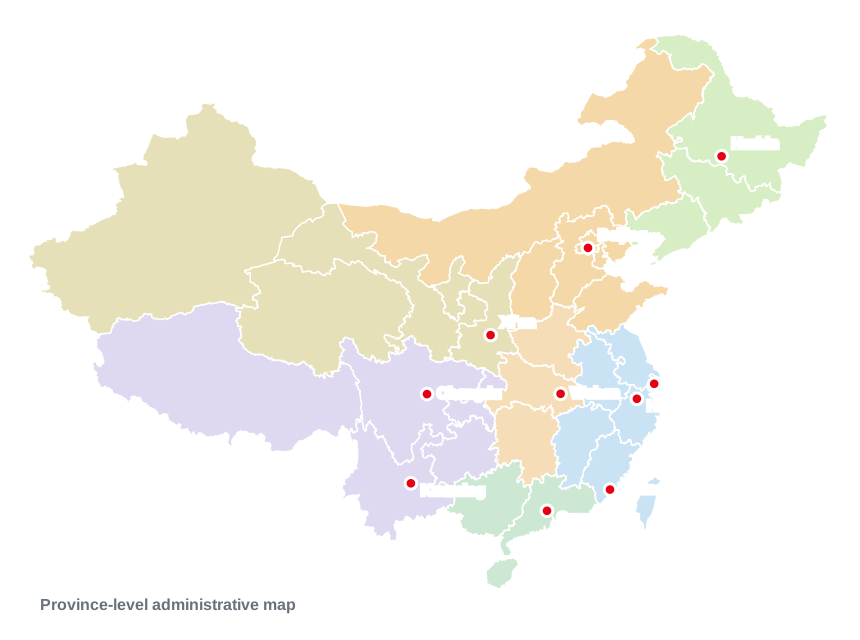
Explore
East China
Shanghai, Suzhou, Hangzhou and Nanjing form the smoothest first China loop: major airports, dense rail and fewer first-week surprises.
Explore East ChinaRegions
China is easier to plan when you first choose the right region. Use this page to match arrival airports, rail corridors, food scenes, business routes and realistic pacing.
Shanghai, Suzhou, Hangzhou and Nanjing form the smoothest first China loop: major airports, dense rail and fewer first-week surprises.
Explore East China ShanghaiEast China
First landing, rail loops, polished city bases.
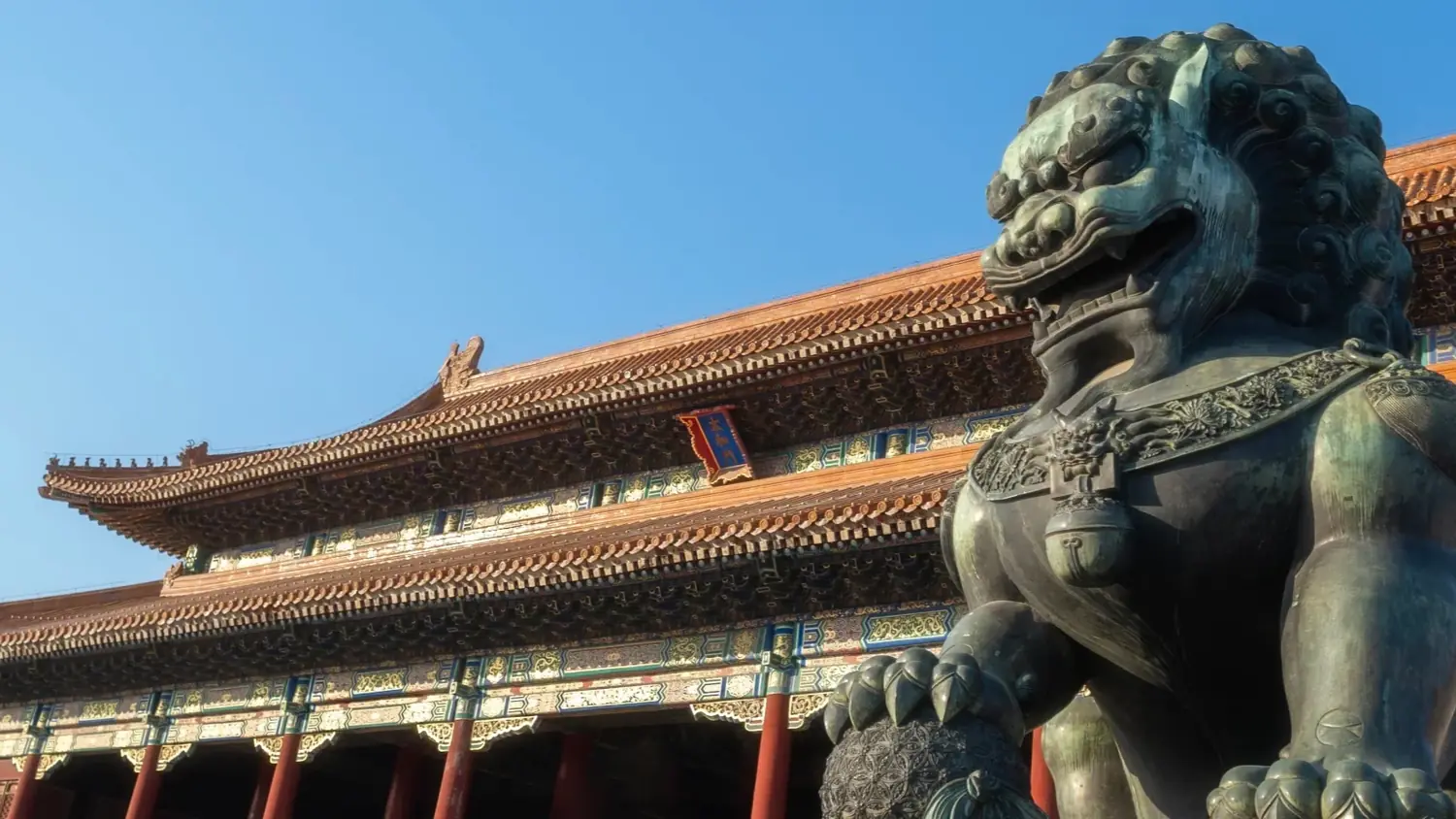 BeijingNorth China
History, government centers and classic first routes.
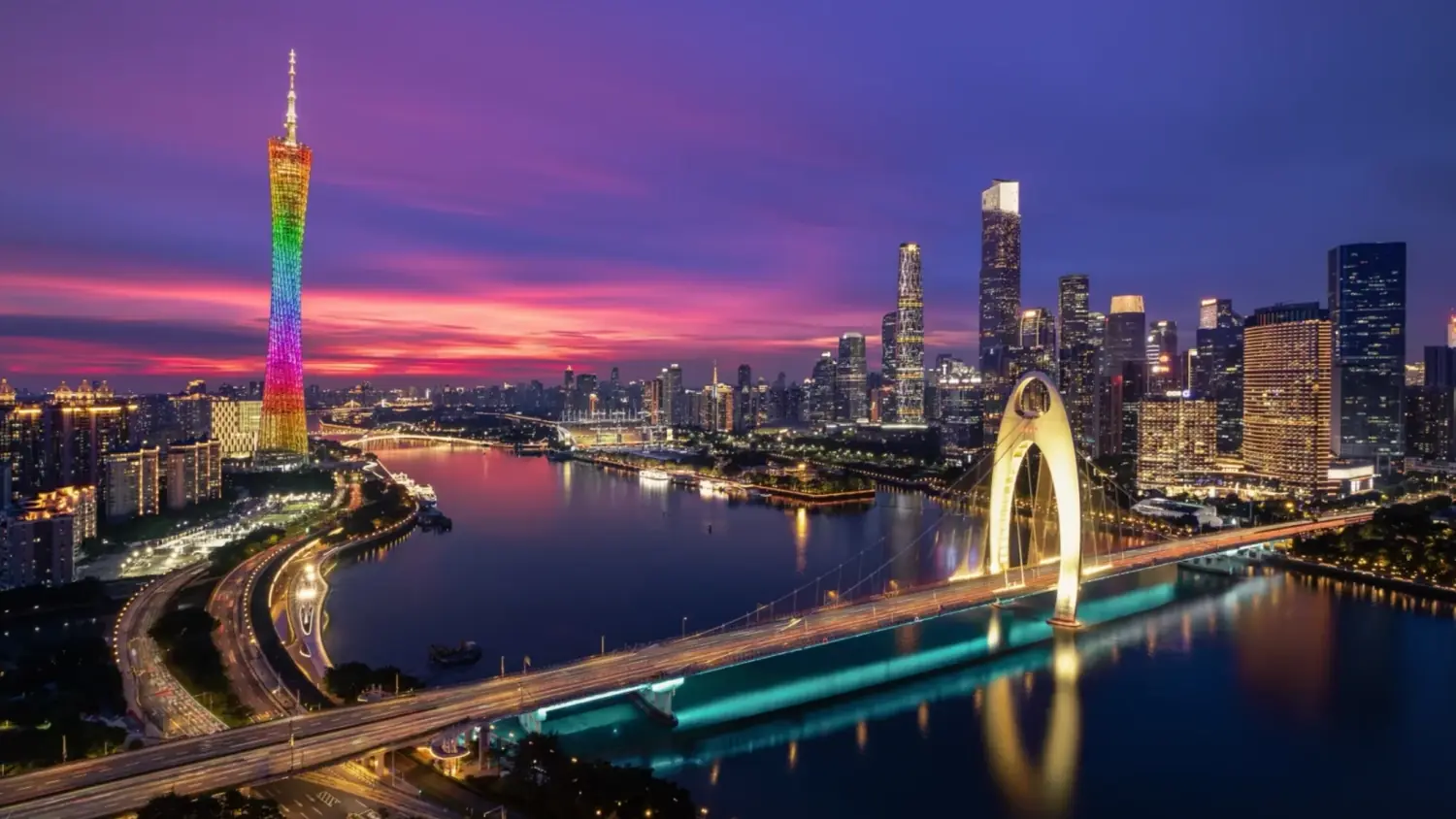 GuangzhouSouth China
Trade, Cantonese food, ports and border planning.
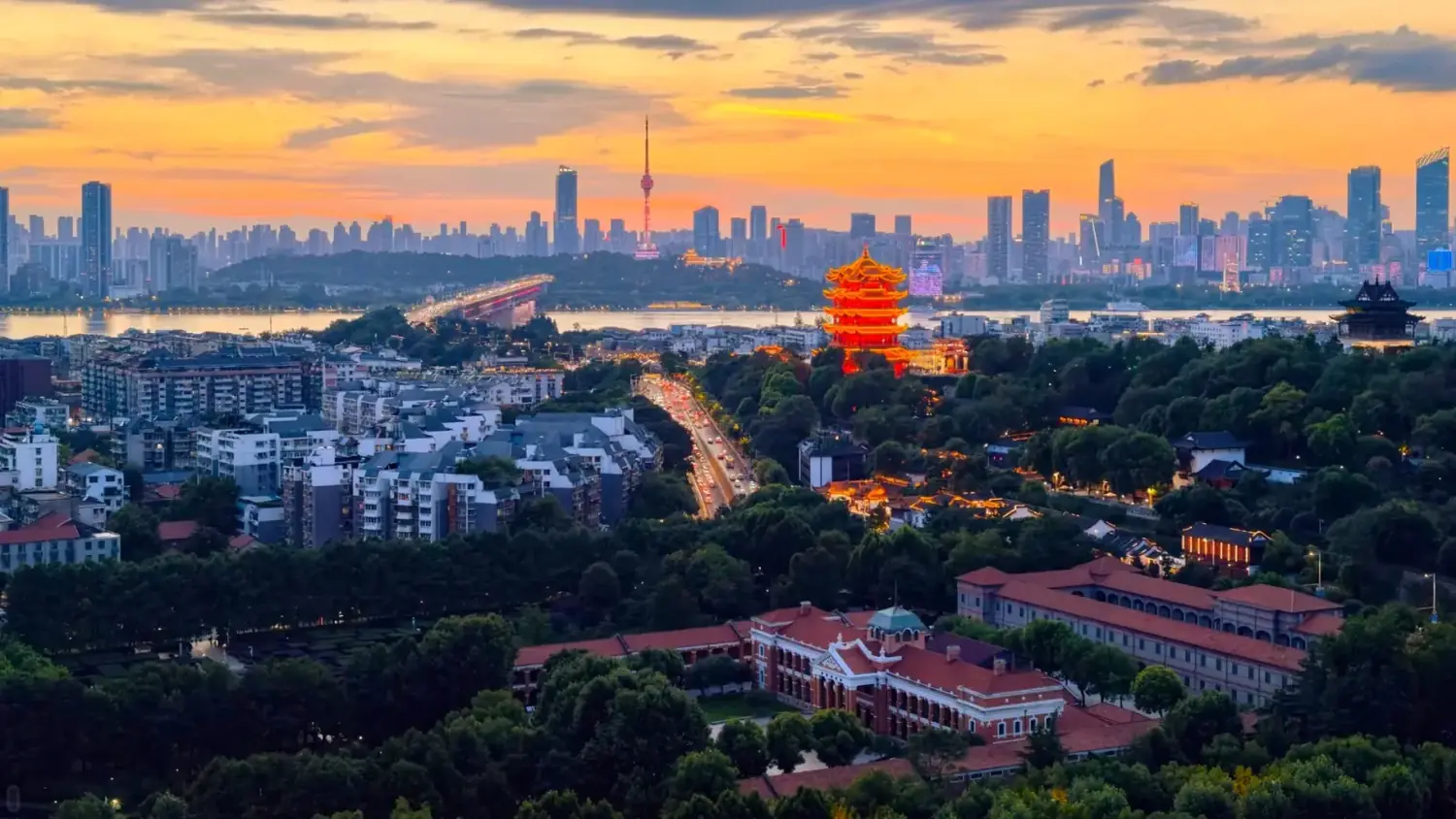 WuhanCentral China
Rail hub logic, universities, food and inland access.
 ChengduWest China
Food, slower stays, gateway routes and mountains.
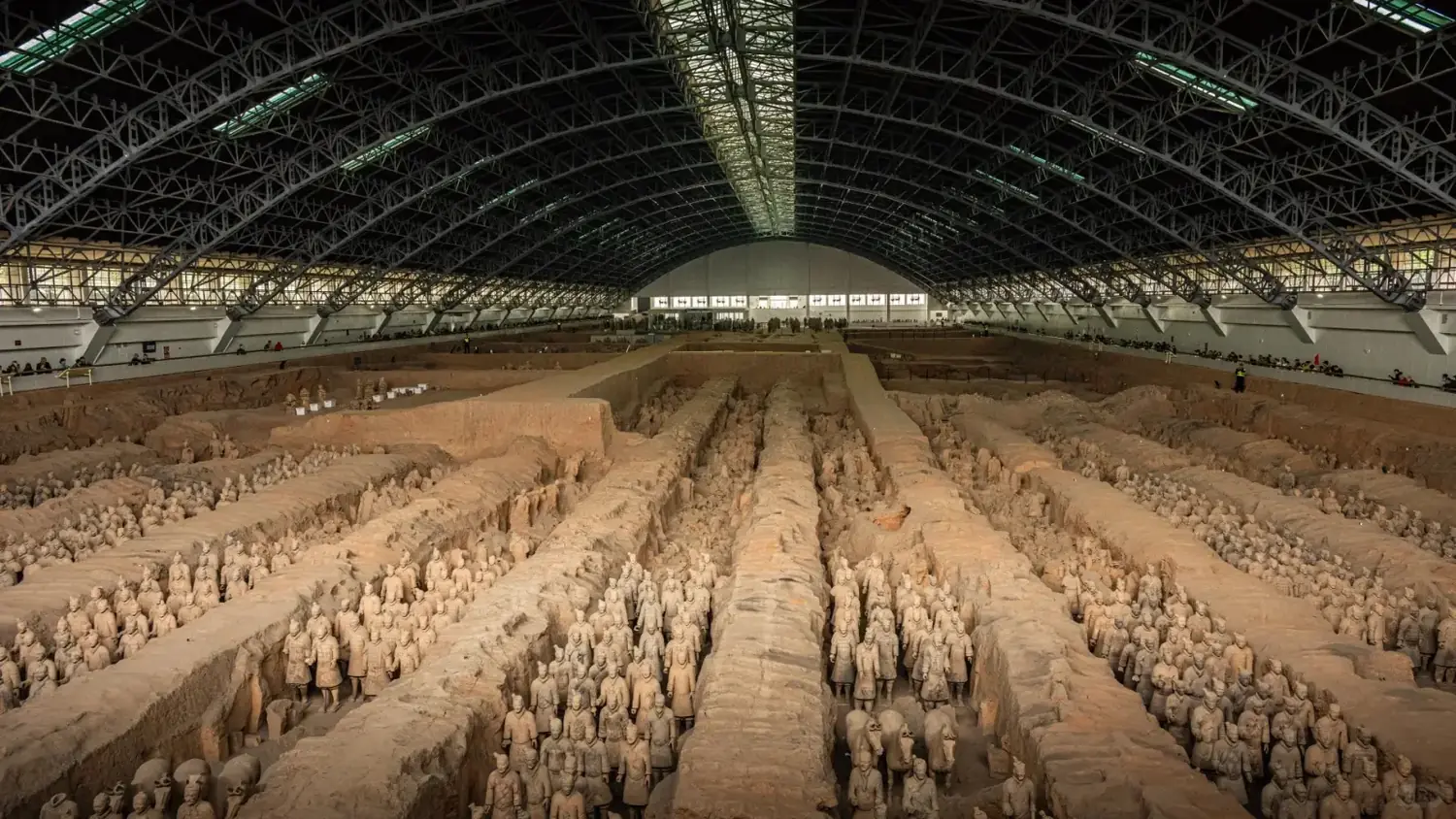 Xi'anNorthwest China
Ancient capital first, then longer northwest routes.
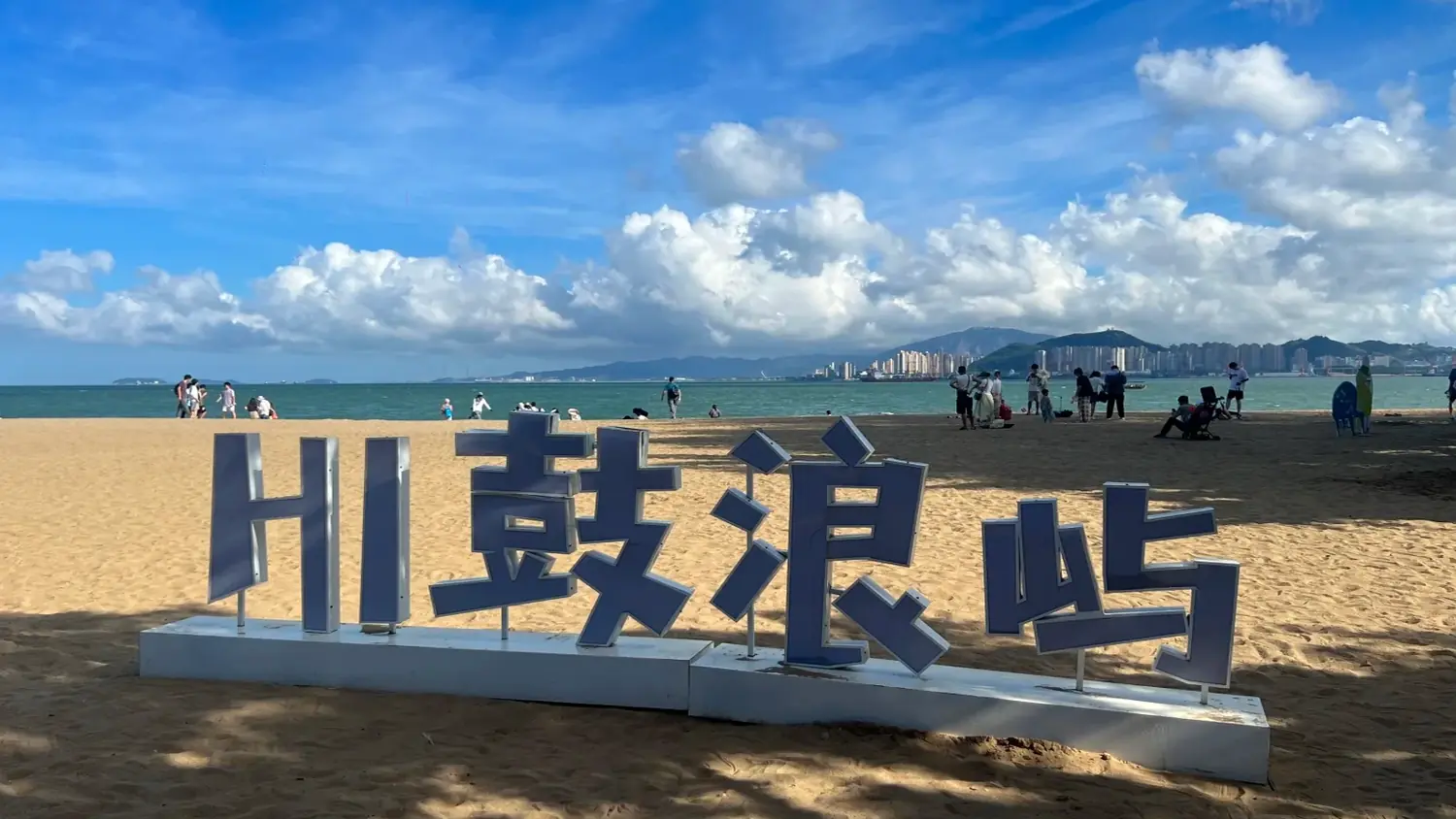 XiamenCoastal Fujian
Gentler coastal days, island logistics and food.
 HarbinNortheast China
Seasonal winter travel, cold-weather prep and rail links.
Destinations
Browse China by practical travel region: where to start, which cities connect well, how many days to allow, and what foreign visitors should check before booking.
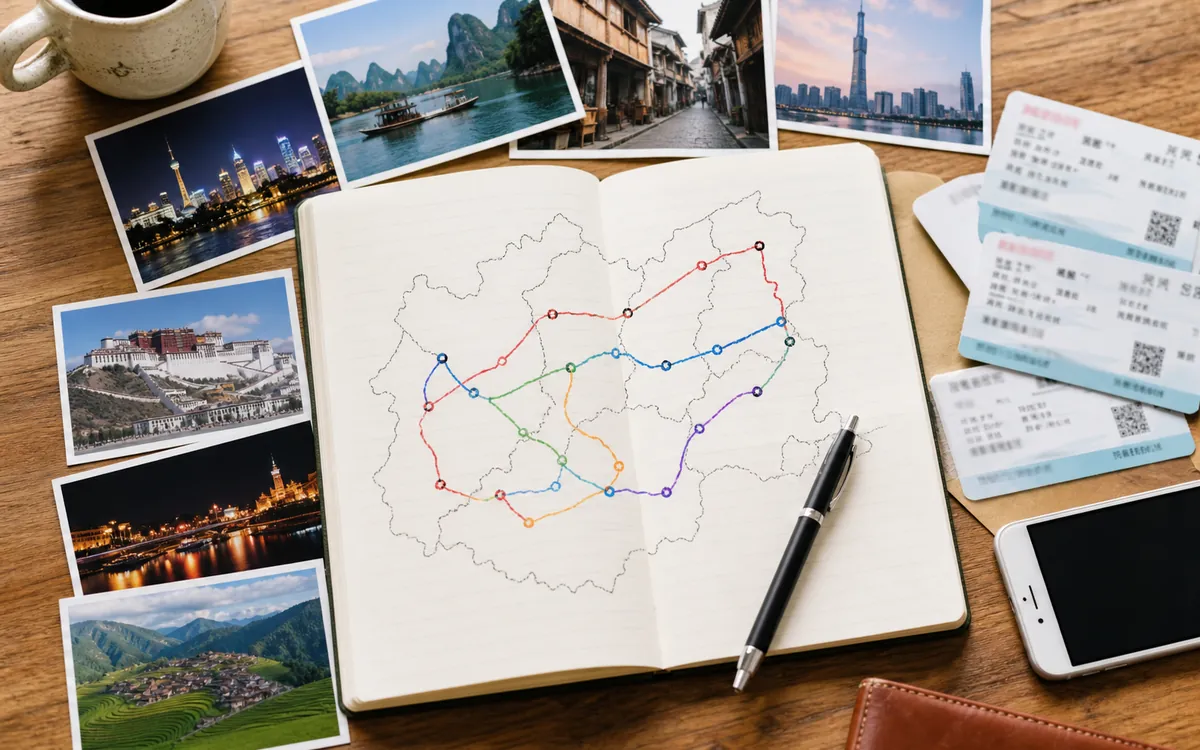
Regions of China
China travel becomes clearer when the map is grouped by real arrival points, rail corridors, hotel bases and foreigner friction. Use this selector as the practical first step.
The easiest first China loop: airports, rail density, payment testing and polished city days.
Explore East China
Pick the region first, then choose a base city. This mirrors how China actually works for visitors: airports, rail corridors, payment readiness and realistic day plans.
See all destinationsChina is easier when you group cities by realistic transport and visitor friction. These pages explain which base city to choose, how the nearby cities connect, what kind of trip the region suits, and which practical guides to read before booking.
Read the itinerary planning guide
Shanghai
Shanghai, Hangzhou, Suzhou and Nanjing form China's easiest first rail loop.
5 to 9 days
Beijing
Beijing, Tianjin and nearby rail links are the classic history-first China route.
6 to 10 days
Guangzhou
Guangzhou and Shenzhen are practical for business, food, trade fairs and border planning.
5 to 8 days
Wuhan
Wuhan and Changsha make sense for rail hubs, food, universities and inland China.
4 to 7 days
Chengdu
Chengdu, Chongqing and Kunming are better for food, slower stays and gateway routes.
7 to 12 days
Xi'an
Xi'an is the most practical first step into northwest history and longer routes.
3 to 6 days for Xi'an; longer for extended northwest routes
Xiamen
Xiamen is a gentler coastal chapter with island logistics, food and weekend pacing.
3 to 5 days
Harbin
Harbin is highly seasonal: excellent in winter, but it needs cold-weather preparation.
3 to 5 daysTrip search
Use this compact search panel after choosing a city or region. It keeps the benchmark-style booking layer visible without turning policy pages into commercial pages.
China regions are not interchangeable blocks on a map. East China rewards short high-speed rail hops; North China works well for history and capital logistics; South China often fits business and cross-border routes; West and Northwest China need larger buffers; Northeast China is strongly seasonal. The useful decision is rhythm, not fame.
Before choosing a region, check the base city, arrival airport, rail density, weather, hotel district, and how often you want to move. A region is a good fit when it supports the trip purpose without forcing daily recovery. A famous region can still be the wrong choice if every transfer is heavy.
The region hub is a filter before the city decision. Pick the region that matches your route rhythm, then use city pages to choose the actual base. If you start with a famous city without checking the region rhythm, you may build a route that is scenic but tiring.
For a short first trip, one region is usually enough. For a longer trip, combine regions only when the transport link is natural and the travel purpose changes clearly, such as business in South China followed by a slower East China rail loop.
Shanghai, Hangzhou, Suzhou and Nanjing form China's easiest first rail loop.
Open regionBeijing, Tianjin and nearby rail links are the classic history-first China route.
Open regionGuangzhou and Shenzhen are practical for business, food, trade fairs and border planning.
Open regionWuhan and Changsha make sense for rail hubs, food, universities and inland China.
Open regionChengdu, Chongqing and Kunming are better for food, slower stays and gateway routes.
Open regionXi'an is the most practical first step into northwest history and longer routes.
Open regionXiamen is a gentler coastal chapter with island logistics, food and weekend pacing.
Open regionHarbin is highly seasonal: excellent in winter, but it needs cold-weather preparation.
Open region