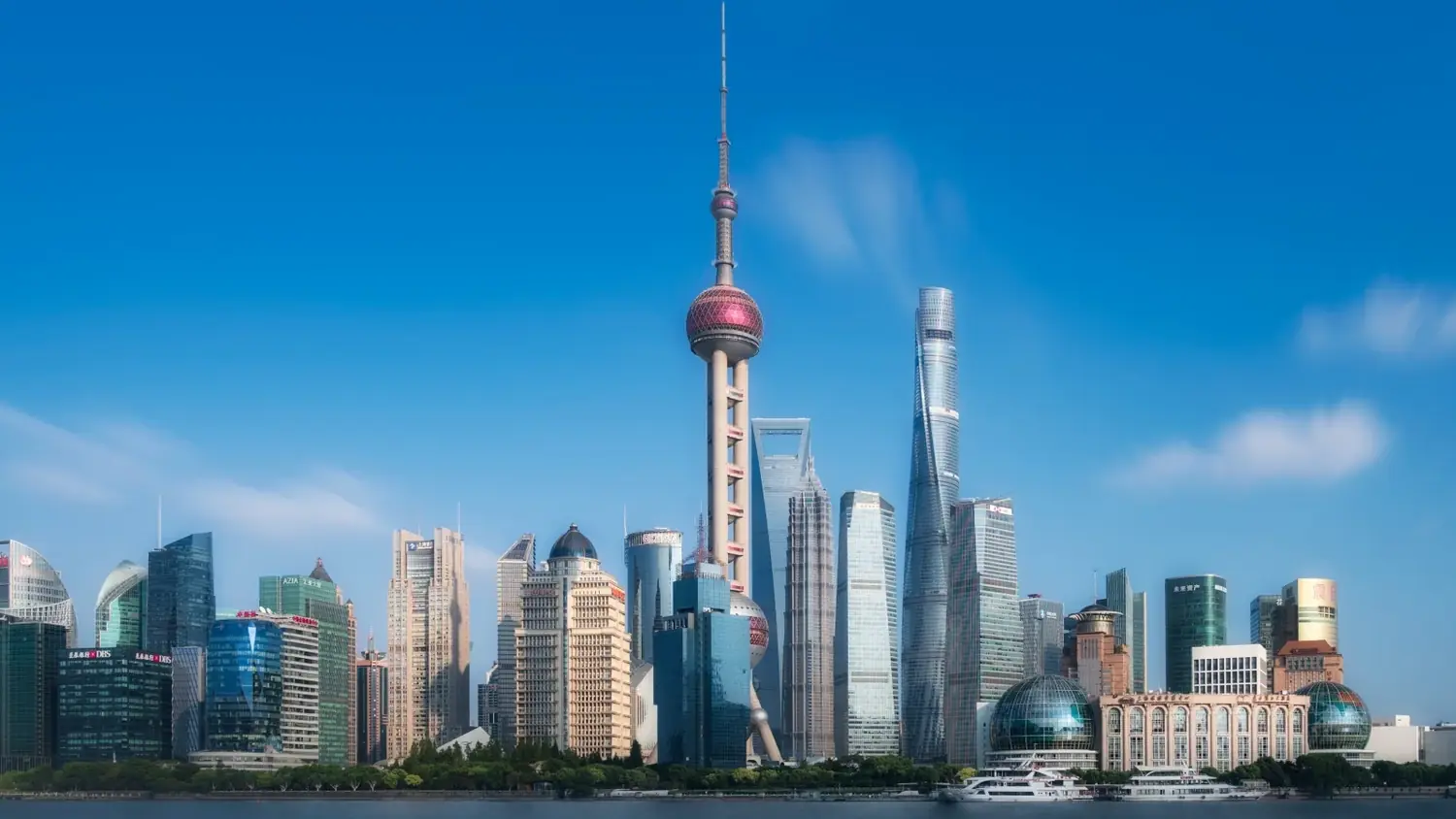
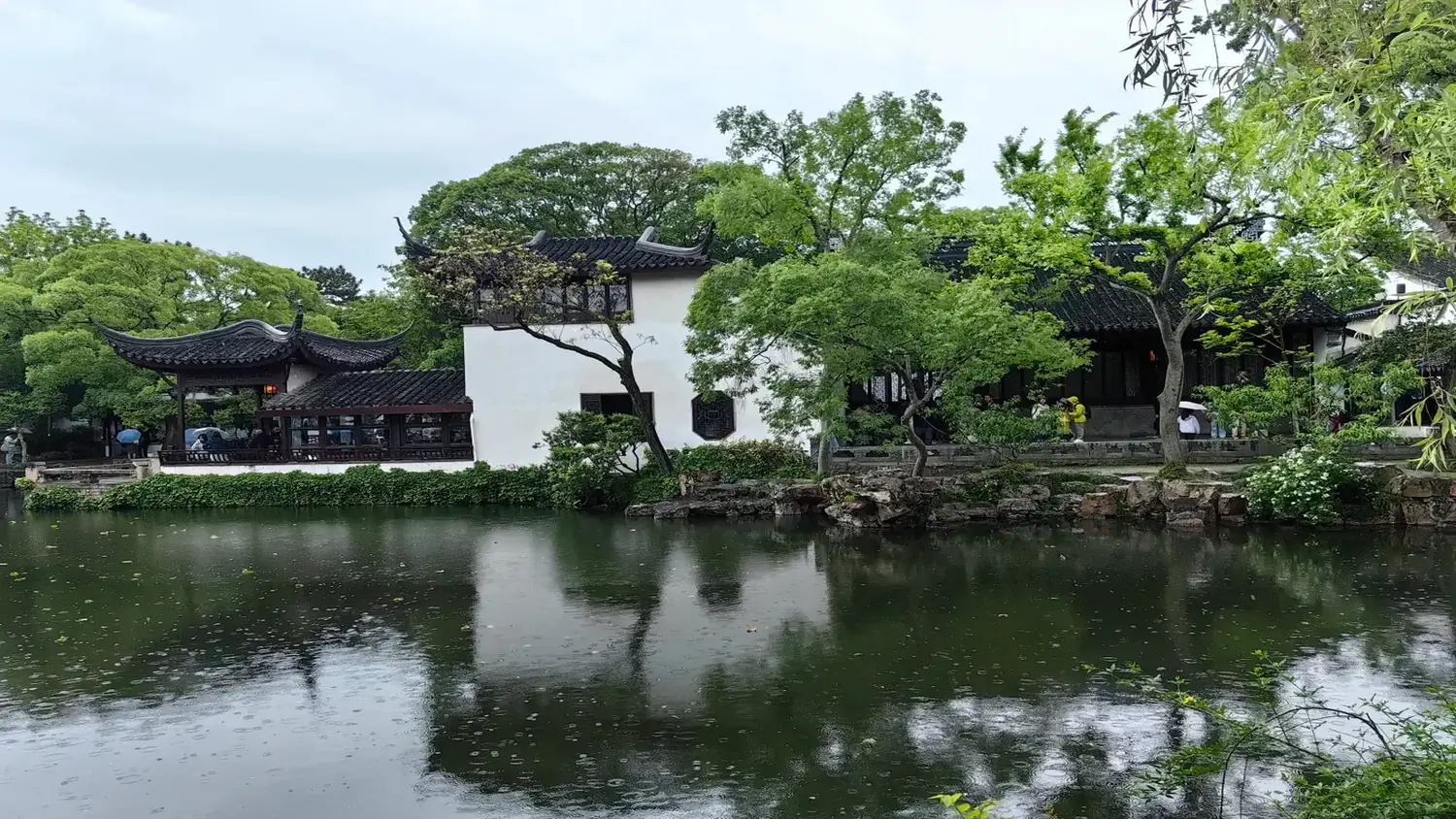
 Suzhou
 Hangzhou
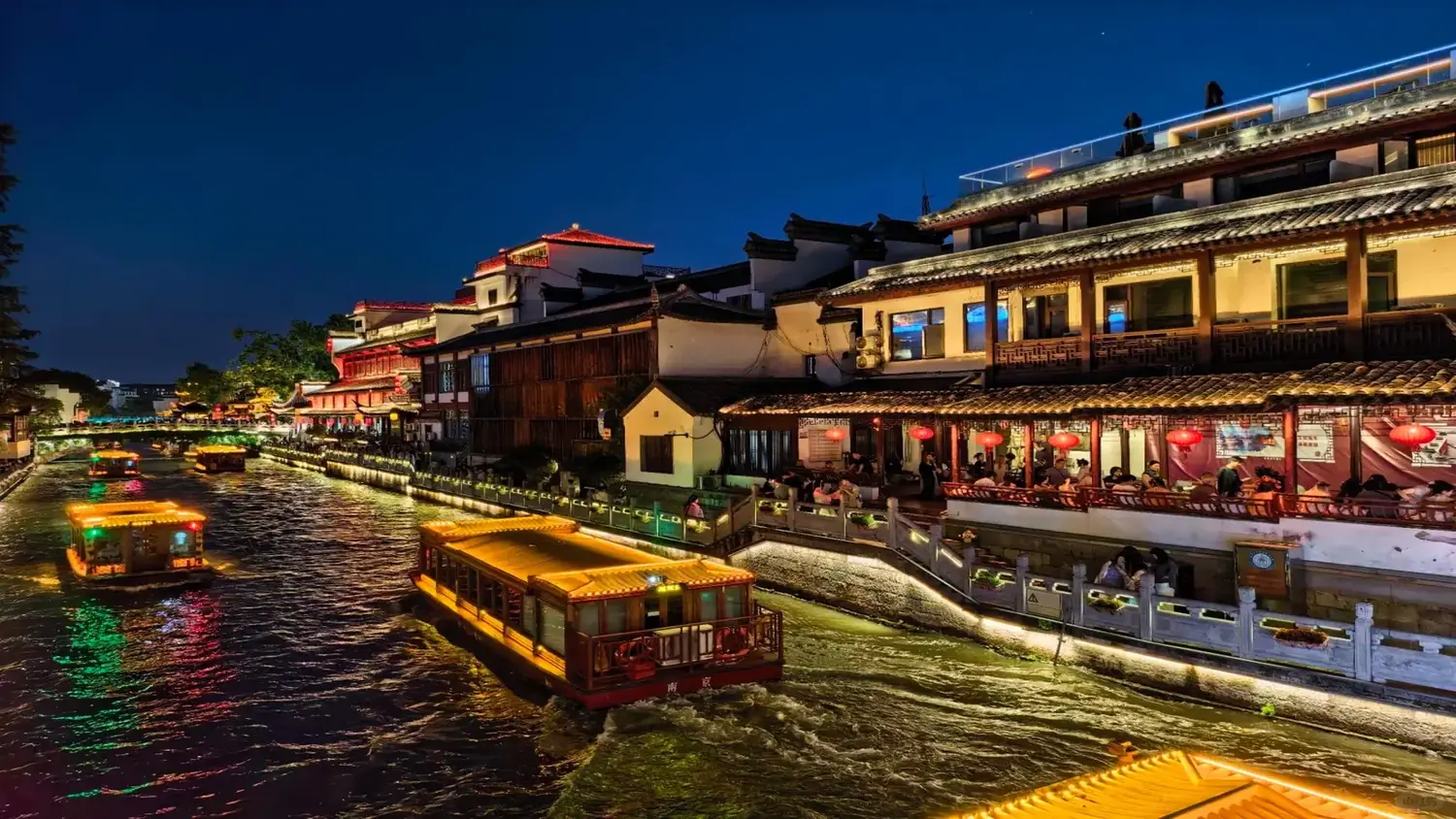 Nanjing
When East China makes sense
East China is the most forgiving first region for many foreign visitors. Airports are frequent, trains are dense, hotel choices are broad, mobile payment testing is easier, and the classic Shanghai-Suzhou-Hangzhou-Nanjing loop lets a first trip feel polished without becoming too complicated.
The useful question is not simply whether the region is famous. Ask whether it solves your trip problem: arrival, payment setup, train movement, food, weather, business meetings, scenic recovery or a strong cultural anchor. East China is strongest when you use Shanghai as the planning base and keep the first day practical.
Shanghai - Suzhou - Hangzhou - Nanjing
Use Shanghai as the entry and exit base if this is your first China trip. Add Suzhou for gardens and canals, Hangzhou for West Lake and tea areas, and Nanjing for history and museums.
East China city bases
East China booking checks
- Do not confuse Shanghai Hongqiao Railway Station with Shanghai Railway Station.
- Book hotels near a useful metro line rather than only near a famous landmark.
- Use one city as the luggage base if you are making day trips.
How to decide if East China fits your China trip
East China works best as a rail-connected city cluster: Shanghai, Suzhou, Hangzhou, Nanjing and nearby water towns. Plan it by station access and hotel districts, not by trying to collect every famous stop.
first China trips, business plus culture, polished rail loops and travelers who want the lowest logistics friction.
Shanghai: Choose a hotel near a useful metro line, not only near a famous view. A stable Shanghai base can make Suzhou or Hangzhou easier as day or overnight trips.
Use Shanghai as the main air and rail base, then add short high-speed rail hops. Keep Hongqiao and Shanghai Railway Station separate in the plan.
Watch this first
Overpacking too many water towns, confusing rail stations, moving luggage every night and treating Hangzhou or Nanjing as tiny side notes.
Best next move
Start with Shanghai, test payments and maps, then add one short rail city before building a longer East China loop.
East China field judgment
East China is the easiest region for a first rail-based China route because city pairs are frequent and hotels are plentiful. The risk is overconfidence: Shanghai, Suzhou, Hangzhou, and Nanjing look close enough to stack quickly, but water towns, station transfers, and luggage moves can make the loop feel repetitive.
Use Shanghai as the systems base, then add one or two nearby cities with clear reasons. If the goal is food and canals, choose Suzhou or Hangzhou carefully rather than doing both as rushed checkmarks. If the goal is history, Nanjing deserves enough time to stand apart from Shanghai.
East China timing check
East China is forgiving, but it can become repetitive when every day is another short rail hop plus another hotel check-in. Decide whether the trip is about Shanghai depth, canal towns, Hangzhou scenery, Nanjing history, or business convenience, then let that choice shape the number of moves.
Use short rail distances to reduce stress, not to justify overpacking. A strong East China route usually has one base and one or two clear extensions.