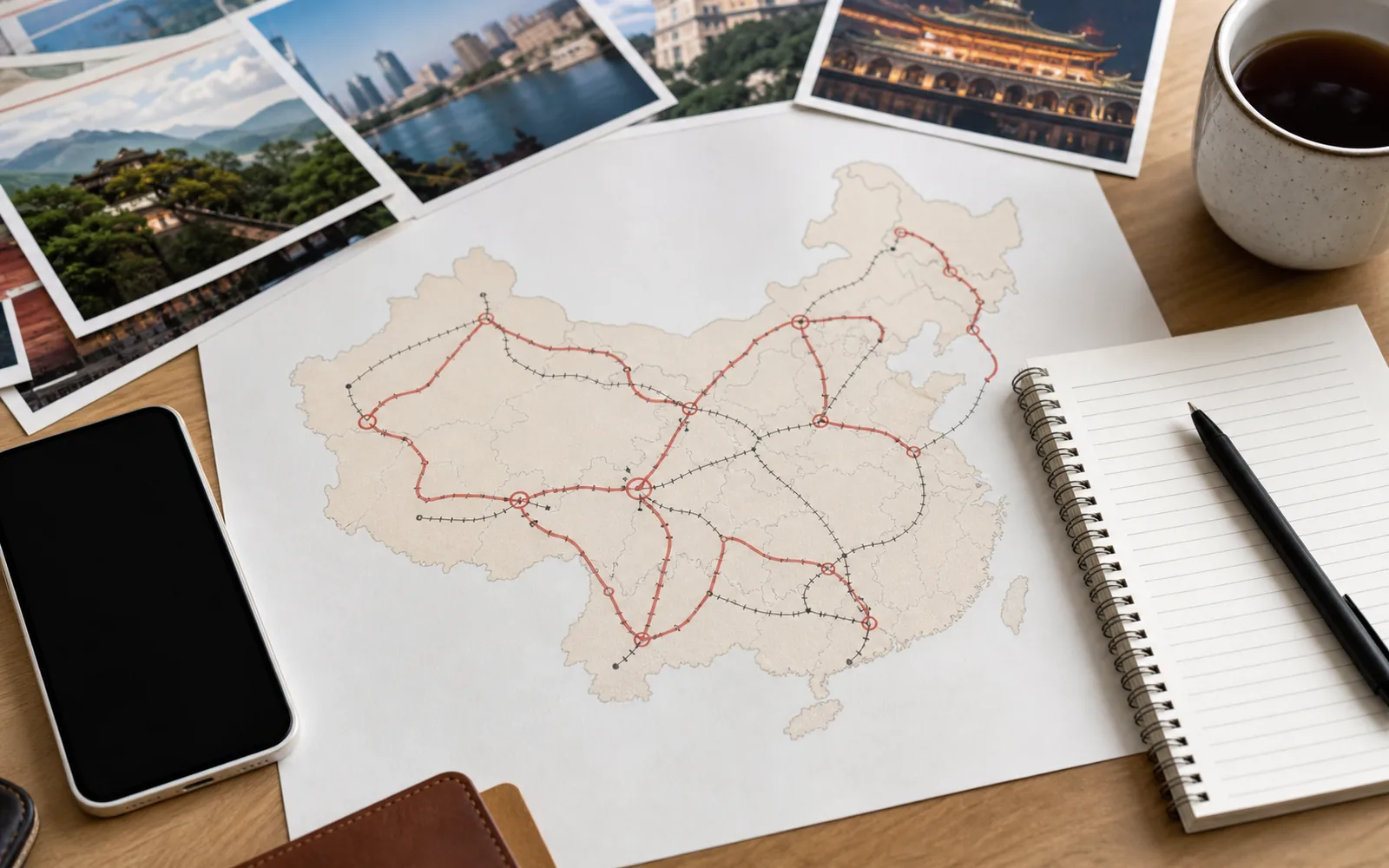
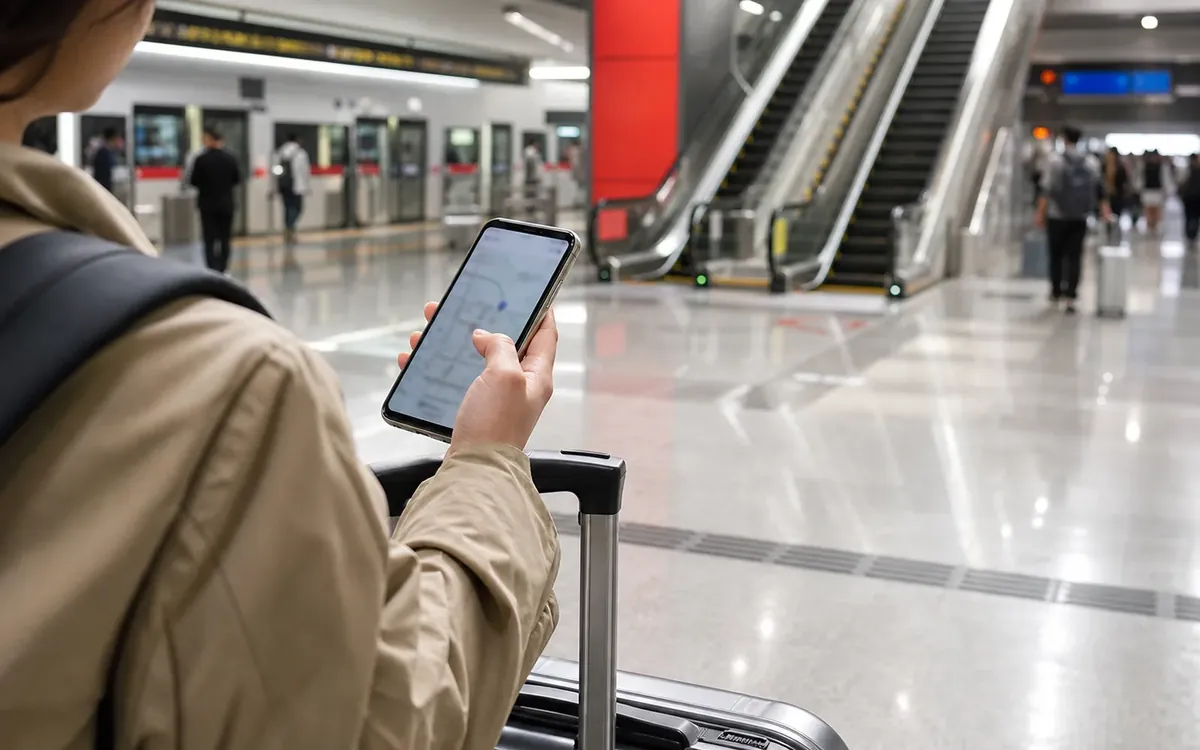


Pick fewer cities, use high-speed rail where it saves real time, stay near useful transport, avoid same-day long transfers after international flights, and design the first day as a stabilization day.
Practical choice under pressure
Use the checkpoints below to turn this page into a working China plan.
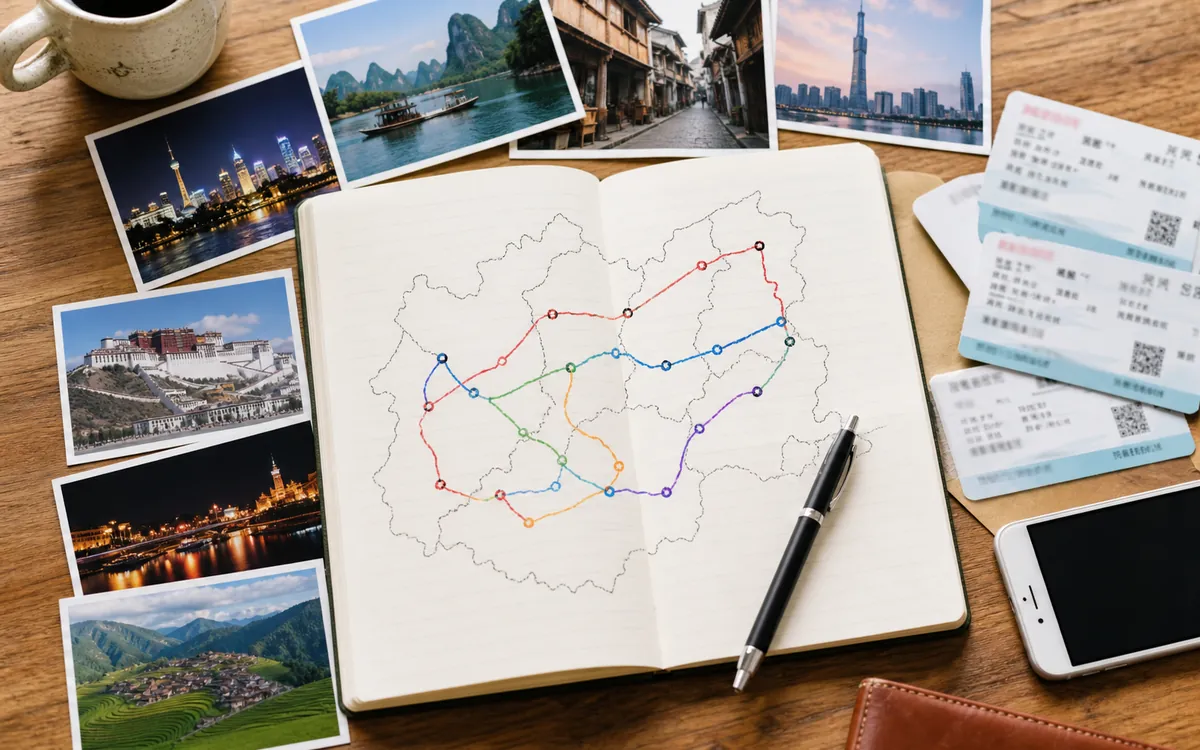
Safer plan
- Confirm the practical step before depending on it.
- Keep a backup path for phone, payment and address.
- Save the key Chinese names and screenshots.
Risky plan
- Assume everything works like at home.
- Wait until the counter to solve setup issues.
- Travel without offline notes.

 One thing to confirm
Confirm the item that would stop the day if it failed.
One thing to confirm
Confirm the item that would stop the day if it failed.
For this topic, that usually means checking the exact rule, app status, address, document or receipt before the busy part starts.
 One thing to save
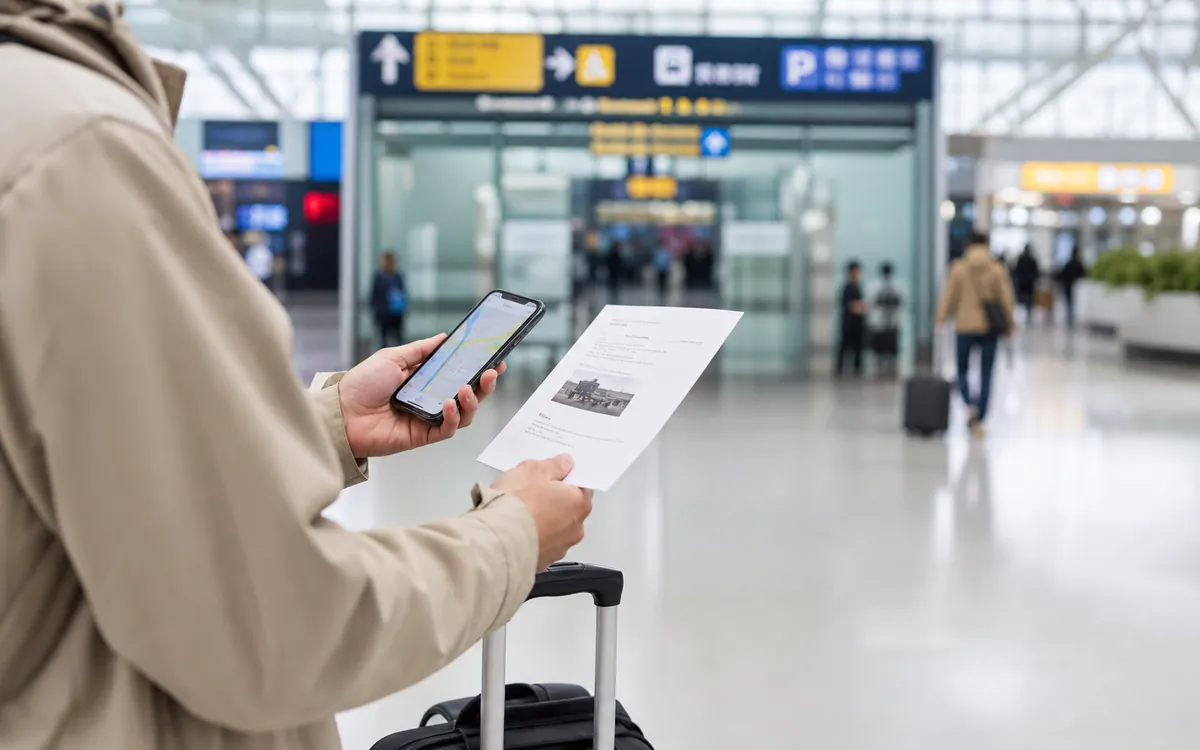
Keep evidence that can be shown without mobile data.
One thing to save
Keep evidence that can be shown without mobile data.
Screenshots, Chinese names, booking records and offline notes make the first real-world decision this page is meant to support easier to explain.
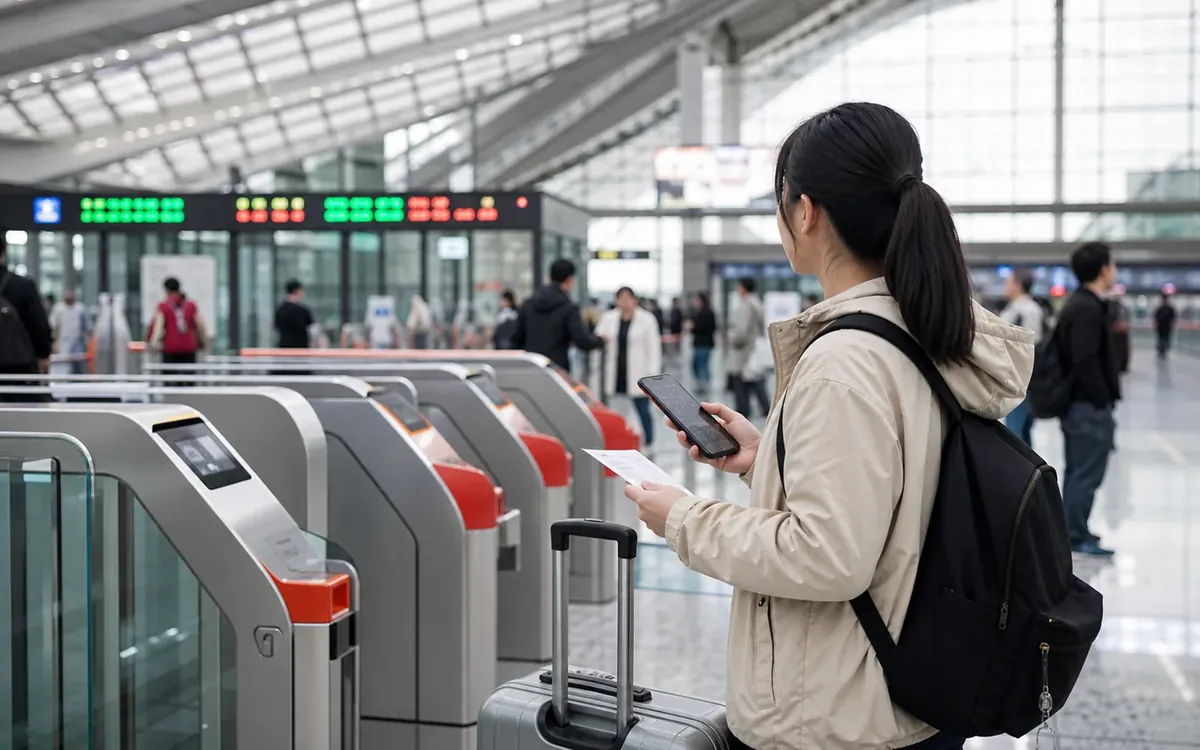
Rail and city transfers
High-speed rail, station names, security checks and realistic transfer buffers.
 Payments
Next step, proof and fallback
Payments
Next step, proof and fallback
 Entry
Entry rules before booking
Entry
Entry rules before booking
 Apps
Phone, maps and translation
Apps
Phone, maps and translation
Fewer cities is better
Fewer cities is better is a practical control point for this topic. Treat it as something to check early, not something to solve under pressure.
Buffers protect the trip
Buffers protect the trip is a practical control point for this topic. Treat it as something to check early, not something to solve under pressure.
Hotel location shapes each day
Hotel location shapes each day is a practical control point for this topic. Treat it as something to check early, not something to solve under pressure.
How many cities
For a first 7-10 day trip, two or three cities is usually better than five. China is large, stations are huge, and each city has its own transport rhythm. A packed route turns every day into luggage management.
Arrival day
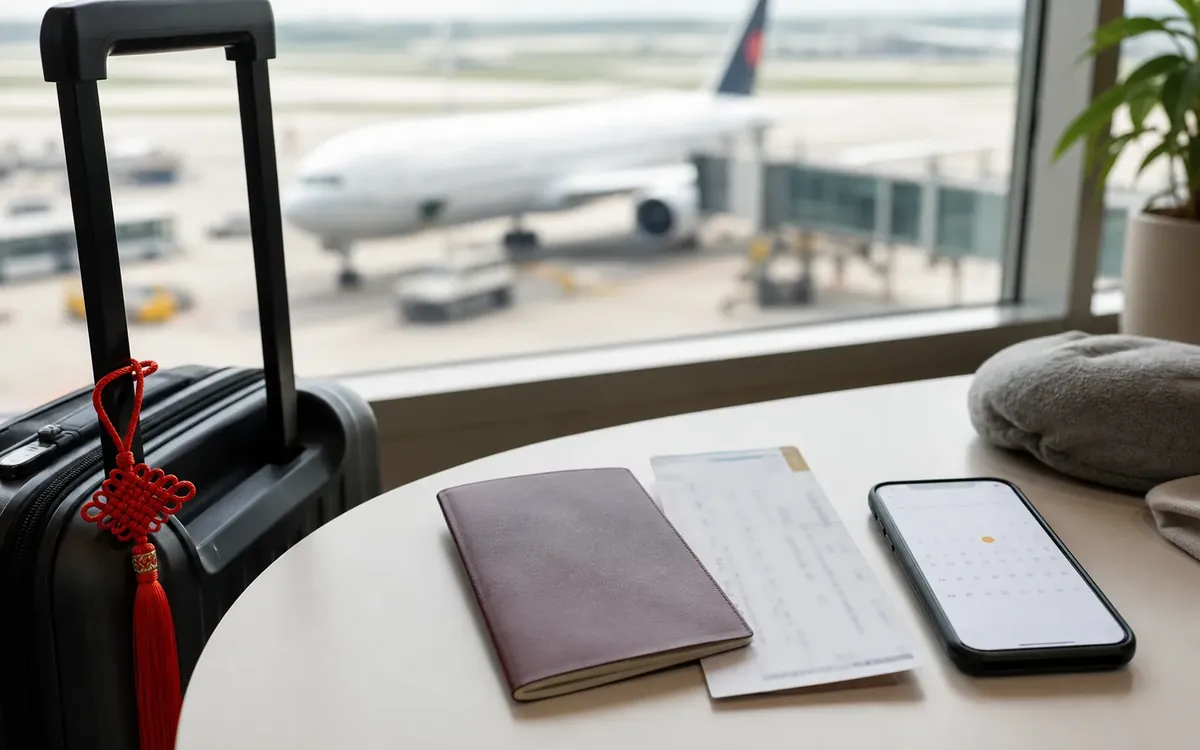
Do not plan a major attraction on arrival day unless your flight lands early and you are experienced in China. The first day is for phone data, hotel check-in, payment testing, food, and a short walk.
Transport choices
High-speed rail is excellent between many major cities, but station transfer time matters. Domestic flights can be useful for long distances, but airports add security, delays, and airport-to-city time. Compare door-to-door time, not only the vehicle time.
Hotel location
A hotel near a useful metro line, food, and your main activity area saves daily stress. Cheaper hotels far away can cost more in taxi time, fatigue, and missed plans.
Weather and crowds
Season, holidays, school vacations, and local events can change the feel of a trip. Build backup indoor options for rain, heat, cold, pollution, or crowd pressure.
How to Plan a First China Itinerary checklist
- Limit city count
- Make arrival day easy
- Compare door-to-door travel time
- Choose practical hotel areas
- Leave backup blocks
Mistakes to avoid with How to Plan a First China Itinerary
- Adding cities because rail is fast
- Booking tight same-day transfers
- Ignoring holiday crowds
- Choosing hotels only by price
- Planning outdoor-heavy days with no weather backup
When How to Plan a First China Itinerary needs local help
Ask staff, your host, school, employer, insurer or a trusted local contact before the situation becomes urgent. Show the address, receipt, route or translated sentence first.