
 Chongqing
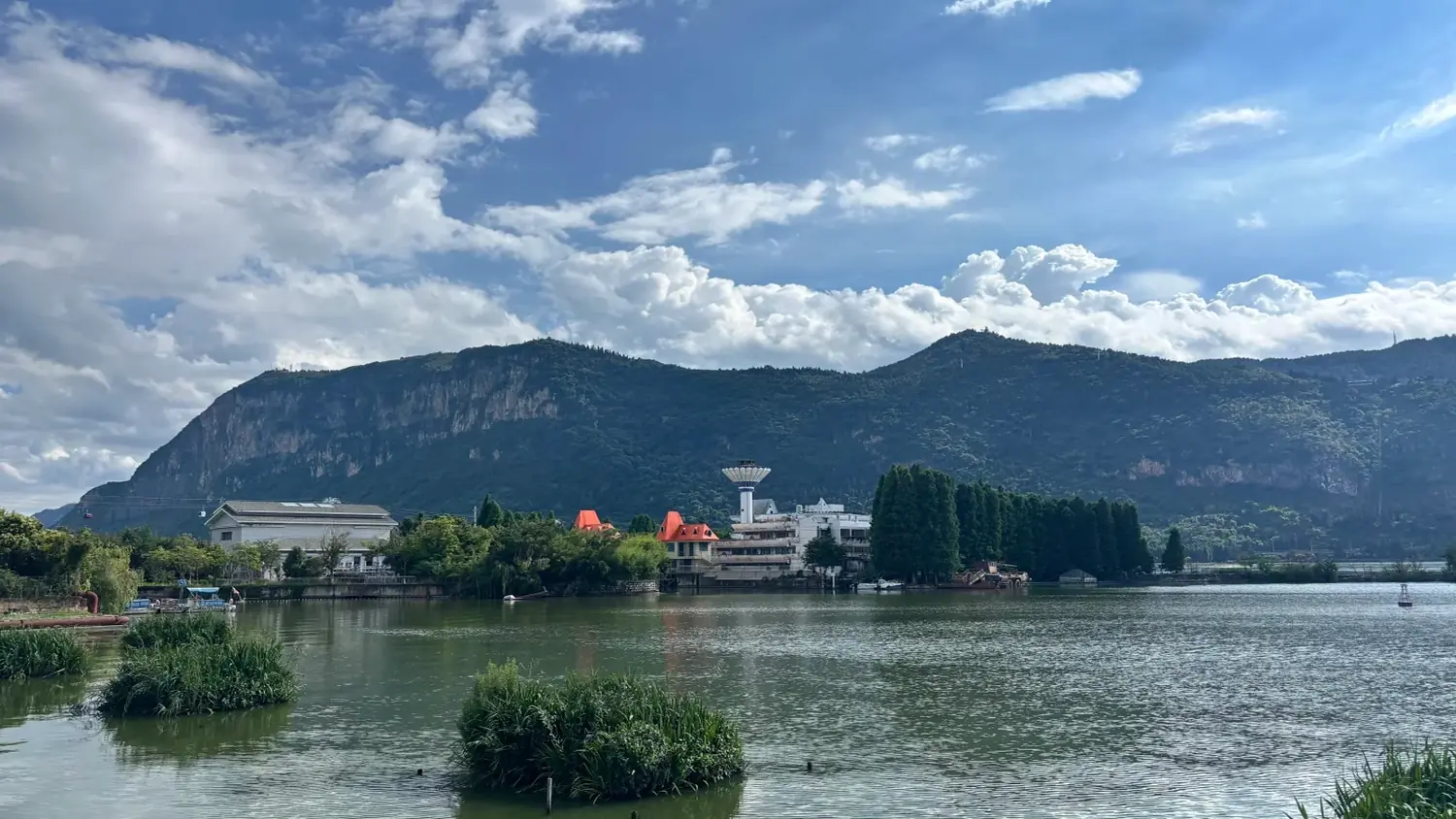 Kunming
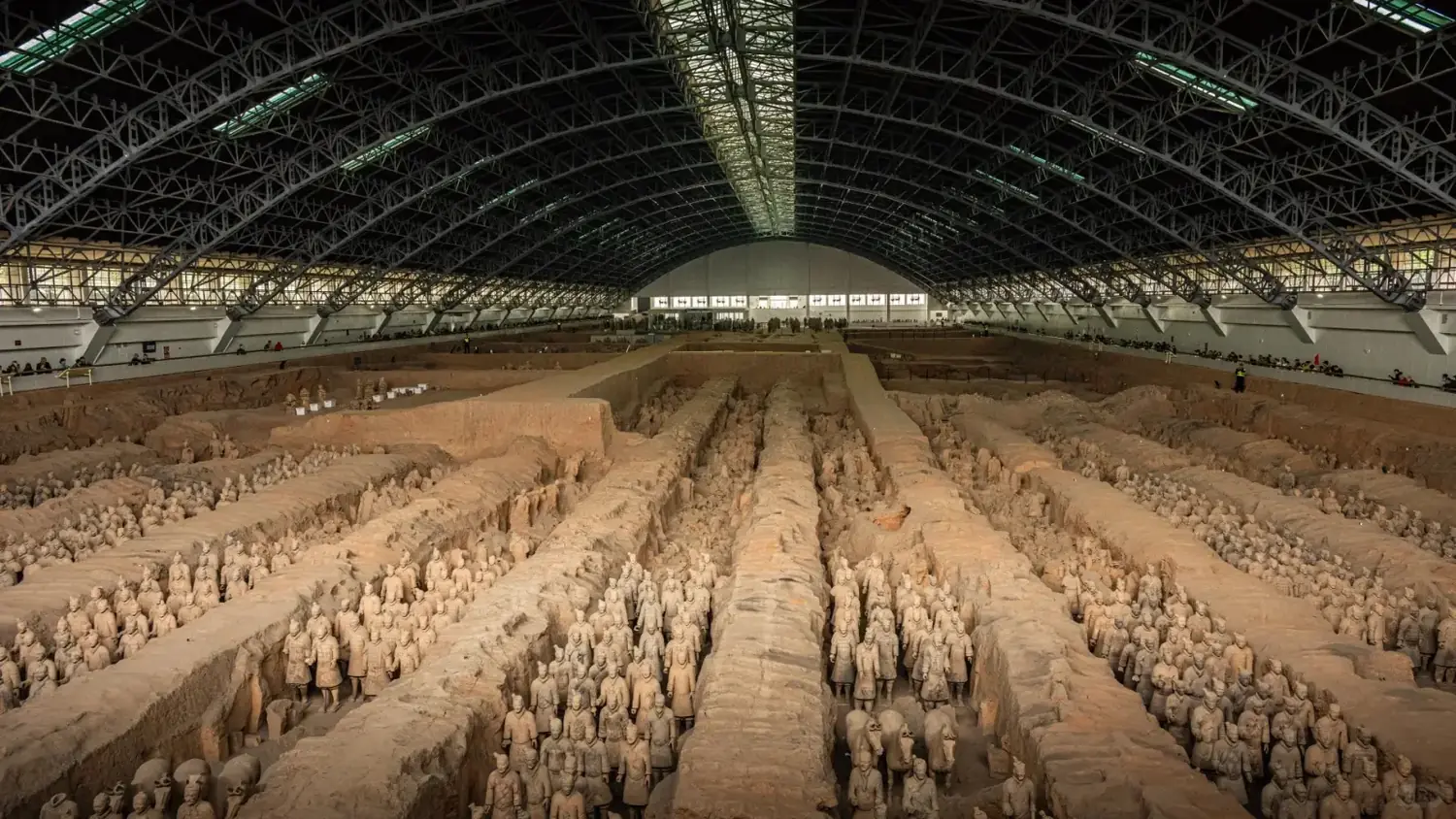 Xi'an
Xi'anWhen West China makes sense
West China is rewarding when the visitor stops trying to rush. Chengdu is an easygoing base for food, teahouses and panda planning. Chongqing is dramatic but physically demanding because of terrain and station complexity. Kunming is a gentler gateway toward Yunnan routes. This region is best when the itinerary gives space for weather, transfers and recovery.
The useful question is not simply whether the region is famous. Ask whether it solves your trip problem: arrival, payment setup, train movement, food, weather, business meetings, scenic recovery or a strong cultural anchor. West China is strongest when you use Chengdu as the planning base and keep the first day practical.
Chengdu - Chongqing - Kunming
Start with Chengdu if comfort matters, add Chongqing for intensity, and use Kunming when Yunnan or milder weather is part of the plan.
West China city bases
West China booking checks
- Do not underestimate terrain in Chongqing when choosing hotels.
- Use one recovery day after a long rail or flight transfer.
- Food and spice planning matters for travelers with dietary limits.
How to decide if West China fits your China trip
West China rewards slower pacing. Chengdu, Chongqing, Yunnan, Guizhou and mountain gateways need altitude, weather, transfer and recovery buffers rather than a fast east-coast city rhythm.
food, slower stays, mountain gateways, river cities, western route starts and travelers comfortable with a less polished rhythm.
Chengdu, Chongqing or Kunming: Stay central for the first nights. Western routes are more comfortable when food, metro, laundry and recovery time are easy before longer moves.
Use Chengdu or Chongqing as the route base, then add Kunming or mountain/scenic moves only when the transfer day has enough margin.
Watch this first
Adding mountain trips too casually, ignoring altitude or weather, treating Chongqing slopes like a flat city and booking tight flight-rail transfers.
Best next move
Start with Chengdu for a softer landing or Chongqing for a denser city chapter, then add one western extension at a time.
West China field judgment
West China has some of the most memorable routes, but it asks for larger margins. Chengdu, Chongqing, Yunnan, Gansu, and highland-edge routes can involve terrain, altitude, long transfers, weather changes, and more uneven English support than the coastal first-trip corridor.
Use one comfortable base before adding ambitious scenery. Check health, clothing, transport buffers, and return routes. A western route should feel slower on paper than an east-coast route, because the reward comes from depth rather than covering many cities.
West China timing check
West China trips should reserve energy for distance and terrain. Even when flights shorten the map, airport transfers, altitude, weather, and unfamiliar city layouts can make the day feel long. Do not compare it to an East China rail loop minute for minute.
A good western route has fewer bases, more recovery time, and clearer reasons for each extension. If a scenic leg is the main purpose, protect it with weather and health buffers rather than surrounding it with rushed city moves.
Final West China route check
For West China, make the first base easy and the extension meaningful. If every leg needs a flight, long car transfer, or weather gamble, the route may need fewer stops.
Protect scenic or highland days with rest, water, clothing, health awareness, and backup transport. The region rewards depth over speed.