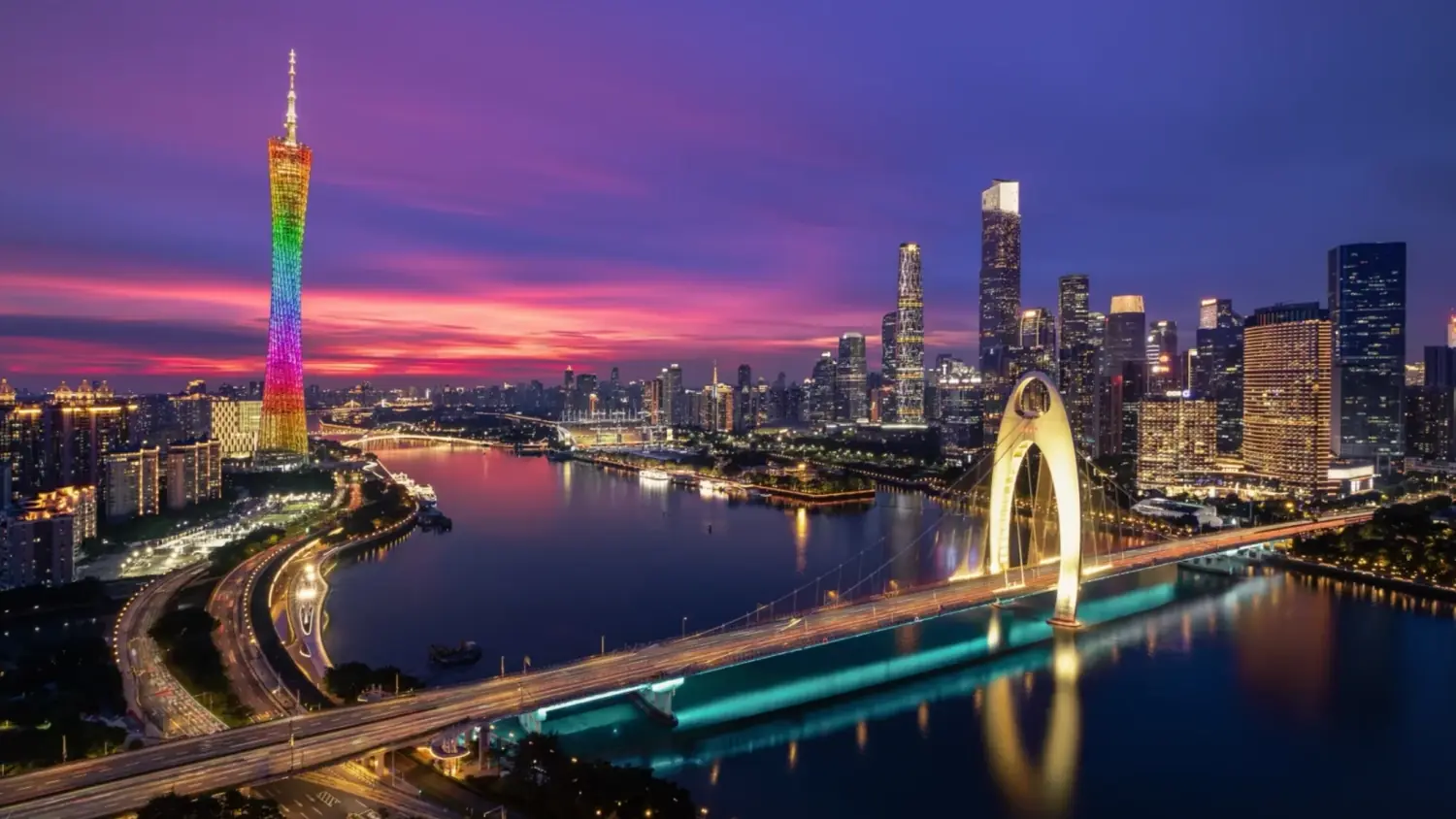
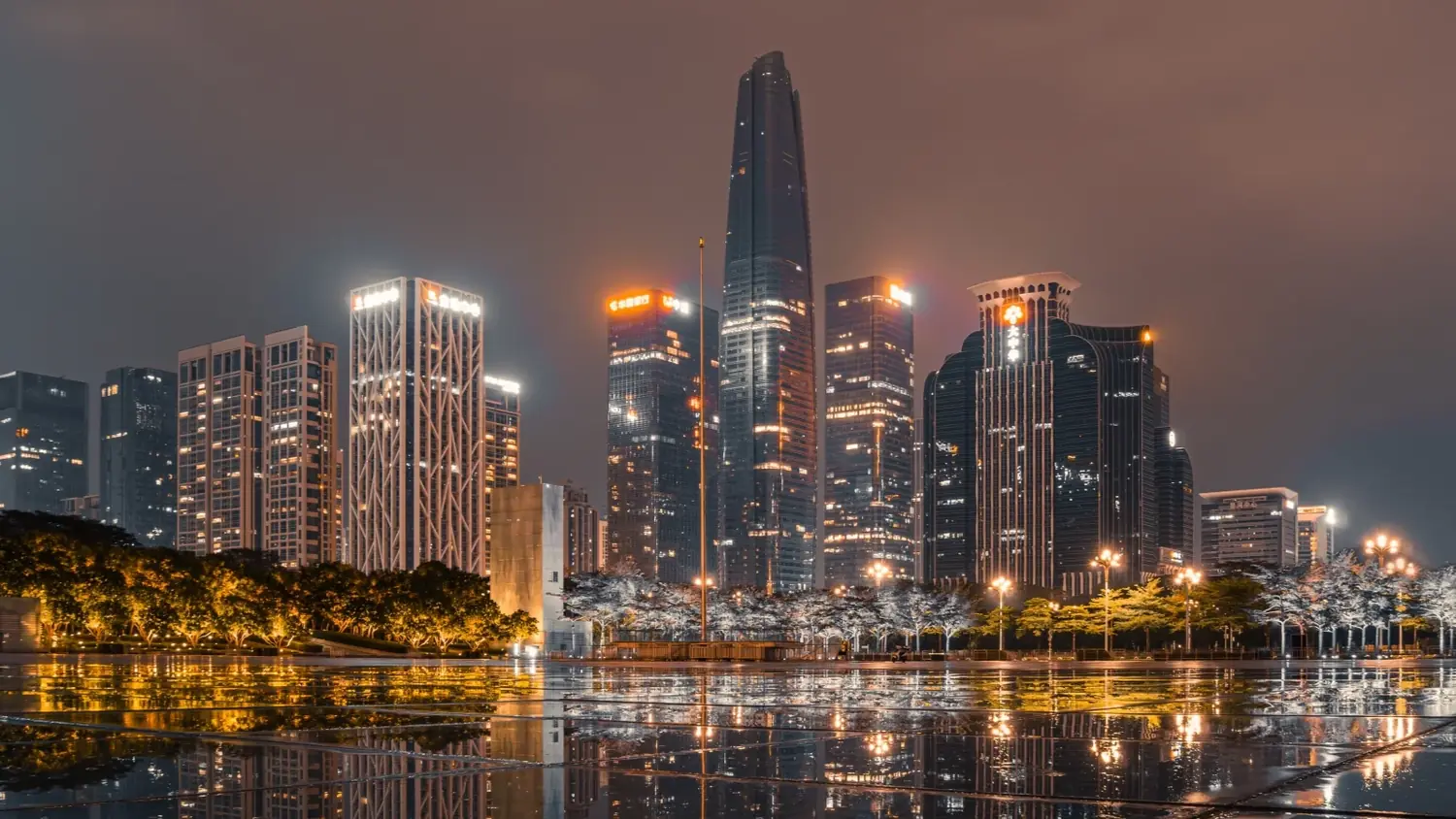
 Shenzhen
 Guilin
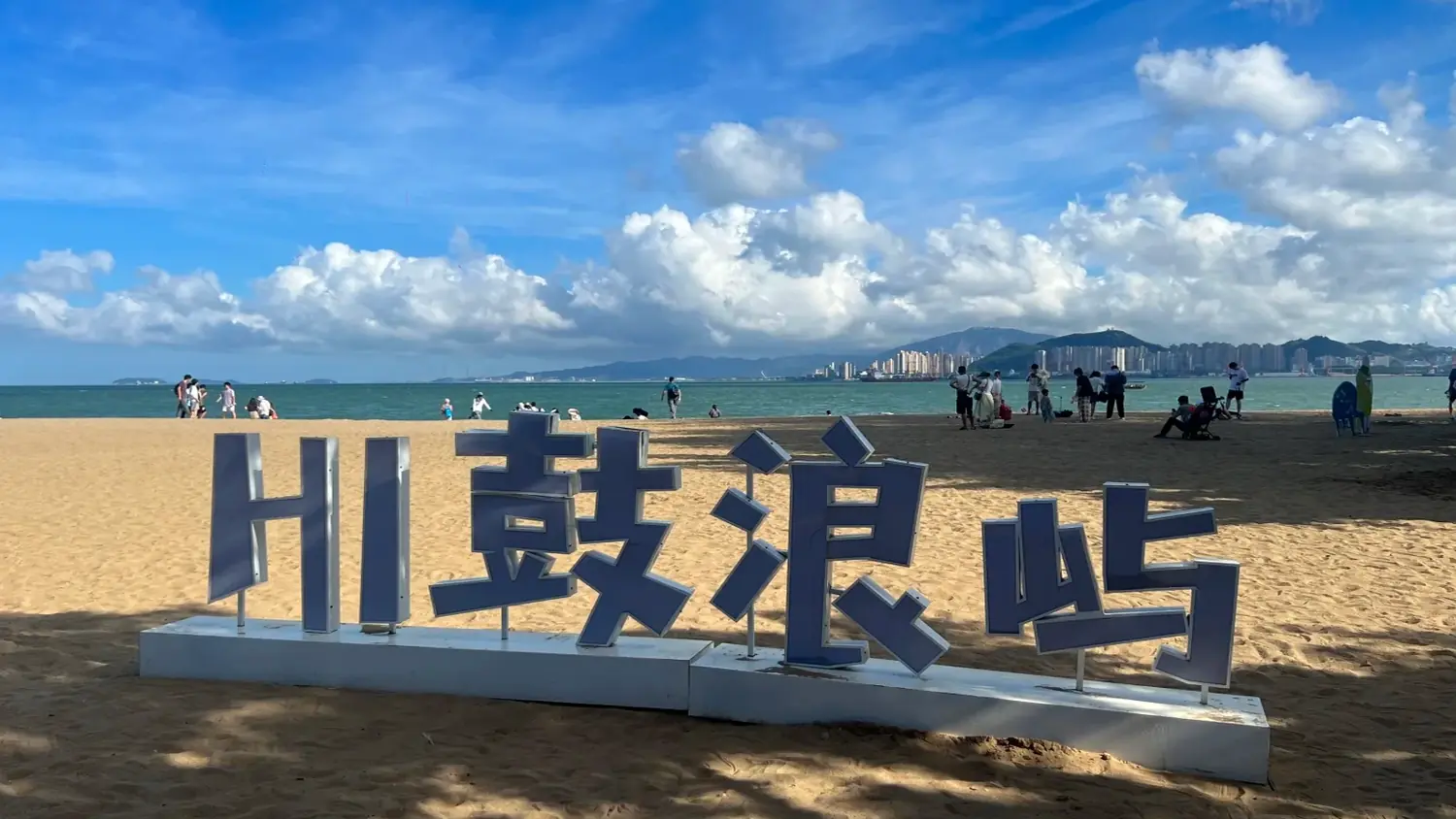 Xiamen
When South China makes sense
South China feels fast, commercial and food-driven. Guangzhou is strong for Cantonese food, trade fairs and older urban texture. Shenzhen is better for technology districts, Hong Kong border logistics and modern metro movement. This region rewards practical planning: fairs, border timing, payment backups and hotel location matter more than sightseeing checklists.
The useful question is not simply whether the region is famous. Ask whether it solves your trip problem: arrival, payment setup, train movement, food, weather, business meetings, scenic recovery or a strong cultural anchor. South China is strongest when you use Guangzhou as the planning base and keep the first day practical.
Guangzhou - Shenzhen - Xiamen or Guangzhou - Guilin
Choose Guangzhou as the food and business base, Shenzhen for border and tech logistics, then add Xiamen for the coast or Guilin for scenery.
South China city bases
South China booking checks
- During trade fairs, hotel prices and transport pressure can jump sharply.
- Border crossings require their own document and payment planning.
- Late-night arrivals are easier when the hotel Chinese address is saved offline.
How to decide if South China fits your China trip
South China is a border, trade, food and warm-weather region where Guangzhou, Shenzhen, Hong Kong, Macau and coastal routes can blur together. Plan the paperwork, payment, SIM and luggage logic before crossing jurisdictions.
trade fairs, factory visits, Cantonese food, ports, cross-border planning and practical South China business travel.
Guangzhou or Shenzhen: Use Tianhe for Guangzhou business, Futian for Shenzhen logistics, and avoid sleeping far from the day's meeting or border move.
Decide first whether the trip is built around Guangzhou, Shenzhen or a Hong Kong border crossing. Station and border choices change the whole route.
Watch this first
Assuming every Pearl River Delta transfer is quick, ignoring trade-fair traffic, mixing border crossings with tight meetings and vague supplier addresses.
Best next move
Choose Guangzhou for food/trade depth or Shenzhen for Hong Kong-tech-border logistics, then build one conservative transfer day.
South China field judgment
South China is strong for business, food, manufacturing, warmer weather, and cross-border movement. Guangzhou and Shenzhen can feel easy because transport is dense, but the region still needs careful planning around trade fairs, factory districts, border timing, and hotel location.
If the route includes Hong Kong or Macau, treat the border day as a full travel day. If the route includes suppliers or meetings, keep receipts, Chinese addresses, and pickup points ready. South China rewards practical scheduling more than sightseeing density.
South China timing check
South China can be fast, dense, and efficient, but that does not mean every day should be packed. Trade fair periods, factory districts, border crossings, heat, and cross-city traffic can turn a simple schedule into a heavy one. Keep business days and transfer days separate where possible.
If the plan includes Guangzhou, Shenzhen, Hong Kong, or Macau, write the payment, document, and data setup for each side. The region works best when border and business logistics are explicit.
Final South China route check
In South China, identify whether the day is for business, border crossing, food, or city exploration. Mixing all four creates needless pressure. The region is efficient, but efficiency works best with clear purpose.
Keep extra time around Canton Fair, supplier visits, border queues, and late dinners. A practical buffer often matters more than one more stop.