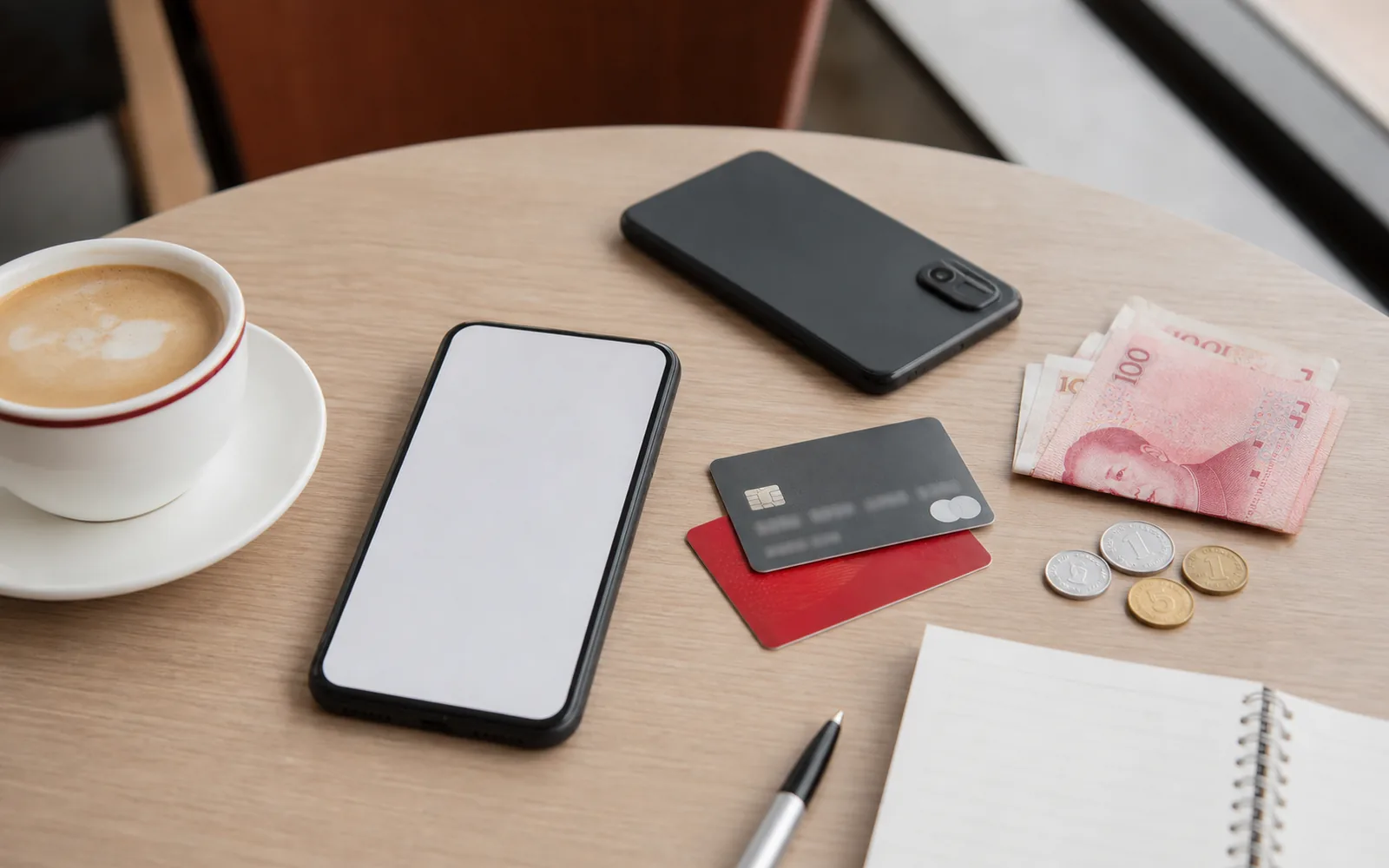

The best payment setup for most foreign visitors is Alipay or WeChat Pay linked to an international card, a second card or eligible PayPal QR route, a small RMB cash reserve, and an ATM plan near your airport or hotel. Test a low-value payment after arrival before relying on any method for taxis, restaurants, or trains.
Payment choice under pressure
Use this comparison before the first paid moment, then keep the backup active after the first successful scan.
Safer setup
- Prepare one primary QR wallet.
- Keep a card, ATM or cash fallback.
- Test a small purchase before relying on it.
Risky setup
- Arrive with only one card.
- Assume every shop accepts foreign cards.
- Wait until a busy counter to test payments.
 One thing to confirm
Confirm the item that would stop the day if it failed.
One thing to confirm
Confirm the item that would stop the day if it failed.
For this topic, that usually means checking the exact rule, app status, address, document or receipt before the busy part starts.
 One thing to save
Keep evidence that can be shown without mobile data.
One thing to save
Keep evidence that can be shown without mobile data.
Screenshots, Chinese names, booking records and offline notes make money, receipts and payment backups easier to explain.
Wallet, card and cash fallback
Check wallet setup, card backup, ATM access, cash reserve and the receipt or screenshot you may need later.
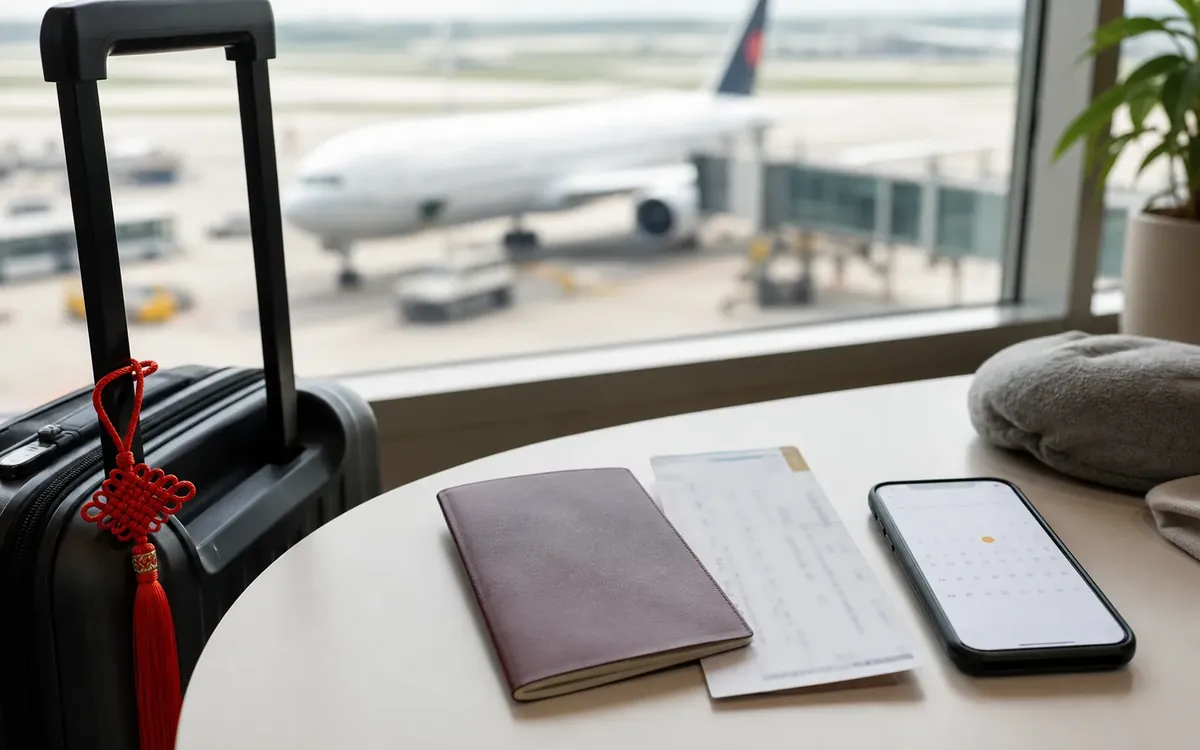 Entry
Entry rules before booking
Entry
Entry rules before booking
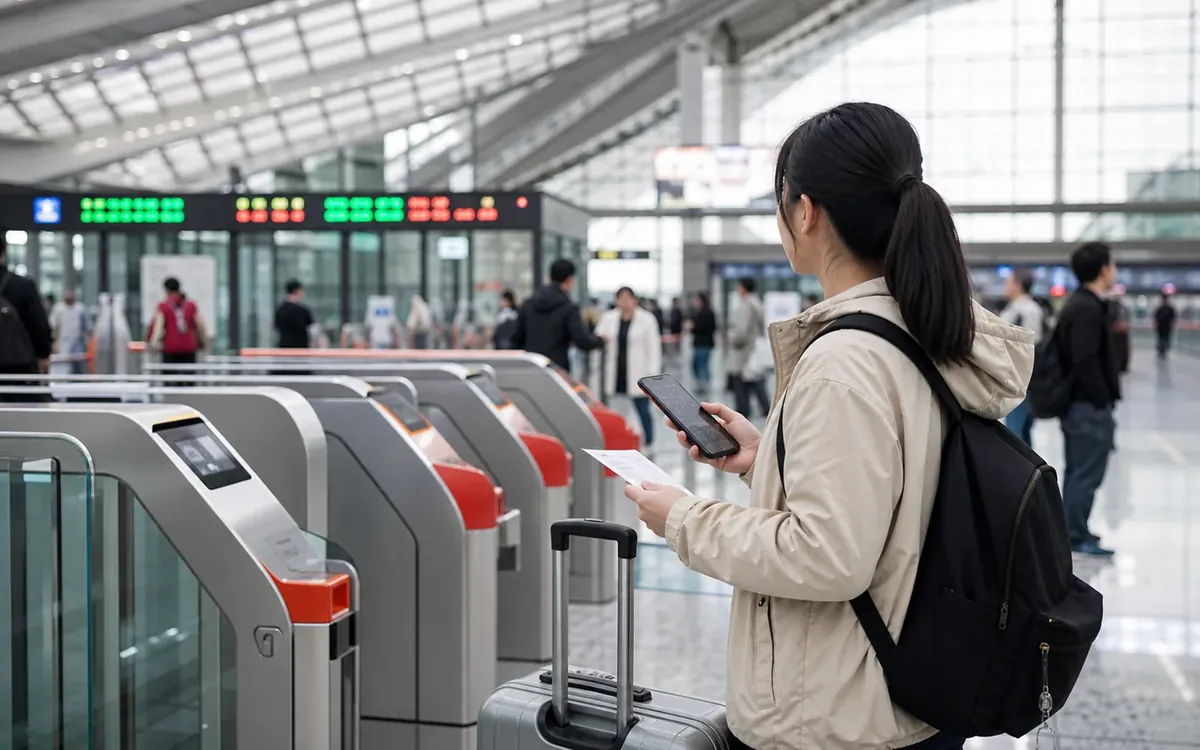 Transport
Rail and city transfers
Transport
Rail and city transfers
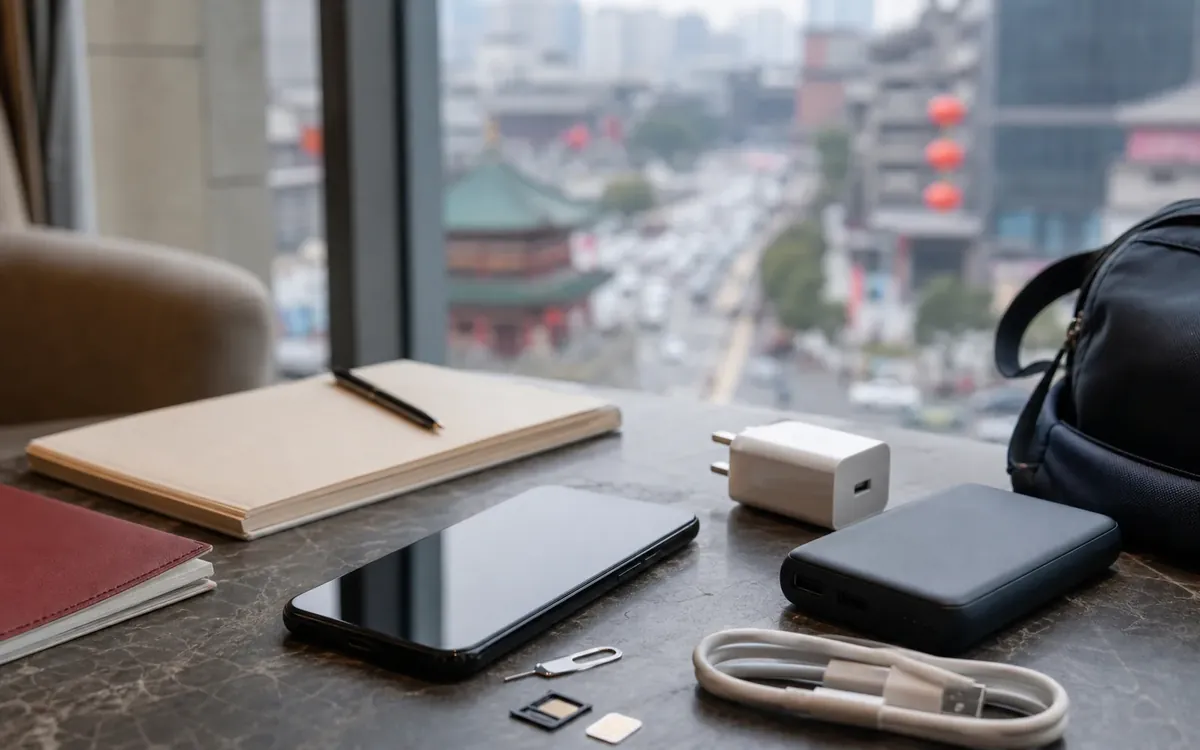 Apps
Phone, maps and translation
Apps
Phone, maps and translation
The four-layer payment stack
Layer 1: main QR app
Prepare Alipay or WeChat Pay before departure. This is the most useful layer for everyday QR payments.
Layer 2: second route
Keep another card, another app, or PayPal QR where eligible. One successful app is not enough for every merchant.
Layer 3: RMB cash
Carry enough for urgent small purchases, taxi fallback, water, snacks, or app failure.
Layer 4: ATM or hotel help
Know where to withdraw cash and when to ask your hotel for local payment advice.
Setup by traveler type
| Traveler | Main setup | Extra caution |
|---|---|---|
| Short tourist | Alipay or WeChat Pay, one card, small cash, arrival test. | Do not first test payment in a taxi. |
| Business visitor | Mobile pay, corporate card, invoice plan, hotel card backup. | Confirm who pays for taxis, meals, samples, and deposits. |
| Student | Mobile pay, bank card, campus advice, cash reserve. | Campus systems may require local processes later. |
| Long-stay resident | Mobile pay, bank setup, local phone number, renewal calendar. | Payment setup becomes part of paperwork and banking. |
| Family traveler | Two adults with separate payment routes and cash split. | A single phone should not carry the whole family's payment plan. |
Before departure checklist
- Install Alipay and WeChat before you fly.
- Bind at least one international card where the app allows it.
- Prepare a second card from a different bank or network if possible.
- Check whether PayPal QR through Weixin Pay is available to your account if you use PayPal.
- Make sure you can receive bank security codes while traveling.
- Tell your bank about travel if your bank still uses travel notices.
- Save your card issuer contact and hotel phone number offline.
- Plan where to get RMB cash after landing.
The first payment test
Your first test should be small, boring, and close to your hotel. A convenience store is ideal because the amount is low, staff are used to QR payment, and you can switch methods without delaying a taxi or meal.
- Test on mobile data, not only hotel Wi-Fi.
- Try your main app.
- Try showing your payment code if the merchant can scan it.
- Try scanning the merchant QR code if that is the local flow.
- Confirm the transaction is successful in the app and with the cashier.
Mistakes to avoid with Best payment setup for foreigners in China
- Assuming a foreign credit card works everywhere.
- Arriving without mobile data and expecting payment apps to work on airport Wi-Fi.
- Using only one phone for all payment methods.
- Testing payment for the first time after a taxi ride.
- Forgetting that bank fraud systems may block overseas transactions.
- Keeping all cards and cash in one wallet.
- Ignoring small RMB cash because China is mobile-payment-first.
If something fails
Do not treat a failed payment as a disaster. It is often a narrow problem: QR direction, weak signal, card risk control, identity limit, merchant category, or app verification. Your plan should be to switch routes quickly.
Fast order: try the other QR direction, switch data/Wi-Fi, switch app, switch card, use cash, then ask hotel or bank support.
FAQ
Is Alipay or WeChat Pay better for foreigners?
Both can be useful. Many visitors prepare both because merchant flows, mini-programs, card behavior, and personal verification can differ.
Do I still need cash?
Yes. A small RMB cash reserve helps when apps, cards, data, or merchant QR codes fail.
Is PayPal enough?
No. PayPal through Weixin Pay is a useful option where eligible, but it should be one layer of the stack.
When should I test payment?
Test after check-in or near your hotel, before depending on mobile pay for taxis, dinner, trains, or attraction tickets.