Avoid rush hour with luggage, use elevators when available, allow time for security checks, and choose taxis for heavy bags or difficult station transfers.
Transport decision guide
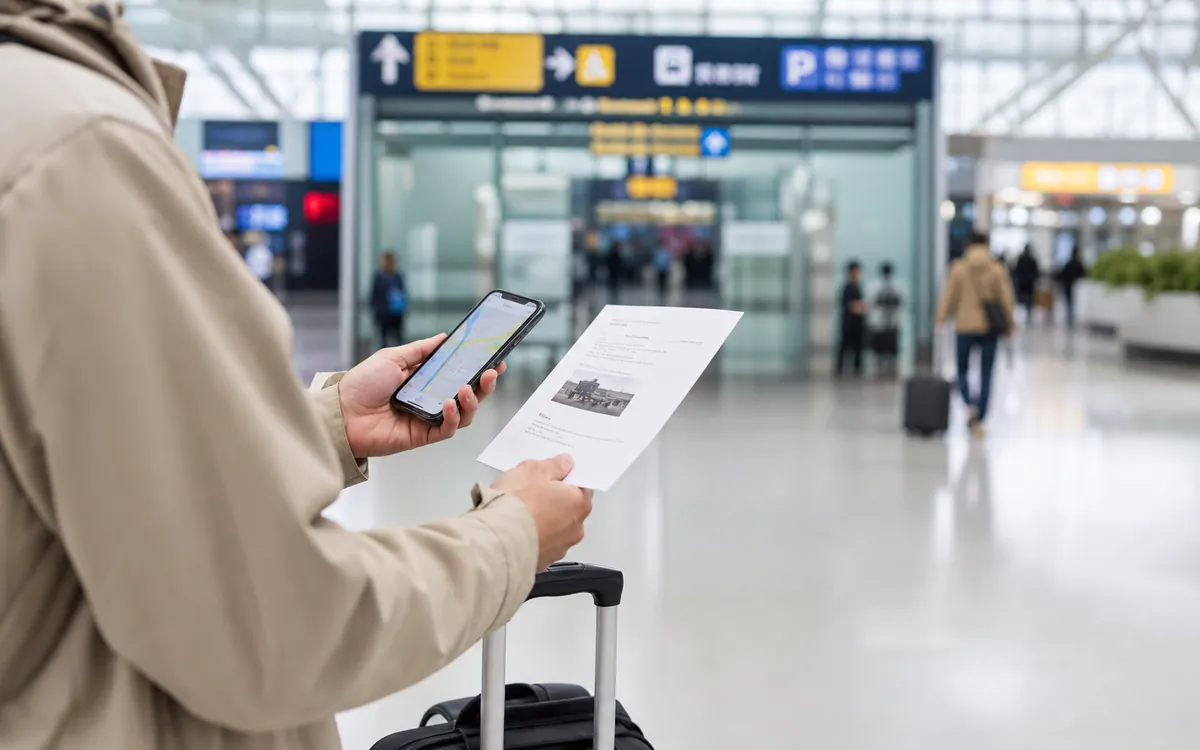
Choose the transport mode by city distance, luggage, time pressure and payment confidence.
Safer movement
- Save station names in Chinese.
- Leave time for security and transfers.
- Keep a taxi or metro fallback.
Risky movement
- Assume English names match every sign.
- Book tight transfers with luggage.
- Rely on one app without payment backup.
 Prepare
Set up the part that is hard to fix under pressure.
Prepare
Set up the part that is hard to fix under pressure.
Do this before a station queue, front desk, restaurant rush, supplier visit or late-night transfer narrows your choices.
 Recover
Keep a calm fallback that a local person can understand.
Recover
Keep a calm fallback that a local person can understand.
The best backup is simple enough to show: an address, receipt, passport page, route, contact or translated sentence.
Rail and city transfers
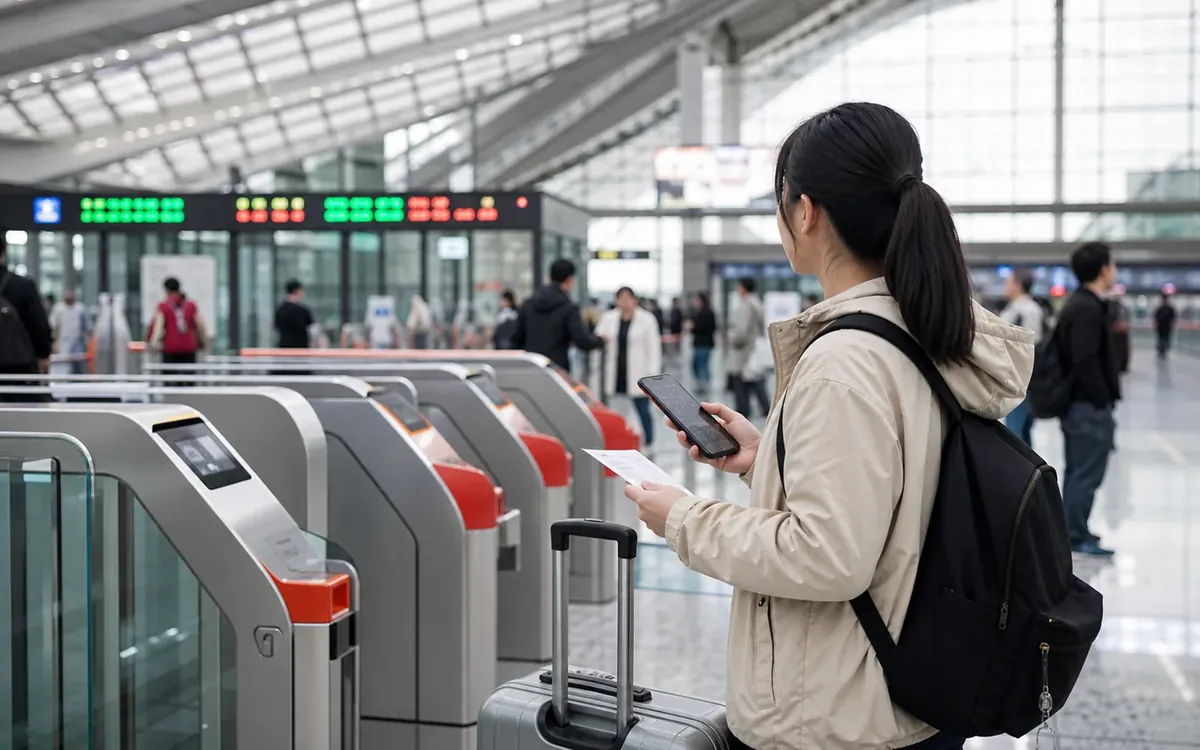
High-speed rail, station names, security checks and realistic transfer buffers.
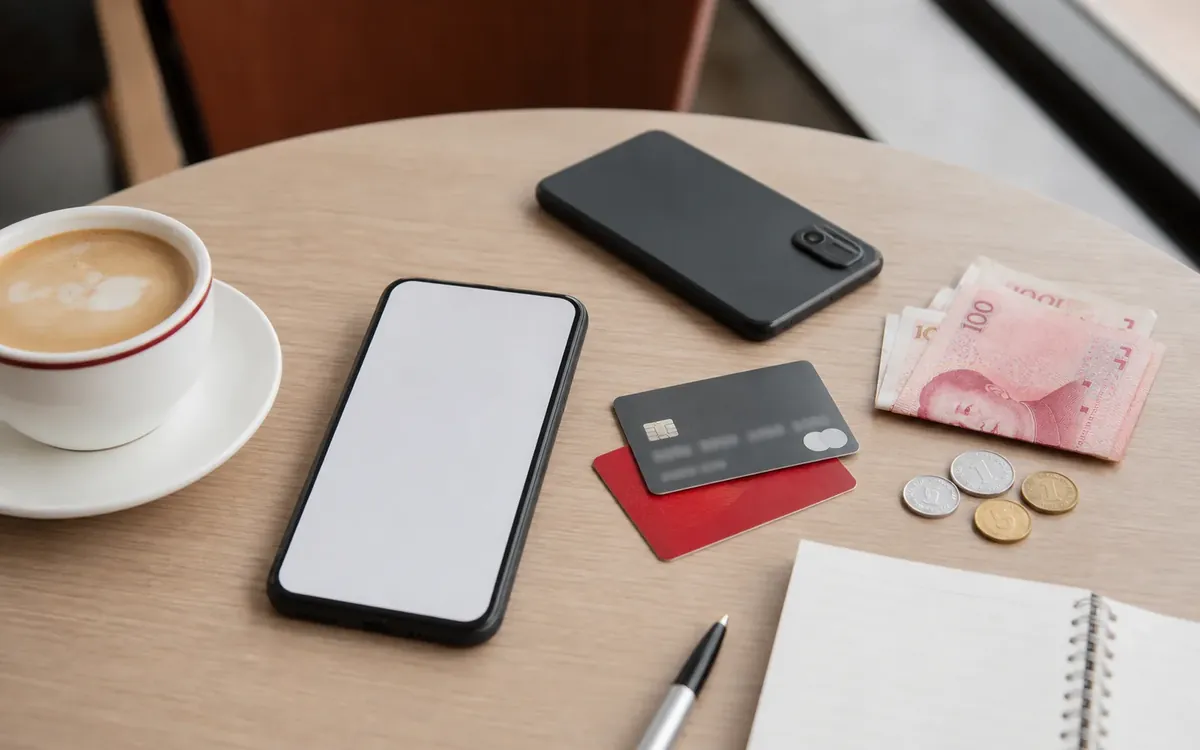 Payments
Stations, exits and backup routes
Payments
Stations, exits and backup routes
 Entry
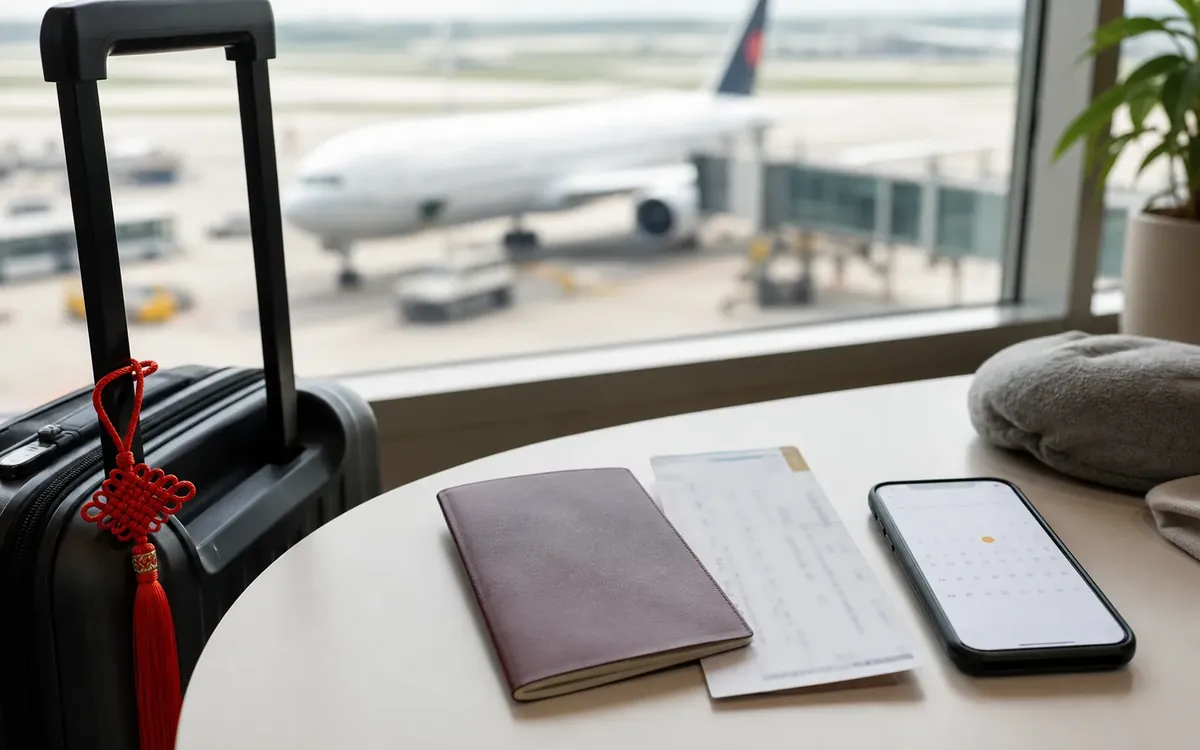
Entry rules before booking
Entry
Entry rules before booking
 Apps
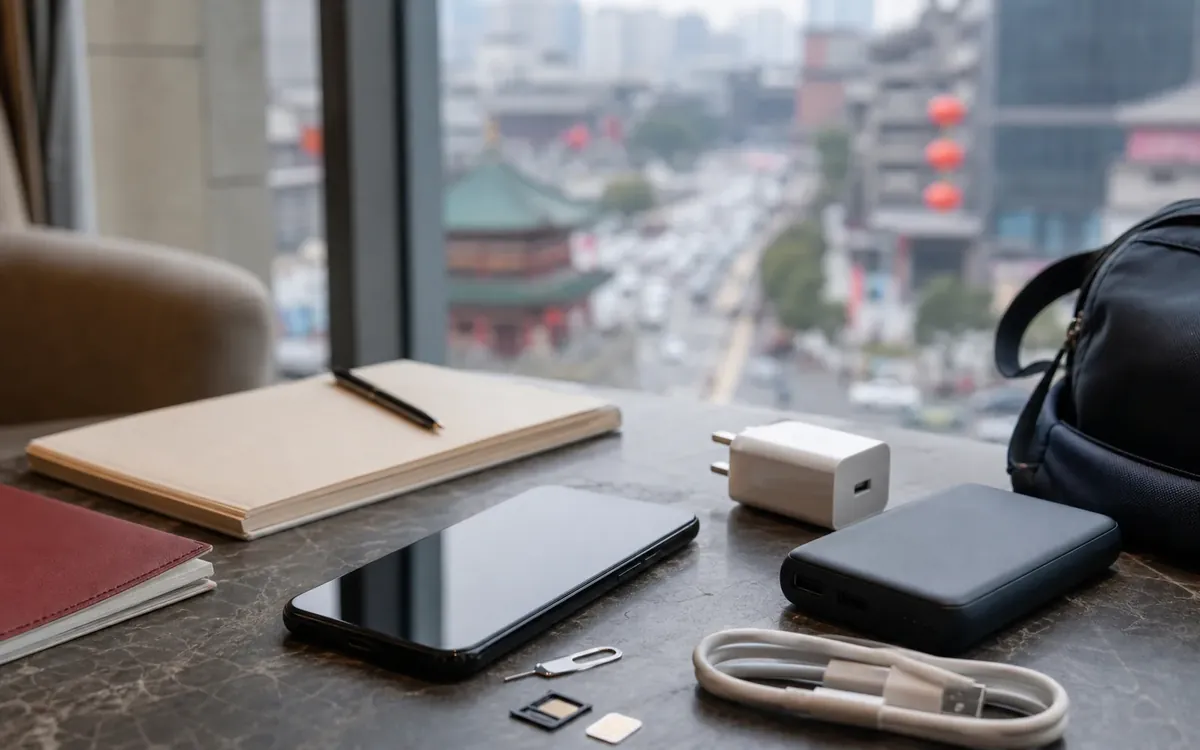
Phone, maps and translation
Apps
Phone, maps and translation
Luggage slows everything
Luggage slows everything is a practical control point for this topic. Check it early so it does not become a problem under pressure.
Security checks add time
Security checks add time is a practical control point for this topic. Check it early so it does not become a problem under pressure.
Elevators are not always easy
Elevators are not always easy is a practical control point for this topic. Check it early so it does not become a problem under pressure.
Security checks
Many metro systems screen bags at entrances. This is usually quick, but large luggage, liquids, and crowded stations slow the process. Do not leave no margin before trains or meetings.
Stairs and elevators
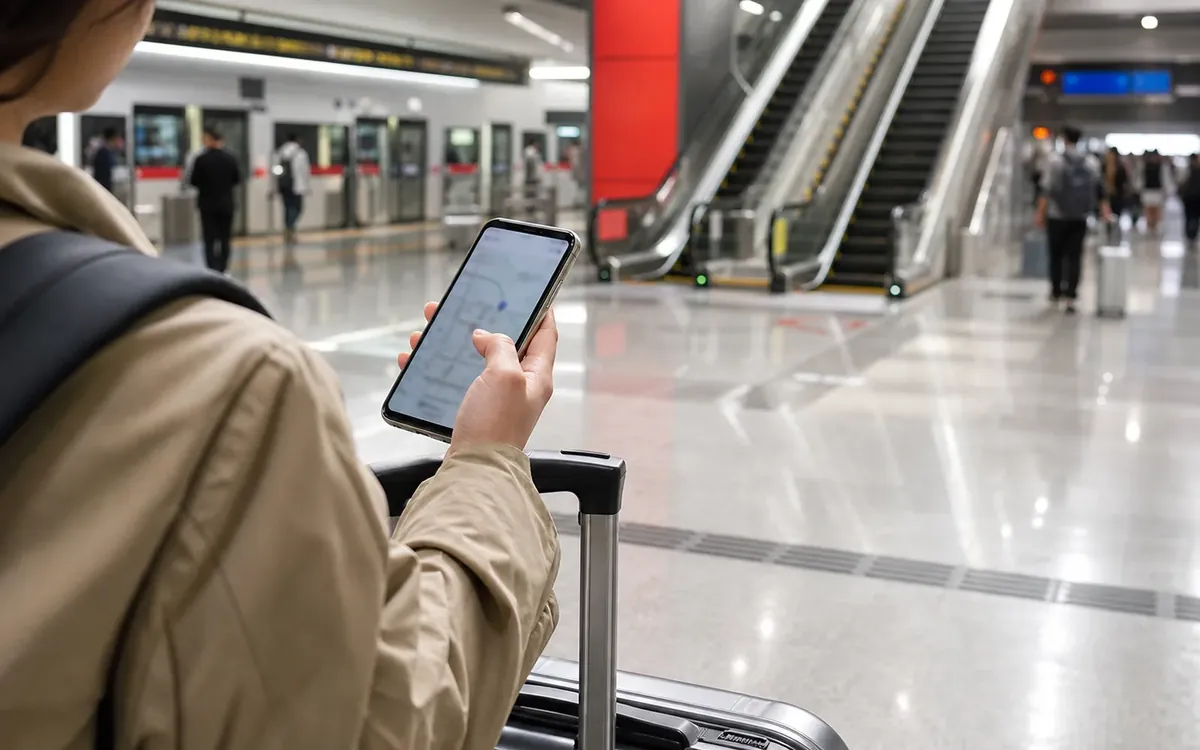
Not every station transfer is luggage-friendly. Elevators may be far away, busy, or outside the fastest route. Escalators can be crowded and awkward with large suitcases.
Rush hour
Peak commuting periods can make luggage travel miserable. If you are arriving with suitcases, a taxi or ride-hailing car may be safer and more comfortable.
Transfers
Some station transfers involve long underground walks. A route with fewer transfers can be better than the theoretically fastest route.
Accessibility
Travelers with mobility needs should research elevator access, station layout, and hotel location carefully. Chinese metro systems vary by city and station age.
Metro luggage note
Metro security is routine, but luggage changes the timing. Large bags, power banks, liquids, tools and crowded entrances can slow a short transfer enough to break the plan. If you are moving between airport, hotel and station, add a buffer for bag scanning and elevator routing, not just the train ride. Keep power banks and documents easy to remove, and use a taxi or station luggage service when stairs or peak-hour crowds make the metro technically possible but practically poor.
Metro Security, Luggage, and Station Transfers in China checklist
- Avoid peak hour with suitcases
- Check elevator access
- Allow security time
- Prefer fewer transfers
- Use taxi for heavy luggage
Mistakes to avoid with Metro Security, Luggage, and Station Transfers in China
- Planning metro with too much baggage
- Assuming every station has easy elevators
- Ignoring transfer distance
- Taking luggage into rush hour
- Leaving no time for security
When Metro Security, Luggage, and Station Transfers in China needs local help
Ask station staff, hotel staff, airline staff, a driver, venue security or a local host when the route, station name or pickup point is unclear. A Chinese address and screenshot usually solve the problem faster than a long explanation.