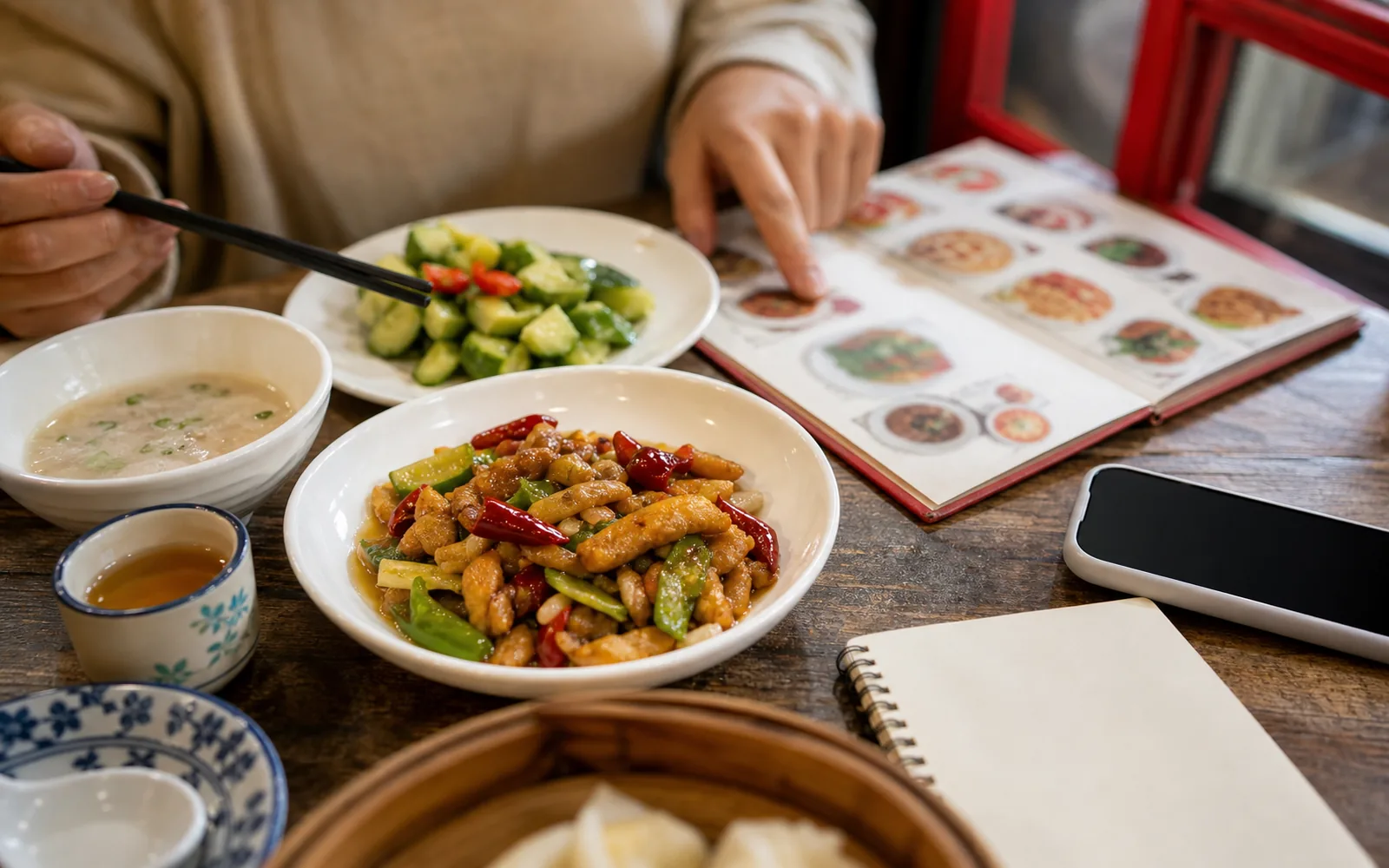
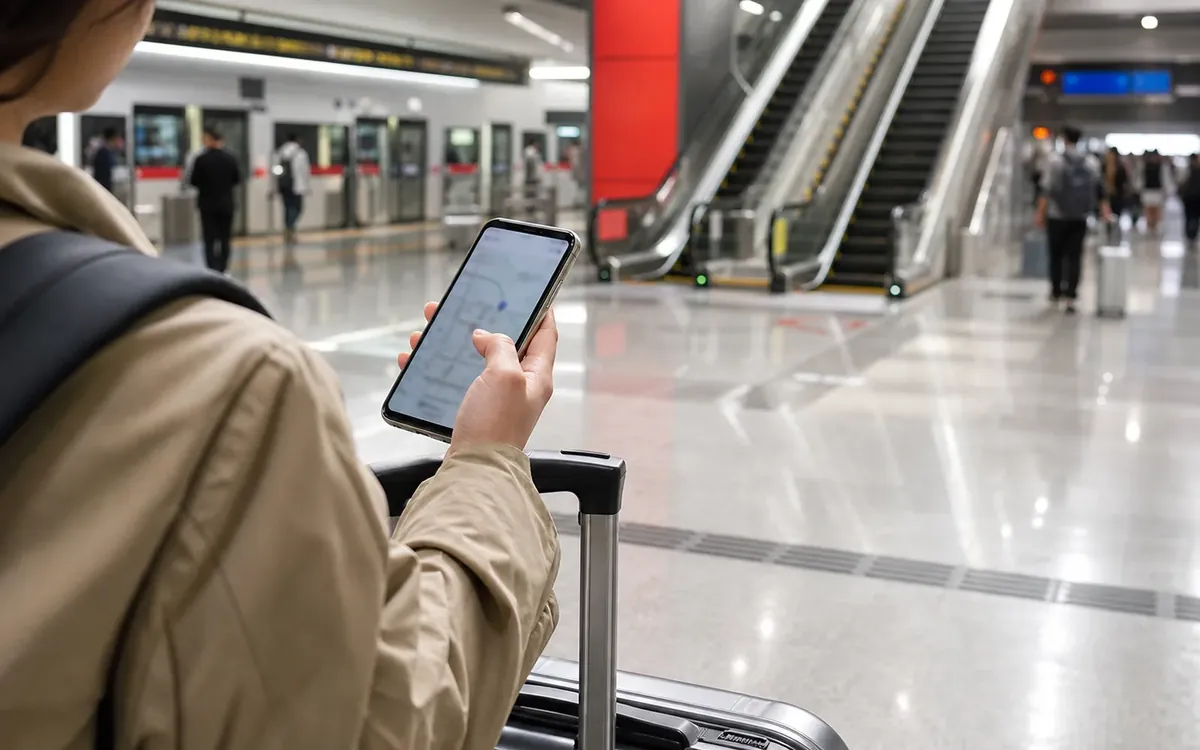
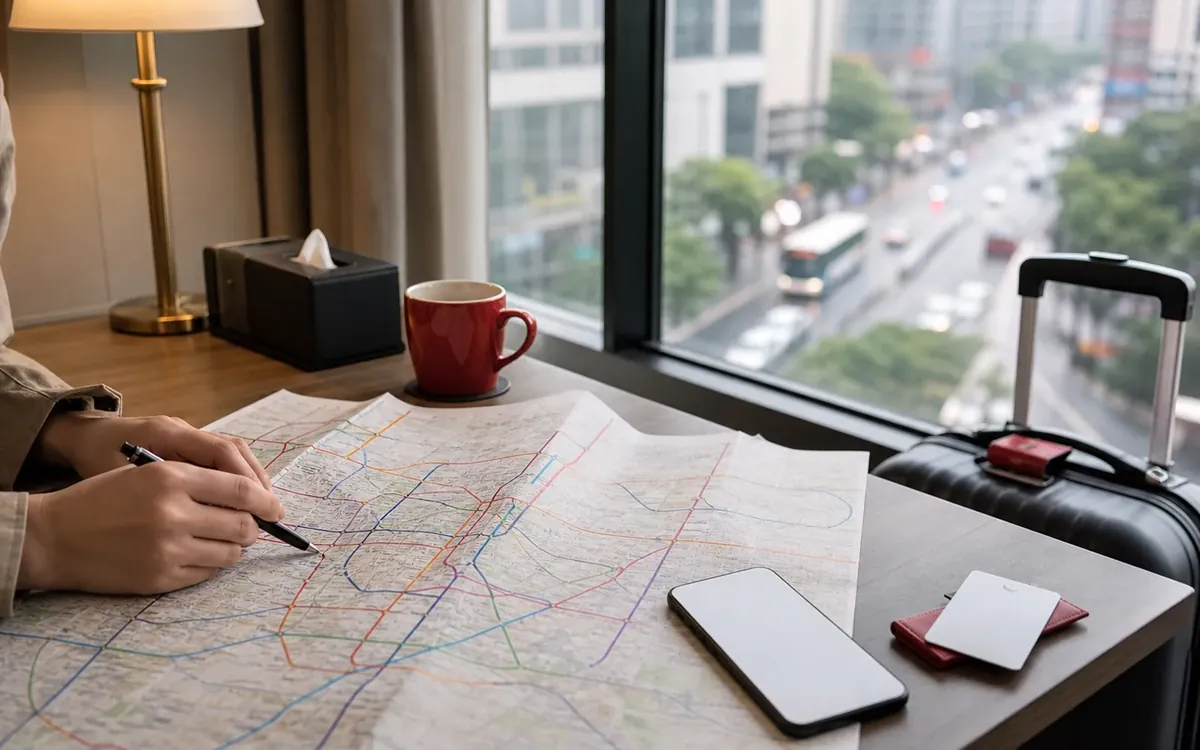
Carry tissues and sanitizer, use malls or hotels when possible, expect squat toilets in some places, and plan restroom stops before long train, bus, or attraction visits.
Practical choice under pressure
Use the checkpoints below to turn this page into a working China plan.
Safer plan
- Confirm the practical step before depending on it.
- Keep a backup path for phone, payment and address.
- Save the key Chinese names and screenshots.
Risky plan
- Assume everything works like at home.
- Wait until the counter to solve setup issues.
- Travel without offline notes.
 Before the moment
Mark the one choice Public Toilets, Hygiene, and Everyday Comfort in China needs to settle.
Before the moment
Mark the one choice Public Toilets, Hygiene, and Everyday Comfort in China needs to settle.
Turn the page into a short checklist: what to show, what to save, and what to do if the first answer does not work.
 After the first try
Write down what changed on the ground.
After the first try
Write down what changed on the ground.
China travel details shift by city, venue and staff interpretation, so keep screenshots and names beside the the first real-world decision this page is meant to support notes.
Phone, maps and translation
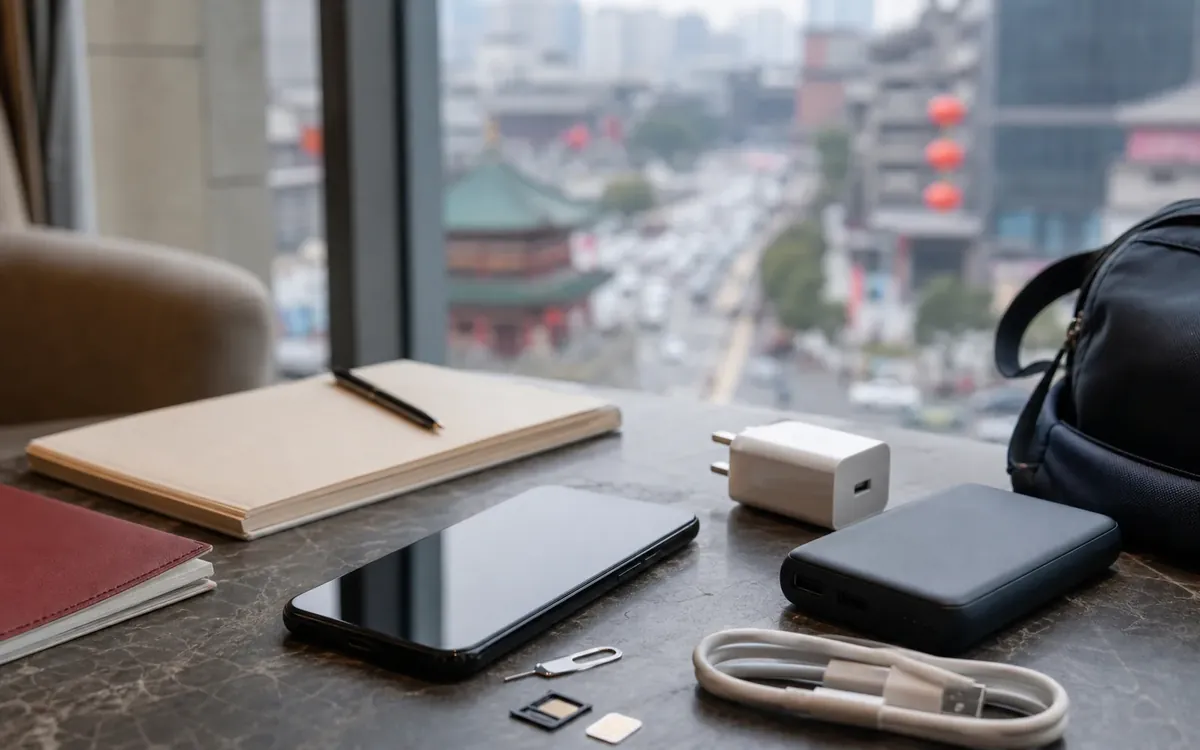
Keep navigation, messaging and payment systems working from arrival day.
 Payments
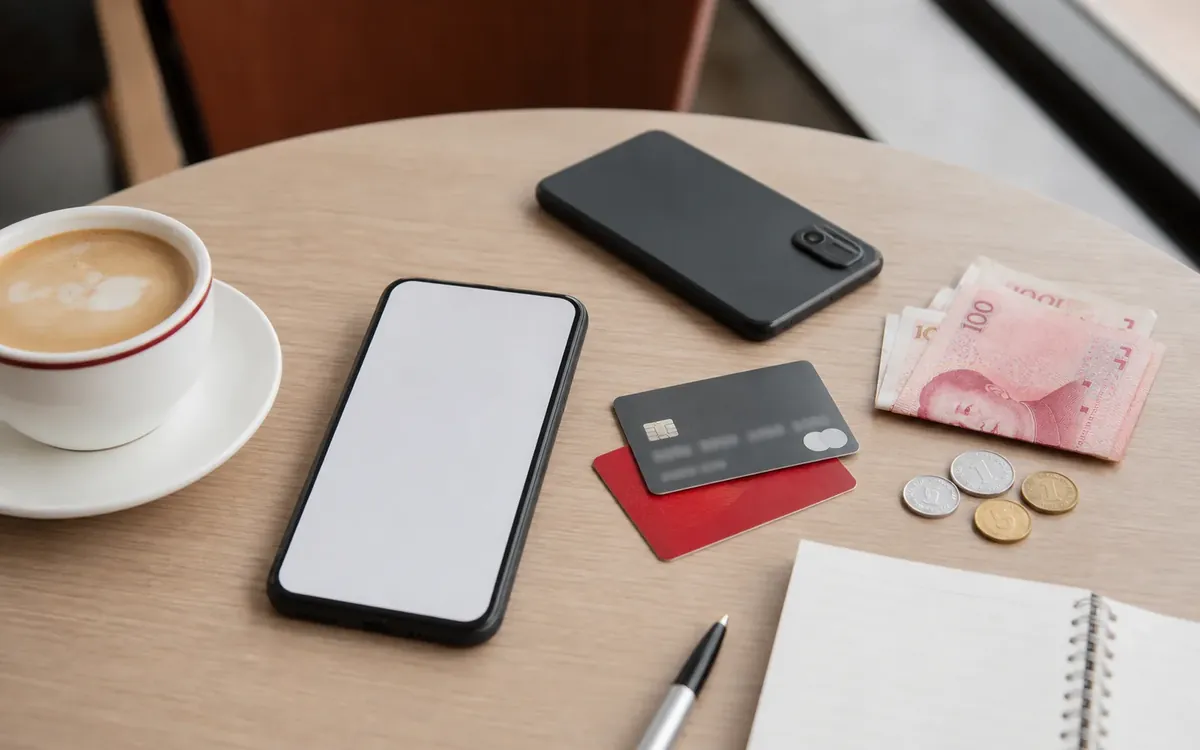
Next step, proof and fallback
Payments
Next step, proof and fallback
 Entry
Entry rules before booking
Entry
Entry rules before booking
 Transport
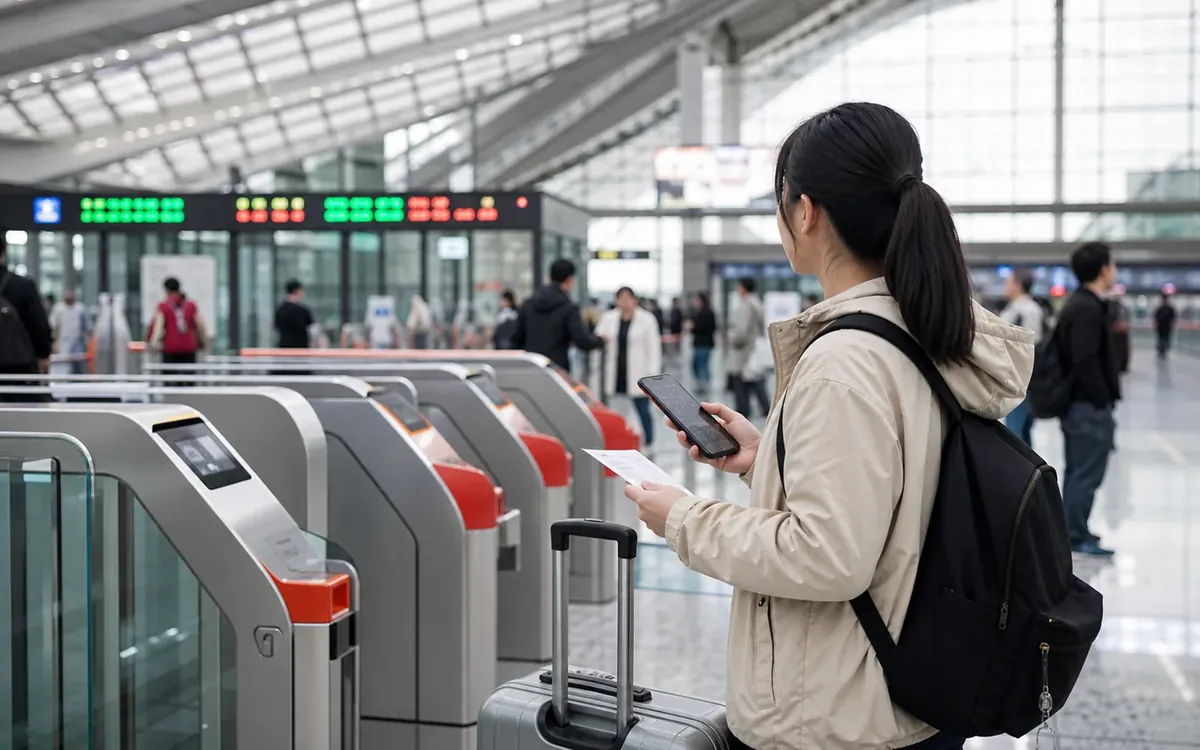
Rail and city transfers
Transport
Rail and city transfers
Carry tissues
Carry tissues is a practical control point for this topic. Treat it as something to check early, not something to solve under pressure.
Malls are useful
Malls are useful is a practical control point for this topic. Treat it as something to check early, not something to solve under pressure.
Plan before long transfers
Plan before long transfers is a practical control point for this topic. Treat it as something to check early, not something to solve under pressure.
What to expect
China has modern restrooms in many malls, airports, high-speed rail stations, hotels, and newer attractions. Older neighborhoods, parks, smaller stations, and rural areas can be more basic. Squat toilets still exist, and toilet paper may not always be provided.
Best places to look
Shopping malls, international hotels, large museums, airports, rail stations, and major chain cafes are often safer bets. In a city center, a mall restroom can be a better plan than searching randomly on the street.
What to carry
Carry pocket tissues, hand sanitizer, small wet wipes, and any personal hygiene items you need. Do not assume every restroom has soap, dryers, or toilet paper.
Travel days
Use restrooms before boarding trains, entering long queues, joining tours, or starting long taxi rides. A good restroom stop before a transfer saves a lot of stress.
Comfort without overreacting
Do not let restroom anxiety dominate the trip. Just build the habit: use good facilities when you see them, carry basics, and choose practical hotel or mall breaks during long sightseeing days.
Public Toilets, Hygiene, and Everyday Comfort in China checklist
- Carry tissues and sanitizer
- Use mall or hotel restrooms when available
- Plan before long transfers
- Keep small trash bags or wipes if needed
- Check restroom signs at stations
Mistakes to avoid with Public Toilets, Hygiene, and Everyday Comfort in China
- Assuming toilet paper is always provided
- Waiting until urgent in an old district
- Ignoring restroom breaks before train boarding
- Packing hygiene items only in luggage
- Being surprised by squat toilets
When Public Toilets, Hygiene, and Everyday Comfort in China needs local help
Ask staff, your host, school, employer, insurer or a trusted local contact before the situation becomes urgent. Show the address, receipt, route or translated sentence first.