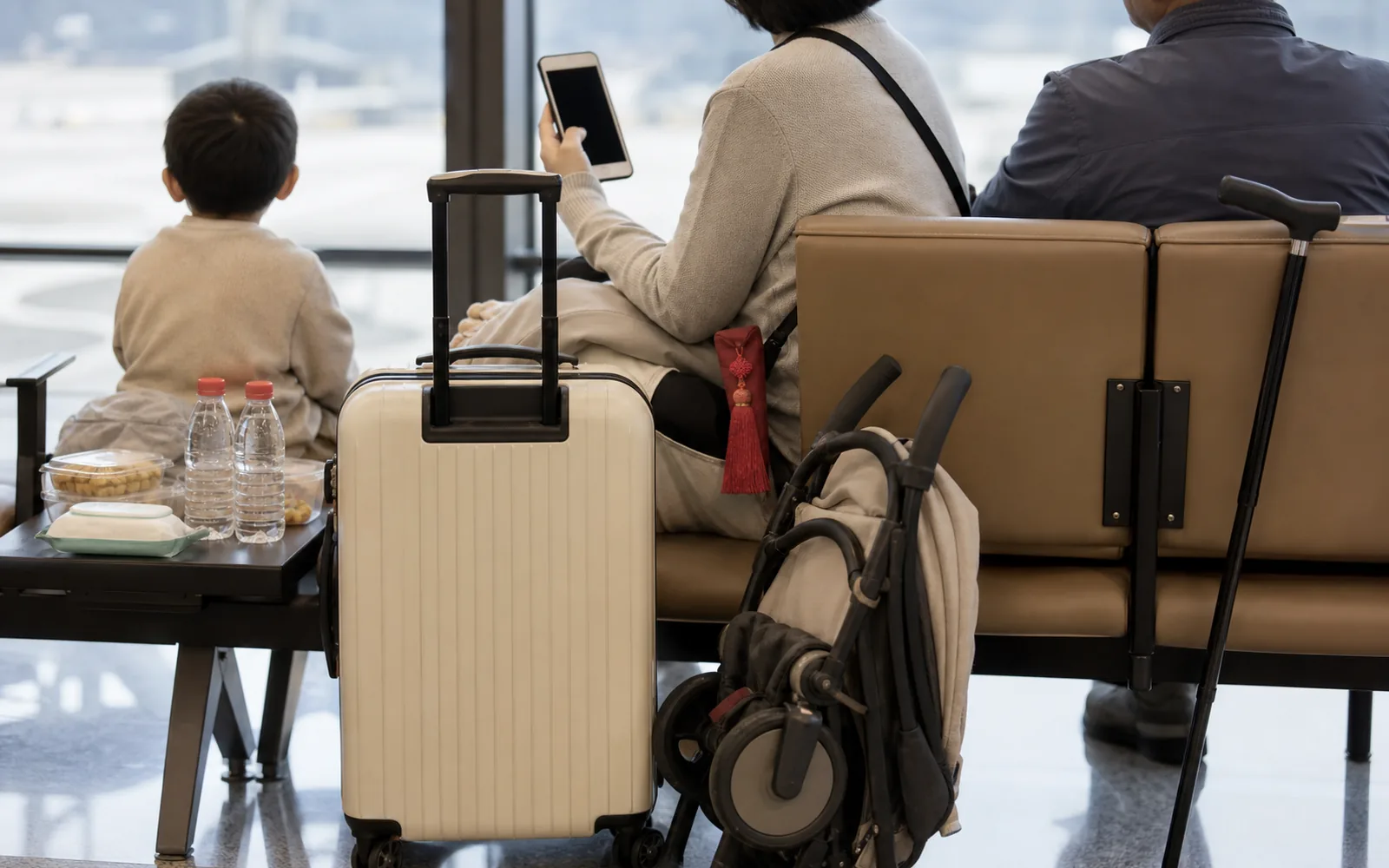
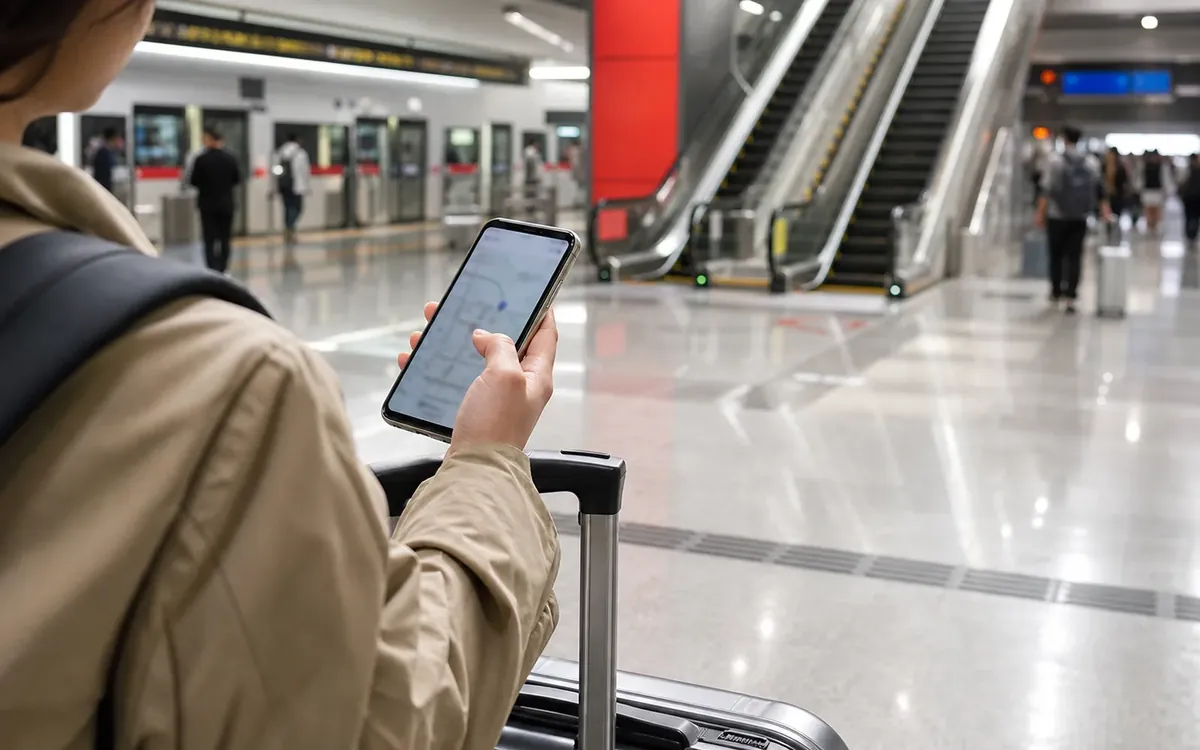
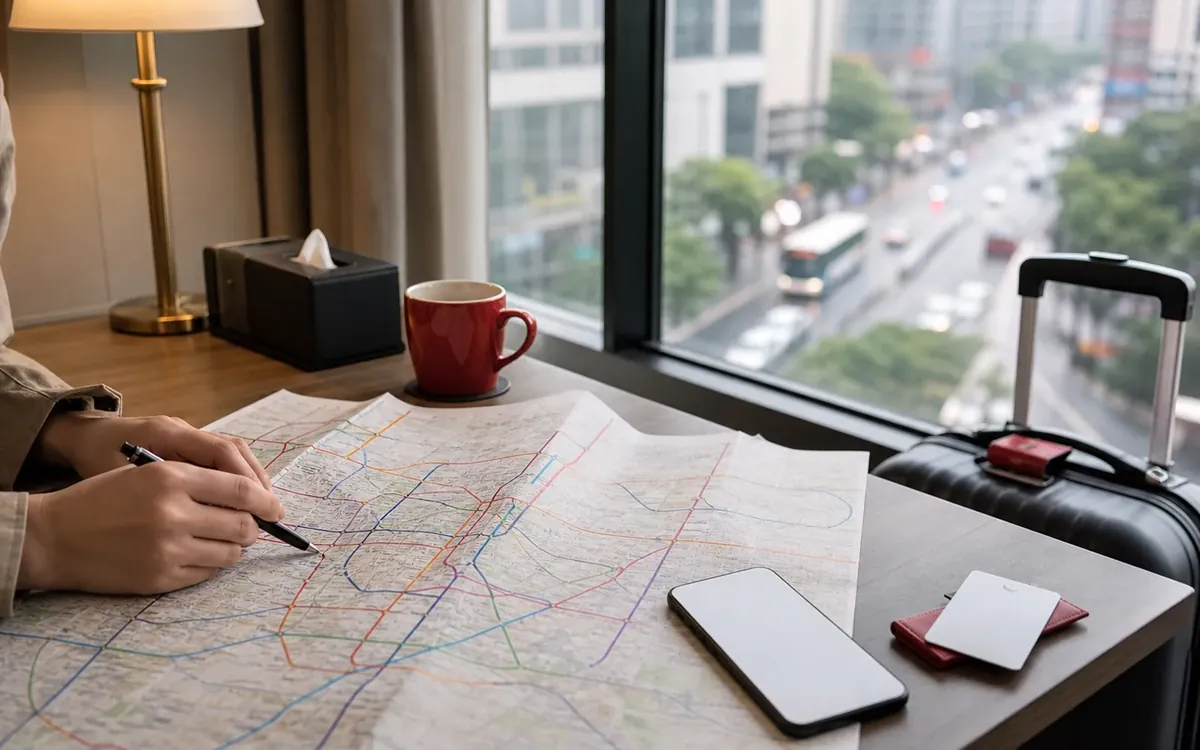
Choose hotels near transport, reduce daily movement, build rest blocks, keep snacks and medicine ready, and avoid first-time experiments with tight transfers or late-night arrivals.
Daily-life choice under pressure
Use the checkpoints below to turn this page into a working China plan.
Safer plan
- Confirm the practical step before depending on it.
- Keep a backup path for phone, payment and address.
- Save the key Chinese names and screenshots.
Risky plan
- Assume everything works like at home.
- Wait until the counter to solve setup issues.
- Travel without offline notes.
 One thing to confirm
Confirm the item that would stop the day if it failed.
One thing to confirm
Confirm the item that would stop the day if it failed.
For this topic, that usually means checking the exact rule, app status, address, document or receipt before the busy part starts.
 One thing to save
Keep evidence that can be shown without mobile data.
One thing to save
Keep evidence that can be shown without mobile data.
Screenshots, Chinese names, booking records and offline notes make daily routines, documents and local support easier to explain.
Rail and city transfers
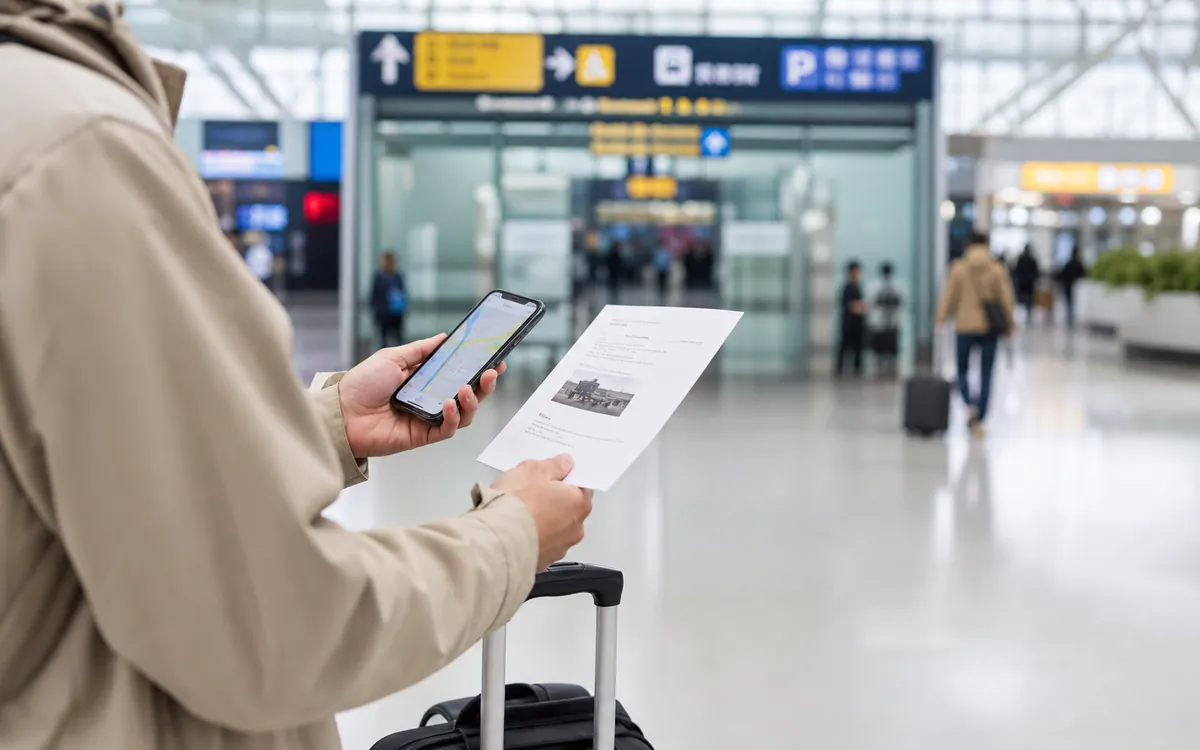
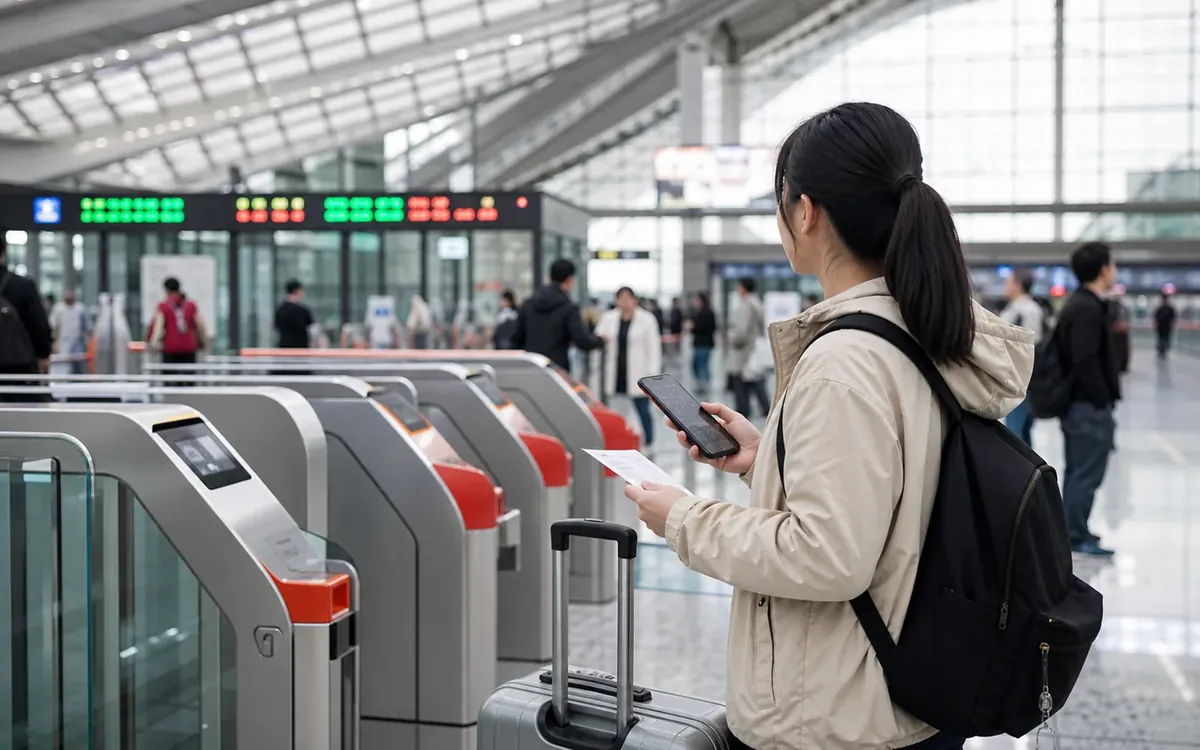
High-speed rail, station names, security checks and realistic transfer buffers.
 Payments
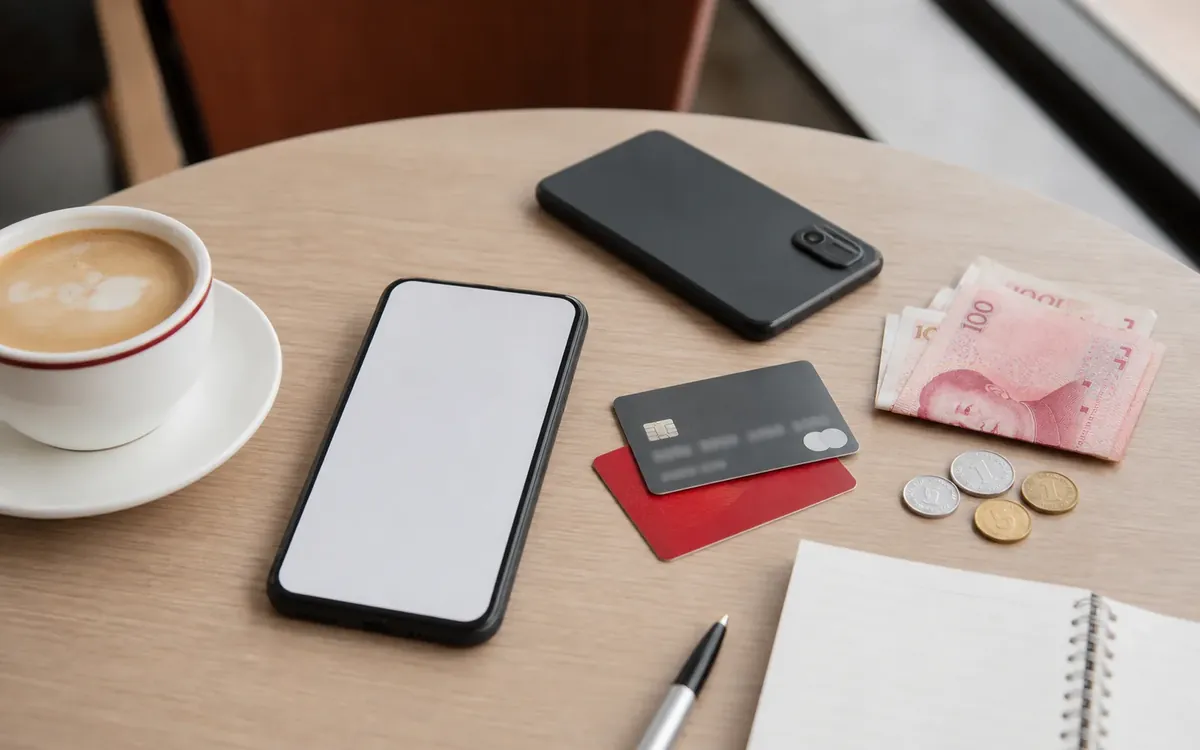
Routine, timing and local support
Payments
Routine, timing and local support
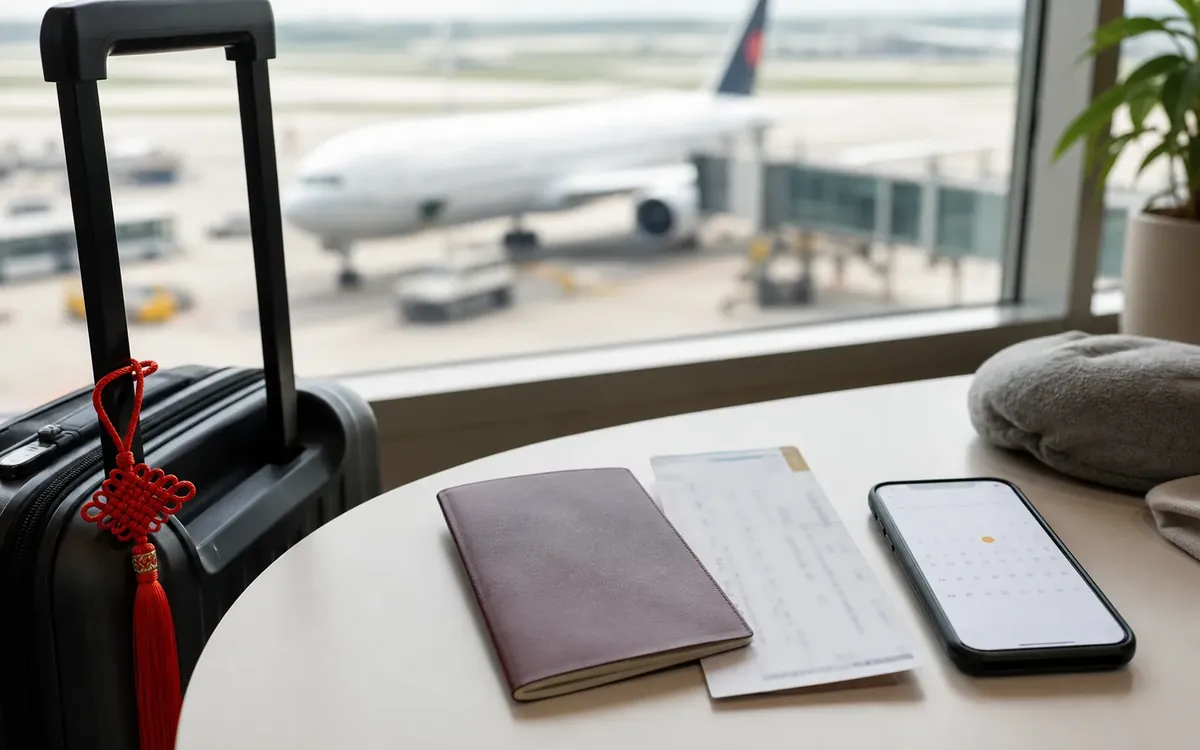 Entry
Entry rules before booking
Entry
Entry rules before booking
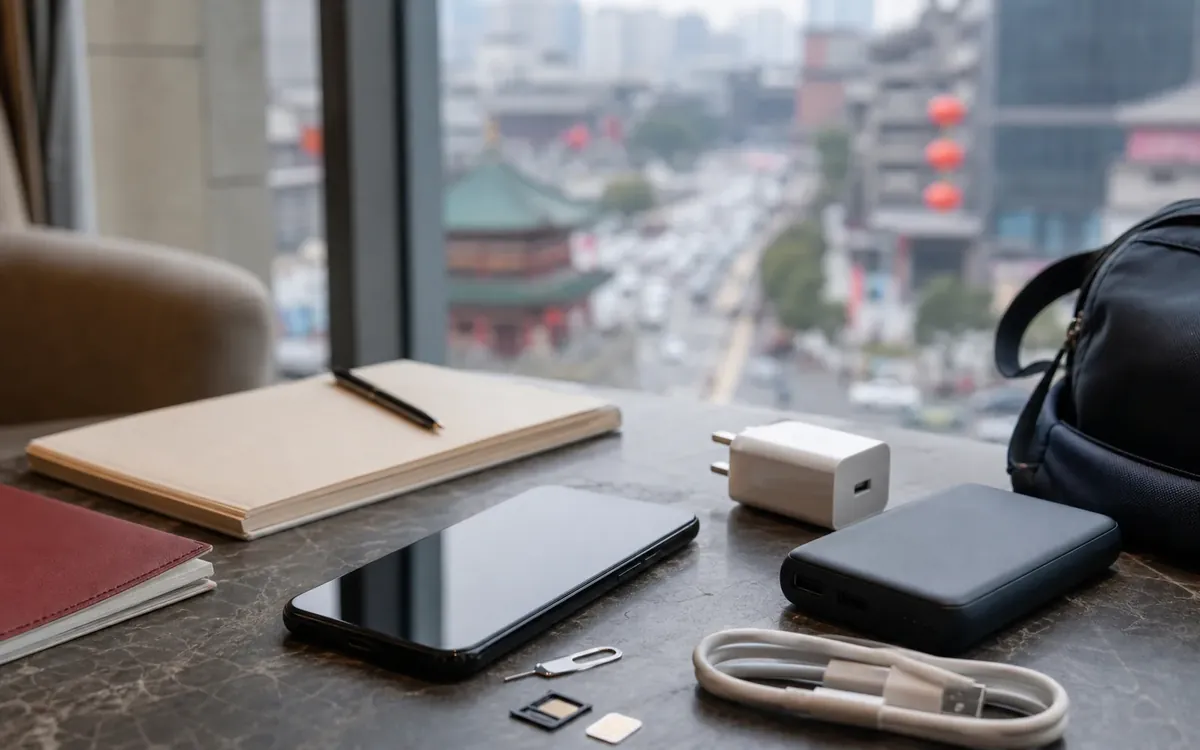 Apps
Phone, maps and translation
Apps
Phone, maps and translation
Pacing matters most
Pacing matters most is a practical control point for this topic. Treat it as something to check early, not something to solve under pressure.
Choose practical hotels
Choose practical hotels is a practical control point for this topic. Treat it as something to check early, not something to solve under pressure.
Backups beat ambition
Backups beat ambition is a practical control point for this topic. Treat it as something to check early, not something to solve under pressure.
Route design
Family trips should be designed around energy, not only attractions. Two major activities in one day may be enough. A short metro ride can become hard with a stroller, tired child, or older parent in summer heat or winter cold.
Hotels and location
A hotel near a metro line, familiar food, convenience stores, and a hospital or pharmacy area can be worth more than a cheaper room far away. Elevators, breakfast, laundry, and front-desk help matter more when traveling with family.
Transport choices
High-speed rail is comfortable between cities, but stations are large. Taxis and ride-hailing are useful, but child seats are not guaranteed. Metro is reliable but can involve stairs, crowds, and long walking connections.
Food and routines
Keep familiar snacks, bottled water, and simple backup meals. Not every meal needs to be a famous local experience. For children or older travelers, routine can be the difference between a good trip and a stressful one.
Health and emergencies
Carry medication names, allergies, insurance details, and hotel address in Chinese. Know the nearest hospital or international clinic in major cities. Heat, dehydration, crowds, and walking distance are common problems.
Traveling in China with Children or Older Parents checklist
- Book hotels with elevators and front desk support
- Limit daily attractions
- Carry snacks and basic medicine
- Save hospital and hotel addresses
- Plan toilet and rest stops
Mistakes to avoid with Traveling in China with Children or Older Parents
- Overloading the first day
- Booking hotels far from transit
- Assuming all stations are stroller-friendly
- Not planning for extreme weather
- Treating every meal as an adventure
When Traveling in China with Children or Older Parents needs local help
Ask hotel staff, school or employer contacts, a host, venue staff or a trusted local contact when the local process is unclear. Short notes, screenshots and Chinese names usually help more than a long explanation.