
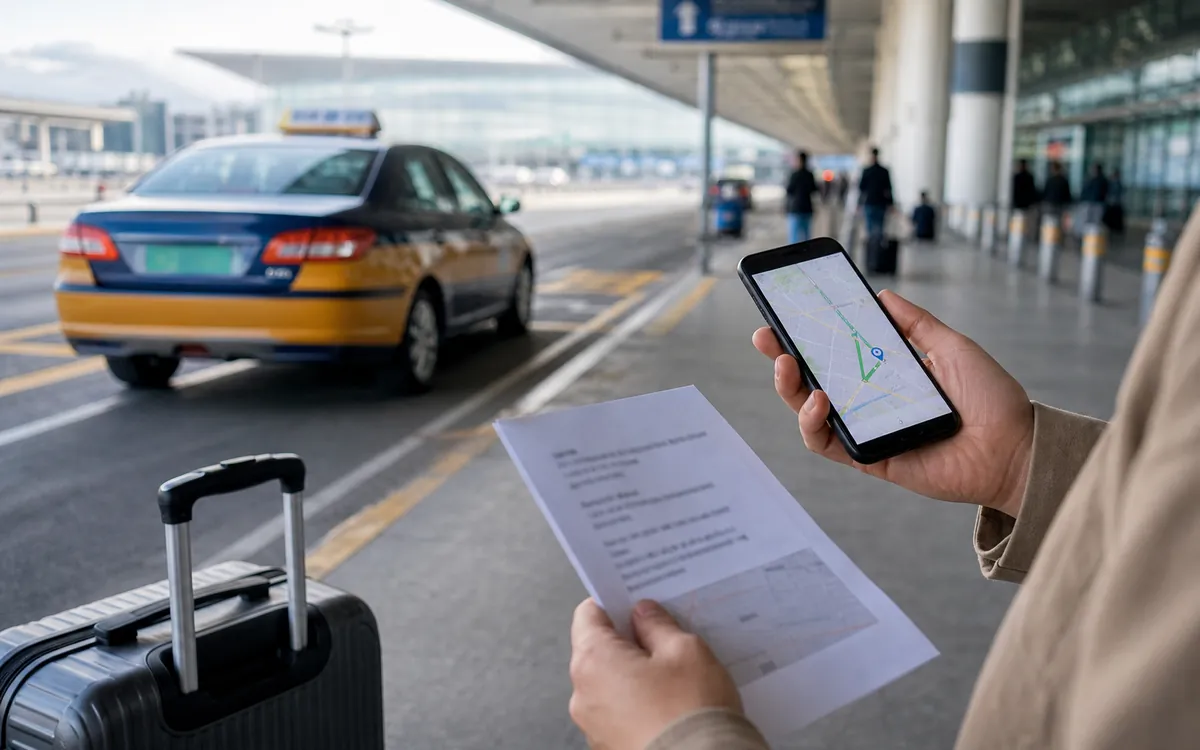
Choose hotels near the transport you will actually use, check metro lines and station exits, avoid awkward late-night transfers, and confirm the property can host foreign guests.
Decision layer
Choose the hotel by first-day friction, not only by sights.
The best base is the place that makes arrival, check-in, payment, transport and the next morning easy. Famous attractions matter, but they should not override airport access, station access and a reliable passport check-in.
Start with where you land and how you will reach the hotel. A central hotel is not practical if the first transfer is stressful or too late.
Choose a district near the metro or rail line you will actually use, not a vague center label or a cheap address far from exits.
Confirm foreign passport registration, deposit method, Chinese address, late arrival rules and whether staff can handle your booking channel.
Good base signals
- Direct airport or rail access
- Clear metro exit and walk
- Food and pharmacy nearby
Risk signals
- Remote bargain hotel
- Unclear Chinese address
- Late arrival plus weak payment backup
Practical caution: a beautiful hotel can still be a bad first base if it turns the first night into a transport and check-in puzzle.
Where to stay: what changes the decision
Choose the area
- Prioritize airport, rail, metro and daily route access.
- Avoid choosing only by a city-center label.
- Check whether nightlife, meetings or sightseeing are the real anchor.
Check the hotel
- Confirm foreign guest acceptance and passport check-in.
- Save the Chinese address and phone number.
- Check deposit, payment and late-arrival rules.
Hotel and arrival decision guide
The best hotel choice is usually the one that makes check-in, transport and first-day recovery easier.

Safer stay
- Confirm foreign passport check-in.
- Save the Chinese name and address.
- Choose location by station access, not only price.
Risky stay
- Book an unverified property late at night.
- Arrive without the Chinese address.
- Ignore deposits, payment and registration rules.
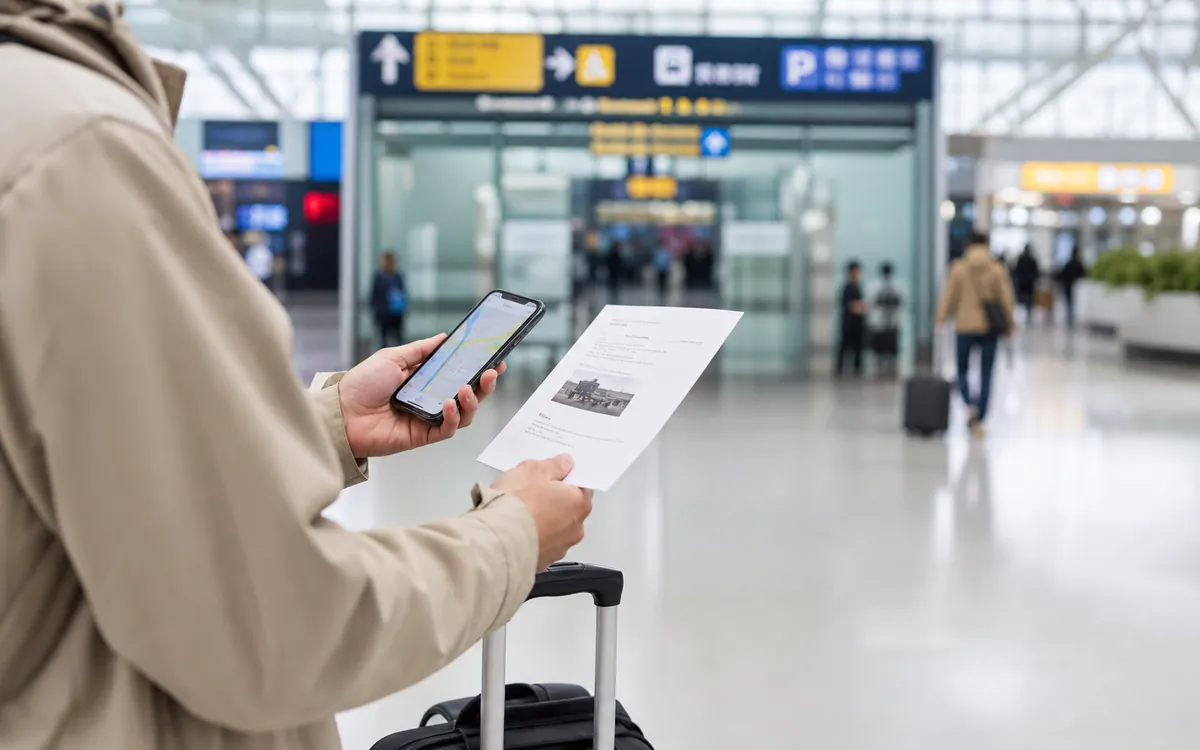 Before the moment
Mark the one choice Where to Stay in Chinese Cities needs to settle.
Before the moment
Mark the one choice Where to Stay in Chinese Cities needs to settle.
Turn the page into a short checklist: what to show, what to save, and what to do if the first answer does not work.
 After the first try
Write down what changed on the ground.
After the first try
Write down what changed on the ground.
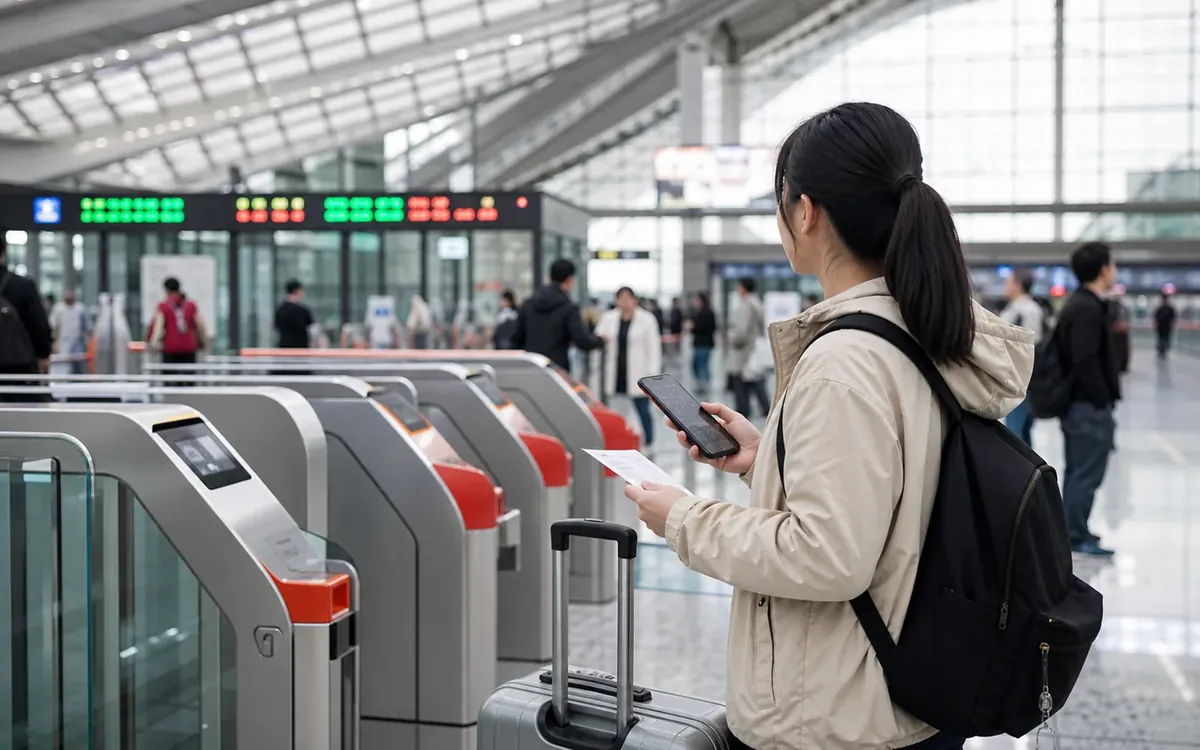
China travel details shift by city, venue and staff interpretation, so keep screenshots and names beside the addresses, front desks and local service steps notes.
Rail and city transfers
High-speed rail, station names, security checks and realistic transfer buffers.
 Payments
Chinese address, front desk and service timing
Payments
Chinese address, front desk and service timing
 Entry
Entry rules before booking
Entry
Entry rules before booking
 Apps
Phone, maps and translation
Apps
Phone, maps and translation
Transport beats vague centrality
Transport beats vague centrality is a practical control point for this topic. Check it early so it does not become a problem under pressure.
Late arrival changes choices
Late arrival changes choices is a practical control point for this topic. Check it early so it does not become a problem under pressure.
Foreign-guest acceptance matters
Foreign-guest acceptance matters is a practical control point for this topic. Check it early so it does not become a problem under pressure.
Start with arrival
Pick the first hotel based on how you arrive. A beautiful neighborhood is less useful if you land at midnight, have large luggage, and need a complicated transfer across the city.
Metro and rail access
Being near the right metro line or rail station can save more time than being near a famous landmark. Check exact walking distance and whether the route requires stairs or crossings.
Business versus sightseeing
Business travelers should prioritize meeting locations and morning traffic. Sightseers should balance major attractions with food, metro access, and calm evening return routes.
Old towns and scenic areas
Old districts can be charming but may have narrow lanes, limited car access, stairs, and older buildings. They are great for atmosphere, not always great for luggage or late check-in.
Foreign-guest readiness
Choose hotels with recent foreign-guest reviews, clear passport check-in process, and 24-hour front desk if arriving late. This reduces the chance of registration problems.
Where to Stay in Chinese Cities checklist
- Map arrival route before booking
- Check metro station and exit
- Read foreign-guest reviews
- Avoid remote first-night locations
- Confirm 24-hour desk for late arrivals
Mistakes to avoid with Where to Stay in Chinese Cities
- Choosing only by district reputation
- Ignoring airport or station distance
- Booking old-town lodging with heavy luggage
- Assuming every hotel can register foreign passports
- Underestimating late-night transfers
When Where to Stay in Chinese Cities needs local help
Ask hotel staff, building security, delivery staff, platform support or a trusted local contact before the situation becomes late-night or time-sensitive. Show the Chinese address, booking name and receipt first.