



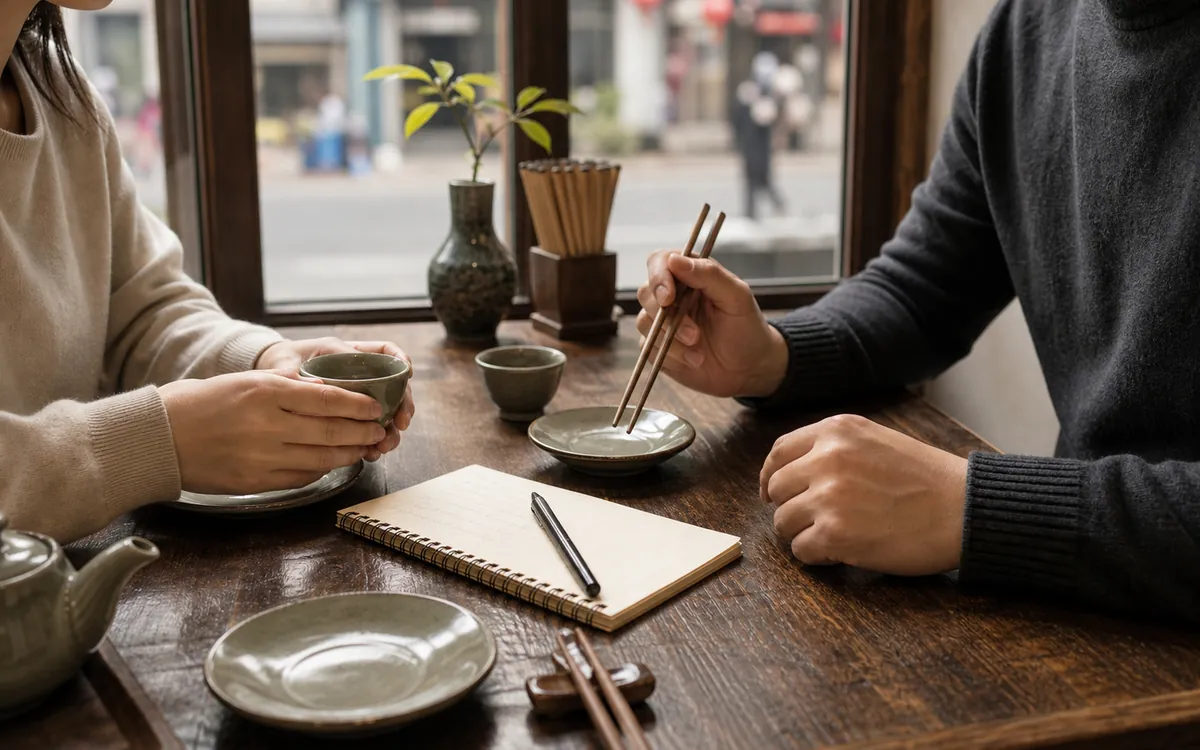
For urgent symptoms, call 120 or go to an emergency department. For non-urgent care, choose between a public hospital, private or international clinic, community clinic, or pharmacy based on severity, language needs, cost, insurance, and how fast you need tests or specialist care.
Trust plan
Turn health tasks into repeatable local routines.
Longer stays need more than emergency planning. Build routines for medication, records, translation, pharmacies, insurance and routine care before small issues accumulate.
Routine records
Keep prescriptions, test results, vaccination records, allergies and clinic notes in a stable folder.
Local pharmacy
Learn the nearest pharmacy, opening hours, payment method and how to show medication names clearly.
Care escalation
Know when to use a pharmacy, clinic, hospital, insurer hotline or emergency services.
Save nearby care options, translate core health notes and confirm how your insurance wants records kept.
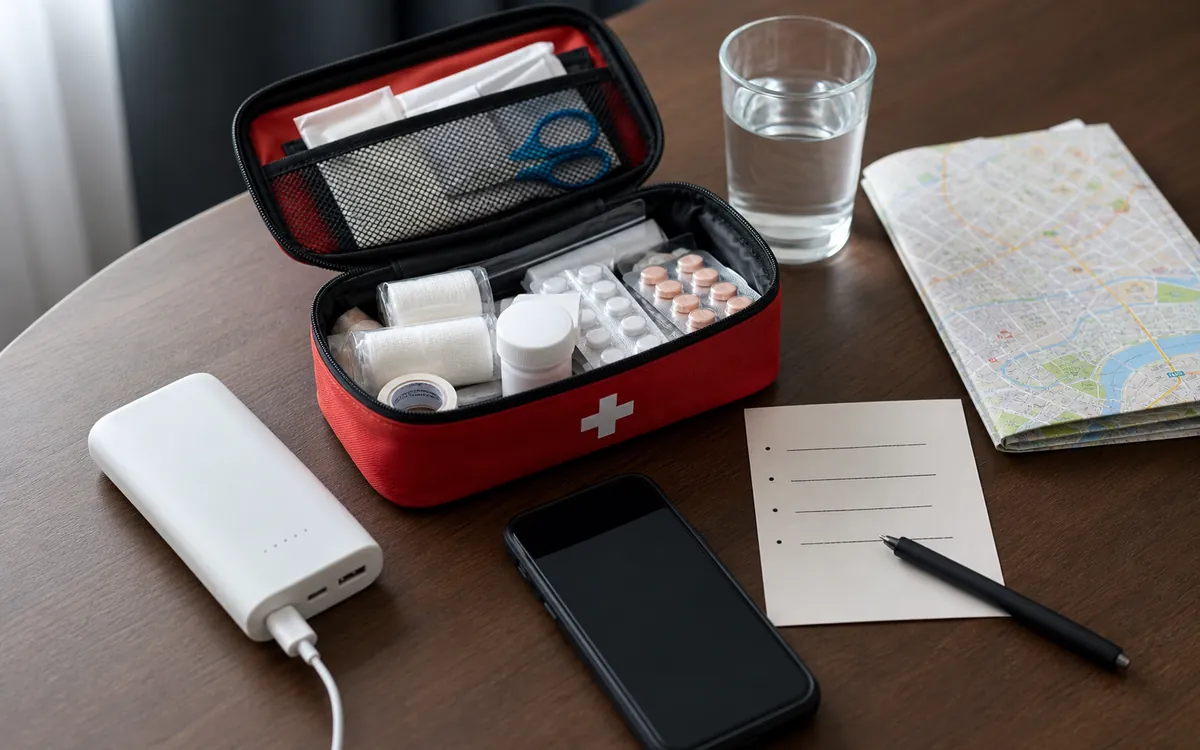
Carry medication, copies of prescriptions, insurer details and enough buffer for delays.
Important: This guide is for practical organization, not medical diagnosis. Use qualified clinicians for medical decisions.
Health and emergency decision guide
The goal is not to predict every problem, but to make the first response obvious.
Safer preparation
- Save emergency contacts and hotel address.
- Keep medicine names, insurance and passport copies.
- Know when to ask hotel staff or embassy services for help.
Risky preparation
- Search everything during a stressful moment.
- Carry no document copies or medication notes.
- Assume payment and language will be simple in an emergency.
 Before the moment
Mark the one choice Healthcare in China needs to settle.
Before the moment
Mark the one choice Healthcare in China needs to settle.
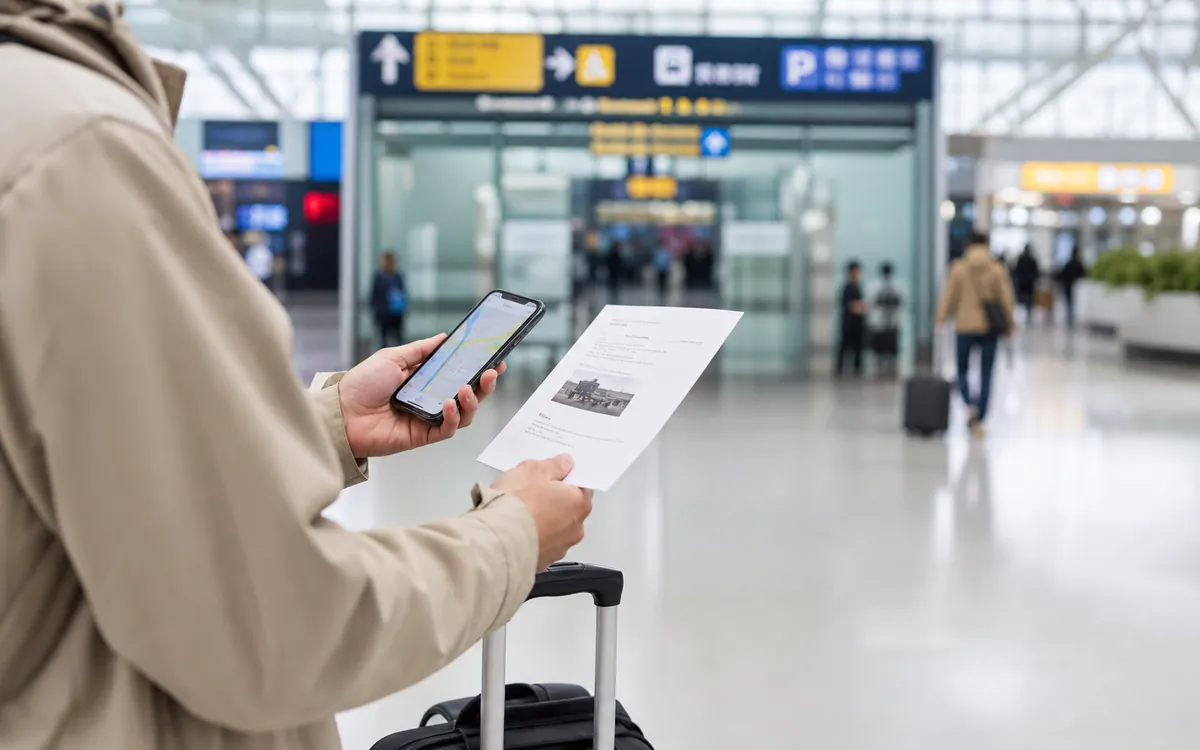
Turn the page into a short checklist: what to show, what to save, and what to do if the first answer does not work.
 After the first try
Write down what changed on the ground.
After the first try
Write down what changed on the ground.
China travel details shift by city, venue and staff interpretation, so keep screenshots and names beside the support contacts, safety judgment and escalation options notes.
Contacts, evidence and escalation
Check who can help, what proof to show, which address to use, and what to do if the first answer is not enough.
 Entry
Entry rules before booking
Entry
Entry rules before booking
 Transport
Rail and city transfers
Transport
Rail and city transfers
 Apps
Phone, maps and translation
Apps
Phone, maps and translation
How to use Healthcare in China
Health guidance is informational and practical, not medical advice. The priority is knowing where to go, what documents to bring, and what records to keep.
Safety note: This page helps with navigation, not diagnosis. For medical decisions, use qualified doctors, pharmacists, your insurer, and official local health channels.
Care options
China's medical system includes public hospitals, private hospitals and clinics, community health centers, pharmacies, dental clinics, and traditional Chinese medicine providers. Public hospitals are often strong for specialists, tests, emergency care, and complex cases. Private and international clinics can be easier for language support, appointments, and insurance coordination, but usually cost more.
Public hospital
Best for broad services, specialists, emergency departments, imaging, lab tests, and complex problems. Expect queues and Chinese-language systems.
Private or international clinic
Best for routine care, English communication, appointment comfort, family medicine, and direct-billing attempts. Costs can be much higher.
Community clinic
Useful for simple local care, follow-up, vaccinations, and neighborhood convenience, especially for residents who understand local systems.
Pharmacy
Useful for simple needs and over-the-counter products, but confirm active ingredient, dose, interactions, and whether a prescription is needed.
When to go where
If symptoms are severe, sudden, or worsening, do not spend time shopping for the most comfortable option. Use emergency care first. If the situation is stable, choose the care setting that best matches the problem.
- Emergency: chest pain, breathing trouble, stroke signs, severe allergic reaction, serious injury, heavy bleeding, collapse, confusion, poisoning, or major trauma.
- Hospital specialist: ongoing pain, complex symptoms, imaging, lab tests, chronic disease review, or referral-level care.
- Clinic: common illness, minor injury, travel medicine, routine prescriptions, checkups, and English-first communication.
- Pharmacy: minor symptoms, basic supplies, simple medicine questions, and refills when you already know the correct product.
Prepare a health file
Make a small offline health file before you need care. It should be easy to show from your phone when you are tired, sick, or unable to explain.
- Passport name, date of birth, nationality, passport number, and emergency contact.
- Hotel or home address in Chinese, plus a map pin and phone number.
- Insurance card, policy number, emergency assistance number, claim instructions, and direct-billing rules.
- Allergies, chronic conditions, surgeries, pregnancy status if relevant, and current medicines.
- Generic medicine names, dose, frequency, and photos of prescription labels.
- Past test reports or discharge summaries for important conditions.
Appointments and registration
Hospitals may use app-based registration, WeChat mini-programs, hospital service accounts, self-service machines, or on-site counters. Some services require a passport or local medical card. In big public hospitals, the registration step can be the hardest part for first-time visitors.
- Choose department or specialty. If unsure, ask a clinic, hotel, insurer, or hospital information desk.
- Register with passport or accepted ID. Keep the same document number for follow-up visits.
- Pay registration fee if required.
- See the doctor, then pay separately for tests, imaging, pharmacy, or treatment.
- Collect printed or digital reports and keep receipts for insurance claims.
Payment and insurance
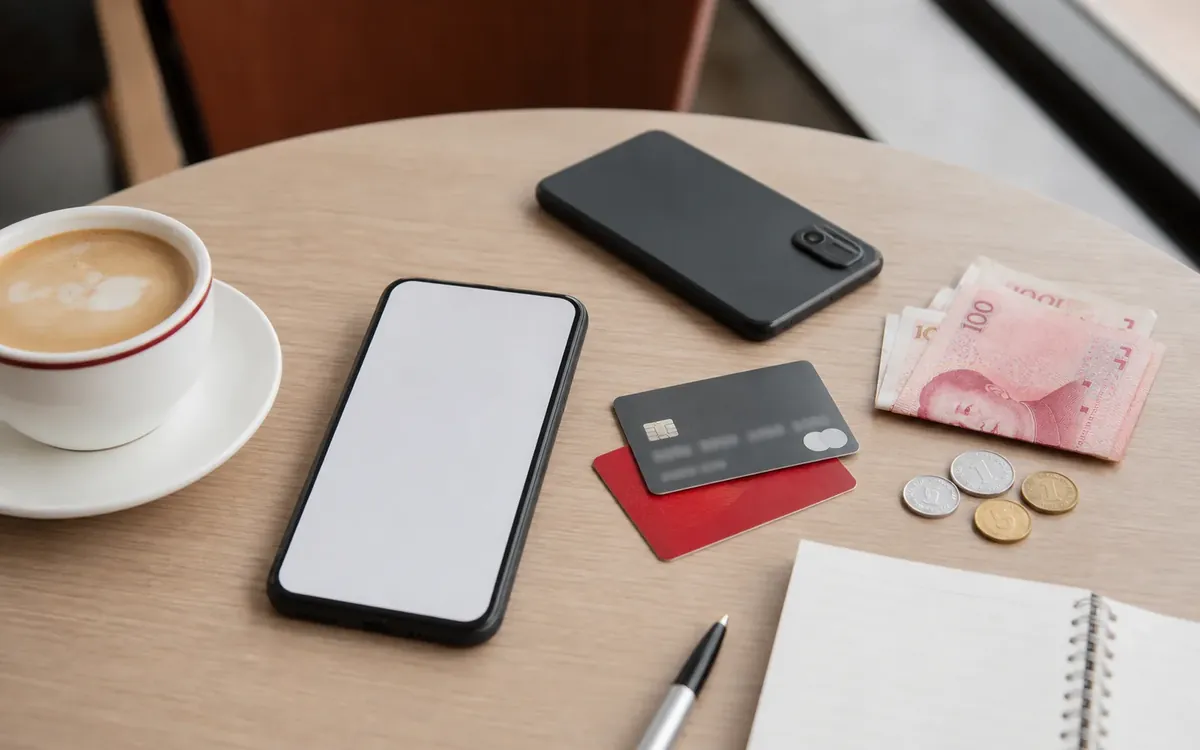
Medical payment can happen in stages: registration, tests, treatment, pharmacy, deposit, and discharge. Do not arrive with only one payment method. Bring mobile payment, a backup card, and some RMB cash if possible.
International insurance may work differently by hospital. Some private clinics and international departments may offer direct billing, but many hospitals require you to pay first and claim later. Before a non-emergency visit, ask your insurer which facilities they recommend in your city and what documents they require.
- Ask whether direct billing is available before treatment when possible.
- Keep fapiao or official invoices, diagnosis notes, prescriptions, lab reports, imaging reports, and payment records.
- For hospital admission, ask about deposits, estimated cost, discharge paperwork, and insurer approval.
- If you work in China, ask your employer whether social insurance or commercial insurance applies to your case.
Medicine names and pharmacies
Brand names can differ by country. The safest habit is to know the generic or active ingredient, dosage, and purpose. If you take regular medicine, bring enough for the transition period, keep it in original packaging, and carry documentation when appropriate.
Do not guess: similar-looking packages or translated brand names can be misleading. For children, pregnancy, allergies, chronic disease, psychiatric medication, blood thinners, antibiotics, or controlled medicines, ask a qualified clinician or pharmacist.
- Write the generic name in English and, if possible, Chinese.
- Check dose units carefully. Do not assume one tablet equals your home-country dose.
- Ask whether a medicine is prescription-only in China.
- Save photos of labels and prescriptions before travel.
Language and translation
In major cities, international departments, private clinics, and some large hospitals may have English support. Still, you should prepare for Chinese-language registration, pharmacy windows, receipts, and directions inside the hospital.
- Use short symptom descriptions: where, when it started, severity, fever, injury, medication, allergy.
- Bring a trusted translator or ask your hotel/insurer for help if the situation is complicated.
- Use translation apps for simple navigation, but do not rely on them alone for serious diagnosis, consent, or medication decisions.
- Save the X-China emergency phrase card offline for urgent communication.
Dental, vision, and mental health
Dental and vision services are widely available in large cities, but insurance coverage varies. Private dental clinics may offer English service and appointment comfort. Public hospital dental departments can be strong but busy.
Mental health support can be harder to navigate because language, privacy, licensing, and medication rules matter. If you need ongoing care, arrange continuity before arrival: therapist access, prescription legality, emergency contacts, and insurer coverage.
Children, students, and long stays
Families and students should plan healthcare before the first illness. Schools and universities may have specific health check, insurance, vaccination, or campus clinic rules. Long-stay workers should ask employers about social insurance, commercial insurance, designated hospitals, and reimbursement workflow.
- Ask the school or university which hospital or clinic they recommend.
- Keep vaccination records and pediatric medicine information available.
- For long stays, identify a nearby general hospital, a preferred clinic, and an emergency hospital.
Emergency preparation
For ambulance help in mainland China, call 120. If the situation involves crime, threat, or traffic accident, you may also need 110 or 122. Save your address in Chinese because location clarity can matter as much as the phone number.
Save
Nearest emergency department, preferred clinic, insurer hotline, embassy or consulate, hotel front desk, and emergency contact.
Carry
Passport copy, insurance info, allergy note, medication list, payment backup, and address in Chinese.
Show
Symptoms, allergies, medicines, pregnancy status if relevant, and whether you need ambulance, hospital, or police.
Mistakes to avoid with Healthcare in China
- Waiting until illness to identify nearby hospitals and clinics.
- Keeping medicine names only as home-country brand names.
- Assuming every hospital accepts international insurance directly.
- Not keeping invoices, diagnosis notes, test reports, and prescription records.
- Depending on one payment method at a hospital or pharmacy.
- Using machine translation alone for serious medical decisions.
- Not checking whether a private clinic is appropriate for urgent or complex care.
Official and useful sources
- National Health Commission: Hospitals in China
- State Council: Guide to Working and Living in China as Business Expatriates 2025
- State Council / NHSA: China's basic medical insurance coverage update
- Beijing Municipal Government: Foreign talents and medical appointments
- Beijing Municipal Government: Designated medical insurance institutions update