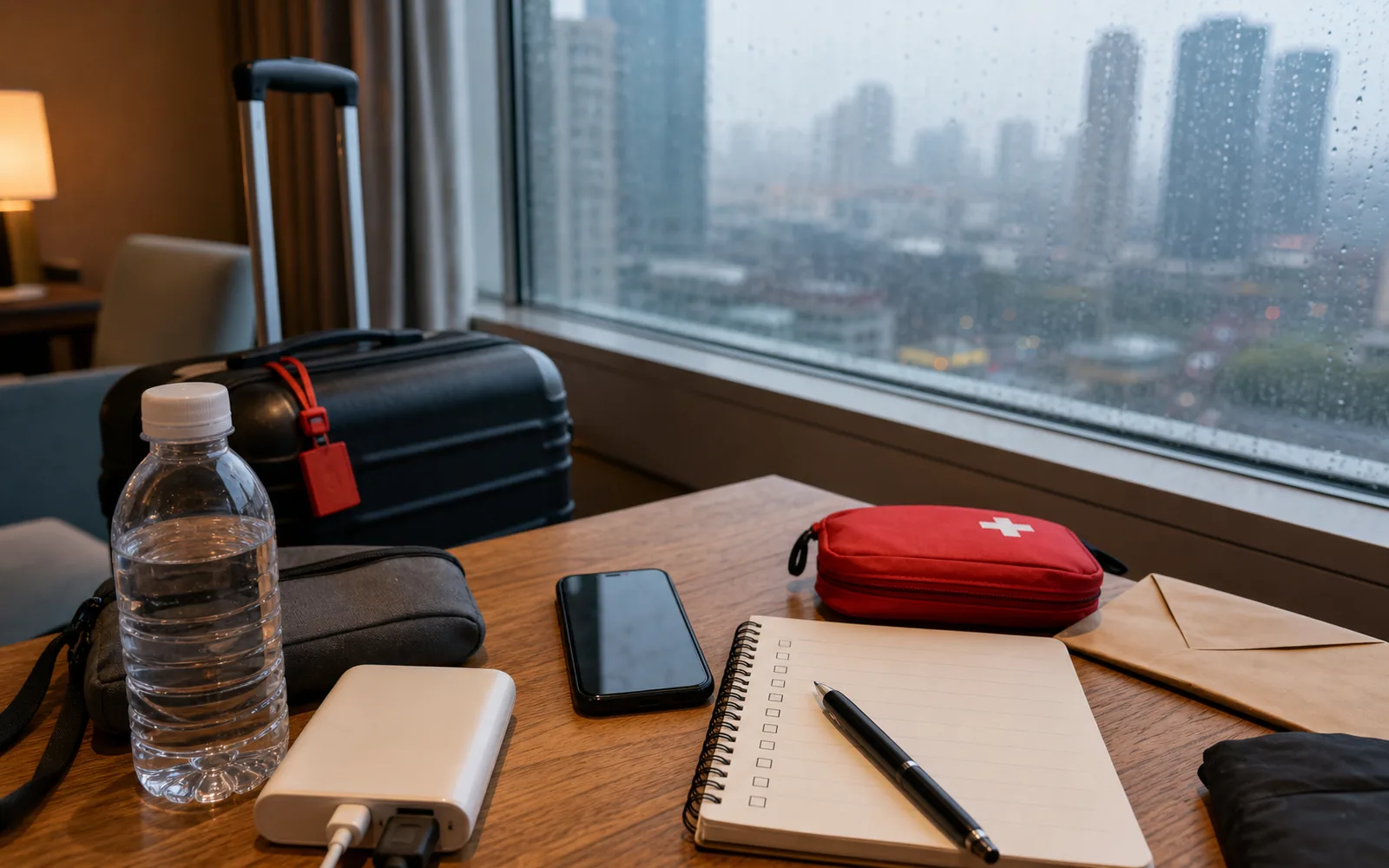
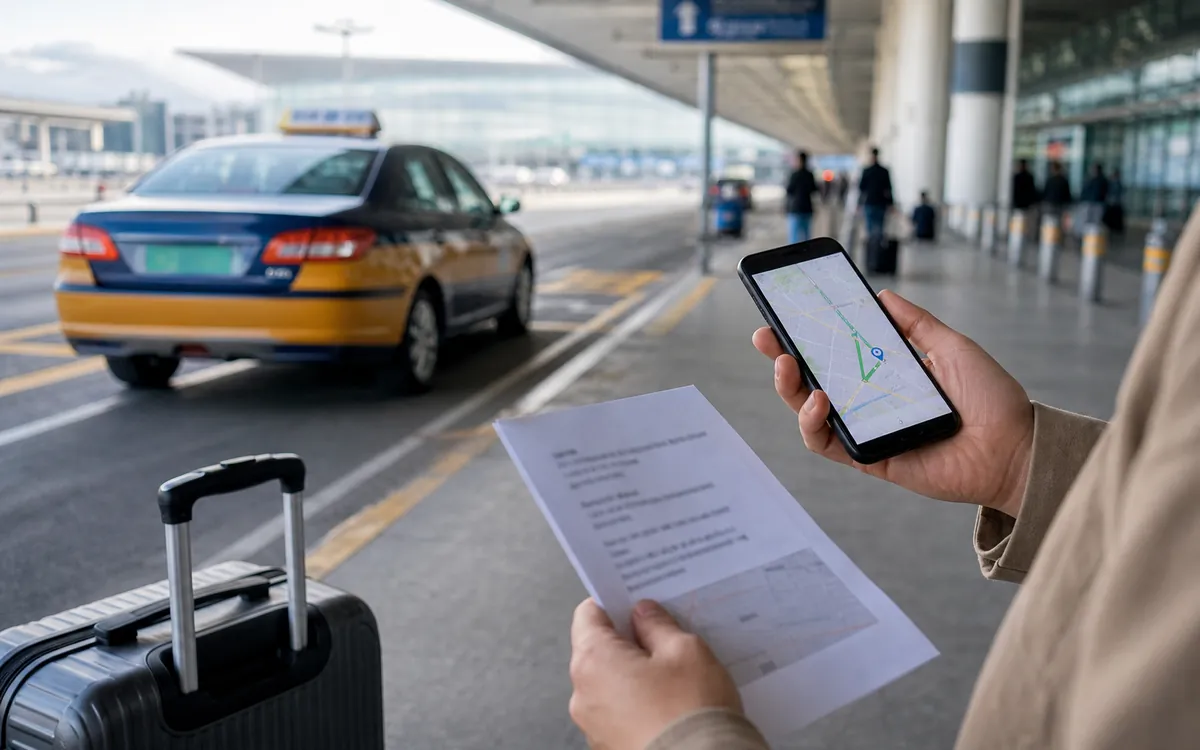

Check entry permission for each side separately, keep your passport ready, allow time for border procedures, and prepare separate payment and mobile-data expectations for Hong Kong, Macau, and the mainland.
Mobility plan
Plan border routes as entry and exit events, not short commutes.
Hong Kong, Macau and mainland China links can be simple, but the travel day still depends on immigration, documents, luggage, onward plans and whether your route resets or changes entry status.
Route purpose
Know whether the crossing is part of a visa-free route, a side trip, a business movement or a same-day transfer.
Document check
Keep passport, entry record, onward booking and hotel details ready before reaching the control point.
Transport handoff
Plan the first transport after the border, not only the border itself. Stations and ports can spread visitors in different directions.
Confirm current entry rules with official sources, especially if your plan depends on visa-free timing or re-entry.
Check phone roaming, payment, maps and destination address before leaving the port or station area.
Entry decision guide
Match passport, route, purpose, stay length and port before booking anything difficult to change.
Safer route
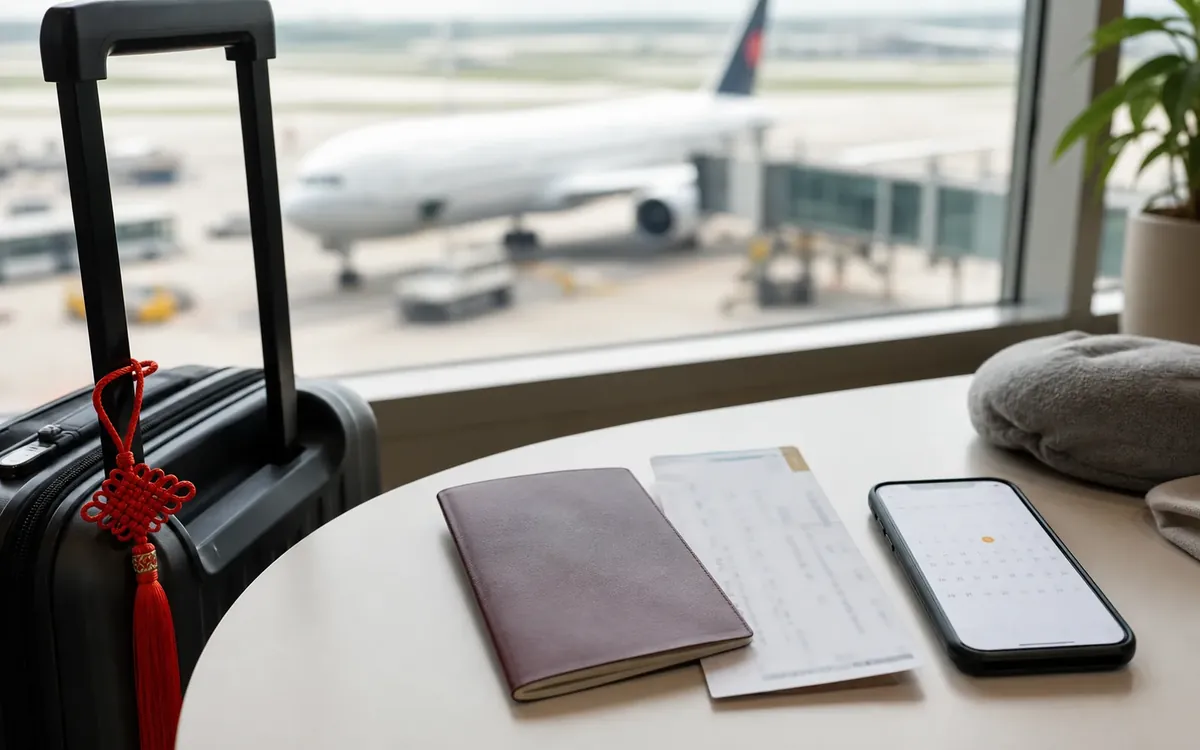
- Verify eligibility against official sources.
- Keep onward tickets and hotel details offline.
- Check airline acceptance before travel day.
Risky route
- Mix transit and destination rules.
- Rely on old screenshots or social posts.
- Book non-refundable plans before confirming entry logic.
 Prepare
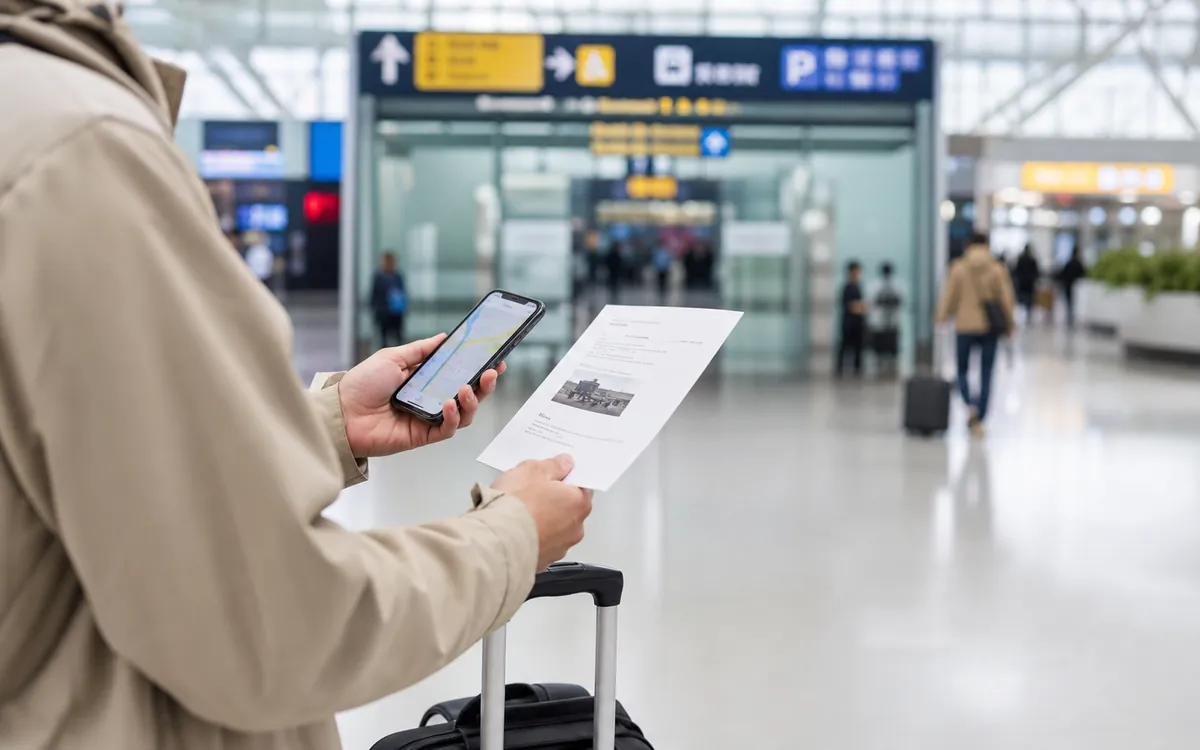
Set up the part that is hard to fix under pressure.
Do this before a station queue, front desk, restaurant rush, supplier visit or late-night transfer narrows your choices.
 Recover
Keep a calm fallback that a local person can understand.
The best backup is simple enough to show: an address, receipt, passport page, route, contact or translated sentence.
Passport, route and official wording
Check the passport rule, permitted route, port name, onward proof, stay area and official notice before relying on a shortcut.

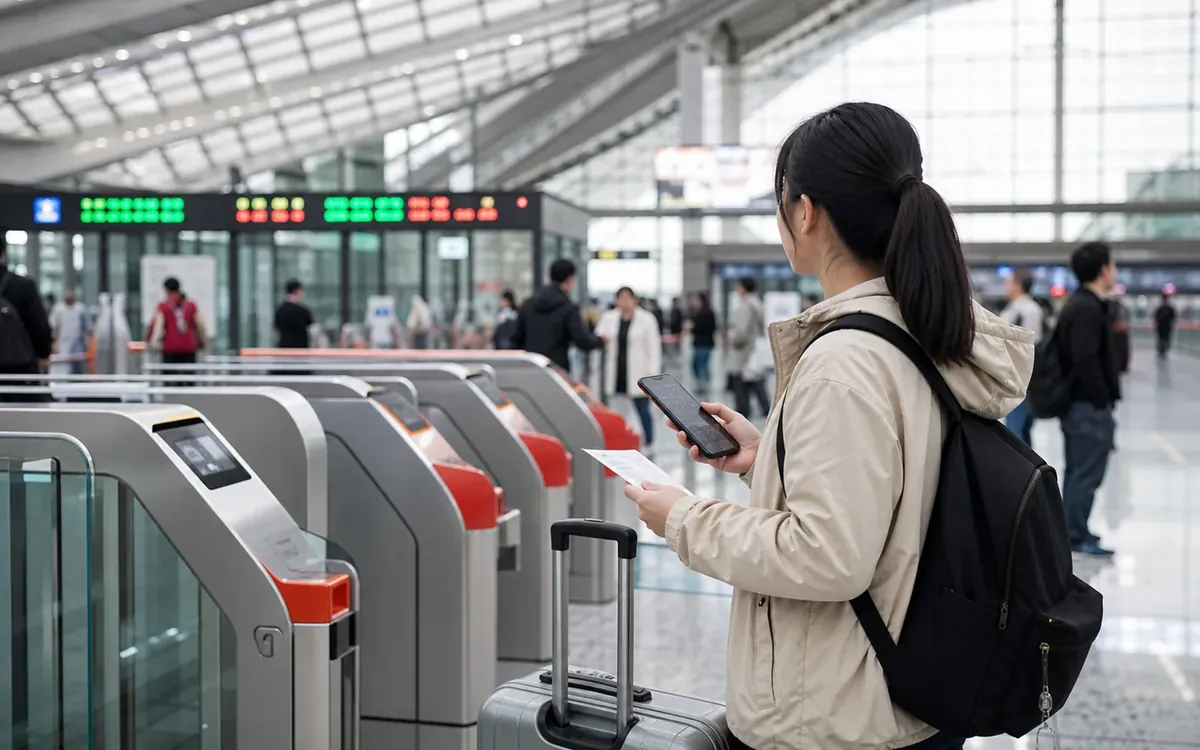

Entry rules differ
Entry rules differ is a practical control point for this topic. Treat it as something to check early, not something to solve under pressure.
Border time needs buffers
Border time needs buffers is a practical control point for this topic. Treat it as something to check early, not something to solve under pressure.
Apps and payment differ
Apps and payment differ is a practical control point for this topic. Treat it as something to check early, not something to solve under pressure.
Different systems
Mainland China, Hong Kong, and Macau have different immigration procedures, currencies, transport systems, and payment habits. A visa-free stay or transit rule in one place does not automatically apply to another.
Documents and eligibility
Check entry separately for mainland China, Hong Kong and Macao using the passport or travel document you will present. Do this for each arrival, including the return leg.
Mainland China
30-day unilateral visa-free entry applies to eligible ordinary passport holders for purposes such as tourism, business, visiting family or friends, exchange and transit. The permitted 30 calendar days count from the day after entry. Check your nationality, purpose and the policy’s expiry before booking. Visa Entry country list · Ministry of Foreign Affairs visa-free entry FAQ.
240-hour visa-free transit applies to eligible ordinary passport holders from 57 countries traveling onward to a different country or region. Check the designated entry port, confirmed onward seat and departure date, permitted stay area and time limit. Border inspection determines admission. National Immigration Administration transit rules and port list.
For 240-hour transit, your ordinary passport must have at least three months of remaining validity. Shanghai border inspection passport guidance.
Complete your entry information declaration following the port’s instructions. The official NIA arrival card service accepts online declarations from 240-hour transit travelers who leave the port. Prepare it before arrival where possible. Its current instructions list eight exemptions:
- Holders of valid Foreign Permanent Resident ID Cards.
- Holders of valid Mainland Travel Permits for Hong Kong and Macao Residents (non-Chinese citizens).
- Travelers on 24-hour direct transit who remain within the port’s restricted area.
- Foreign tour-group members covered by group visa exemption or holding a group visa.
- Foreign crew members, sailors, drivers and other transport staff.
- Cruise passengers entering and departing on the same ship.
- Travelers eligible for the courtesy arrangement of centralized travel-document inspection.
- Foreign nationals entering through border inspection fast lanes.
Check whether an exemption applies to you and follow the port’s declaration and temporary-entry procedures. Whether the port also requires a separate paper temporary-entry arrival card is UNKNOWN; ask the planned entry port or 12367.
Returning to the mainland requires a valid basis for a new entry. A single-entry visa you already used cannot support another entry. If you are relying on a multiple-entry visa, check its expiration date and remaining entries, then check the permitted length of the new stay. If you have no usable entry left, confirm another applicable basis or obtain a new visa before traveling. Chinese embassy guidance on visa validity and entries.
Hong Kong and Macao
- Hong Kong. Look up your passport or travel document, visa or entry permit requirements, and permitted visitor stay. Check again if your itinerary brings you back to Hong Kong. Hong Kong Immigration Department visitor and transit requirements.
- Macao. Check visa exemptions, any entry authorization you need, passport validity, the permitted stay and terms for returning. Macao Public Security Police non-resident entry requirements.
Transport choices
- Hong Kong to Shenzhen by East Rail. The Lo Wu branch connects to Shenzhen’s Luohu Port. The Lok Ma Chau branch connects to Shenzhen’s Futian Port. Futian Port and Futian high-speed rail station are separate locations. Allow for border checks and carry your luggage when transferring. Transport Department access to Lok Ma Chau · Hong Kong immigration control points.
- High-speed rail via Hong Kong West Kowloon. Check stops such as Futian, Shenzhen North (Shenzhenbei) and Guangzhou South (Guangzhounan) when selecting your train. Passengers to and from Hong Kong complete both jurisdictions’ border checks at West Kowloon. Buy tickets under the name on your travel document and bring the original document used for booking. Check the luggage allowance and carry your bags when changing trains. For a separate Shenzhen North–Guangzhou South leg, check the domestic ticket on China Railway 12306. MTR train and fare search · MTR high-speed rail baggage rules · China Railway 12306 ticket search · 12306 passport and luggage guidance.
- Hong Kong to Macao by ferry. Check the exact piers, sailing, boarding document and bag rules. From Sheung Wan, check TurboJET for Macao Outer Harbour or Cotai Water Jet for Taipa. If you check a bag, confirm where to collect it. TurboJET sailings and ticket information · TurboJET luggage rules · Cotai Water Jet sailings, tickets and luggage.
- Hong Kong–Zhuhai–Macao Bridge shuttle bus. Choose the Hong Kong Port–Macao Port or Hong Kong Port–Zhuhai Port route by the place you intend to enter. Check the ticket, terminal and documents for that direction. Ask the operator about your bags before traveling. Shuttle operator schedule (Chinese) · Shuttle operator ticketing notices (Chinese) · Bridge transport, ticket counters and operator contact.
For the Hong Kong Port–Macao Port and Hong Kong Port–Zhuhai Port routes, the baggage rules checked on November 12, 2026 allow full-fare and concessionary ticket holders one free bag weighing no more than 20 kg. Its dimensions must be within 76 × 51 × 32 cm or total no more than 159 cm in length, width and height combined. Obtain staff approval for excess luggage and buy an extra baggage ticket at RMB 29 or HKD/MOP 33 per piece. Oversized or overweight bags may be refused. The Hong Kong Airport bonded-bus line follows separate passenger and baggage rules. Shuttle passenger rules (Chinese) · Shuttle baggage charge notice (Chinese).
The complete online ticket purchase process remains UNKNOWN. Check the operator’s current notices or contact ticketing before relying on online purchase.
- Macao to Zhuhai by land. Check the Border Gate–Gongbei crossing or the Hengqin crossing. Verify the direction and entry requirements on both sides. If continuing by bus or rail, check where you need to carry, collect or recheck luggage. Macao Government Tourism Office land routes.
For 240-hour transit, use the designated mainland entry list. It includes West Kowloon, Hengqin and the bridge’s Zhuhai road port. Luohu, Futian Port and Gongbei are regular crossings for travelers with another applicable basis for mainland entry. Check the entry and exit points against the official list and your actual tickets. National Immigration Administration port and permitted area table.
Payment and phone differences
Hong Kong and Macau have different currencies and more international-card use in some contexts. Mainland China is more QR-payment-first. Your SIM, roaming, and app access may behave differently across the border.
Itinerary buffers
Do not schedule a tight same-day meeting or flight immediately after a border crossing. Queues, station layout, ticketing, and document checks can take longer than expected.
Route A · Hong Kong → Shenzhen → Guangzhou → Hong Kong
Check Hong Kong entry for the first visit and the return. Enter the mainland for Shenzhen, travel onward to Guangzhou, then take a confirmed train back to Hong Kong West Kowloon. Hong Kong is the last region before mainland entry and the first after mainland exit. This loop fails the third-destination condition for 240-hour visa-free transit. A traveler may still qualify for 30-day unilateral visa-free entry or use a valid visa with an entry remaining. If you return to the mainland after Hong Kong, check the entry basis again. Entry and visa checks · Beijing government example of the third-destination rule.
Route B · Hong Kong / Macao → Mainland China → Hong Kong / Macao
Write down the regions immediately before and after the mainland stay. Hong Kong → mainland → Hong Kong and Macao → mainland → Macao both fail the third-destination condition. With Hong Kong and Macao on opposite ends, the route may meet the third-destination condition. Check all the other requirements below before booking.
Check the 57-country list, your ordinary passport, the designated entry port and the planned exit port, a confirmed onward seat and departure date, and the permitted stay area and time limit. Check entry to the onward region and present the itinerary for border inspection. Without the traveler’s passport details, dates, ports and tickets, individual 240-hour transit eligibility is NOT CONFIRMED. Confirm with the planned mainland entry port or China Immigration Service at 12367 before relying on this route. Official transit eligibility and port table · Entry rules for the onward region.
Crossing Between Mainland China, Hong Kong, and Macau checklist
- Write each entry to and exit from mainland China, Hong Kong and Macao in order, with the date and exact port or station.
- Record which visa or exemption you will use for each mainland entry. Check visa validity and remaining entries.
- Carry your original passport and required documents. Save passport and visa details, train and ferry tickets, and hotel confirmations where you can reach them offline.
- For each leg, check whether you carry bags yourself, collect checked luggage, go through security again or check bags in again. Allow time to transfer between terminals or stations.
- Save addresses and contact numbers on both sides of the border. Confirm roaming or eSIM coverage and prepare a backup for data and payment in the next region.
- Before each departure, recheck the official entry rules and operator notices for that leg.
Mistakes to avoid with Crossing Between Mainland China, Hong Kong, and Macau
- Treating Hong Kong and mainland rules as identical
- Booking tight border-to-flight transfers
- Forgetting currency differences
- Using the wrong station
- Assuming one SIM/data setup works the same everywhere
When Crossing Between Mainland China, Hong Kong, and Macau needs local help
Ask airline staff, border staff, embassy or consulate channels, hotel staff or a trusted local contact when the route or document wording is unclear. Save the official source and your itinerary together.