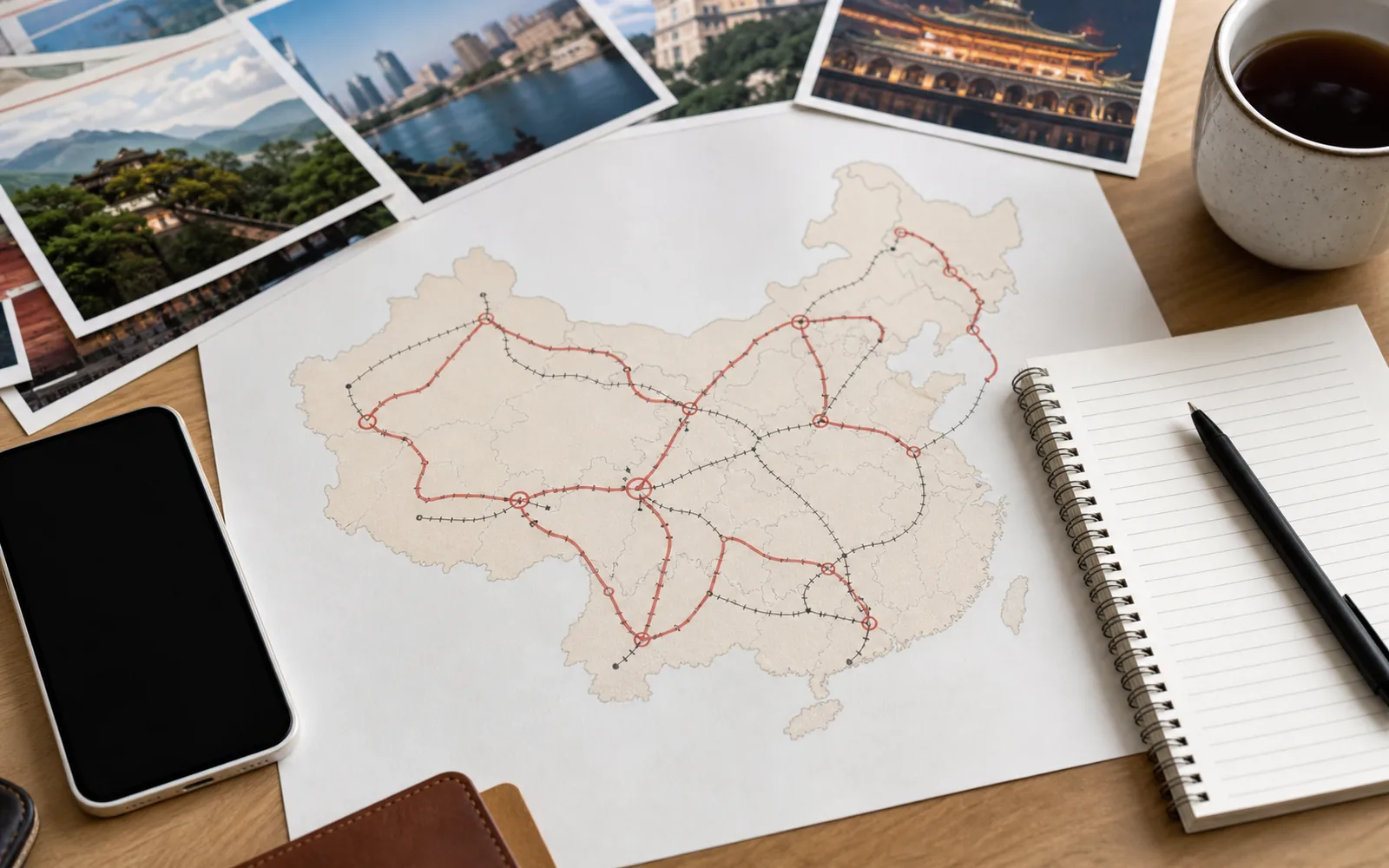

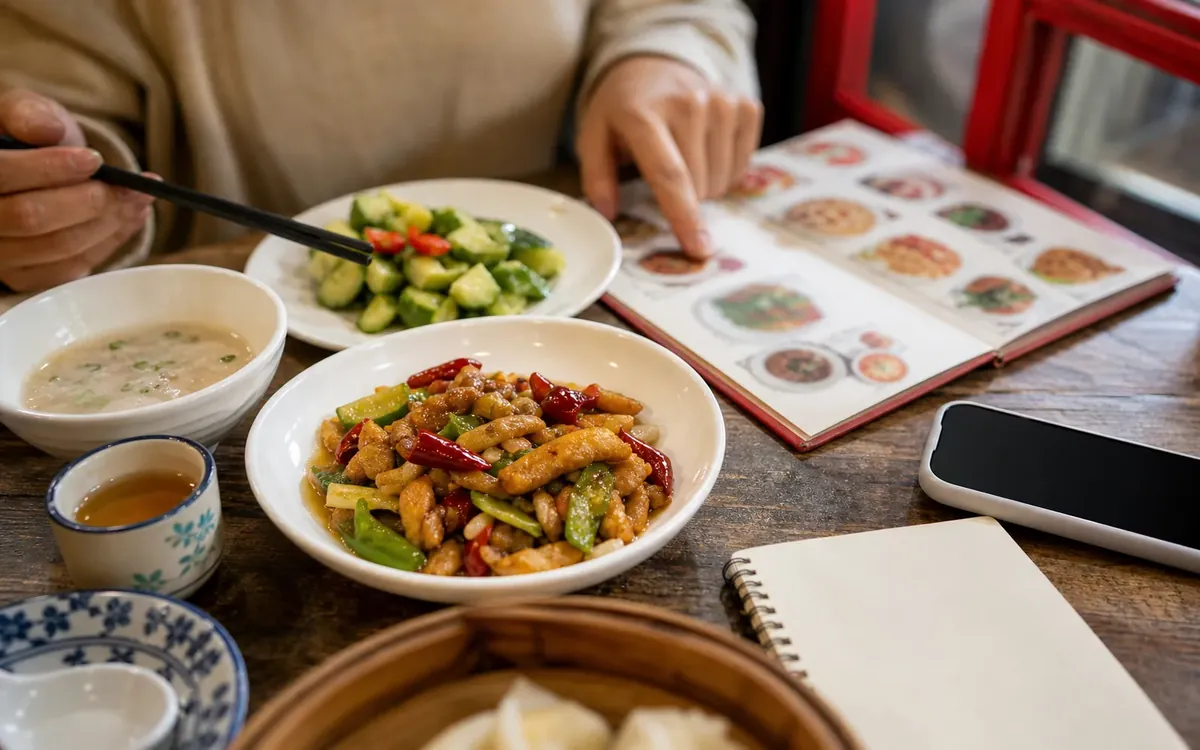

The most useful culture skill in China is situational awareness: notice who is hosting, who decides, how formal the setting is, which app or document controls the process, and whether the issue is actually culture or just logistics.
Culture plan
Read the situation before reading the rule.
Chinese culture is easier to navigate when you identify the setting first: who is hosting, how formal the moment is, what practical system is involved and whether the issue is relationship, logistics or documentation.
Social setting
At meals, introductions or invitations, watch who is hosting, who pays, who orders and whether the group expects modest participation or active contribution.
Service setting
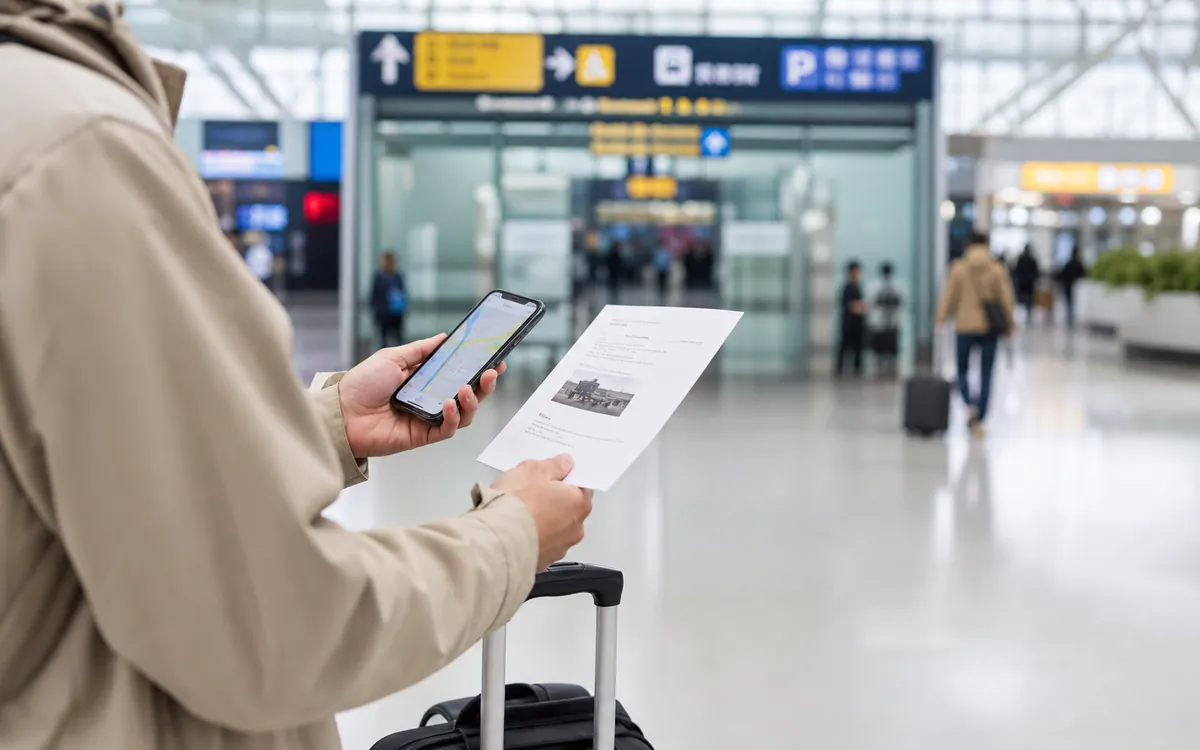
At hotels, stations, hospitals or counters, many awkward moments are process problems. Prepare documents, Chinese text and patience before treating it as personal conflict.
Work setting
At offices or meetings, roles, hierarchy, written follow-up and timing often matter more than expressive agreement in the room.
Ask whether the issue is language, payment, document rules, face-saving, hierarchy, timing or simply an unfamiliar app workflow.
Slow down, mirror the host or staff, ask one practical question at a time and move sensitive corrections into a private written follow-up.
Culture decision guide
Most misunderstandings are easier to prevent when you know what the other side may be optimizing for.
Safer approach
- Observe first and ask simple questions.
- Keep gifts, timing and dining expectations modest.
- Separate personal preference from local convention.
Risky approach
- Assume silence means agreement.
- Overinterpret one awkward moment.
- Treat every city or workplace as the same.
 Before the moment
Mark the one choice Culture basics for practical situations needs to settle.
Before the moment
Mark the one choice Culture basics for practical situations needs to settle.
Turn the page into a short checklist: what to show, what to save, and what to do if the first answer does not work.
 After the first try
Write down what changed on the ground.
After the first try
Write down what changed on the ground.
China travel details shift by city, venue and staff interpretation, so keep screenshots and names beside the the first real-world decision this page is meant to support notes.
Phone, maps and translation
Keep navigation, messaging and payment systems working from arrival day.

 Payments
Routine, timing and local support
Payments
Routine, timing and local support
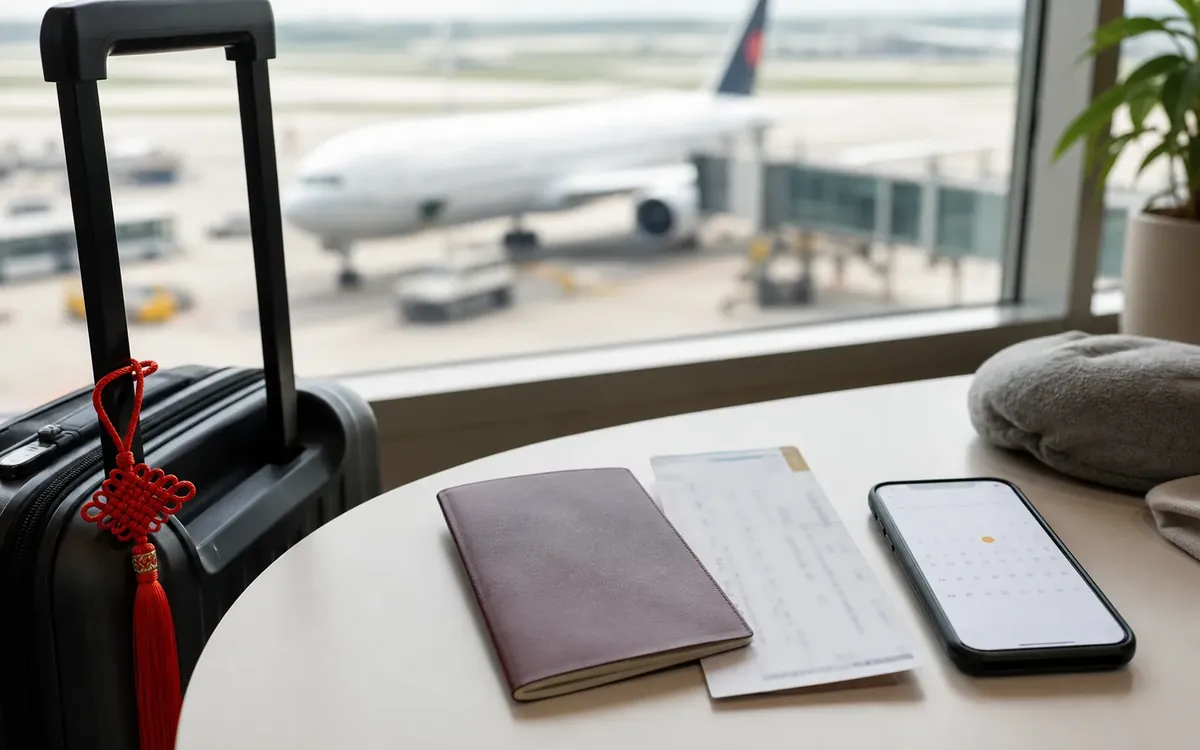 Entry
Entry rules before booking
Entry
Entry rules before booking
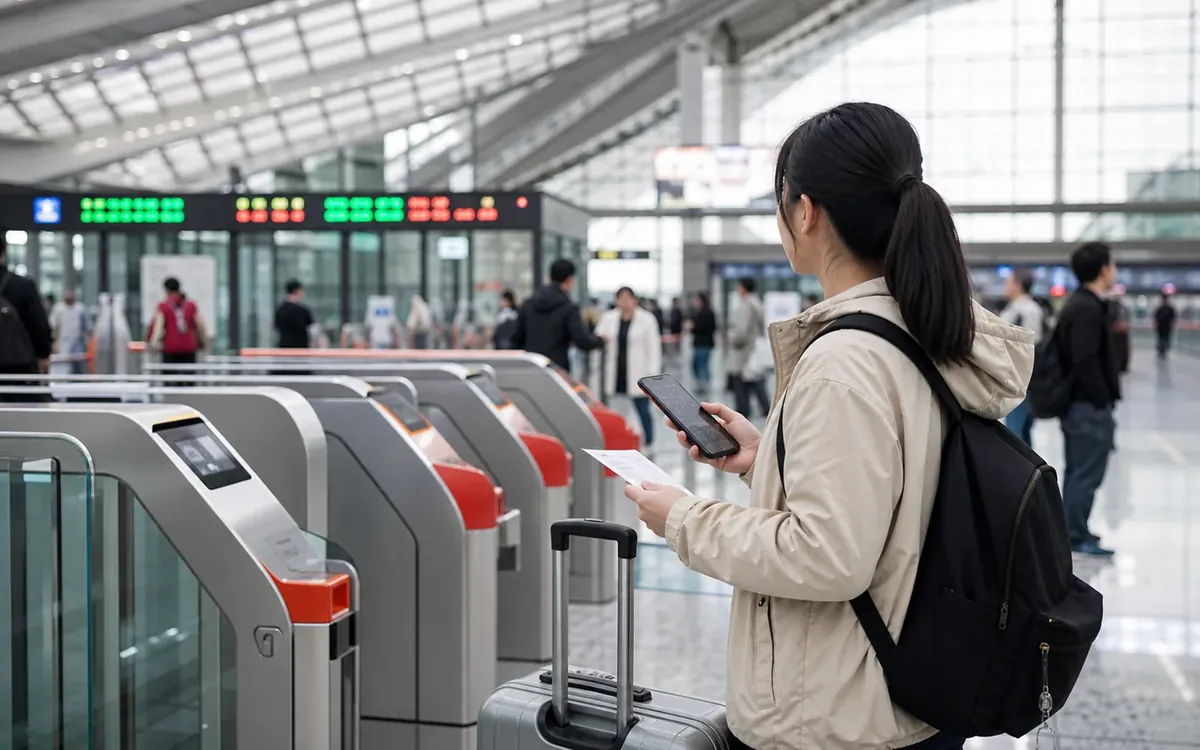 Transport
Rail and city transfers
Transport
Rail and city transfers
How to use Culture basics for practical situations
Culture pages avoid stereotypes and focus on observable situations: meals, holidays, meetings, gifts, timing, communication, and what foreigners often misread.
Do not turn culture into stereotypes: China is large, urban and rural experiences differ, generations differ, industries differ, and individual people differ. Use culture as a question framework, not a fixed script.
Five practical principles
These principles explain more real situations than memorizing long etiquette lists.
Dining, hosting, and gifts
Meals can be casual, social, family-oriented, or business-critical. Let the host guide formal situations, state dietary needs early, and avoid treating the bill, gift, or toast as a contest unless you understand the setting.
- For shared dishes, take modest portions first and follow the table rhythm.
- For allergies, halal, vegetarian, medical, or religious limits, say so before ordering starts.
- For business meals, move important price, contract, or delivery points into written records afterward.
- For gifts, keep them modest, thoughtful, and compliant with company rules.
Communication and WeChat
WeChat can be the fast coordination layer for daily life and business. That does not mean every message is a final record. Use short messages, clear questions, and written summaries when stakes are high.
Good for chat
Location, quick changes, introductions, short questions, meeting time, and social follow-up.
Needs record
Price, invoice, contract, deadline, work scope, visa, housing, school, or medical instructions.
Useful habit
After a meeting, summarize agreed points, open questions, owner, and date.
Workplace and business expectations
Meetings may involve relationship-building, context-sharing, internal alignment, or formal decision-making. Decision authority may not belong to the person speaking most. When money, deadlines, quality, or immigration status is involved, clarify the chain.
- Ask who owns the next step and who needs to approve it.
- Ask whether the decision is final or still needs internal review.
- Use respectful disagreement: explain risk, evidence, and options.
- Do not assume silence means agreement.
- Do not confuse hospitality or friendly tone with final commercial commitment.
Holidays, crowds, and travel timing
Holidays are culture, logistics, family life, transport pressure, and business timing all at once. Spring Festival, National Day, Labor Day, and adjusted workdays can change the entire experience of travel or paperwork.
- Check the official holiday calendar before booking major routes.
- Expect trains, flights, hotels, attractions, and restaurants to be stressed during peak holidays.
- Avoid scheduling visa, banking, school, factory, or government tasks right before a major holiday.
- Remember that some weekends become adjusted working days.
Public space and everyday behavior
Public behavior can feel different because city density, infrastructure, app workflows, security checks, and service speed are different. Do not jump too quickly from "different" to "rude" or "wrong."
Service style and problem-solving
China can feel extremely efficient in mobile payment, delivery, trains, and app services, but some issues still require the right office, document, ID check, or working day. Staff may be helpful but constrained by the system they use.
- If something fails, ask what exact step, document, system, or office is missing.
- Use Chinese names for hotels, stations, companies, schools, hospitals, and addresses.
- Carry passport and booking details when real-name systems are involved.
- Ask your hotel, school, employer, host, or local friend to write key instructions in Chinese when stakes are high.
Sensitive topics
Context matters when discussing politics, law, religion, social issues, personal income, family matters, or workplace disputes. Public settings, business meetings, classrooms, and casual dinners do not all invite the same conversation.
- Do not pressure people into public disagreement.
- Keep official, school, and business interactions focused on the task.
- If a topic feels sensitive, ask practical questions rather than argumentative ones.
- Respect that someone may not want to discuss certain topics with a new foreign acquaintance.
Common misunderstandings
The biggest trap is treating one experience as the whole country. A more useful question is: what exactly is happening here?
Too broad
"Is this Chinese culture?"
Better
"Is this an app, language, payment, document, timing, or approval problem?"
Best
"Who can confirm the next step, and what backup should I use if this method fails?"
How to ask better questions
People can help you faster when your question contains city, date, purpose, document, route, app, or relationship context.
- Instead of "Can foreigners use payment in China?", ask "Which payment backup should I carry after landing in Shanghai?"
- Instead of "Are Chinese meetings indirect?", ask "Who needs to approve this price before it is final?"
- Instead of "Is China crowded?", ask "Should I visit this attraction during National Day?"
- Instead of "Can I eat vegetarian?", ask "Can this restaurant avoid meat, seafood, and meat broth?"