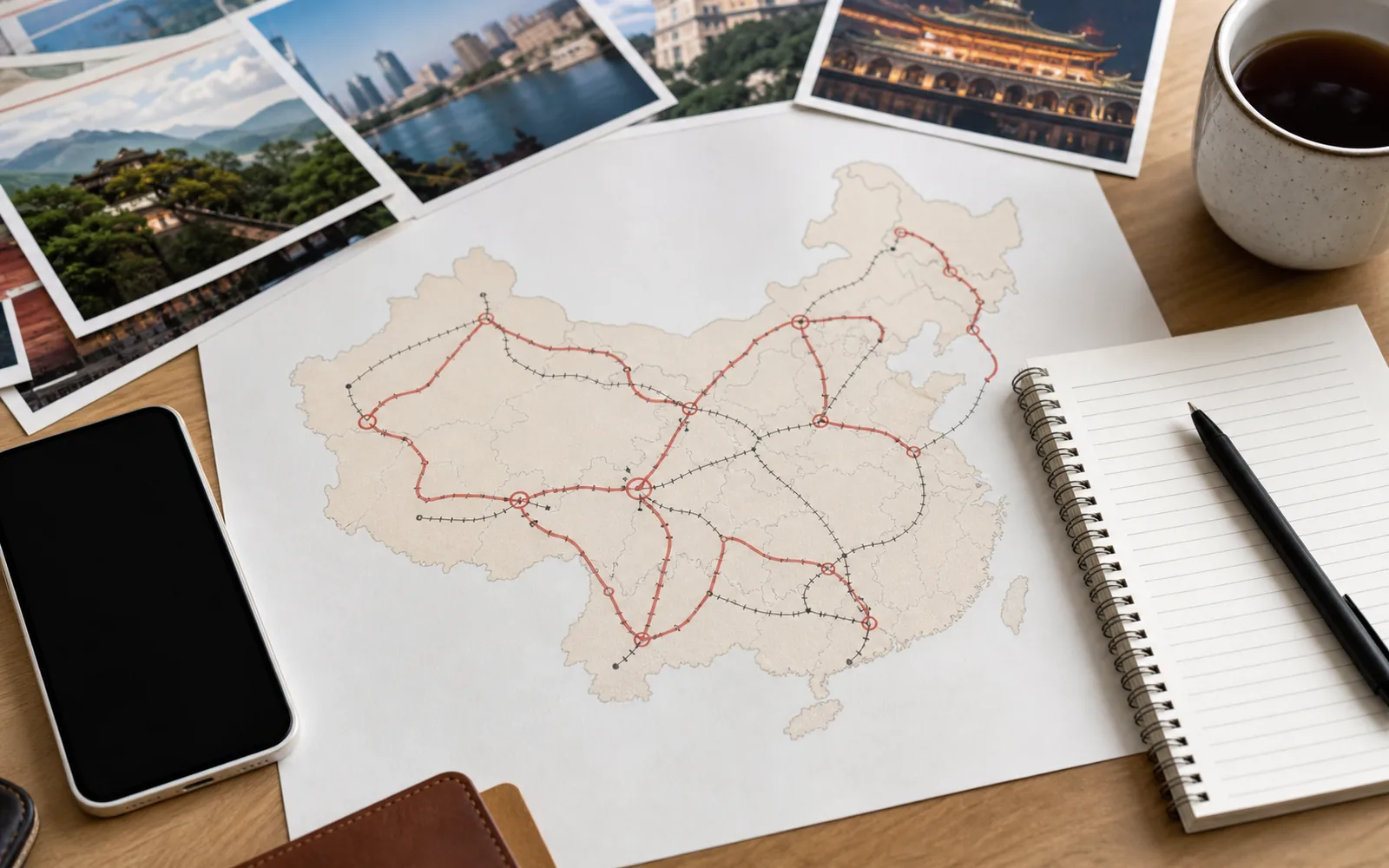

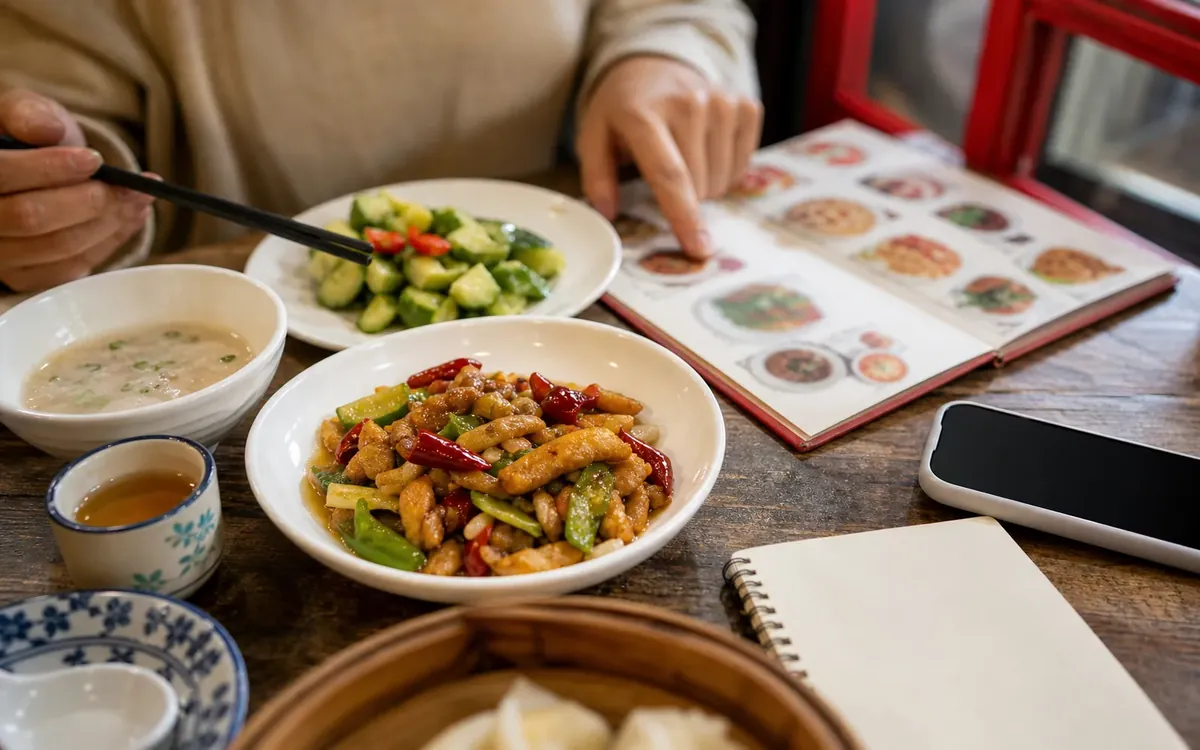

The safest mental model is: China is not one operating system. Before deciding what "China" is like, ask which city, rule, merchant, app, institution, route, date, relationship, and document you are dealing with.
Culture decision guide
Most misunderstandings are easier to prevent when you know what the other side may be optimizing for.

Safer approach
- Observe first and ask simple questions.
- Keep gifts, timing and dining expectations modest.
- Separate personal preference from local convention.
Risky approach
- Assume silence means agreement.
- Overinterpret one awkward moment.
- Treat every city or workplace as the same.
 Before the moment
Mark the one choice What foreigners misunderstand about China needs to settle.
Before the moment
Mark the one choice What foreigners misunderstand about China needs to settle.
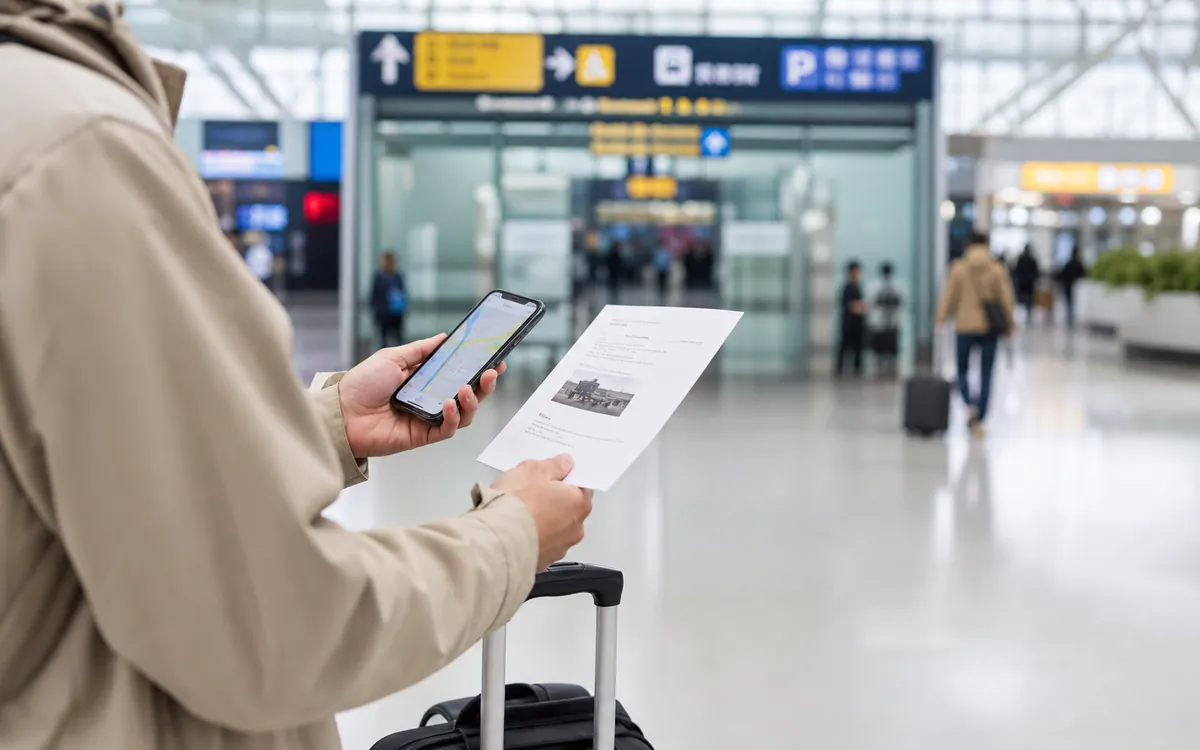
Turn the page into a short checklist: what to show, what to save, and what to do if the first answer does not work.
 After the first try
Write down what changed on the ground.
After the first try
Write down what changed on the ground.
China travel details shift by city, venue and staff interpretation, so keep screenshots and names beside the the first real-world decision this page is meant to support notes.
Routine, timing and local support
Check the one setup step that unlocks the day, the local phrase or address, and who can help if the routine fails.
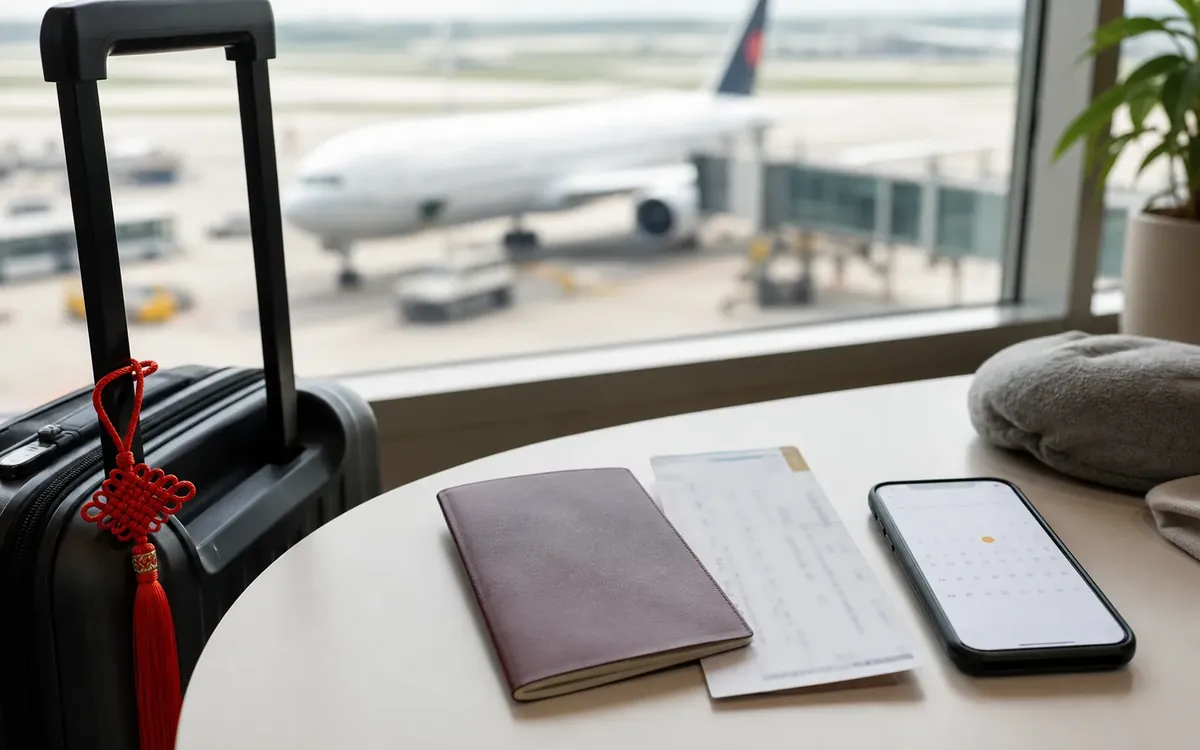 Entry
Entry rules before booking
Entry
Entry rules before booking
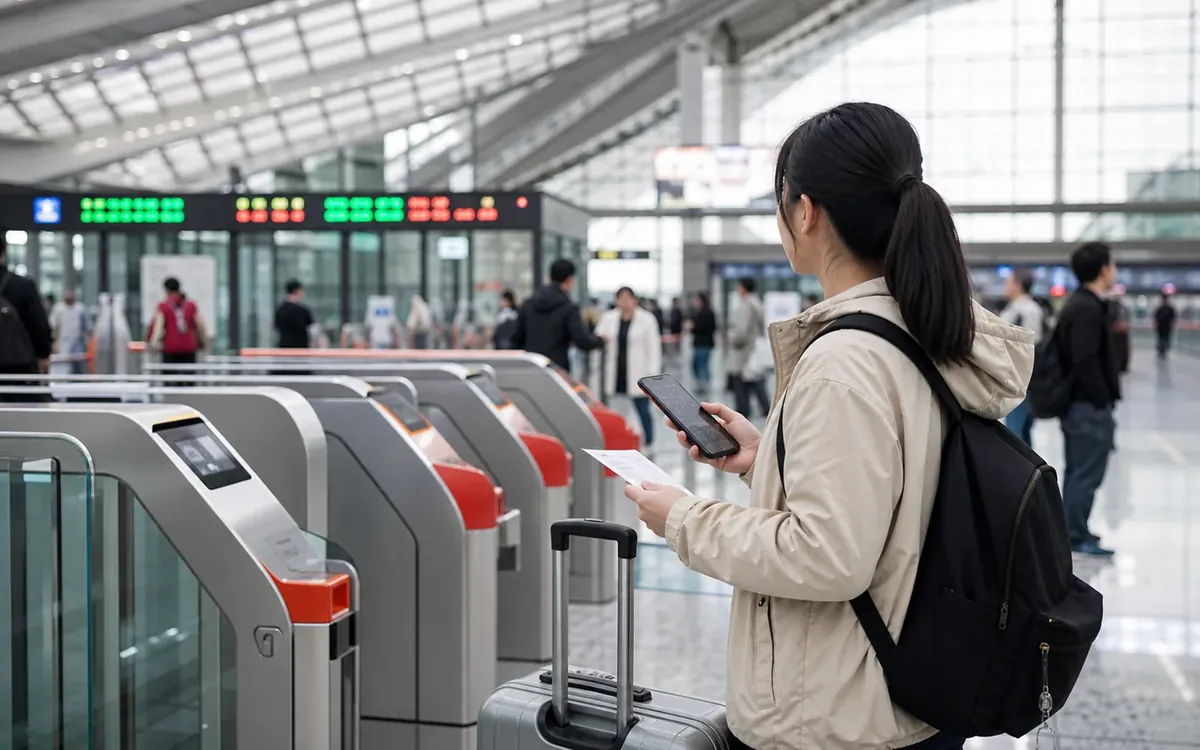 Transport
Rail and city transfers
Transport
Rail and city transfers
 Apps
Phone, maps and translation
Apps
Phone, maps and translation
Use this page as a correction tool: when something in China feels confusing, first check whether the problem is payment setup, language, local process, timing, documentation, app design, or an assumption from home.
Misunderstanding 1: China works as one system
Many foreigners hear one story about Beijing, Shanghai, Shenzhen, a small town, a university, a factory, or a tourist site and then treat it as national truth. That creates bad plans.
Wrong model
"My friend did this in one city, so it works everywhere."
Better model
"This may vary by city, district, app, institution, and date."
Action
Ask the local host, hotel, school, employer, merchant, or official source for the exact situation.
Misunderstanding 2: apps are optional extras
For many daily tasks, apps are infrastructure: payment, taxis, delivery, maps, tickets, translation, reservations, customer service, hospital registration, and train planning. You do not need to master every app, but phone data and basic app readiness change the entire trip.
- Set up mobile data, translation, maps, and payment before you need them urgently.
- Expect QR codes, mini programs, SMS verification, and real-name systems in some contexts.
- Keep passport, hotel address, emergency contacts, and payment backups available offline.
- Do not assume a web browser can replace local app workflows.
Misunderstanding 3: cards or cash solve everything
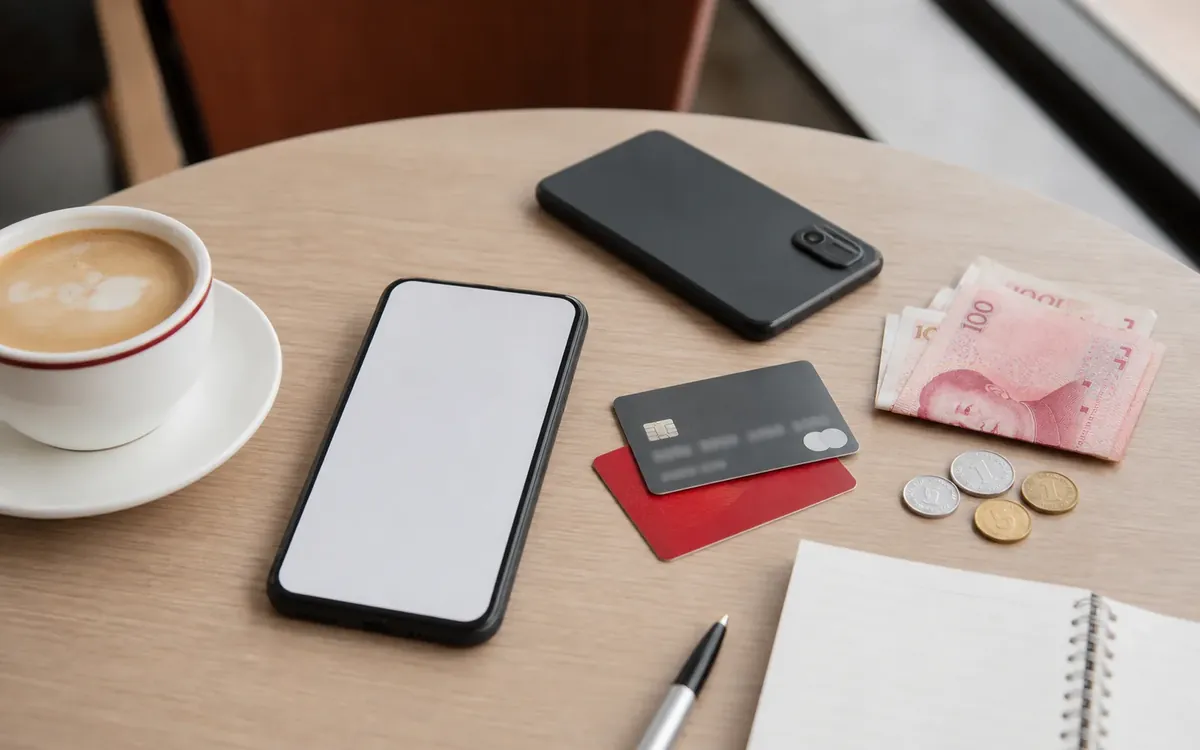
Foreign cards work in some hotels, malls, and chains, and fail in many everyday settings. Cash is useful and legal tender, but many daily experiences are designed around mobile payment. The best approach is layered payment, not one perfect method.
- Prepare Alipay or WeChat Pay if possible.
- Carry RMB cash as a backup, especially after arrival.
- Keep a foreign card for hotels, online bookings, and emergencies.
- Test payment with a small purchase before relying on it for taxis, meals, rail, or hotels.
- If payment fails, ask whether the issue is app setup, merchant type, card routing, network, limit, or identity verification.
Misunderstanding 4: big cities and small cities feel the same
City tier matters, but not in a simple "better or worse" way. Some smaller cities are easy, modern, and friendly; some big-city districts are confusing if you choose the wrong location. Logistics depend on airport distance, rail station choice, metro coverage, English support, hotel rules, and your purpose.
Misunderstanding 5: rules are always obvious at the front desk
Some important rules are not obvious until a document is checked: hotel foreign-guest registration, visa validity, residence permit timing, train ticket identity checks, attraction passport booking, invoices, health insurance, banking, or school paperwork.
- Read the rule before you travel, not at the counter.
- Carry passport details consistently across bookings.
- For visa, banking, work, study, or housing matters, keep copies of documents and deadlines.
- When a staff member says "cannot," ask what document, system, office, or alternative process is needed.
Misunderstanding 6: English support means the process is English-friendly
An employee may speak English while the system, form, invoice, app, or booking rule remains Chinese-first. Translation helps, but structure helps more.
- Save Chinese names for hotels, addresses, stations, hospitals, schools, companies, and attractions.
- Use short written questions and screenshots when translation is difficult.
- Confirm dates, prices, station names, and addresses in writing.
- Ask your hotel, host, employer, or school to write key phrases in Chinese when stakes are high.
Misunderstanding 7: culture explains everything
Culture matters, but it is not always the cause. Sometimes a situation is about app design, staffing, local policy, payment routing, document rules, security checks, translation, hierarchy, or timing.
Too broad
"Is this Chinese culture?"
More useful
"Which process is blocking this?"
Best
"What exact step, document, person, or system is needed next?"
Misunderstanding 8: polite communication equals final agreement
Friendly tone, a positive meeting, or a quick WeChat reply may mean interest, respect, or willingness to continue. It does not always mean final approval, fixed price, signed contract, confirmed delivery, or official permission.
- Ask who needs to approve the decision.
- Write a summary after meetings.
- Separate relationship-building from commercial commitment.
- Move prices, specifications, payment terms, and delivery dates into durable records.
Misunderstanding 9: transport is simple because trains are fast
China's high-speed rail and metro systems are excellent, but a fast train does not make a route simple. Station choice, passport ticket checks, luggage, taxis, transfers, holiday demand, and last-mile transport still matter.
- Check exact station names: north, south, east, west, main station, or airport station.
- Add buffers for security, ticket checks, station walking distance, and pickup zones.
- During holidays, book earlier and avoid complicated same-day connections.
- For first arrival, choose the calm route over the clever route.
Misunderstanding 10: fast service means every problem is instantly solvable
China can feel extremely fast for delivery, trains, mobile payment, construction, and app-based services. But document-heavy issues can still require the right office, working day, system window, stamp, identity check, or approval path.
Misunderstanding 11: every topic is equally easy to discuss
Foreign visitors should use judgment around sensitive political, legal, social, religious, business, or personal topics. Context matters: who is present, whether the setting is public or private, whether the topic is necessary, and whether the other person wants the conversation.
- Do not push people into uncomfortable public conversations.
- Keep business, school, and official interactions focused on the task.
- When unsure, ask practical questions rather than broad argumentative ones.
- Respect that some people may prefer not to discuss certain topics with a foreigner they just met.
A better way to ask questions
The better the question, the better the help you get. Replace broad China questions with context-rich, action-oriented questions.
Too broad
"How does China work?"
Better
"How do I pay for taxis in Shanghai as a foreign visitor?"
Best
"What backup should I carry if WeChat Pay fails after landing at Shanghai Pudong?"
Practical correction checklist
When something does not work, run this checklist before assuming the worst.
- Is this a city, district, merchant, app, date, or document-specific issue?
- Is the problem identity verification, payment routing, language, network, or policy?
- Is there a Chinese name, address, phone number, QR code, or official account I need?
- Is today a holiday, weekend, adjusted workday, or after business hours?
- Do I need a local host, hotel, school, employer, bank, or official source to confirm?
- What is the calm backup plan if this exact method fails?