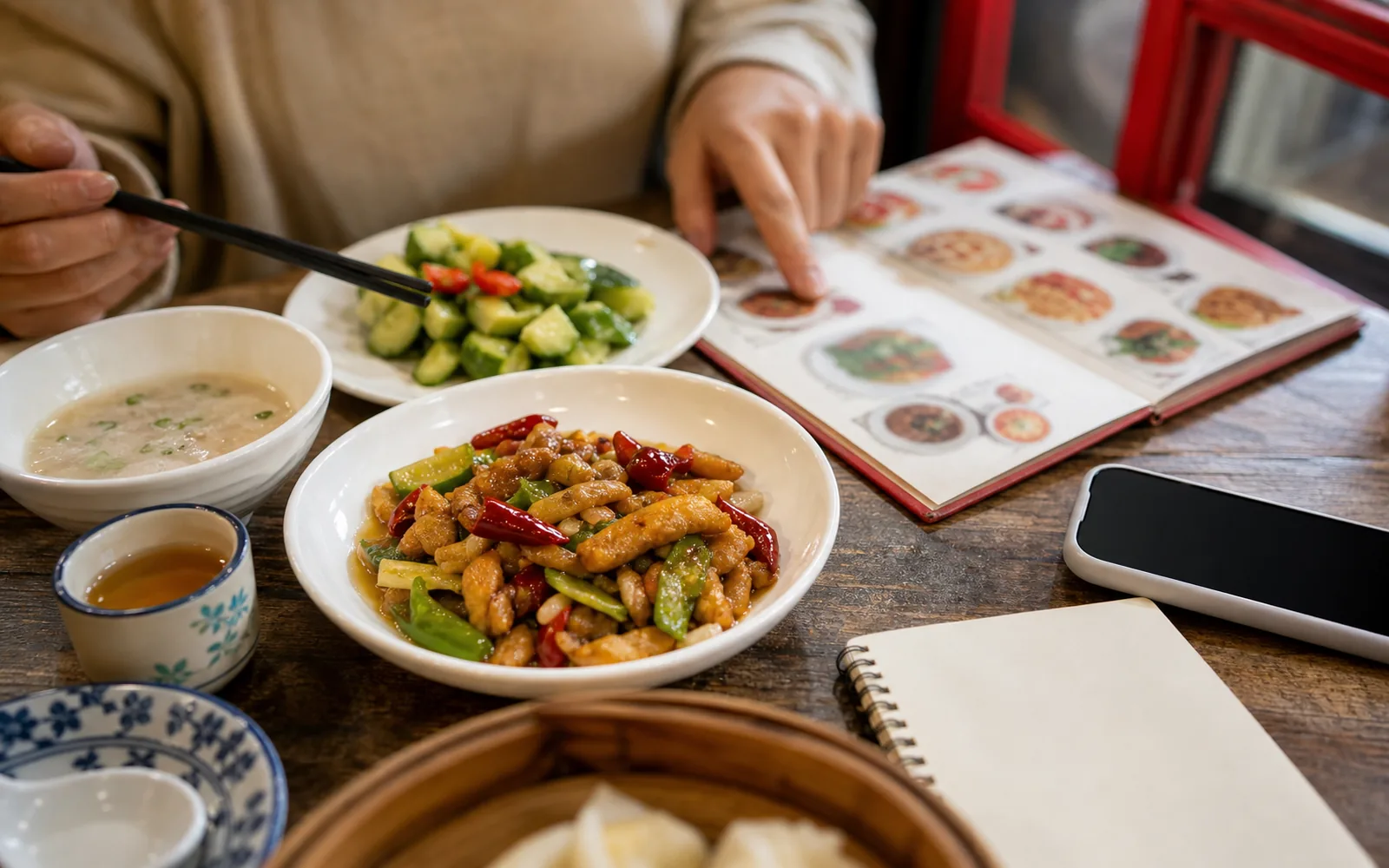


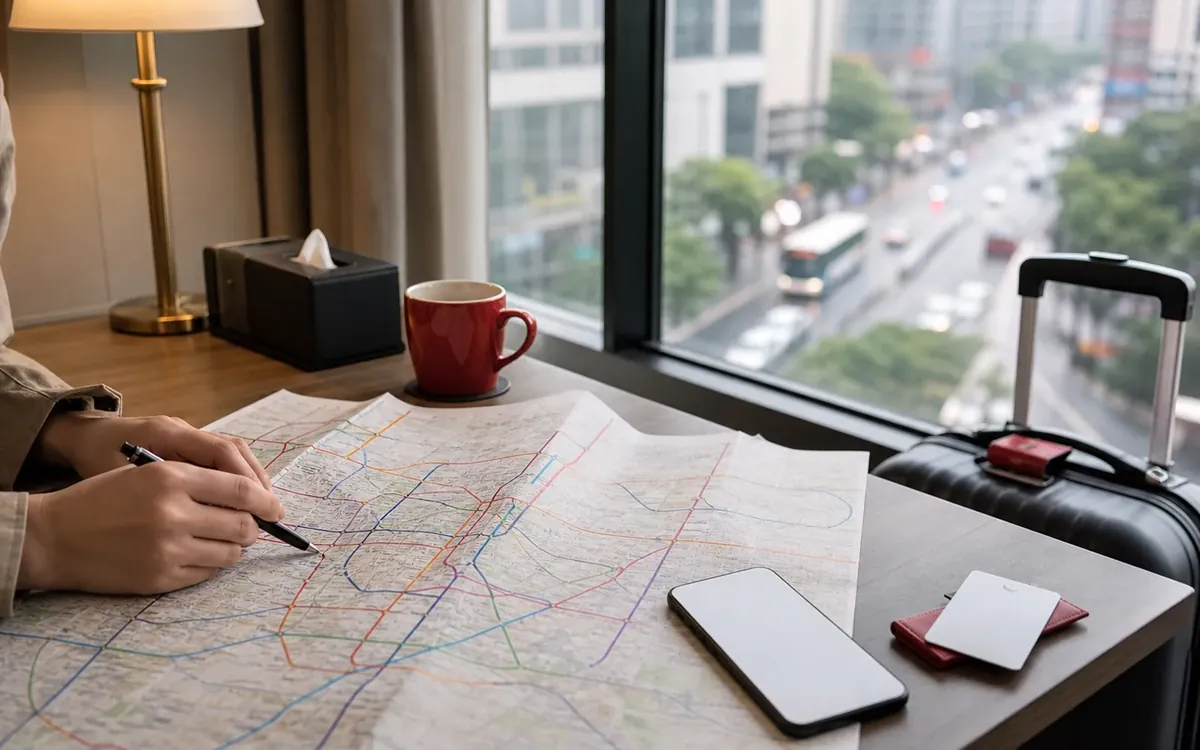
In China, meals often carry relationship meaning. Be observant, let the host guide formal situations, state dietary limits early, keep alcohol boundaries calm, avoid forcing the bill in public, and remember that hospitality is not the same as final business agreement.
Field plan
Use etiquette as a low-pressure way to avoid awkward moments.
Most visitors do not need perfect etiquette. They need to know who is hosting, how dishes are shared, when to follow the group and when not to create extra attention.
Hosted meal
Let the host guide seating, ordering, toasts and payment unless they clearly invite a casual approach.
Shared dishes
Take modest portions, rotate choices, and avoid treating shared plates like individual servings.
Business setting
Keep alcohol, gifts, receipts and bill handling aligned with company policy and the inviter relationship.
Mirror the group pace, offer once, accept simple guidance and avoid over-apologizing for small mistakes.
Prepare dietary limits, transport home, reimbursement rules and a polite exit plan before the meal starts.
Food decision guide
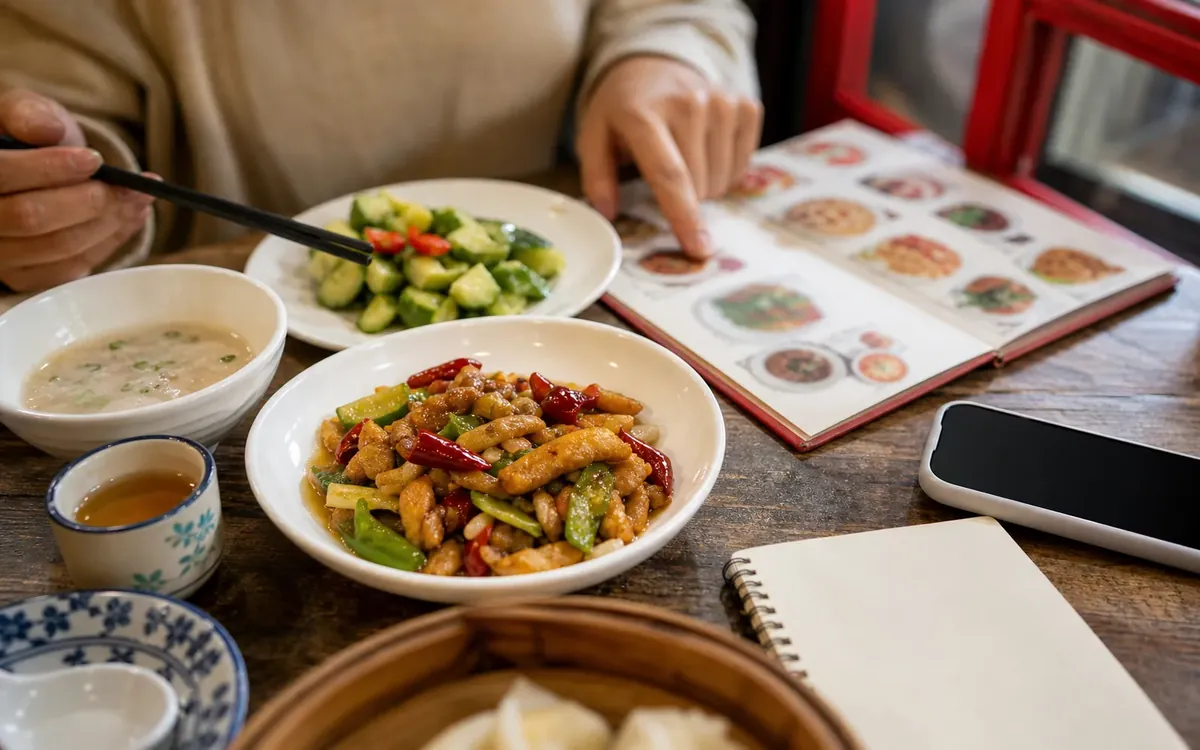
Restaurant friction usually comes from menus, allergies, payments and peak timing, not the food itself.
Safer meal plan
- Save dietary notes in Chinese.
- Choose busy but readable restaurants.
- Keep QR payment and cash backup ready.
Risky meal plan
- Assume staff can parse complex English requests.
- Arrive at peak hour without a backup.
- Ignore allergy or ingredient translation.
 One thing to confirm
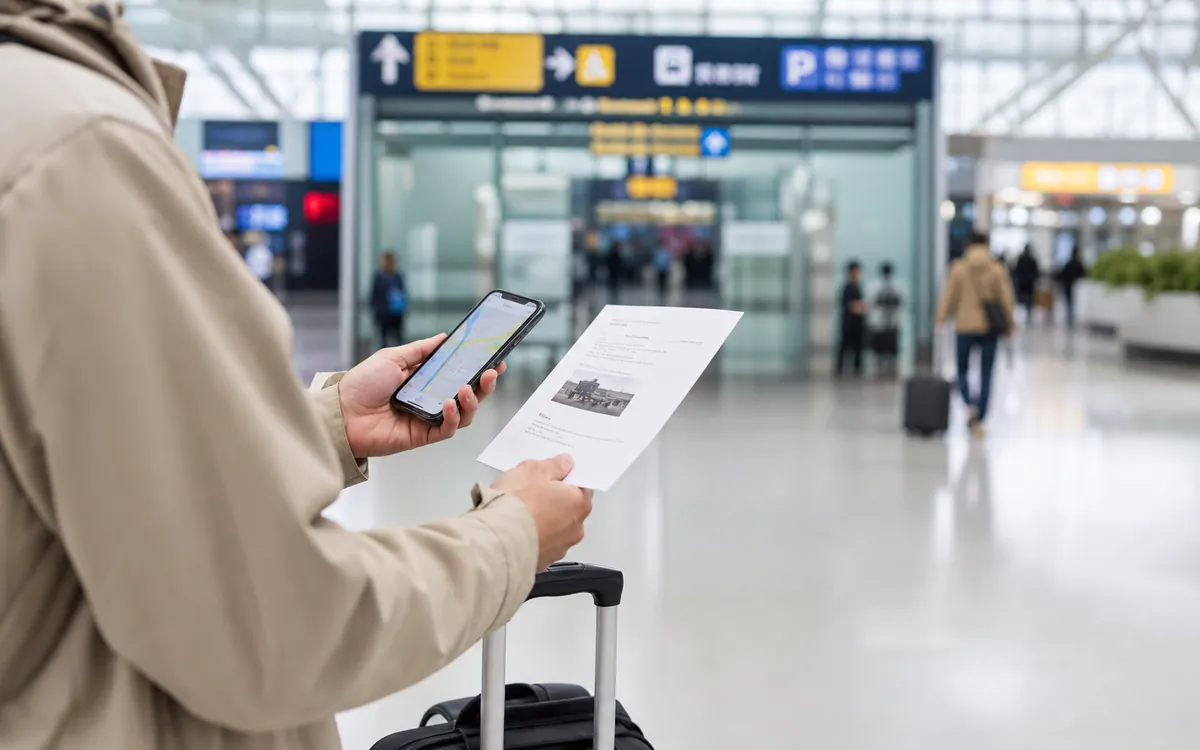
Confirm the item that would stop the day if it failed.
One thing to confirm
Confirm the item that would stop the day if it failed.
For this topic, that usually means checking the exact rule, app status, address, document or receipt before the busy part starts.
 One thing to save
Keep evidence that can be shown without mobile data.
One thing to save
Keep evidence that can be shown without mobile data.
Screenshots, Chinese names, booking records and offline notes make meal ordering, dietary limits and service expectations easier to explain.
Phone, maps and translation
Keep navigation, messaging and payment systems working from arrival day.
 Payments
Menu, allergy note and bill expectation
Payments
Menu, allergy note and bill expectation
 Entry
Entry rules before booking
Entry
Entry rules before booking
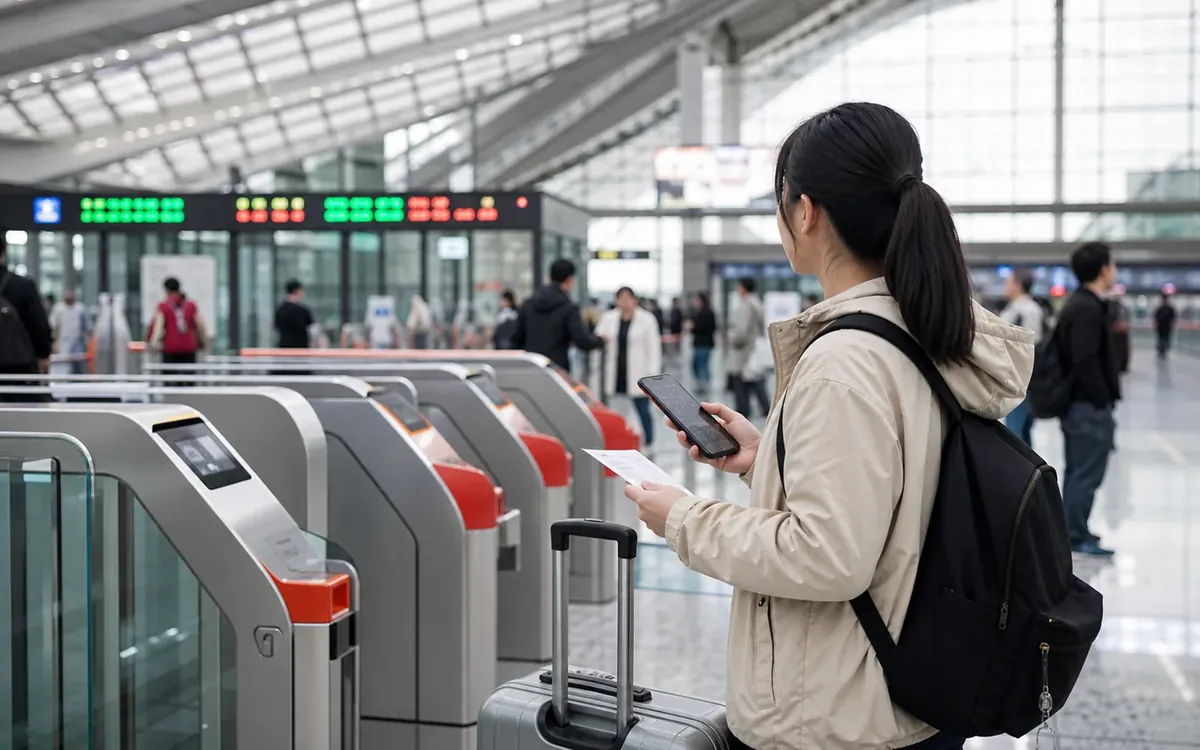 Transport
Rail and city transfers
Transport
Rail and city transfers
Best rule: match the setting. A casual noodle lunch, university canteen meal, family dinner, hotpot night, banquet, and supplier dinner all have different expectations.
The meal is often more than food
A meal may be a welcome, a negotiation warm-up, a thank-you, a friendship gesture, a family introduction, or a way to build trust before direct business. The food matters, but so does the structure: who invited whom, who sits where, who orders, who pays, and what gets discussed before serious details.
- Arrive on time or slightly early.
- Let the host suggest seating in formal settings.
- Try a little of shared dishes unless your health, religion, or dietary rules prevent it.
- Thank the host during the meal and again afterward if the meal was hosted.
- If you are unsure, watch what senior guests or local friends do before acting.
Shared dishes and table habits
Many Chinese meals are built around shared dishes, not individual plates. This can feel unfamiliar if you are used to ordering only for yourself.
- Use serving utensils when provided. If not, follow the table norm.
- Take modest portions first, then return for more if you like something.
- Do not move the lazy Susan while someone is taking food.
- Do not plant chopsticks upright in rice.
- It is usually fine to leave small bones, shells, or scraps on a side plate if provided.
- In hotpot or barbecue settings, ask what is ready before eating from the shared pot or grill.
Ordering food
In hosted meals, the host may order for the group. In casual settings, everyone may suggest dishes. If you have dietary restrictions, say them before ordering starts, not after dishes arrive.
Allergies, halal, vegetarian, and other limits
Do not rely on vague labels. Ingredients, broth, sauces, oil, meat stock, seafood paste, peanuts, sesame, and cross-contact can be hard to identify in a busy restaurant.
- Write serious allergies in Chinese and show restaurant staff.
- For halal, vegetarian, vegan, gluten-free, or religious restrictions, choose restaurants carefully rather than hoping every kitchen can adapt.
- For spicy food, say whether you mean no chili, mild chili, or no numbing Sichuan pepper.
- For business meals, tell the host early so they can choose an appropriate restaurant without embarrassment.
- If a restriction is medical or religious, say so plainly. Most hosts would rather know early.
Seating and seniority
Formal meals may have seating logic based on host, guest, seniority, view of the door, or table position. Casual meals may not. If someone guides you to a seat, accept it.
- At a formal banquet, wait for the host or senior person before sitting if the group is arranging seats.
- If you are the guest, you may be offered a seat of honor. Do not overthink it; follow the host.
- If you are hosting, ask a local colleague to help with seating in formal business settings.
- In casual meals, the seating may be entirely practical: near the door, near the hotpot controls, or near friends.
Paying the bill
In many hosted meals, the inviter may expect to pay. In casual friend groups, splitting or alternating may be normal. In business contexts, the payment signal can carry relationship meaning. If you want to host, say so before the meal or arrange discreetly.
Casual friends
Splitting, alternating, or one person paying and others transferring by mobile payment can all happen.
Hosted meal
The inviter may expect to pay. Publicly fighting over the bill can become awkward.
Business meal
Follow company policy. Gifts, entertainment, and reimbursement rules may matter.
Toasts and alcohol
Toasting can be ceremonial in some business or banquet settings and almost absent in others. If you do not drink, explain calmly and early. Health, religion, driving, medication, pregnancy, work rules, or personal choice can all be valid reasons.
- If you drink, pace yourself. Small repeated toasts can add up quickly.
- If you do not drink, prepare a short explanation before the first toast.
- You can toast with tea, water, or another non-alcoholic drink if the host accepts it.
- Do not pressure others to drink.
- For business meals, alcohol does not replace clear written follow-up.
Gifts
Gifts should usually be modest, thoughtful, and suited to the relationship. A local specialty from your home region can work well when it is easy to carry and culturally neutral.
- Avoid gifts that are too expensive for a first meeting.
- Check company gift and anti-bribery policies before business gifting.
- Food gifts should consider allergies, customs rules, and shelf life.
- For home visits, fruit, tea, small local specialties, or something for the family can be appropriate.
- If you receive a gift, thank the giver and follow your company disclosure rules if relevant.
Business meals
Business meals can build trust, but they are not a substitute for written terms. Use the meal to understand people, context, priorities, and relationship dynamics. Move important commercial details into written records later.
- Before the meal, understand who is hosting and why.
- During the meal, avoid forcing sensitive negotiation too early unless the host leads there.
- After the meal, send thanks and summarize any business points discussed.
- Keep invoices, receipts, and reimbursement records if your company needs them.
- Do not confuse hospitality with final approval, contract agreement, or payment commitment.
Family or home invitations
A home invitation can be generous and personal. Bring a modest gift, be on time, show appreciation, and avoid treating the home like a restaurant where you can control everything.
- Ask whether to remove shoes or use slippers.
- Compliment the food and effort without exaggerating awkwardly.
- Offer to help, but accept if the host declines.
- Ask before taking photos of people, children, home interiors, or food preparation.
- Send a thank-you message afterward.
Conversation topics
Food, travel, hometowns, study, work, family in a general sense, sports, and local recommendations are usually safer than sensitive political, religious, legal, or personal topics. Context matters.
- Avoid turning a friendly meal into an argument about sensitive topics.
- Do not ask overly personal questions unless the relationship supports it.
- If asked a question that feels too personal, answer lightly and redirect.
- At business meals, keep humor simple. Translation can flatten jokes.
What not to overthink
Visitors sometimes become so worried about etiquette that they stop being present. In most ordinary meals, effort matters more than perfection.
Mistakes to avoid with Dining and social etiquette in China
- Assuming every dinner is purely casual.
- Discussing sensitive business pressure too early in a hosted meal.
- Not explaining dietary restrictions until dishes arrive.
- Giving an overly expensive gift that makes the relationship awkward.
- Misreading hospitality as a final business commitment.
- Trying to win a public bill-paying contest without understanding the setting.
- Drinking more than you intended because you did not set a boundary early.
- Overapplying formal banquet advice to a normal casual meal.