


Do not judge housing only by rent. For foreigners, the real test is whether the address can be registered, the contract is clear, the deposit risk is controlled, the commute is realistic, utilities are understandable, and daily systems like delivery and repairs actually work.
Hotel and arrival decision guide
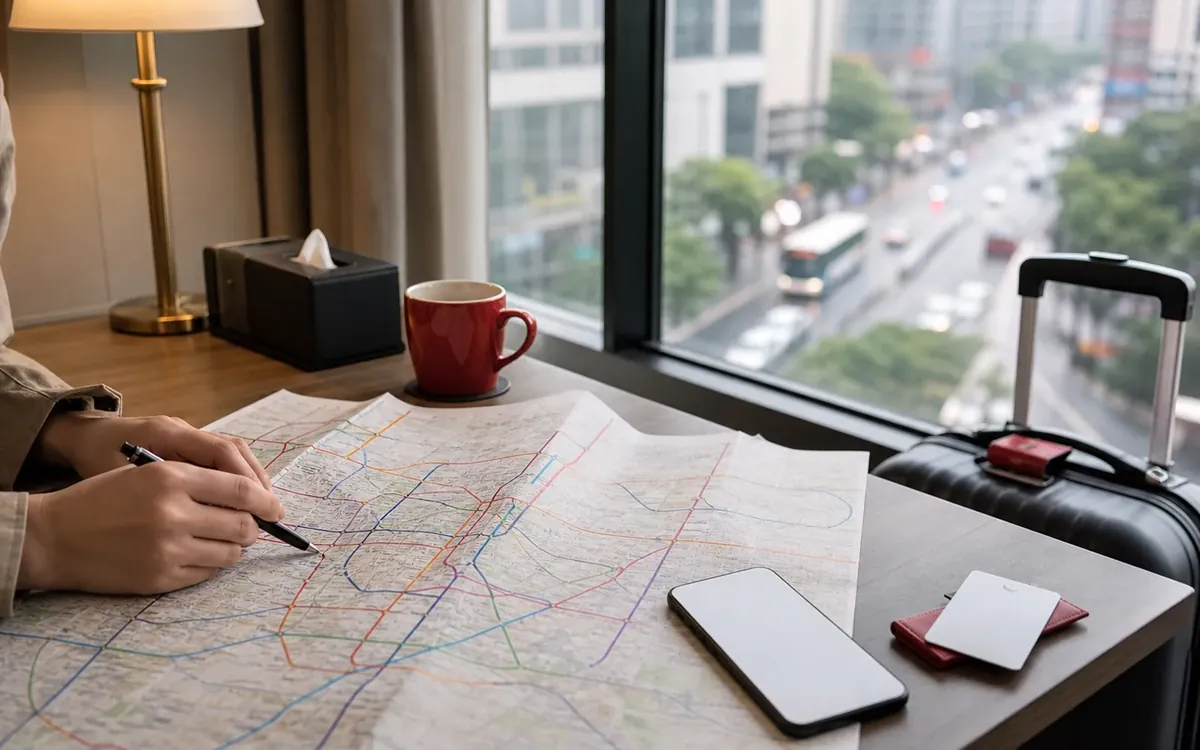
The best hotel choice is usually the one that makes check-in, transport and first-day recovery easier.
Safer stay
- Confirm foreign passport check-in.
- Save the Chinese name and address.
- Choose location by station access, not only price.
Risky stay
- Book an unverified property late at night.
- Arrive without the Chinese address.
- Ignore deposits, payment and registration rules.
 Before leaving
Prepare the proof, address or app screen first.
Before leaving
Prepare the proof, address or app screen first.
The useful preparation is specific: one Chinese address, one saved record, one backup route and one person who can help if addresses, front desks and local service steps stall.
 At the counter
Compare the answer you receive with the Housing in China checklist.
At the counter
Compare the answer you receive with the Housing in China checklist.
If the local process differs, follow the official instruction and keep a record of the name, time and location.
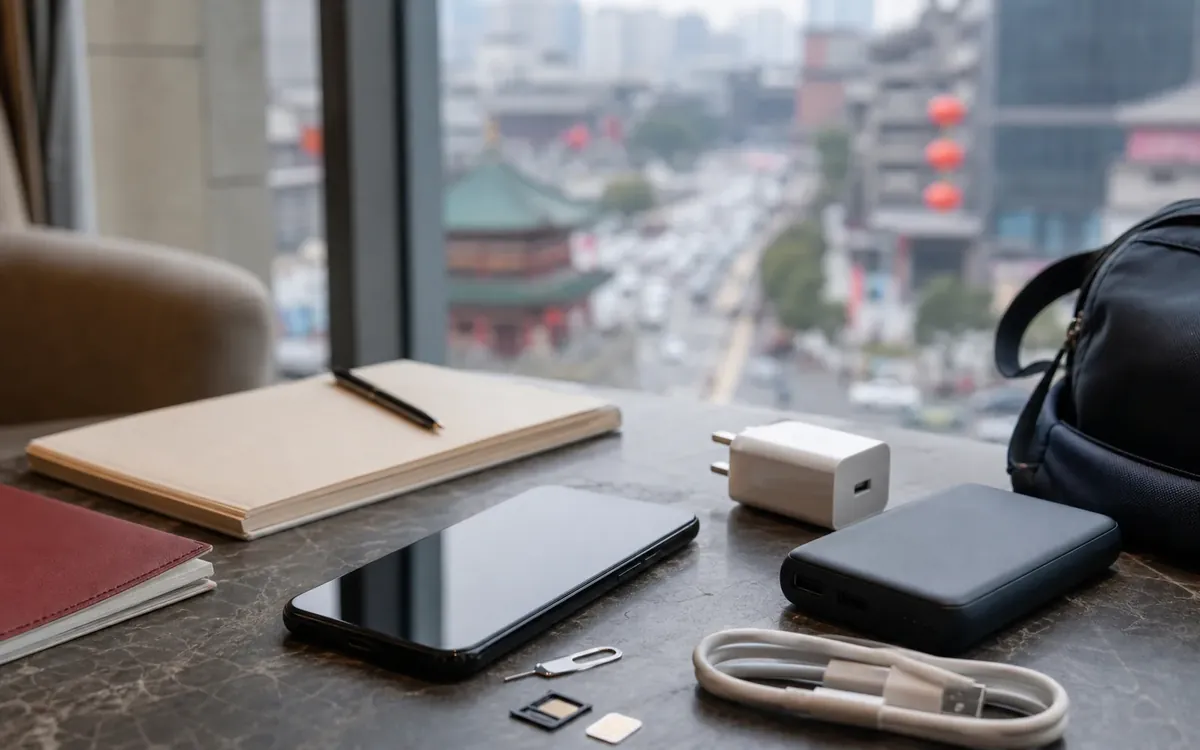
Phone, maps and translation
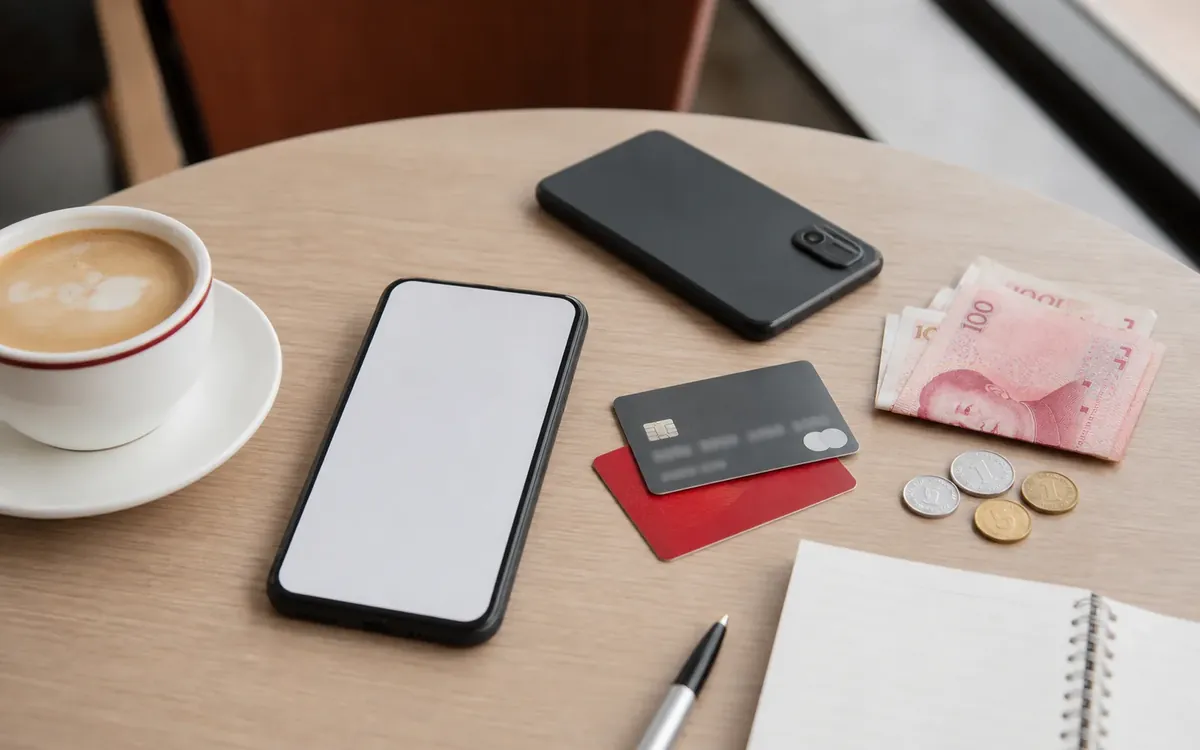
Keep navigation, messaging and payment systems working from arrival day.
 Payments
Chinese address, front desk and service timing
Payments
Chinese address, front desk and service timing
 Entry
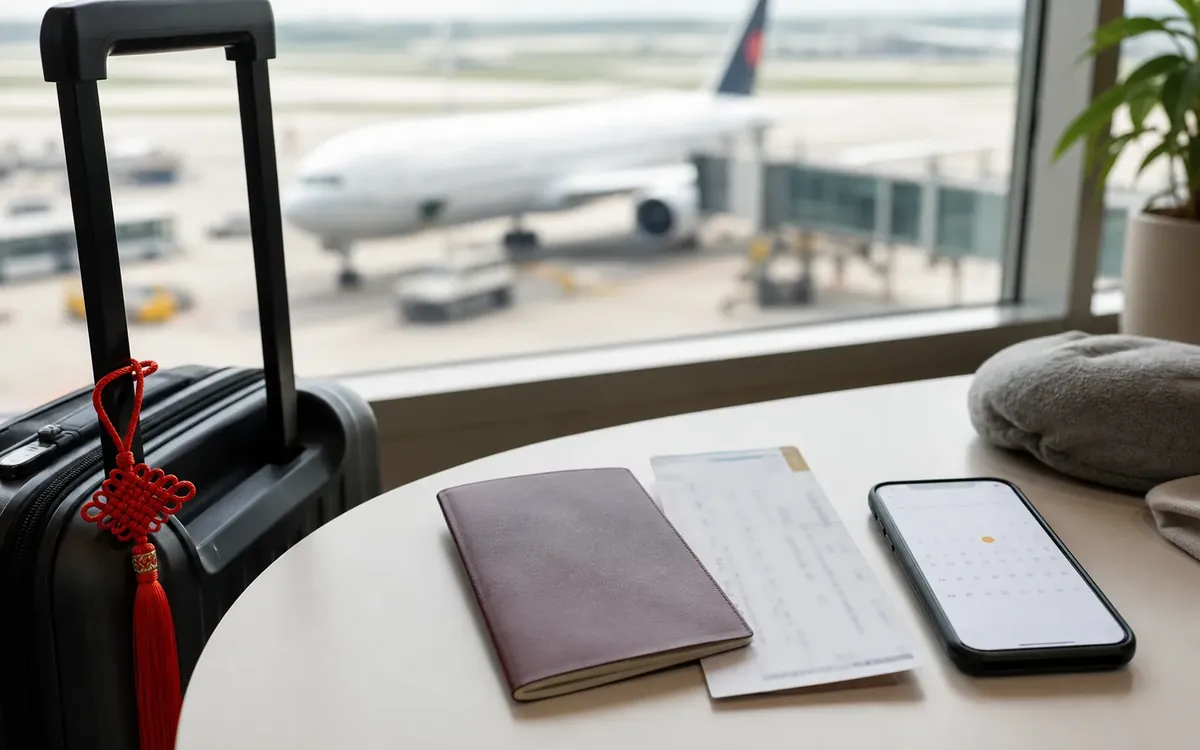
Entry rules before booking
Entry
Entry rules before booking
 Transport
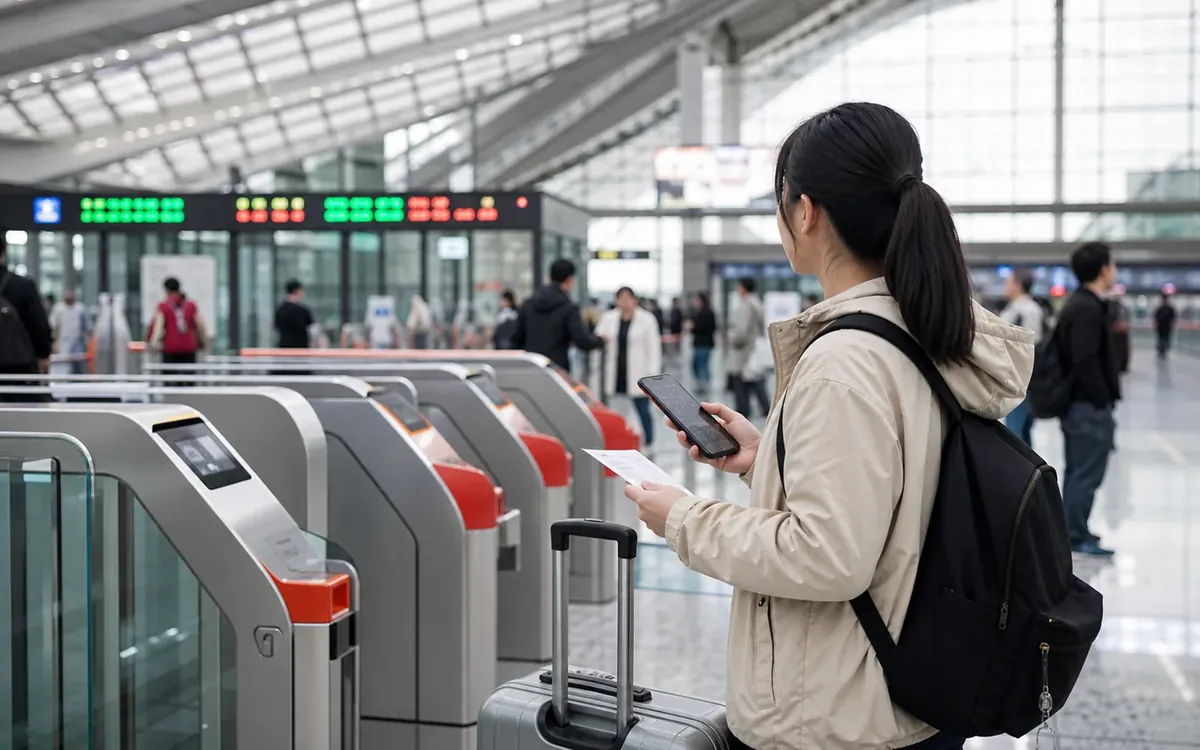
Rail and city transfers
Transport
Rail and city transfers
Before paying a deposit: ask whether the address can support foreigner accommodation registration, who owns the property, what documents prove it, and exactly what happens if registration fails.
Housing types
Different housing types solve different problems. A short stay may justify a serviced apartment or hotel even if the nightly cost is higher. A one-year work or study stay may need a normal apartment, but only after registration and contract questions are clear.
Hotel or serviced apartment
Easier check-in, easier registration, more support, higher cost, and less contract complexity.
Standard apartment
Better for long stays, but requires contract review, deposit control, utility setup, registration, and repair responsibilities.
Shared apartment
Lower cost and faster setup, but verify sublease permission, registration ability, room privacy, bills, and roommate rules.
Student dormitory
Often simpler for university paperwork, but check curfew, guests, payment, laundry, package pickup, and holiday access.
Accommodation registration
Hotels normally handle registration for foreign guests. For non-hotel housing, official NIA guidance says foreigners who reside or stay in lodgings other than hotels, or the people who accommodate them, should complete registration formalities with local public security authorities within 24 hours after check-in.
Local methods vary. Some cities or districts offer online registration; others may require a police station visit or landlord documents. For long stays, registration can affect residence permit renewal, banking, school records, employer paperwork, and compliance.
- Ask before paying: "Can this address be registered for a foreign tenant?"
- Ask who will help: landlord, agent, employer, school, property office, or host.
- Confirm required documents: passport, lease, ownership certificate or property page, landlord details, photos, or local forms.
- Ask whether you must update registration after moving, passport renewal, or residence permit changes.
How to search without rushing
Use multiple inputs: employer or school recommendations, relocation agents, reputable rental platforms, local contacts, serviced apartment operators, and walking the target neighborhood. Do not let a single agent create artificial urgency before you have checked registration, commute, and contract details.
- Choose a practical commute zone first, not a famous district.
- Shortlist neighborhoods by metro, bus, grocery, pharmacy, hospital, noise, and delivery access.
- View during daylight and, if possible, at night.
- Test map routes at real commute times.
- Ask about building age, elevator reliability, heating or cooling, water pressure, and package pickup.
Viewing checklist
A quick viewing can hide expensive problems. Take photos and short videos, especially if you may sign soon.
- Water pressure, hot water, drains, toilet, shower, kitchen sink, and washing machine.
- Air conditioning, heating, windows, seals, mold, humidity, smell, and ventilation.
- Appliances, furniture, mattress, locks, access card, elevator, and building security.
- Noise from road, construction, bars, schools, neighbors, or equipment rooms.
- Internet provider, router location, mobile signal, and whether installation is allowed.
- Delivery access, package lockers, trash point, bike parking, and nearest gate.
Lease contract and deposit
If you cannot read the lease confidently, get help before signing. Rental contracts should clearly describe the apartment, parties, rent, lease term, payment method, deposit, use purpose, repair responsibilities, breach terms, and move-out conditions. Beijing's foreigner-facing housing guidance also emphasizes checking ownership or authorization and apartment facilities before renting.
Owner or agent
Verify whether the signer owns the apartment or has written authorization to lease it.
Deposit
State amount, refund timing, deduction rules, cleaning fees, damage rules, and utility settlement.
Early exit
Clarify what happens if your job, visa, school plan, family situation, or city changes.
- Keep contract, ID or ownership proof when provided, payment records, deposit receipt, and handover checklist.
- Use traceable payment where possible instead of undocumented cash.
- Write furniture and appliance condition into a move-in record with photos.
- Ask whether rent includes property management fee, heating, internet, water, gas, and electricity.
Utilities and daily setup
Utility systems can be prepaid, postpaid, landlord-managed, app-based, or property-office based. Before moving in, ask someone to show you how each bill is paid and what happens if the balance reaches zero.
Electricity
Account number, meter, top-up method, prepaid warning, and whether air conditioning creates high seasonal cost.
Water and gas
Billing cycle, safety checks, top-up method, hot water source, and emergency shutoff.
Internet
Provider, account owner, speed, router access, installation fee, contract term, and cancellation.
Repairs and responsibility
Repair disputes often come from vague responsibility. Separate normal wear, appliance age, tenant damage, building problems, and landlord obligations. For expensive repairs, keep written approval before work starts.
- Ask who handles air conditioning, water heater, fridge, washing machine, locks, plumbing, and internet wiring.
- Photograph problems before and after repair.
- Confirm whether the landlord, property office, tenant, or warranty service pays.
- For urgent water, gas, or electrical problems, contact property management quickly and keep messages.
Neighborhood fit
The best apartment is often the one that makes your repeated week easier. A pretty room can become frustrating if groceries, transport, hospitals, packages, and deliveries are all awkward.
- Commute in bad weather and during rush hour.
- Metro, bus, taxi pickup, bike parking, and ride-hailing access.
- Convenience store, supermarket, pharmacy, clinic or hospital, and food options.
- Noise at night, elevator wait, gate access, property management quality, and package pickup.
- Whether friends, family, or delivery riders can find the building easily.
Roommates, subleases, and shared housing
Shared housing can be practical, but it adds legal and social layers. Confirm whether the main tenant has permission to sublease, whether your name can be registered at the address, how bills are split, and what happens if a roommate leaves early.
- Clarify cleaning, guests, quiet hours, smoking, pets, kitchen use, and shared supplies.
- Keep a written record of deposit and rent payments.
- Confirm your room lock, shared bathroom access, and storage.
Move-in and move-out
Move-in is when you protect the future deposit. Move-out is when records matter. Treat both as document events.
- At move-in, photograph every room, meter, appliance, wall mark, floor mark, window, and furniture item.
- Record meter readings and keys, cards, remotes, parking, and access devices received.
- At move-out, settle utilities, clean according to the lease, return items, and photograph final condition.
- Ask for written confirmation of deposit refund amount, deductions, and timing.
Mistakes to avoid with Housing in China
- Paying a deposit before confirming foreigner accommodation registration support.
- Signing a lease without understanding early exit, repair, and deposit clauses.
- Assuming the agent's promise is enough without written contract language.
- Ignoring utility payment methods until power, water, gas, or internet fails.
- Choosing a tourist-friendly district instead of a practical weekly life base.
- Not documenting condition at move-in, then arguing about damage at move-out.
Official and useful sources
- National Immigration Administration: Accommodation registration for foreigners
- Beijing Municipal Government: Tips for Renting an Apartment
- Beijing Municipal Government: Accommodation Registration Guide for Foreigners
- State Council: Live & Work in China service portal
- State Council / Ministry of Commerce: Guide to Working and Living in China as Business Expatriates 2025