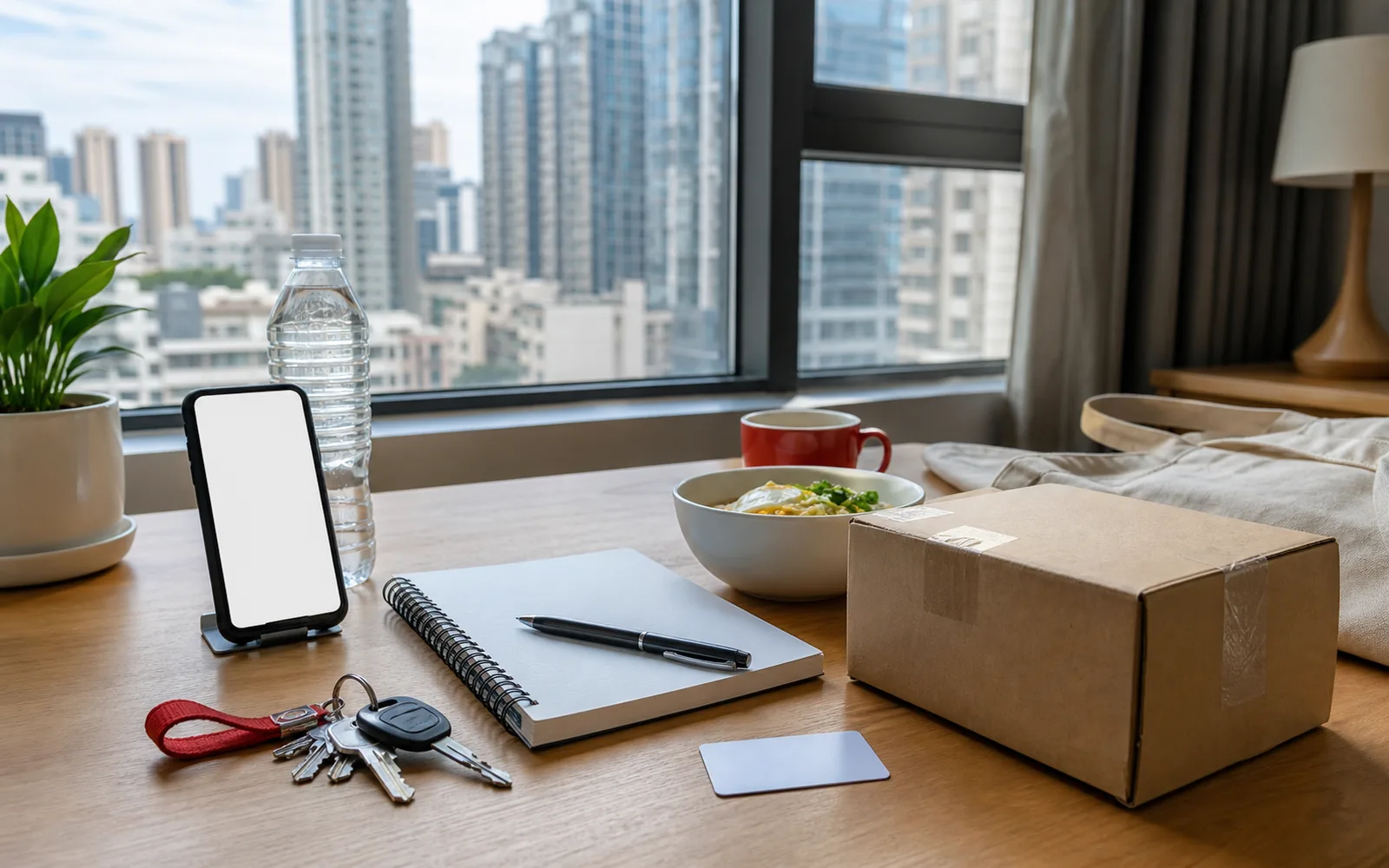
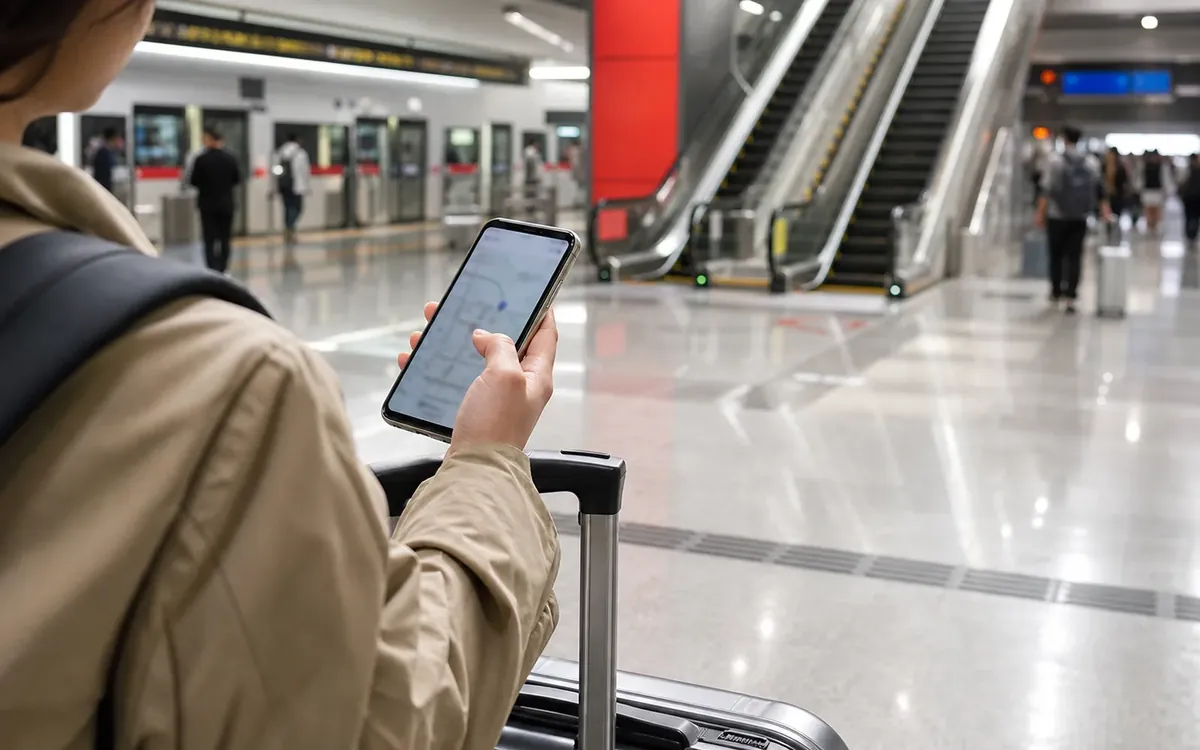
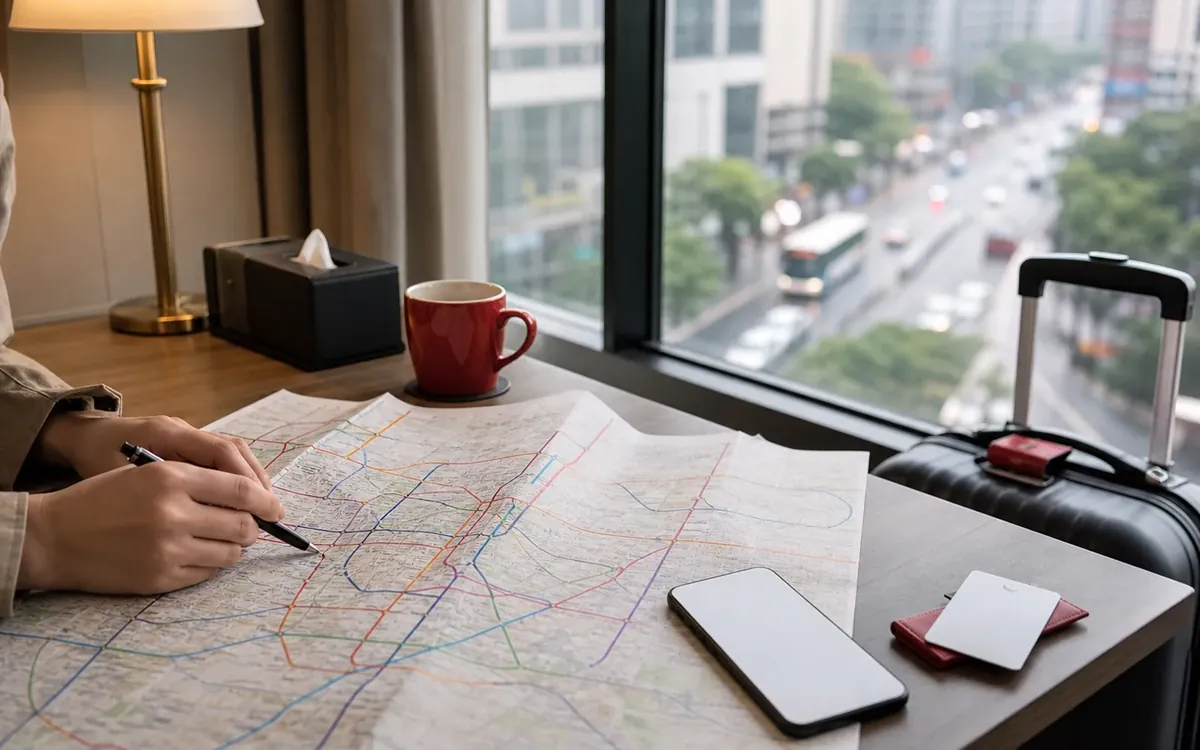
Daily life in China becomes much easier when five things are cleanly set up: your Chinese address, local phone number, payment method, delivery instructions, and building support contacts.
Long-stay plan
Build daily systems before they become daily friction.
Longer stays are smoother when address, delivery, phone, payment, transport, food and document routines are repeatable instead of solved from scratch each week.
Address system
Save your address in Chinese, building details, entrance notes and delivery instructions in a reusable format.
Payment system
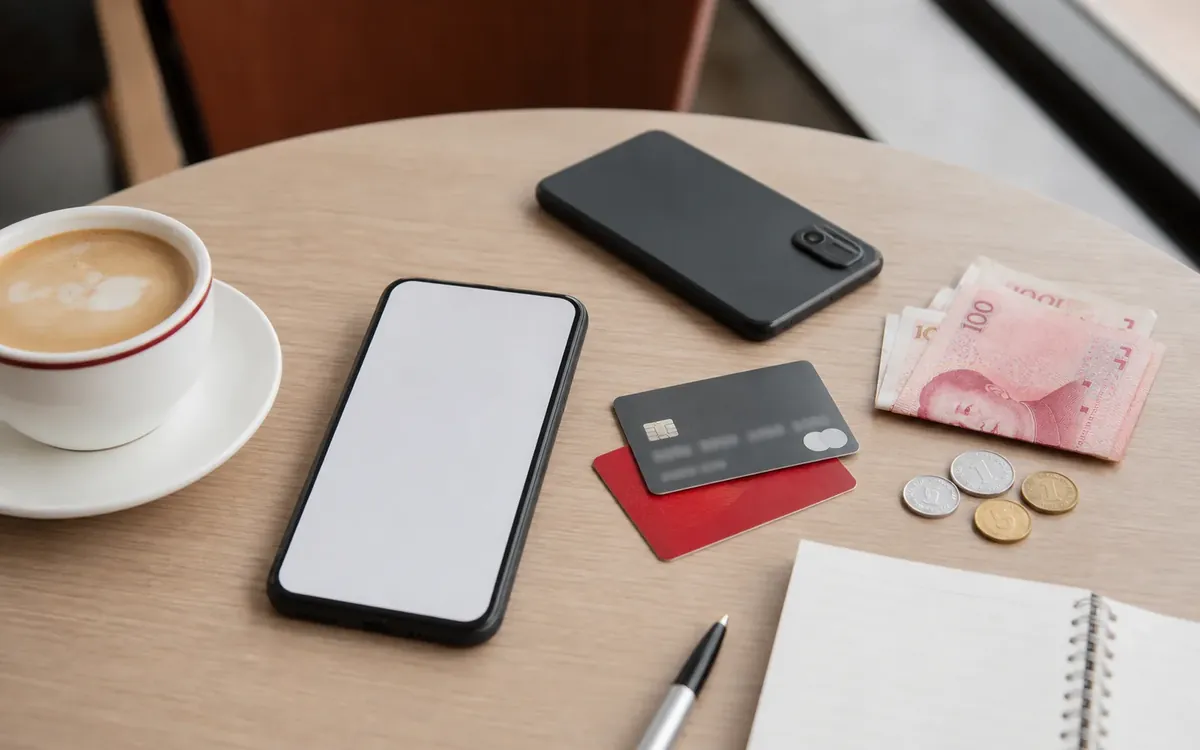
Keep primary wallet, backup card, cash buffer, receipt records and support contacts ready.
Help system
Know who can help at the compound, school, office, hotel, bank, pharmacy and local service counter.
Test delivery, pharmacy, transport, payment, translation and a simple service request while stakes are low.
Review documents, receipts, subscriptions, phone balance, health needs and upcoming travel dates.
Longer-stay decision guide
Longer stays are less about sightseeing and more about repeatable systems: housing, phone, payment, work or study.
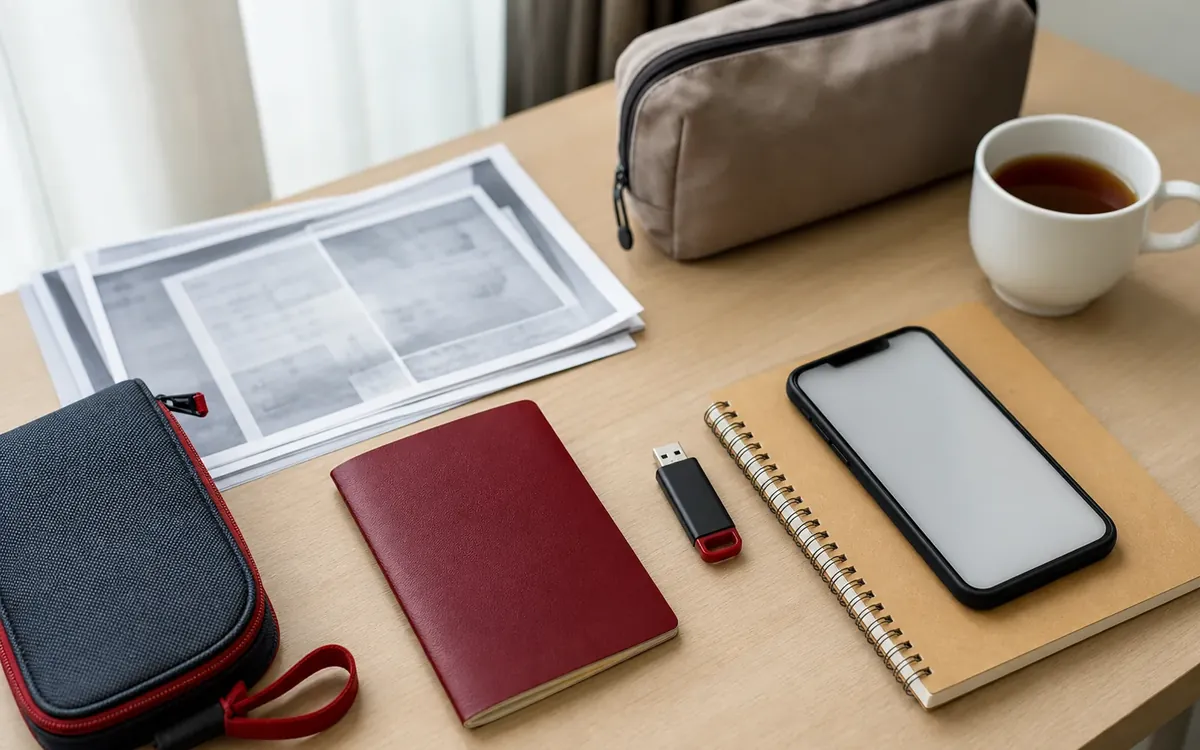
Safer setup
- Build housing, money and phone systems early.
- Keep document copies organized.
- Ask what is local custom versus formal requirement.
Risky setup
- Solve each system only after it blocks you.
- Keep documents scattered across apps.
- Ignore registration, deposits or local platform rules.
 Before the moment
Mark the one choice Daily systems in China needs to settle.
Before the moment
Mark the one choice Daily systems in China needs to settle.
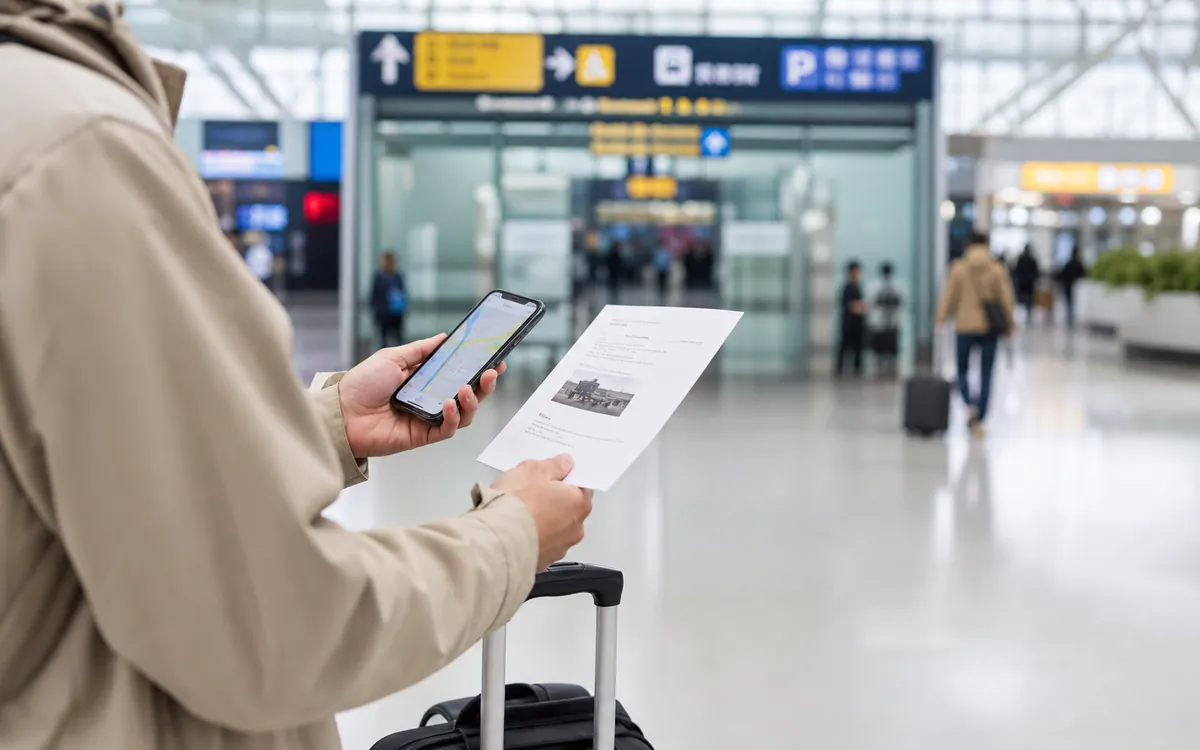
Turn the page into a short checklist: what to show, what to save, and what to do if the first answer does not work.
After the first try
Write down what changed on the ground.
China travel details shift by city, venue and staff interpretation, so keep screenshots and names beside the the first real-world decision this page is meant to support notes.
Phone, maps and translation
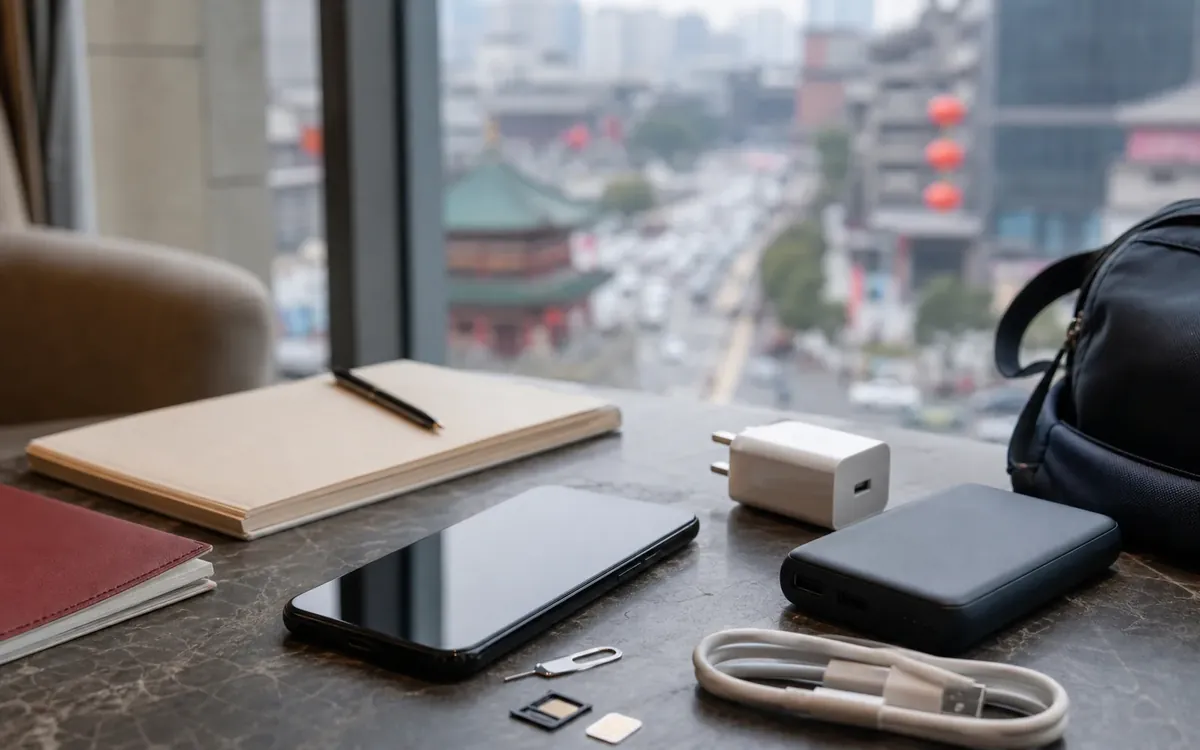
Keep navigation, messaging and payment systems working from arrival day.
 Payments
Routine, timing and local support
Payments
Routine, timing and local support
 Entry
Entry rules before booking
Entry
Entry rules before booking
 Transport
Rail and city transfers
Transport
Rail and city transfers
How to use Daily systems in China
Daily-life pages explain recurring systems rather than one-off tips: addresses, deliveries, repairs, laundry, utilities, and the habits that make longer stays easier.
Think in systems: A good address is not just for mail. It affects taxis, food delivery, packages, repairs, utilities, emergency help, accommodation registration, and residence paperwork.
Build a usable Chinese address
English addresses are useful for your own memory, but daily systems usually need a Chinese address. Save it as text, screenshot, map pin, and a short version for drivers or couriers.
- Province or municipality, city, district, street or road, compound or building name.
- Building, unit, floor, room, hotel name, dormitory, office tower, or apartment number.
- Main gate, delivery gate, lobby, front desk, parcel room, or reception point.
- Local phone number linked to delivery apps, payment apps, housing contacts, and services.
- A nearby landmark for taxis, couriers, repair workers, or emergency services.
Accommodation registration
Hotels normally handle foreigner accommodation registration during check-in. If you live or stay outside a hotel, the registration process may involve you, your host, landlord, school, employer, local police station, or a local online system. Official NIA guidance says foreigners staying outside hotels should complete accommodation registration with the local public security organ within 24 hours after check-in.
For residents, this is not a side detail. Accommodation registration can affect residence permits, renewals, banking, school paperwork, employment paperwork, and basic compliance.
- Before signing a lease, ask directly whether the address can support foreigner accommodation registration.
- Keep passport, lease, landlord or housing documents, registration receipt, and update records organized.
- If you move, ask what must be updated and by when in your city.
Food delivery and grocery delivery
Food and grocery delivery can become part of daily infrastructure, but the weak points are address precision, phone calls, gate access, building rules, and payment. A rider may call or message because the gate is locked, the map pin is slightly wrong, or the building has a separate delivery shelf.
Short delivery note
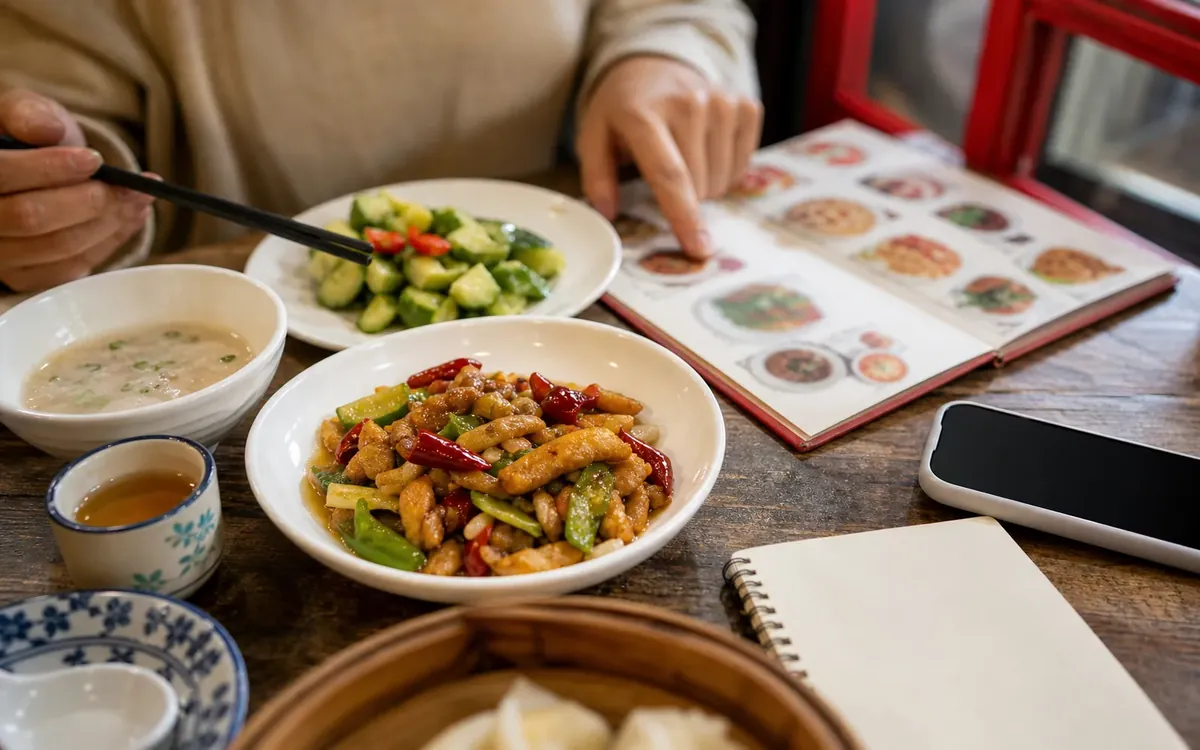
Write where to leave the order: front desk, lobby, gate, delivery shelf, parcel room, or door.
Phone readiness
Keep calls and app notifications on. Unknown numbers may be riders, couriers, or repair workers.
First test
Start with a nearby, low-risk order before relying on delivery for an important meal.
Packages, couriers, and pickup points
Package delivery can involve lockers, courier stations, property offices, convenience stores, campus pickup points, office reception, or direct-to-door delivery. The system is fast once you learn your building's pattern.
- Ask where packages usually go in your building, compound, dormitory, or office.
- Learn the pickup point name and map location.
- Keep SMS codes, app pickup codes, or locker codes available.
- Check package lockers regularly; some may charge or expire after a period.
- For returns, ask whether pickup, drop-off, or courier station handoff is required.
Repairs and property management
When something breaks, first identify who owns the issue: landlord, property management, utility company, internet provider, building security, appliance warranty, or a private repair worker. The right first contact saves time and money.
- Save property management phone number, office location, and hours.
- Know how to report water, electricity, gas, elevator, heating, access-card, and security-gate problems.
- Photograph the problem before and after repair.
- Confirm who pays before approving a private repair or replacement.
- Keep landlord and agent communication in writing when money or responsibility is involved.
Utilities and recurring payments
Utility payment varies by city, compound, and contract. Some apartments use prepaid electricity or gas. Some bills go through property management, some through apps, and some through landlord accounts. Ask for a demonstration before you move in, not after the balance runs out.
Electricity
Account number, meter location, prepaid or postpaid, top-up method, and outage warning.
Water and gas
Billing cycle, safety checks, top-up method, and emergency shutoff location.
Internet
Provider, account owner, router access, speed, contract term, and cancellation rules.
Laundry and local services
Daily comfort comes from knowing the small services around you. During your first week, locate laundry, dry cleaning, shoe repair, key cutting, phone repair, printing, pharmacy, supermarket, convenience store, and household goods shops.
- Check whether your washer has drying, heating, or only spin functions.
- For humid cities, learn where to dry clothes without damaging the apartment.
- For hotels or serviced apartments, confirm laundry pricing before using the service.
- Save one nearby print or copy shop if you deal with paperwork.
Phone calls, app messages, and verification
Daily systems often depend on phone contact. Delivery riders, couriers, repair workers, banks, landlords, clinics, and app services may call or message. If you block unknown calls or ignore Chinese SMS, normal tasks can stall.
- Keep app notifications enabled for delivery, courier, payment, banking, and housing apps.
- Save basic reply templates for couriers and riders if your Chinese is limited.
- Check SMS for pickup codes, login codes, bank alerts, and service confirmations.
- If you use a foreign-number-only setup, expect extra friction for some services.
First-week setup checklist
Use the first week to create repeatable fallback paths. The goal is not to master every app; it is to know who to contact and where to go when something small breaks.
- Save your Chinese address in full, short, map-pin, and screenshot form.
- Confirm accommodation registration status if you are not in a hotel.
- Test one food delivery and learn the building drop-off point.
- Find the package pickup point or locker area.
- Save property management, landlord, agent, school office, or employer admin contact.
- Learn how to pay or top up electricity, water, gas, internet, and property fees if they apply.
- Find one pharmacy, one supermarket, one convenience store, and one print/copy option.
Mistakes to avoid with Daily systems in China
- Saving an address that lacks building, unit, floor, room, or gate information.
- Ignoring unknown calls during deliveries or repairs.
- Not knowing where package lockers or pickup stations are.
- Letting utility balances run out before learning the payment method.
- Approving repairs without confirming responsibility and payment.
- Moving apartments without updating delivery apps, registration, bank, school, employer, or residence paperwork where needed.