


For a longer China stay, treat paperwork as a system: one secure document folder, one renewal calendar, one consistent name format, one record of payments and receipts, and a clear owner for each permit, bank, tax, housing, and employment task.
Long-stay plan
Keep money and paperwork ready for real service counters.
Long-stay paperwork is less stressful when receipts, identity records, payment backups, address proof and official names are organized before a bank, landlord or employer asks.
Identity records
Keep passport, residence records, contracts, address details and emergency contacts in consistent digital and paper copies.
Receipt habit
Save invoices, fapiao, medical receipts, travel receipts and payment proof before they scatter across apps.
Backup money
Maintain a practical mix of wallet access, card backup, cash buffer and bank or card issuer contacts.
Confirm exact name spelling, document numbers, address format, phone number and required originals versus copies.
Store receipt, provider name, date, amount, reason and support contact in one folder.
Practical choice under pressure
Use this comparison before the situation becomes time-sensitive, then keep one simple fallback ready.

Safer setup
- Prepare one primary QR wallet.
- Keep a card, ATM or cash fallback.
- Test a small purchase before relying on it.
Risky setup
- Arrive with only one card.
- Assume every shop accepts foreign cards.
- Wait until a busy counter to test payments.

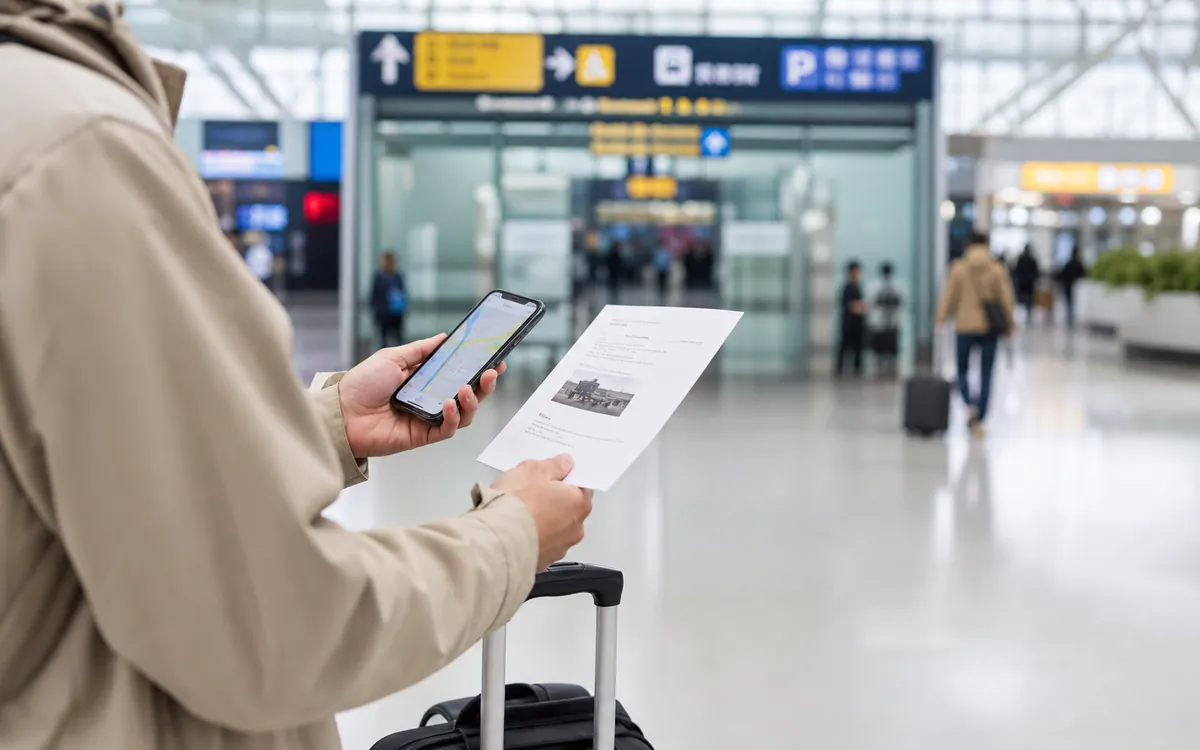 Before the moment
Mark the one choice Money and paperwork needs to settle.
Before the moment
Mark the one choice Money and paperwork needs to settle.
Turn the page into a short checklist: what to show, what to save, and what to do if the first answer does not work.
 After the first try
Write down what changed on the ground.
After the first try
Write down what changed on the ground.
China travel details shift by city, venue and staff interpretation, so keep screenshots and names beside the the first real-world decision this page is meant to support notes.
Next step, proof and fallback
Check the exact next action, what proof to save, and who can help if the first plan does not work.
 Entry
Entry rules before booking
Entry
Entry rules before booking
 Transport
Rail and city transfers
Transport
Rail and city transfers
 Apps
Phone, maps and translation
Apps
Phone, maps and translation
Important: This page is practical orientation, not legal, tax, banking, or immigration advice. Rules and implementation can vary by city, bank, employer, school, visa type, and date. Confirm your own case with official channels or qualified advisers.
Build a document system
Most paperwork stress comes from missing timing, inconsistent names, old scans, or not knowing who owns the next step. Build a system in your first week, before anything is urgent.
- Passport bio page, visa, residence permit, entry stamp or entry record, work permit, student documents, and accommodation registration.
- Lease, housing registration, landlord or school housing documents, deposit receipt, and utility account details.
- Employment contract, onboarding papers, payslips, tax records, social insurance or benefits records if applicable.
- Bank account documents, card details, account-opening branch, bank support number, and mobile banking access notes.
- Insurance policies, hospital invoices, medical records, and emergency contacts.
Keep secure cloud copies and offline encrypted copies. Also keep a simple index: document name, date issued, expiry date, who issued it, and when it may be needed.
Renewal calendar
Create reminders long before expiry. Public holidays, employer approval, school schedules, document translation, medical checks, passport holding periods, and appointment availability can all slow a renewal.
90 days before
Check passport, visa or residence permit, work or study status, lease, insurance, and employer or school process.
60 days before
Ask who owns the renewal, what documents are needed, and whether travel plans conflict with submission.
30 days before
Confirm appointments, forms, fees, photos, translations, and whether your passport may be held.
Banking basics
Bank requirements can vary by city, branch, account type, visa status, and internal policy. Some branches are more familiar with foreign customers than others. For longer stays, a local bank account can help with salary, rent, refunds, utilities, tax, and app verification.
- Bring passport, valid visa or residence permit, local phone number, address information, and employer or school documents if relevant.
- Ask whether the account supports salary, mobile banking, international transfers, ATM use, and app linking.
- Keep your home SIM or home banking verification method active until all critical accounts are stable.
- Record the exact English name format the bank uses, because mismatches can matter later.
- Ask how to update passport number, residence permit, phone number, or address after changes.
Salary, payslips, and records
If you work in China, ask payroll how salary is paid, when it is paid, which bank account is required, how tax withholding is handled, and how to download payslips or annual records. Keep salary records even if your employer handles everything.
- Employment contract and any amendment.
- Monthly payslips, bonus records, reimbursement records, and tax withholding records.
- Bank transaction records showing salary deposits.
- Employer contact for HR, payroll, tax, benefits, and visa or work permit matters.
Tax basics
China's Individual Income Tax Law distinguishes resident and non-resident individuals, uses a January 1 to December 31 tax year, and includes categories such as salary and wages, remuneration for services, royalties, business income, and other income types. Withholding agents may withhold tax, but self-declaration can apply in some situations.
For foreign residents, tax can become complex if you have income from multiple countries, remote work, equity, bonuses, housing benefits, treaty questions, or changing residence status. Use official tax sources and qualified advice before making decisions.
Practical habit: save payslips, tax app records, withholding records, employer tax explanations, and any annual reconciliation documents. Do not wait until you leave China to ask where these records are.
Work, study, and residence documents
Immigration paperwork is tied to your real situation: employer, school, address, passport, purpose of stay, and timing. If any of those changes, ask what must be updated before acting.
- Work: employer sponsor, work permit, residence permit, contract, payroll, job role, and city may need to align.
- Study: university instructions, campus registration, residence permit timing, insurance, dorm or address registration, and internship or part-time work rules matter.
- Family or private affairs: sponsor relationship, address, documents, and renewal timing should be confirmed with official channels.
- Business visitors should not confuse meetings or trade fairs with employment authorization.
When something changes
The dangerous paperwork moments are usually changes: new passport, new apartment, new employer, role change, school change, salary bank change, phone number change, lost passport, or early lease termination. Ask early because one change can trigger several updates.
Passport change
Ask what must be updated with immigration, employer or school, bank, phone carrier, insurance, housing, and travel bookings.
Address change
Update accommodation registration if required, then check bank, employer, school, delivery apps, insurer, and residence paperwork.
Employer change
Do not assume a new job can simply inherit old documents. Confirm work authorization and residence steps before starting.
Invoices, receipts, and reimbursements
In China, invoices and receipts can matter for work reimbursement, tax, insurance, rent disputes, medical claims, and accounting. If your employer needs a formal invoice, ask before payment, not after the merchant closes the order.
- For business travel, ask your company what invoice title, tax number, and details are required.
- For medical claims, keep invoices, diagnosis notes, prescriptions, lab reports, and payment records.
- For rent, keep rent transfers, deposit receipts, utility payments, and handover records.
- For transport, keep e-tickets, taxi receipts, ride-hailing records, and train or flight invoices when needed.
Cross-border money
Cross-border transfers, foreign exchange, salary remittance, tuition payment, and large expenses can require documents and bank review. Requirements may depend on the bank, purpose, amount, source of funds, tax records, and identity documents.
- Ask your bank what documents are needed before initiating a large transfer.
- Keep tax records and salary records if you plan to remit salary overseas.
- Do not rely on one payment or transfer route for urgent tuition, rent, medical, or business payments.
- Check fees, exchange rates, timing, and receiving-bank requirements.
Before leaving China
Leaving also has paperwork. Do not treat the final week as only packing. Close or update what needs to be closed, collect records, and settle disputes while you are still reachable.
- Collect final payslips, tax records, employment documents, school records, and insurance documents.
- Settle rent, utilities, deposit, phone plan, internet, and subscriptions.
- Ask whether bank account, SIM, app, and tax access should remain active after departure.
- Keep China phone number or app access long enough for refunds, tax records, or account changes if needed.
Mistakes to avoid with Money and paperwork
- Tracking only the residence permit expiry and forgetting passport, work permit, lease, insurance, or bank card expiry.
- Using inconsistent name order or spelling across bank, employer, school, and immigration records.
- Changing apartments, passport, employer, school, or phone number without asking what records must be updated.
- Assuming one bank branch's answer applies to every branch or every city.
- Keeping only paper copies of documents that may be needed during travel or emergency.
- Waiting until departure to collect tax, salary, school, housing, or medical records.
Official and useful sources
- State Council: Live & Work in China service portal
- State Council / Ministry of Commerce: Guide to Working and Living in China as Business Expatriates 2025
- National Immigration Administration: Work Permit & Work Residence
- National Immigration Administration: Entry-exit, stay, and residence of foreigners
- National Immigration Administration: Accommodation registration for foreigners
- State Taxation Administration: Individual Income Tax Law
- State Taxation Administration: Foreign individual registration on the IIT app